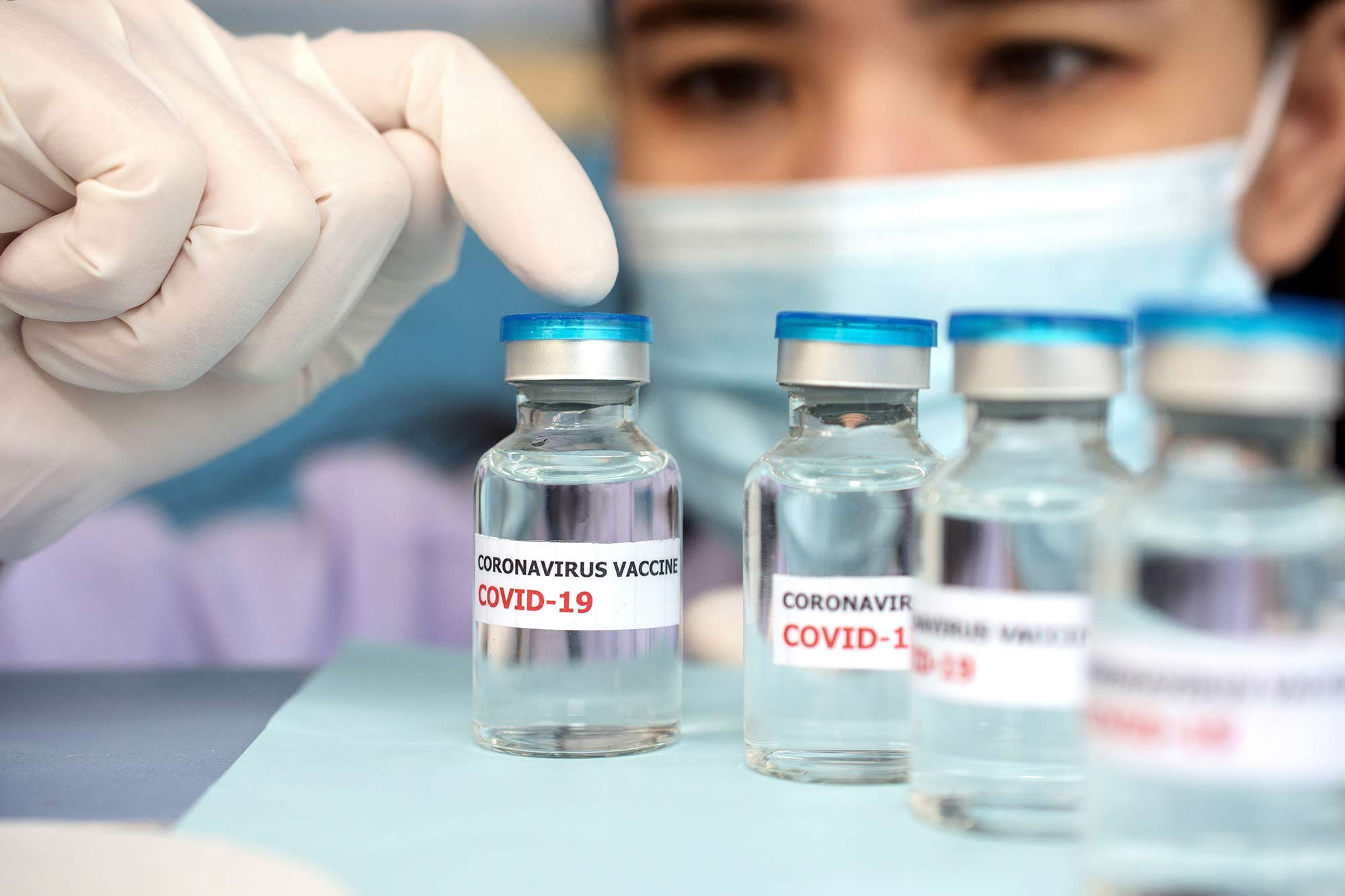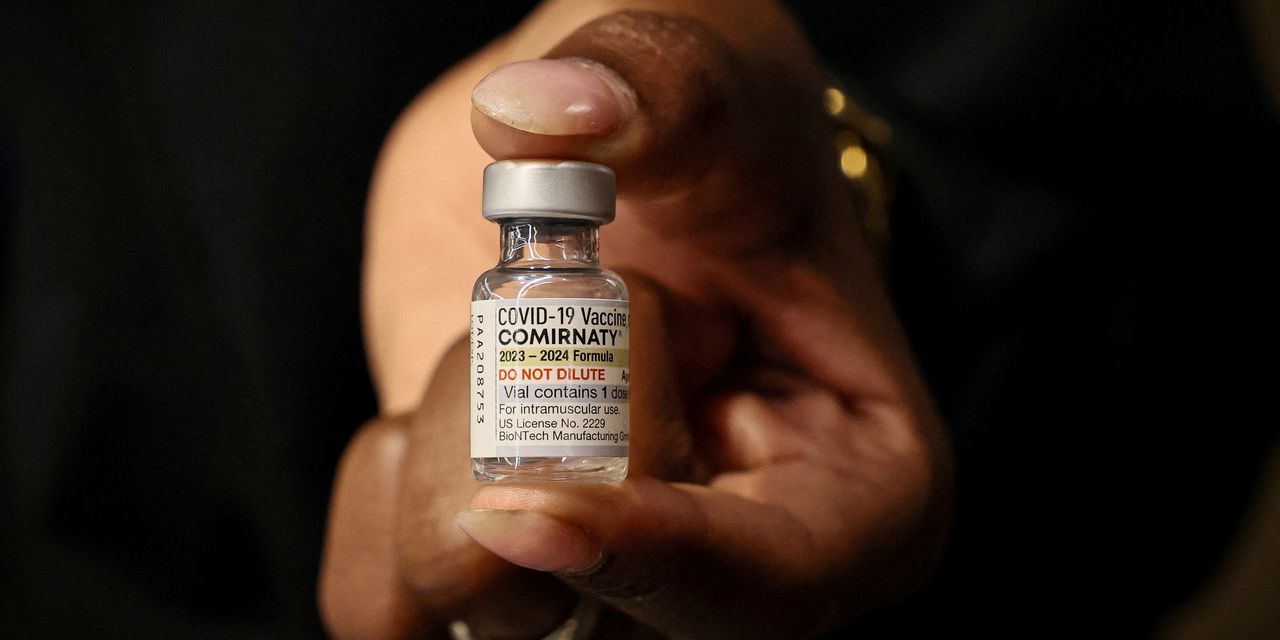
The COVID vaccine policy remains uncertain amid rising cases, with debates over safety, approval, and access, especially for children and low-risk groups, potentially impacting vaccination rates and public health efforts.
Amazon has restocked popular Pokémon TCG products like ETBs, bundles, and boosters, but prices are inflated due to high demand and limited supply, with some sets selling well above MSRP. Notable items include White Flare and Black Bolt ETBs, Destined Rivals expansions, Charizard collections, and various tins and booster packs, offering fans a range of options despite higher prices.
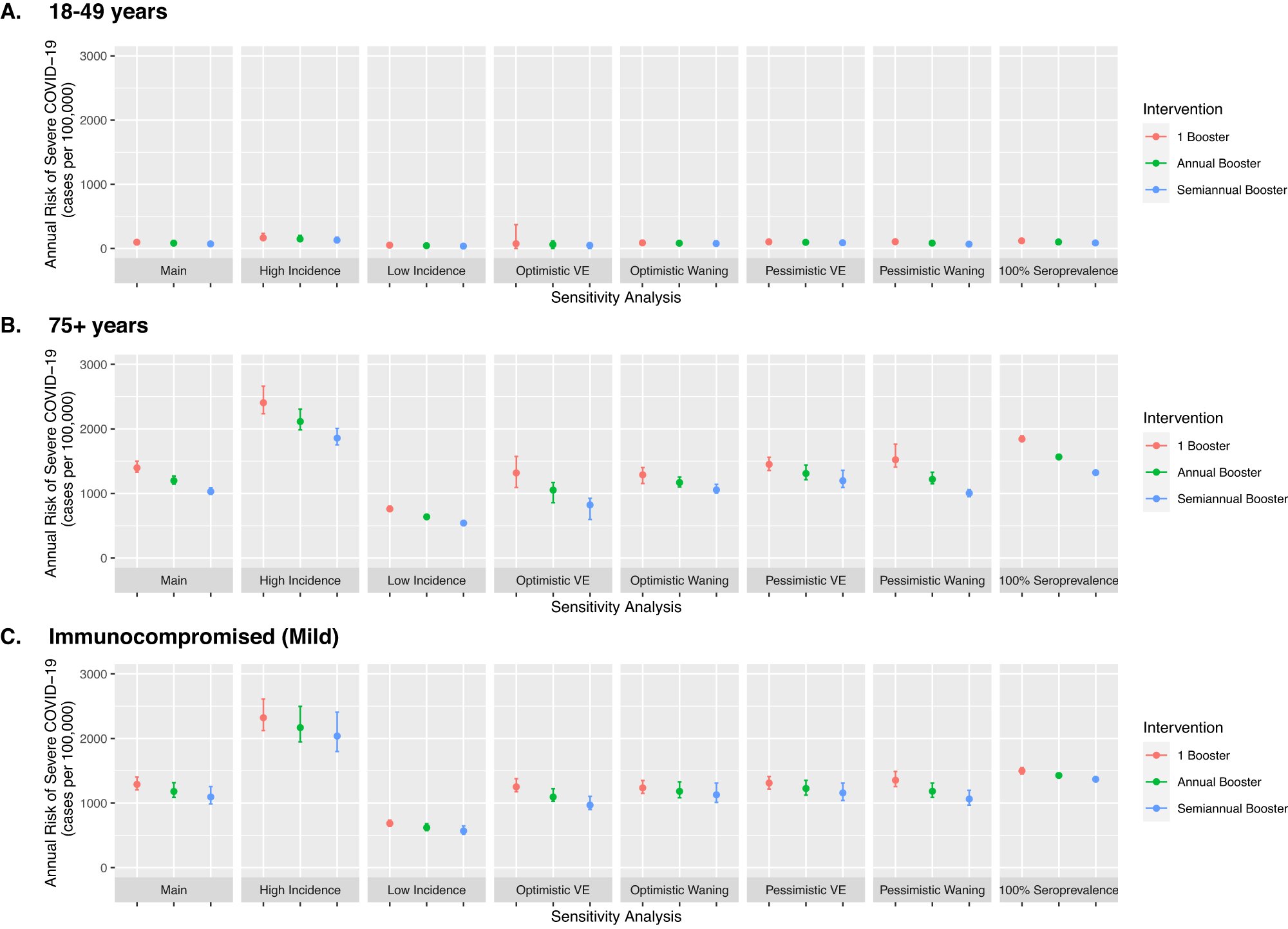
A study published in Nature Communications by researchers at Stanford Medicine used a simulation model to predict the frequency of COVID-19 vaccination that best prevents severe disease in different U.S. populations. The model suggests that older individuals and those who are immunocompromised benefit more from frequent boosters—at least annually—while the benefit for younger, healthier populations is more modest. The findings support current CDC recommendations and suggest that public health strategies should focus on high-risk populations to increase booster uptake. The model also considered factors such as novel variants, transmission, and prior COVID-19 infection, and the researchers plan to update the model with new data as it becomes available.
After a federal judge's ruling against NCAA rules and recruiting inducements, NCAA President Charlie Baker issued a memo to member schools, pausing investigations into NIL collectives backed by boosters. The decision comes amid chaos following an antitrust suit and is intended to avoid penalties for conduct consistent with the injunction while long-term solutions are underway, although it notably does not mention Congress.
University of Michigan researchers analyzed over 80 studies and 150 million patient observations to assess the effectiveness of COVID-19 vaccine doses beyond the primary series, finding significant benefits of monovalent and bivalent boosters in preventing hospitalization and death. Their study supports the periodic update of vaccines to match circulating virus variants and emphasizes the importance of robust and reproducible results to solidify public trust and fight misinformation. The research, published in Science Advances, highlights the potential of biostatistics and epidemiology in evaluating vaccine effectiveness and underscores the strong protection provided by COVID-19 vaccines against severe illness and hospitalization.
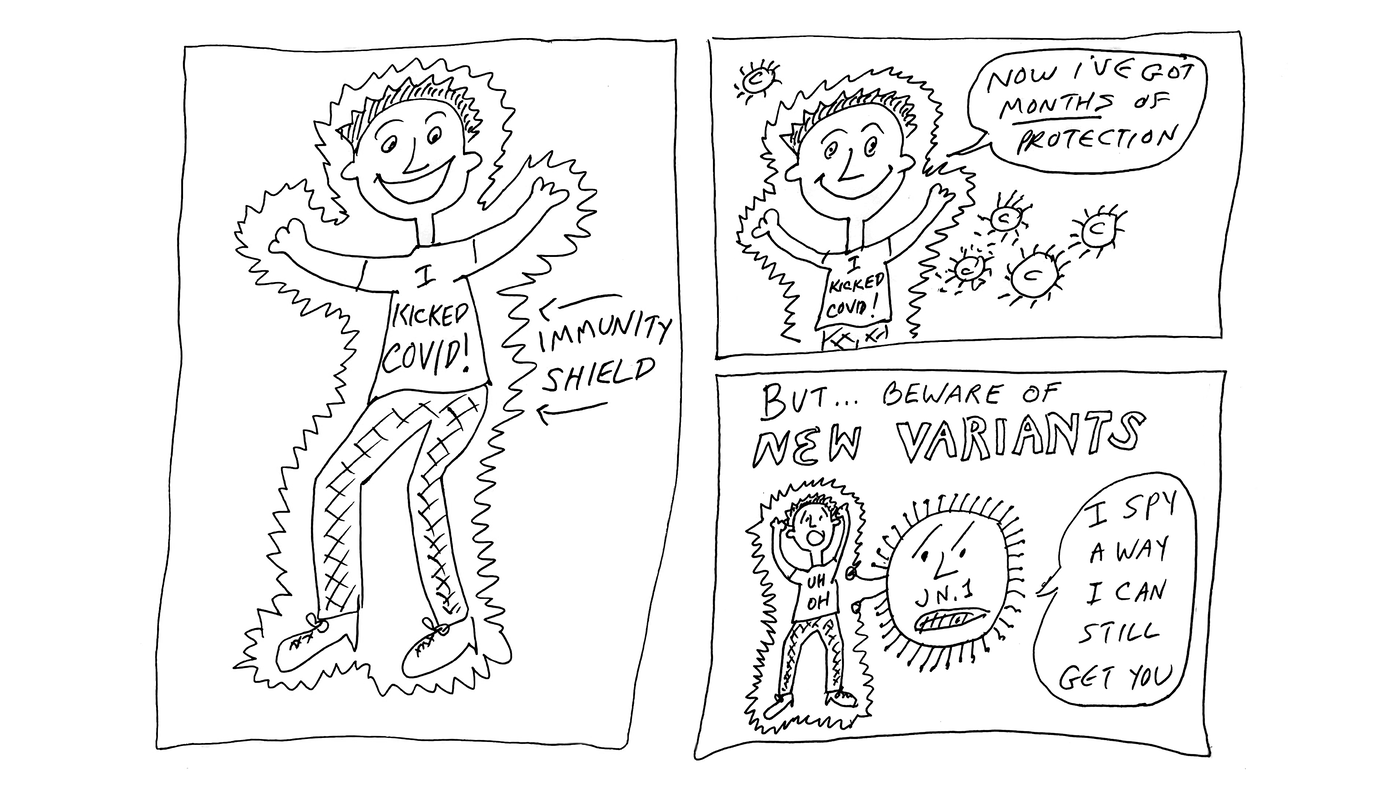
Post-COVID immunity may last several months, but its duration can be influenced by variants and the severity of the initial infection. Antigen tests may not accurately detect COVID in the early stages of illness, and CDC guidelines recommend isolating for at least five days after testing positive. Experts suggest getting boosted every six months to maintain immunity, regardless of circulating variants, and emphasize the potential benefits in preventing severe symptoms and long COVID.
Florida Gov. Ron DeSantis claimed that getting COVID-19 boosters makes individuals more likely to get infected, but experts disagree, stating that there is no hard evidence to support this claim. Studies on infection rates are difficult due to biases in participant selection and testing, and vaccines may not protect against all strains of the virus. Experts emphasize that boosters have been shown to be most effective against severe disease and reduce COVID-19 hospitalizations, but there is no evidence to suggest that they increase the risk of infection.
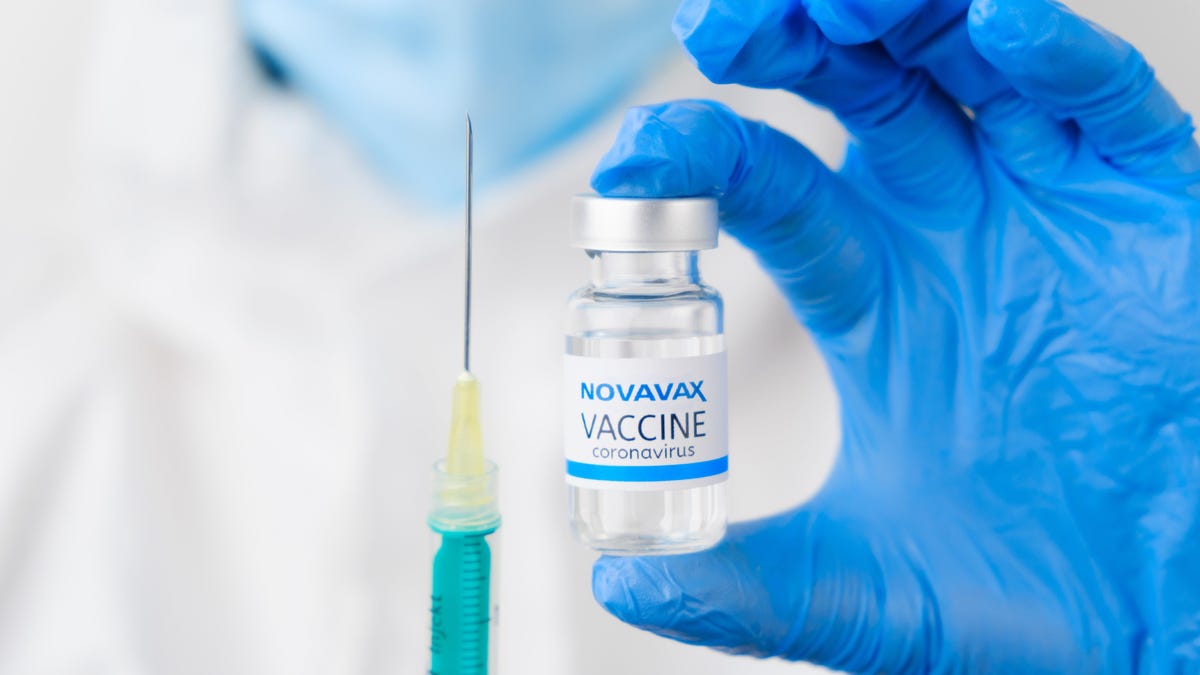
Novavax, the fourth COVID-19 vaccine option in the U.S., has been authorized for use as a primary vaccine series since early 2022 and recently as a booster for anyone ages 12 or older. It is a protein/adjuvant vaccine that includes a fully formed spike protein, unlike mRNA vaccines. Studies suggest that Novavax has comparable efficacy to Moderna and Pfizer vaccines, with around 55% effectiveness against symptoms and 28% effectiveness against infection during the Omicron wave. Mixing Novavax with mRNA vaccines may provide more durable protection, but further studies are needed. Novavax may have fewer side effects, but conclusive evidence is lacking. To get Novavax, individuals can check vaccines.gov or visit large pharmacy chains like Costco and CVS.
The article discusses the challenges faced in finding COVID-19 booster shots, highlighting the limited availability and difficulties in accessing them.
Despite the availability of Covid-19 booster shots, many individuals who want them are struggling to access them. Issues such as limited supply, distribution challenges, and confusion over eligibility criteria have hindered the efficient delivery of boosters to those who desire them. This highlights the need for improved coordination and communication in order to ensure that individuals who want boosters can easily obtain them.
As colder temperatures approach, Iowans are preparing for the fall respiratory viral season by getting vaccinated against COVID-19, influenza, and respiratory syncytial virus (RSV). COVID-19 booster shots are recommended for virtually all Americans, with Pfizer and Moderna vaccines targeting the omicron subvariant. RSV vaccines have been approved for adults aged 60 and older, pregnant women, and infants. Flu shots are also recommended for everyone aged 6 months and older. Individuals can receive their COVID and influenza vaccines together, but separate appointments may be needed for the RSV vaccine.
A panel of University of Utah Health experts provided an update on the latest developments in the fight against COVID-19, discussing the new COVID-19 vaccine and the emergence of three subvariants of omicron. The new vaccine has been found to be successful in neutralizing the virus and is projected to be available next week. Despite rising cases, hospitalizations are primarily among individuals who are not fully vaccinated. The panel emphasized the importance of vaccination in reducing community spread and announced that an RSV vaccine is also on its way, targeted for newborns and individuals over 60.
Confusing messaging and poor communication about COVID-19 have made it difficult to know the best practices for masking and vaccines. The CDC recommends that everyone 6 months and older get an updated COVID-19 vaccine to protect against circulating variants. Boosters are particularly important for high-risk groups, but everyone could benefit from an immunity boost. Masking is recommended for up to 10 days after exposure to COVID-19, and personal risk assessment should be considered. Social distancing and isolating are still recommended, with specific guidelines for those who have COVID-19 or have been in contact with someone who does. It is important to follow reliable sources of information and consult with healthcare providers for individualized advice.
California is experiencing an increase in COVID-19 cases, with rising test positivity rates and hospitalizations. While population immunity remains high, public health experts recommend taking precautions such as vaccination, masking, and isolation. The confusion around vaccination continues, with the Centers for Disease Control and Prevention advising individuals aged 6 and older to have at least one bivalent Moderna or Pfizer shot to be considered fully vaccinated. The FDA is expected to approve a third version of the vaccine, but vulnerable individuals may not want to wait and can still benefit from the bivalent shot. Schools in California no longer require COVID vaccinations, but staying up-to-date on shots and boosters is strongly recommended.
A new highly-mutated variant of the Omicron variant, unofficially called "Pirola," is spreading rapidly across the United States, causing concern among public health experts. The variant has over 30 mutations to its spike protein, making it more infectious. In addition, a separate mini-wave of Covid cases is being fueled by the EG.5 variant, causing a 39% increase in hospitalizations since July. Updated Covid vaccines, including boosters, are expected to be available this month, and the CDC recommends staying up to date with vaccinations to reduce the risk of severe symptoms.