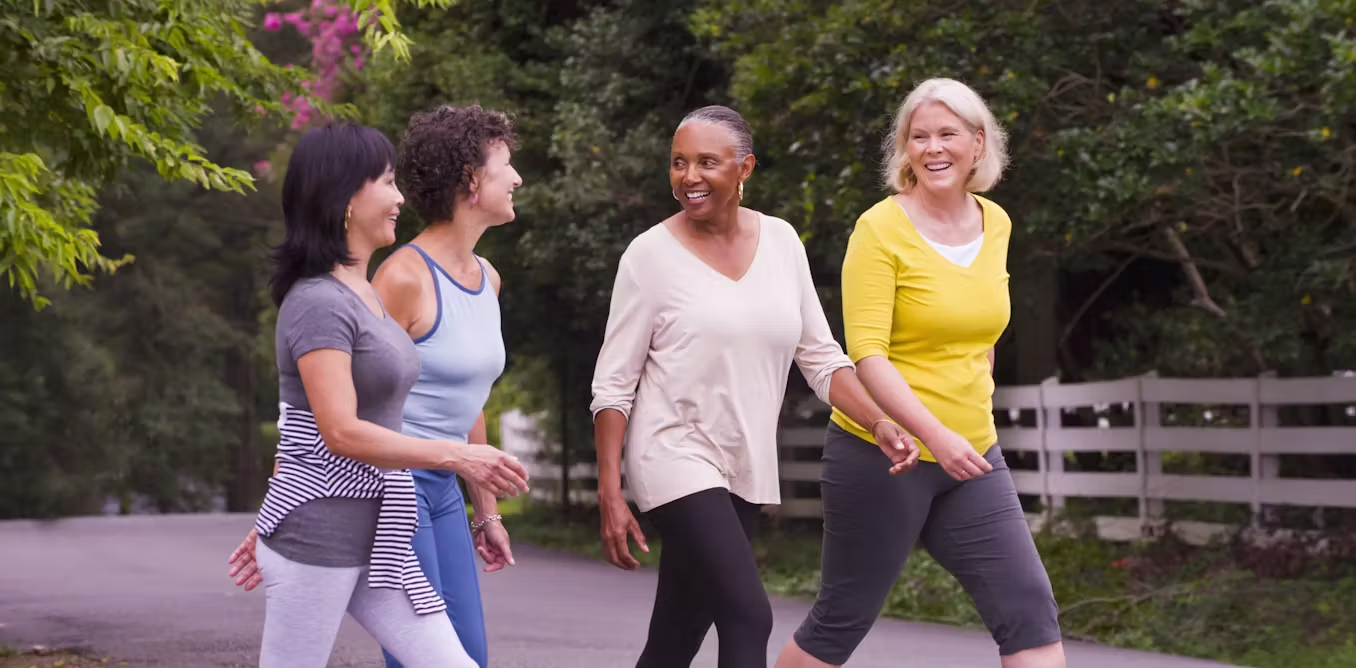
The article emphasizes the importance of regular physical activity for brain health, highlighting how exercise improves cognitive functions, supports neuron growth, and reduces the risk of dementia, with walking and enjoyable activities being highly recommended.

Boiling orange peels with cinnamon releases bioactive compounds with antimicrobial, antioxidant, and potential cognitive benefits, suggesting a natural, low-cost way to improve indoor air quality and support health, though more research is needed for definitive health claims.
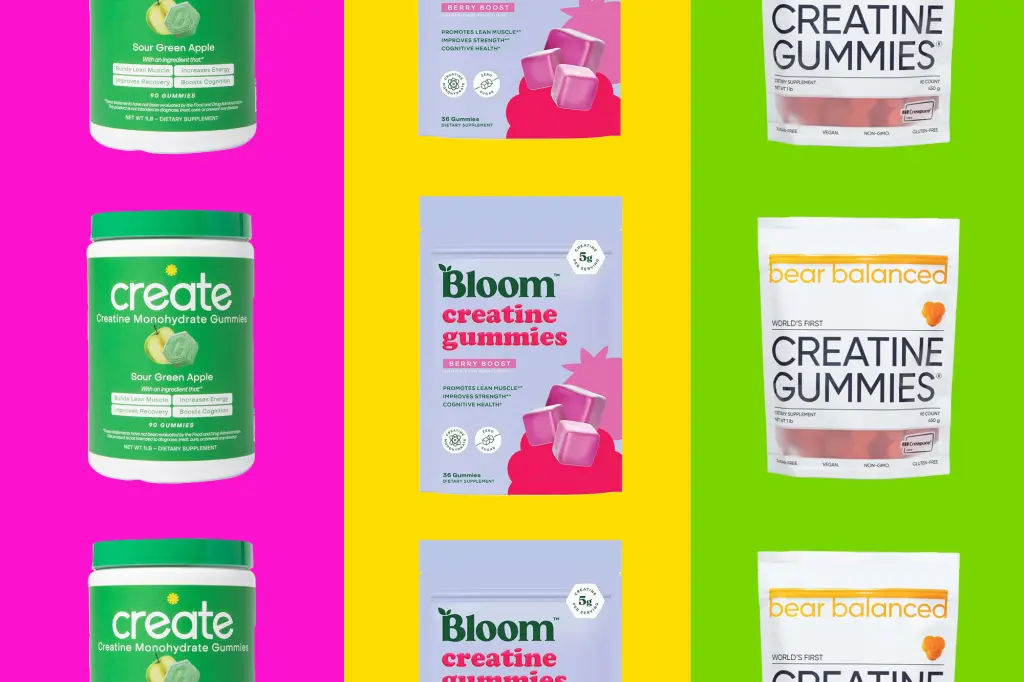
Creatine, traditionally used by athletes, is now gaining popularity among a broader audience for its physical and cognitive benefits. It comes in various forms, including gummies, which are convenient and tasty. The article reviews top creatine gummies, emphasizing purity, absorption, and quality, with options like Bloom, Create, EcoWise, and others, suitable for different needs such as muscle gain, cognitive support, or convenience. Experts recommend choosing high-quality, third-party tested products and using them with adequate hydration for best results.
Walking outdoors for just 15-20 minutes can significantly improve attention span and cognitive function, even in less enjoyable conditions, by engaging involuntary attention and providing restorative natural stimulation, according to environmental neuroscientist Marc G. Berman.
The article discusses how new technology is helping older Americans maintain and improve their brain health, contrasting with the negative effects of digital overuse among teenagers.
A large two-year study found that a combination of exercise, healthy diet, socializing, and cognitive training can improve cognitive performance in people at risk for dementia, with structured programs showing slightly more benefit than self-guided efforts, though questions remain about the extent and practicality of such interventions.
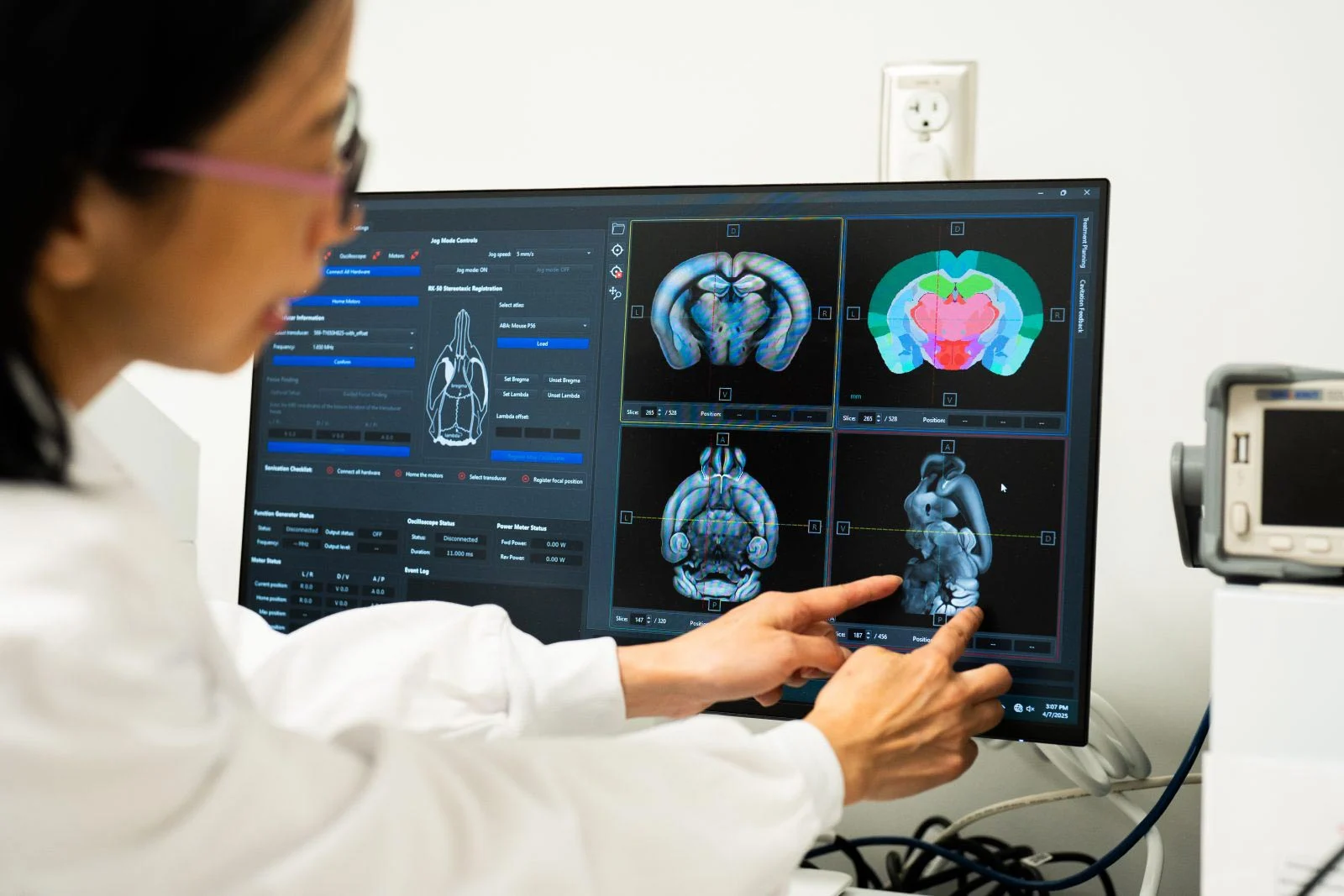
Virginia Tech researchers are developing a focused ultrasound technique to deliver creatine directly to the brain, aiming to improve cognitive functions and treat creatine deficiencies that impair brain development, by bypassing the blood-brain barrier.
Originally Published 6 months ago — by Boing Boing
New research suggests that low-dose cannabis use in seniors over 65 can improve working memory and brain connectivity, potentially by reducing inflammation and stimulating cannabinoid receptors, contrasting with its effects on younger individuals.
A study shows that children experience greater improvements in attention, memory, and thinking speed after outdoor physical activity compared to indoor exercise, suggesting that combining exercise with nature offers unique cognitive benefits beyond physical effort alone.
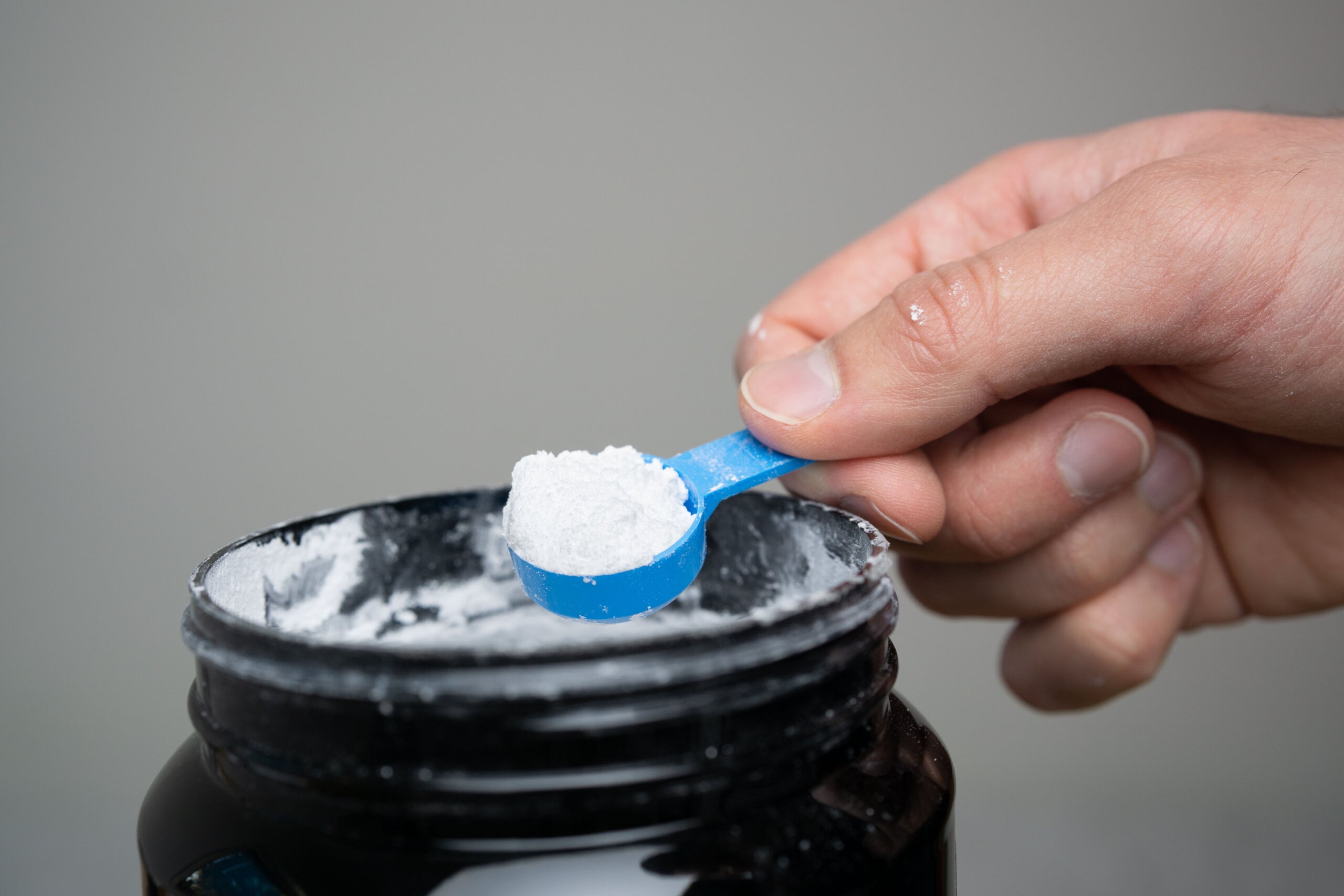
Emerging research suggests that creatine, commonly used for athletic performance, may also enhance brain function by improving memory, attention, and protecting against cognitive decline, especially in older adults, through increased energy production and neuroprotective mechanisms.
Creatine, a popular supplement traditionally used for muscle building, is gaining popularity outside gyms due to emerging studies suggesting cognitive benefits and potential health advantages, with sales expected to surpass $4 billion by the end of the decade. It is generally safe for healthy individuals, but consulting a doctor for proper dosage is recommended.
The article discusses the author's experience with lucid dreaming, facilitated by the app Awoken, which combines daytime training with nighttime sensory cues to enhance dream awareness and control. Lucid dreaming, where the dreamer is aware and can sometimes control the dream, is linked to cognitive benefits like improved self-awareness and mental health. Techniques such as reality checks and dream journaling are recommended to achieve lucidity. While apps like Awoken don't directly cause lucid dreams, they support the process by providing reminders and cues to enhance dream awareness.
New research indicates that even light exercise can lead to significant improvements in cognitive function, highlighting the mental health benefits of regular physical activity.
Creatine, a naturally occurring amino acid, is gaining popularity beyond gym enthusiasts for its benefits in muscle strength, body composition, and cognitive health. Dietitians recommend various high-quality creatine supplements, emphasizing the importance of third-party testing and choosing creatine monohydrate for its proven efficacy. Options include powders and capsules, with brands like NOW, Thorne, and Nutricost offering top picks. Creatine is beneficial for athletes, older adults, and women, particularly during menopause, and is generally safe with minimal side effects.
Research suggests that bilingualism may offer cognitive benefits in later life, potentially delaying the onset of conditions like Alzheimer's disease. However, the benefits seem to be more pronounced for those who have used multiple languages in their daily life since early adulthood, rather than for those who casually learn a new language later on. Bilingualism is believed to keep the brain constantly engaged, providing cognitive advantages that may not be obtained from other enriching experiences.