Scientists at the University of Technology Sydney have demonstrated, through detailed modeling, that sending quantum signals from Earth to satellites is feasible, paving the way for unhackable quantum networks, despite previous assumptions that such uplinks were impossible due to stability challenges.
Scientists from the University of Technology Sydney have demonstrated that quantum signals can be transmitted from Earth to satellites, a breakthrough that could enable global quantum networks by allowing more powerful and practical uplink communication, previously thought impossible.
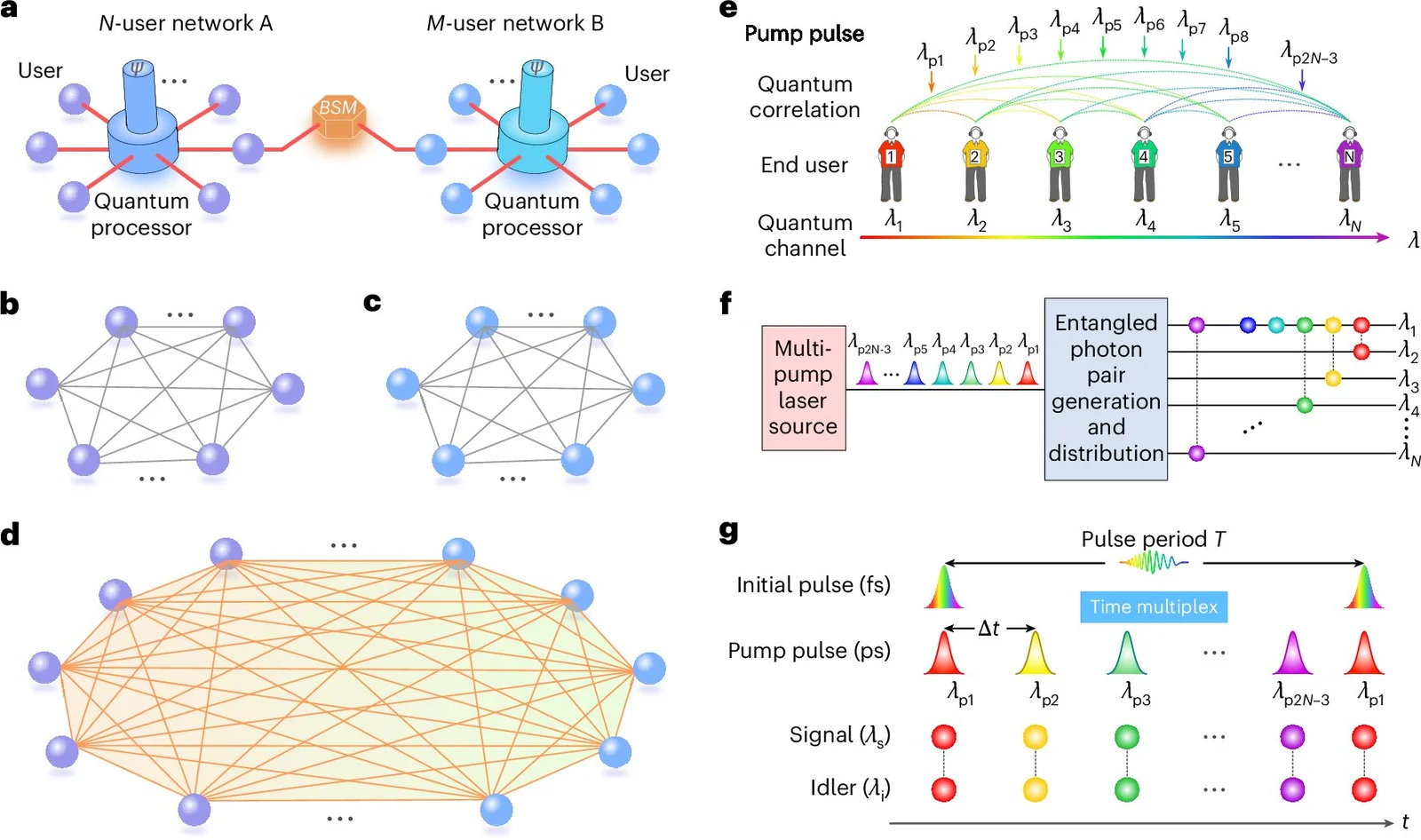
Researchers at Shanghai Jiao Tong University successfully fused two independent quantum networks with 18 users using multi-user entanglement swapping, marking a significant step toward a global quantum internet, though challenges like quantum repeaters remain for larger-scale implementation.
In 2024, researchers successfully teleported a quantum state of light over 30 kilometers of fiber optic cable amid internet traffic, marking a significant step toward integrating quantum communication with existing internet infrastructure, enabling secure and advanced quantum networks.
Researchers at the University of Arizona have achieved a breakthrough by capturing quantum uncertainty in real time using ultrafast squeezed light, which could revolutionize secure communication, quantum sensing, and various scientific applications by enabling more precise measurements and enhanced data security.
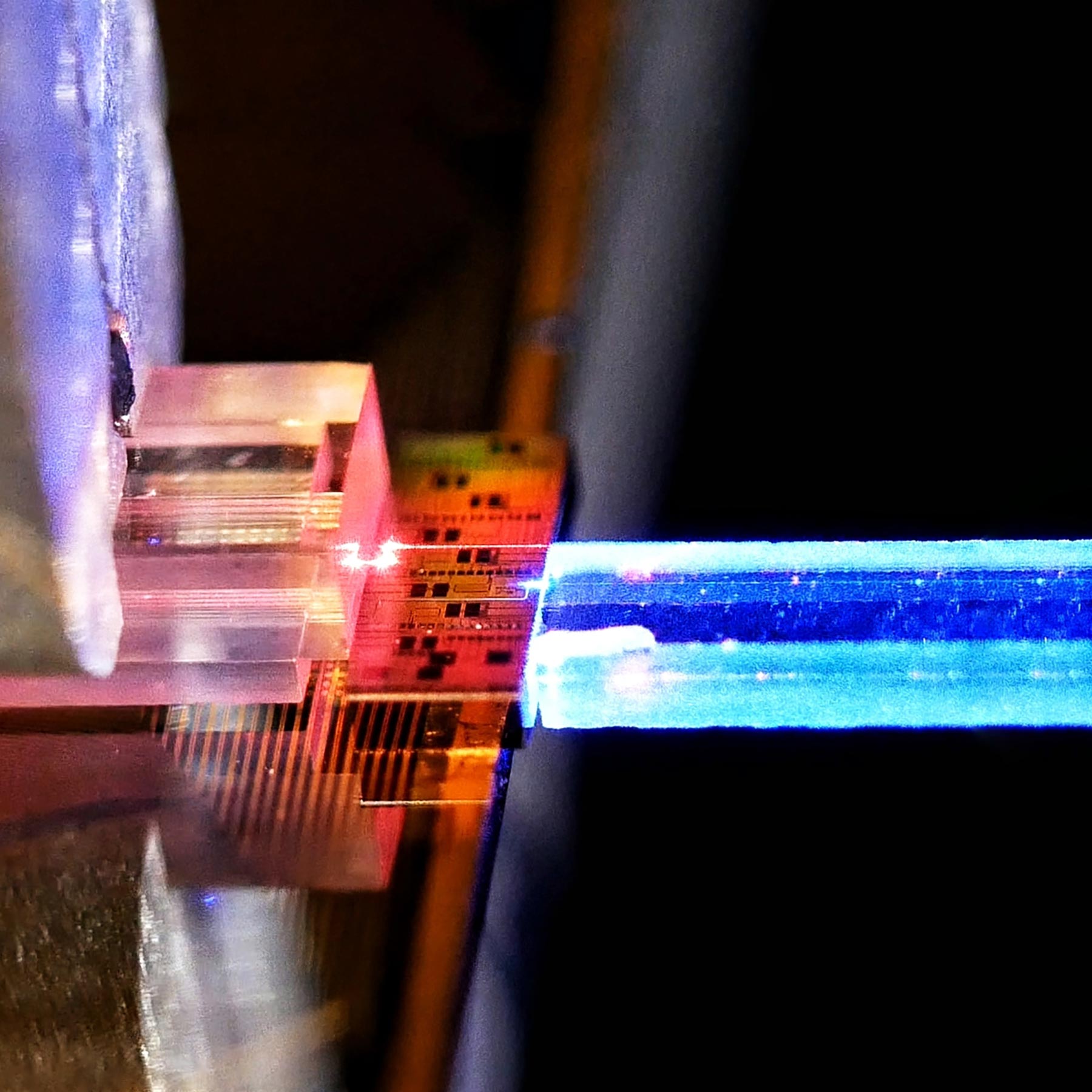
Researchers at the University of Rochester and RIT have developed the Rochester Quantum Network (RoQNET), an 11-mile-long quantum communication system using photons transmitted over fiber-optic cables, which could enhance secure communications and enable new quantum technologies. The system leverages integrated photonic chips and aims to connect various research facilities, advancing scalable and cost-effective quantum networking.
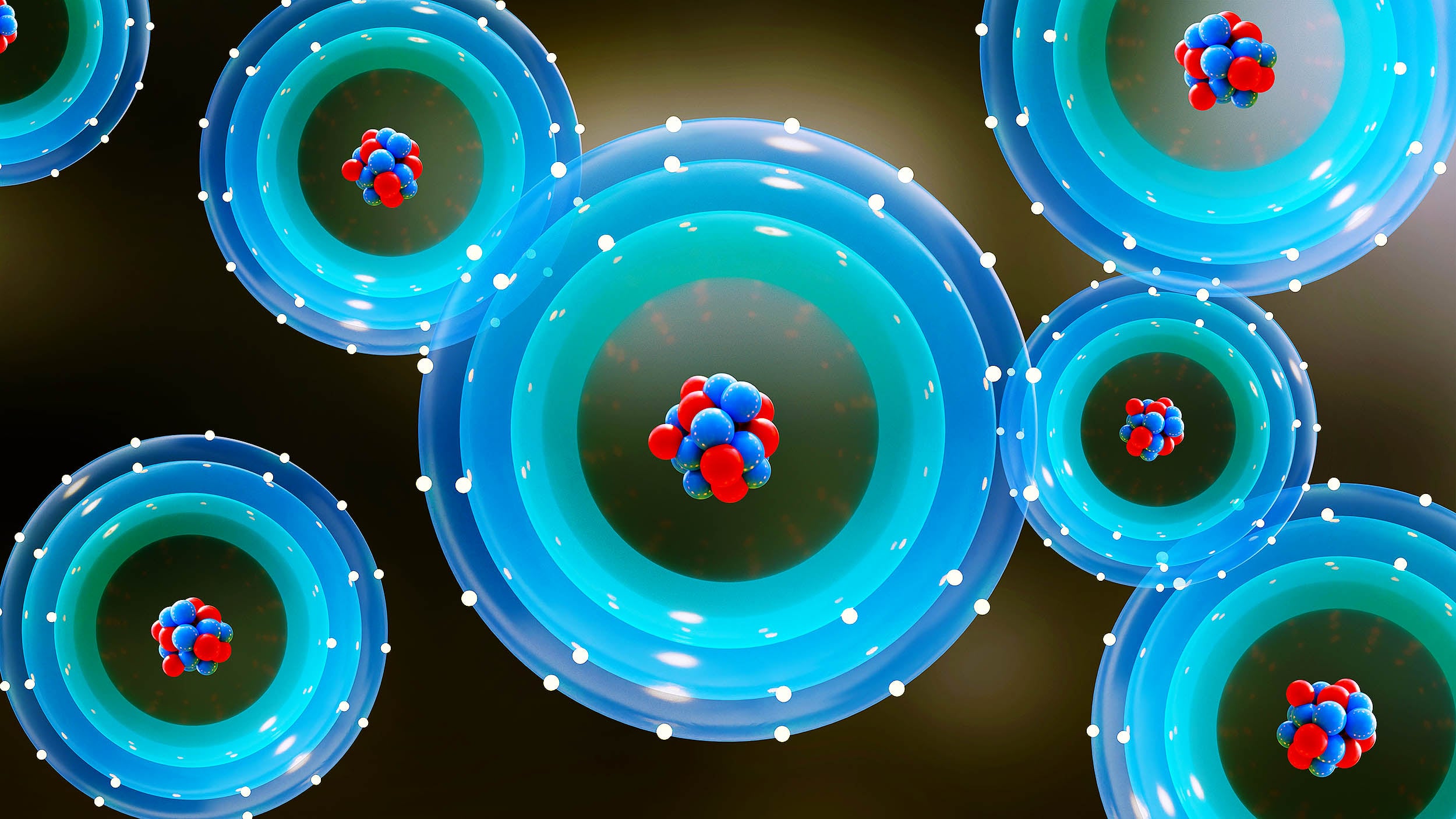
Physicists have entangled 13,000 nuclear spins in gallium arsenide quantum dots to create a stable 'dark state' for quantum information storage, advancing quantum network nodes and communication technology. This collective entanglement improves data retention and resistance to noise, paving the way for scalable quantum devices and long-distance quantum communication. The research highlights the potential of many-body physics in developing reliable quantum systems.
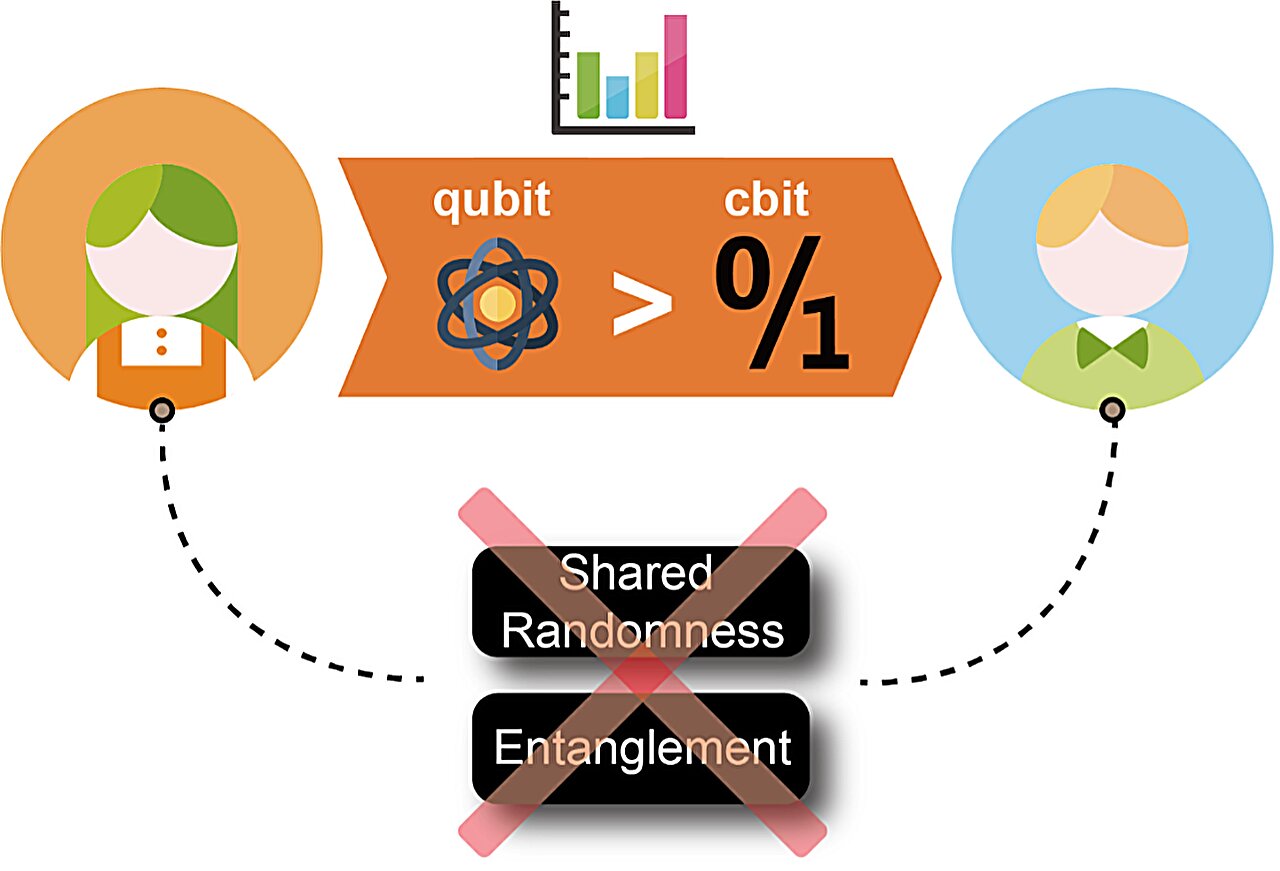
Researchers at Henan Key Laboratory of Quantum Information and Cryptography and the S. N. Bose National Center for Basic Sciences have demonstrated that a single qubit can outperform a classical bit in a data storage task without shared randomness, using a photonic quantum processor. This experiment challenges existing no-go theorems and suggests potential advancements in quantum technologies for data storage and communication. The study could lead to further exploration of quantum systems' scalability and effectiveness, with implications for quantum networks and cryptography.
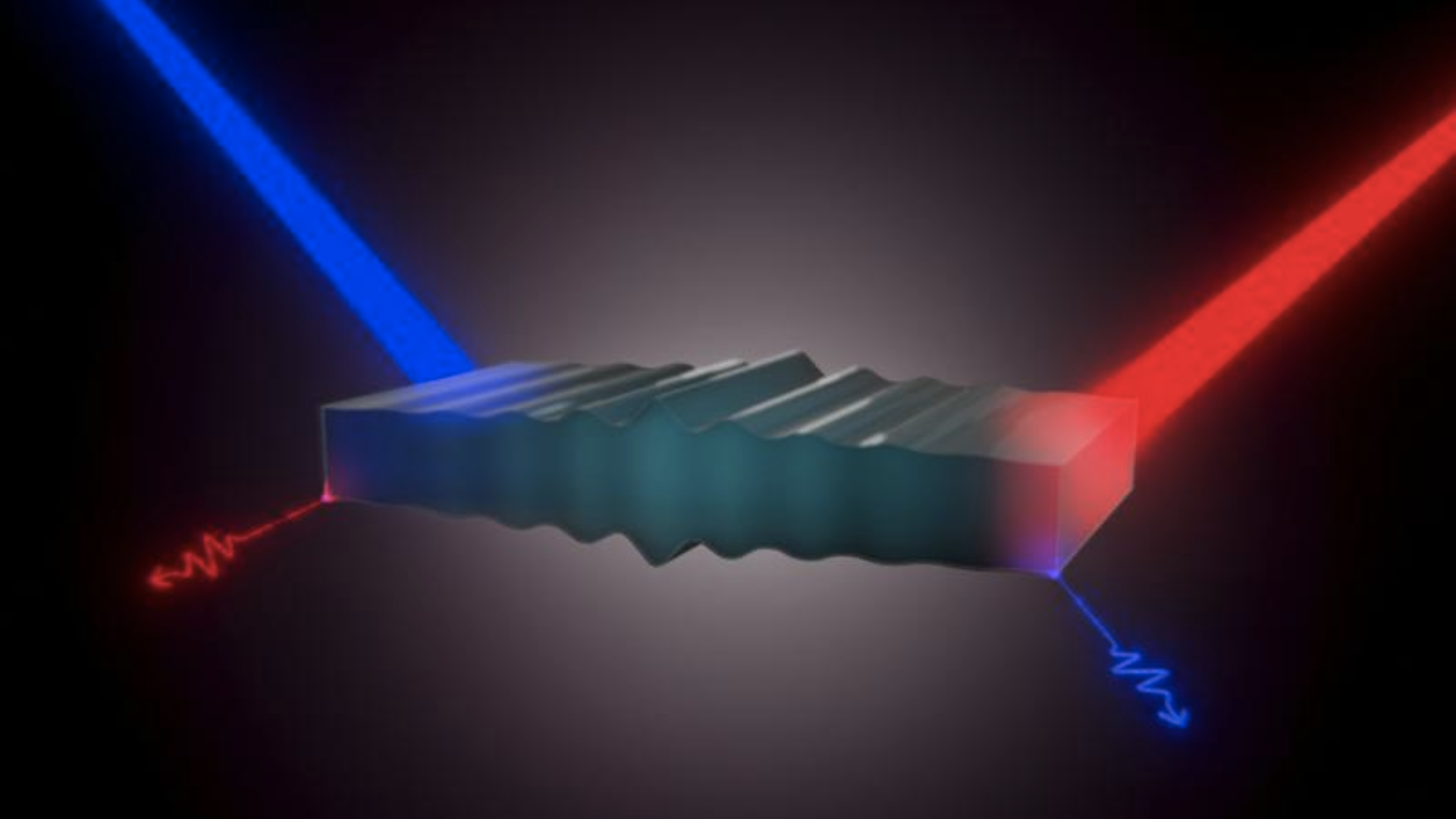
Researchers at the Max-Planck-Institute for the Science of Light have developed a method to entangle optical photons with phonons, representing a significant advancement in quantum entanglement. This hybrid entanglement, achieved through Brillouin scattering, allows for stable connections between light and sound particles, even at higher temperatures, and could enhance quantum communication and computing. The study, published in Physical Review Letters, highlights the potential of this technique in various quantum applications.
Researchers at Princeton University have developed a new method for connecting distant quantum devices, a significant advancement for quantum communication networks. The technology uses telecom band light to efficiently transmit signals with minimal losses through optical fiber, overcoming a major obstacle in establishing resilient quantum communication networks. The study, published in Nature, details the innovative approach to constructing quantum repeaters, which involves using erbium ions emitting light at an optimal infrared wavelength. While this achievement represents a crucial milestone, further work is needed to enhance the storage duration of quantum states in the erbium ion’s spin, highlighting the ongoing pursuit of improvement in the dynamic quantum computing landscape.
Researchers at the University of Waterloo's Institute for Quantum Computing have successfully produced nearly perfect entangled photon pairs from quantum dot sources, a crucial advancement for secure quantum communication. By combining entanglement with quantum dots, the team achieved both a high degree of entanglement and high efficiency, paving the way for applications such as quantum key distribution and quantum repeaters. The new quantum dot entanglement source holds significant promise for the future of secure quantum communications on a global scale.
Scientists propose the concept of "virtual quantum broadcasting," which circumvents the no-cloning theorem and enables the creation of correlated copies of quantum states over time. This virtual broadcasting map offers new possibilities for quantum information processing by establishing correlations between different instances of a quantum state, allowing for the transmission of information without violating the principles of quantum mechanics. The research has significant implications for quantum computing, quantum information, and quantum cryptography, potentially enhancing security measures in quantum communication and revealing hidden structures behind quantum information technologies.
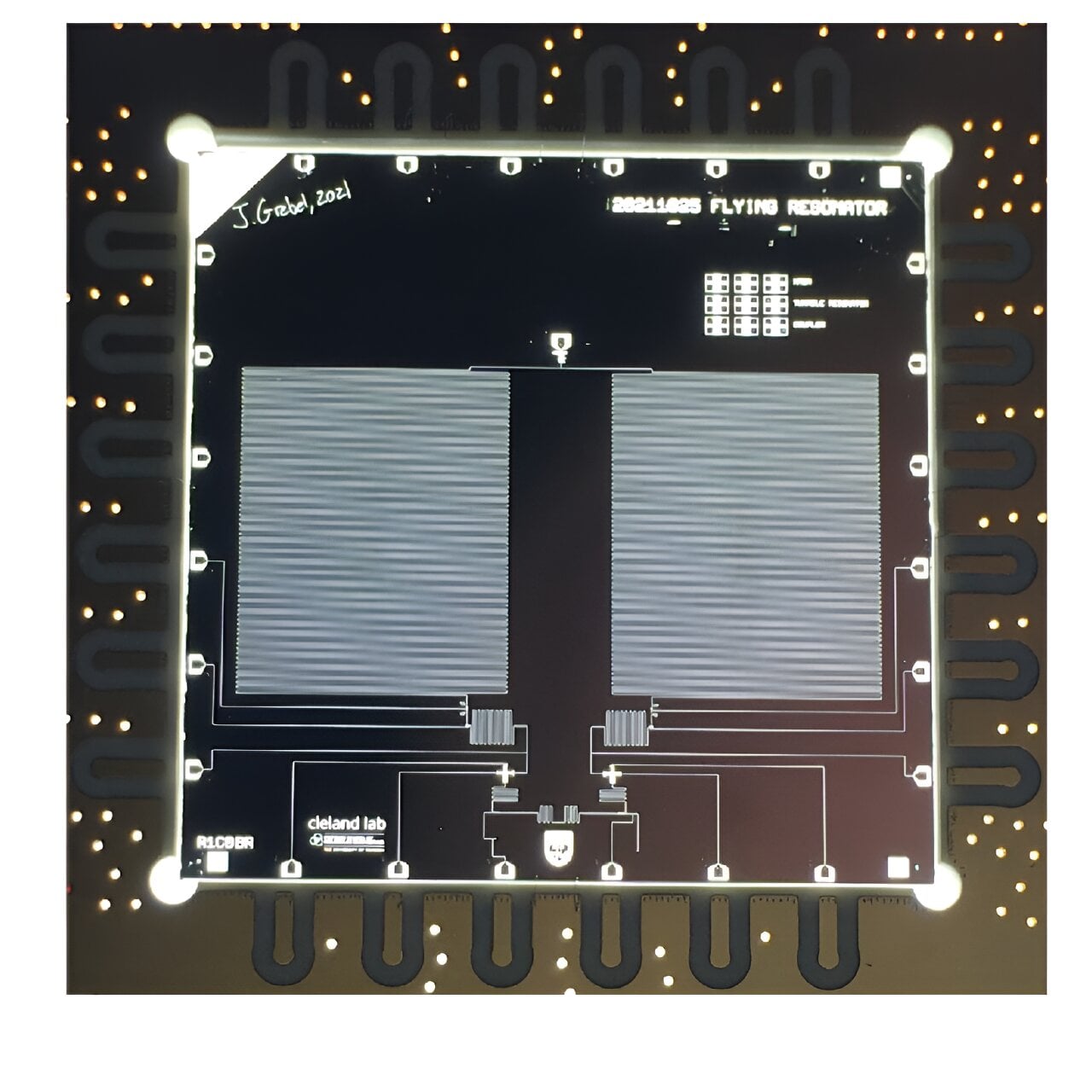
Researchers at the University of Chicago have demonstrated bidirectional multiphoton communication between remote superconducting nodes, using a new quantum communication testbed with resonators and superconducting qubits. Their study, published in Physical Review Letters, showcases the transmission of complex quantum states representing multiple qubits at the same time, paving the way for efficient communication of more complex quantum states than single photons between two nodes. This advancement could lead to distributed computing, coded quantum information transmission, and further exploration of multi-node communication channels.
Scientists at Heriot-Watt University have discovered a new method to program optical circuits using the natural scattering behavior of light inside hair-thin optical fibers, which are commonly used for internet data transmission. This breakthrough could lead to advancements in quantum technologies, such as unhackable communication networks and ultrafast quantum computers, by enabling precise engineering of optical circuits critical for processing vast amounts of data and manipulating quantum entanglement. The research, published in Nature Physics, demonstrates the potential for harnessing the power of light to unlock massive processing power and revolutionize computing technology.
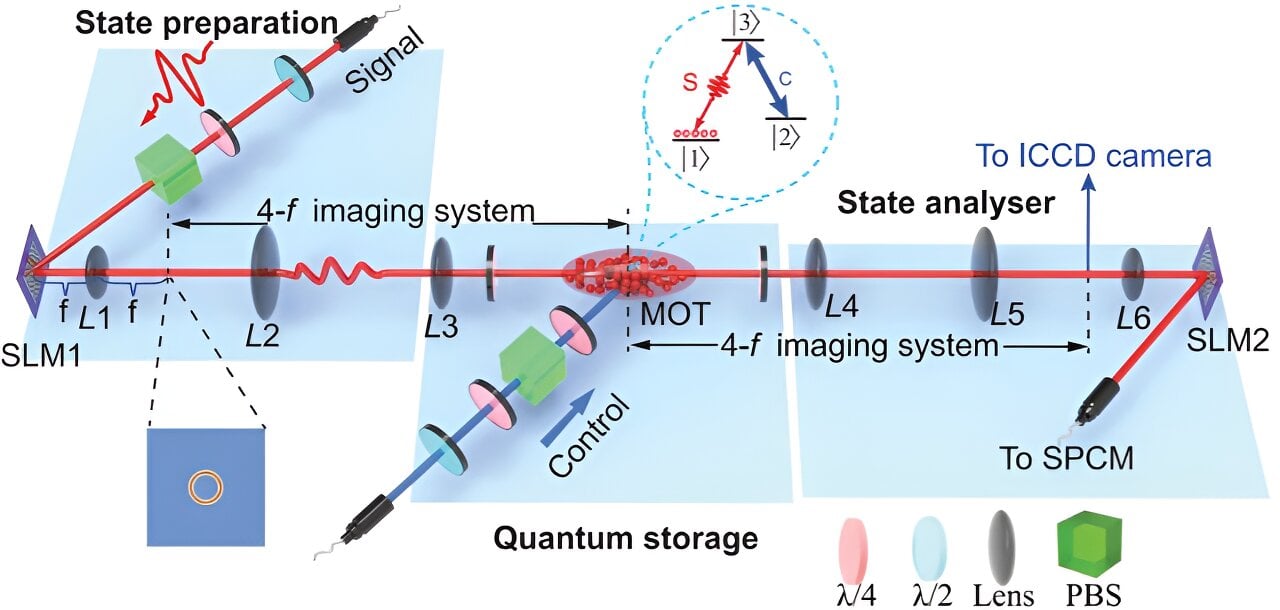
Researchers have introduced a new approach to achieve highly efficient 25-dimensional quantum memories based on cold atoms, enabling the storage of high-dimensional information in a medium. By leveraging the mode-independent interaction between light and matter associated with a spatial pattern known as the perfect vortex optical field, the team's quantum system encodes high-dimensional information on signal photons, extending the storage dimension from two to 25. This advancement not only expands memory capacity and increases the transmittable capacity of quantum communication but also has potential implications for fault-tolerant quantum computing. The approach holds promise for creating various high-dimensional quantum memories and could facilitate the realization of other quantum technologies, such as high-dimensional quantum repeaters.