A loud boom heard in parts of New Jersey and New York City was likely caused by a meteor fireball flying about 49 miles above Upper Bay near Jersey City, traveling at 34,000 miles per hour, and disintegrating 29 miles above Midtown Manhattan. NASA's Meteoroid Environments Office confirmed the event, while the US Geological Survey found no evidence of an earthquake. No meteorites were produced, and there were no reported impacts to the city.
A meteor exploded over Manhattan after flying over the Statue of Liberty at a speed 58 times faster than a Boeing 737, causing loud booms heard in New York and New Jersey. NASA and other authorities are uncertain if the booms were caused by the meteor or military activity, but no damage or injuries were reported. Despite the dramatic event, many New Yorkers remained unfazed.
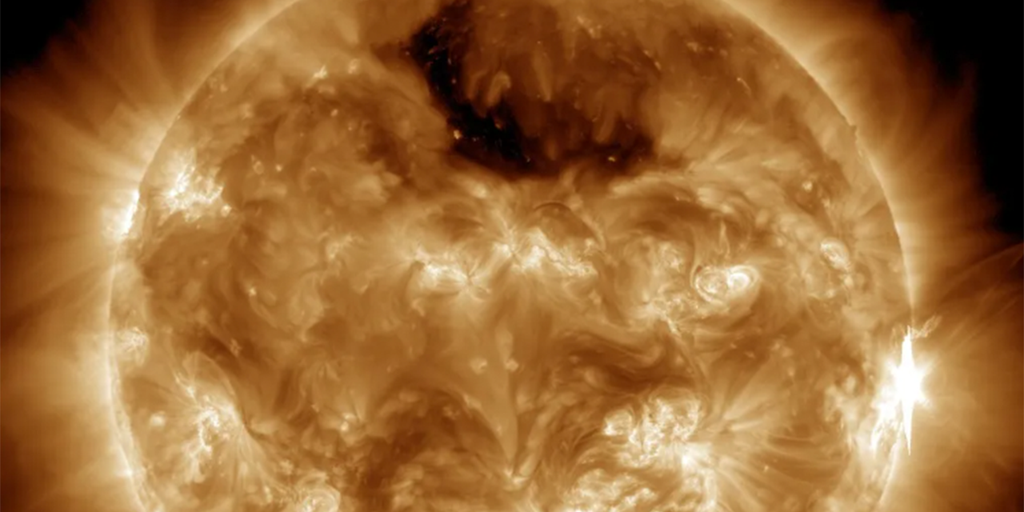
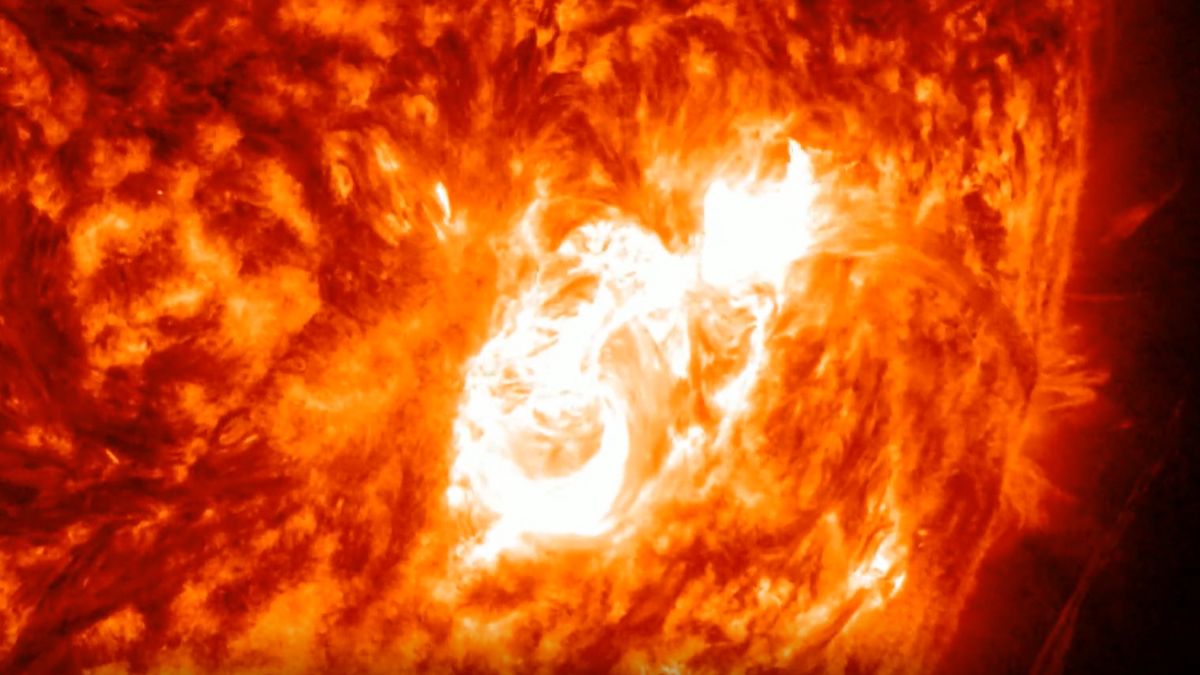
Multiple sunspot regions on the Sun are currently active, producing strong solar flares that have caused radio blackouts on Earth. NOAA's space weather forecasters are monitoring these regions closely as the Sun approaches its Solar Maximum. The new GOES-19 satellite, set to be operational by spring 2025, will enhance solar storm forecasting capabilities.
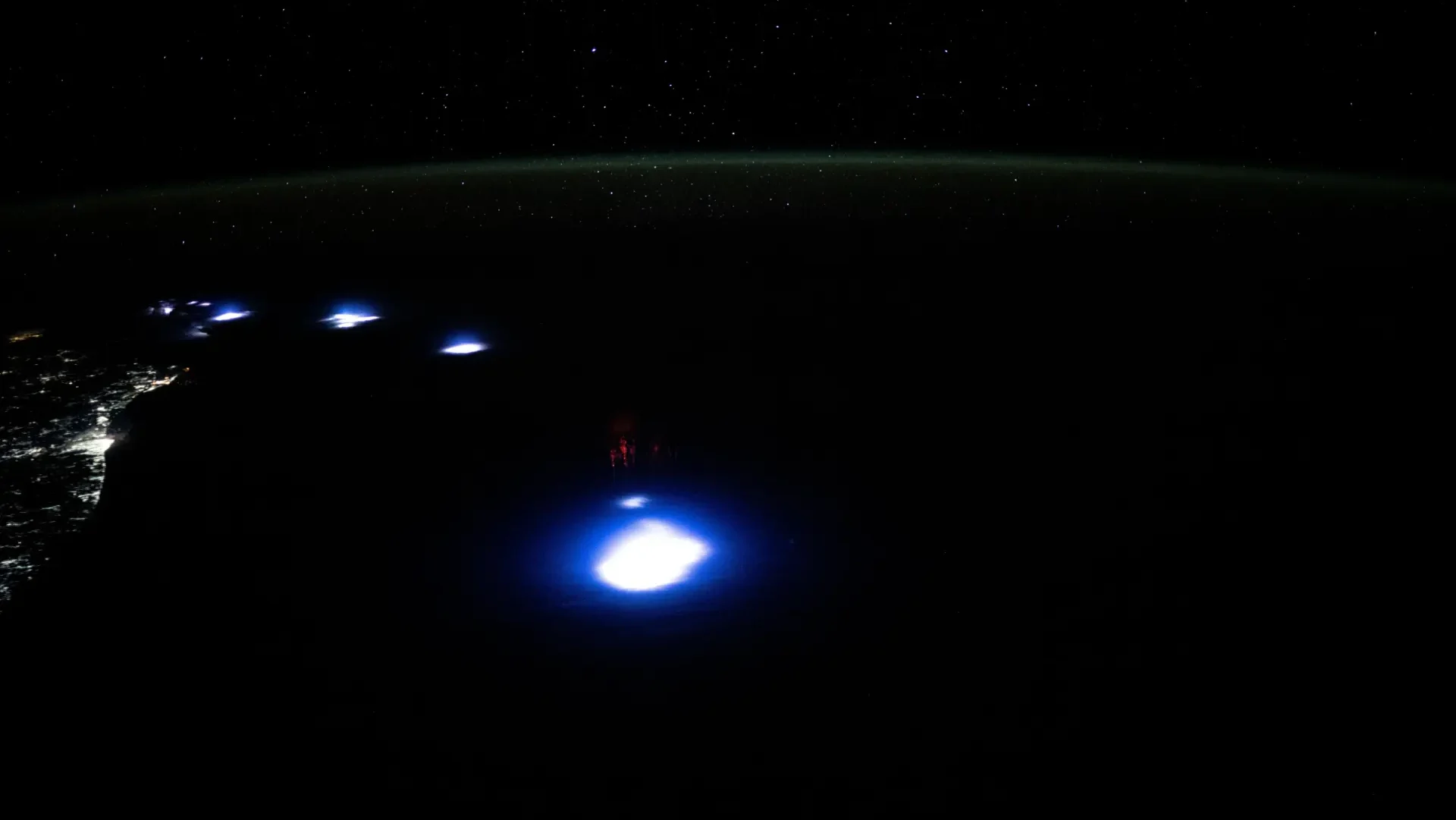
NASA astronaut Matthew Dominick captured a photo of glowing blue orbs, known as red sprites, from the International Space Station. These orbs, caused by thunderstorms off the coast of South Africa, are a rare atmospheric phenomenon that appear above storms due to lightning. The photo, taken on June 3, offers a rare glimpse of these high-altitude lightning events, which are difficult to capture from Earth. NASA encourages citizen scientists to contribute their own photos of sprites to the Spritacular database for research purposes.
A powerful X-class solar flare erupted from sunspot AR3738 on July 13, 2024, causing shortwave radio blackouts across Australia, Southeast Asia, and Japan. Despite the flare's intensity, it did not produce a coronal mass ejection, meaning no significant geomagnetic activity is expected.
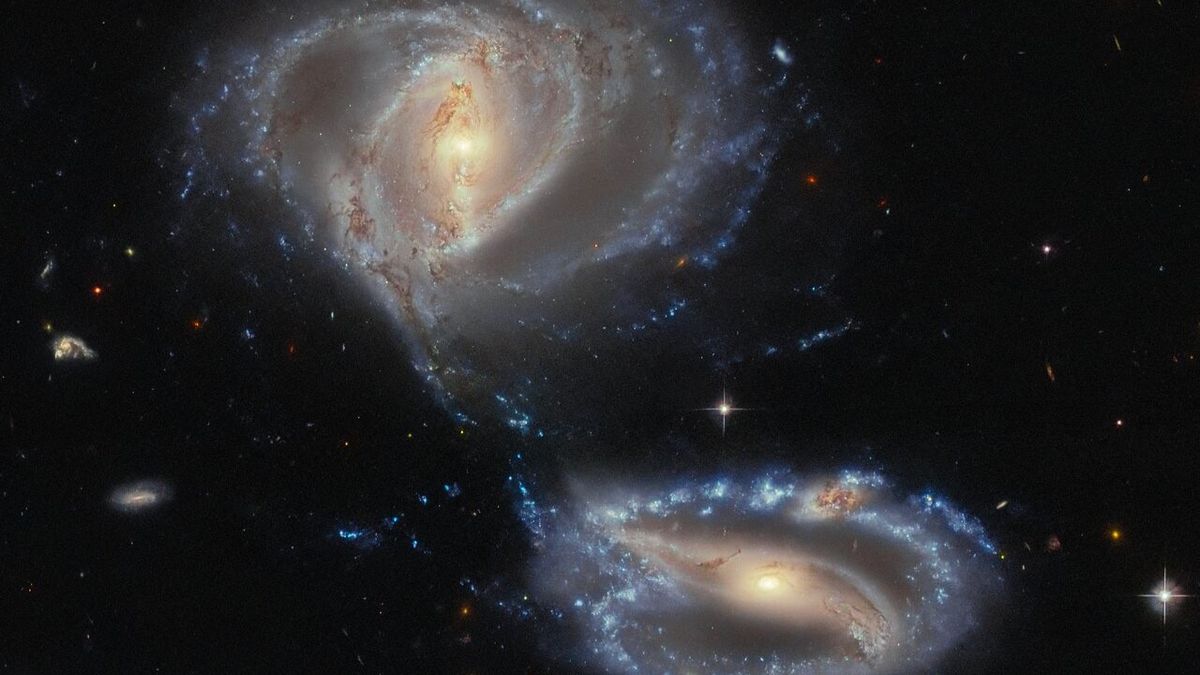
While the initial process of galaxy formation from protogalaxies and dark matter seeds is over, new galaxies are still appearing today through ongoing star formation and mergers of existing material. However, the rate of new galaxy formation is slowing due to the accelerating expansion of the universe driven by dark energy.
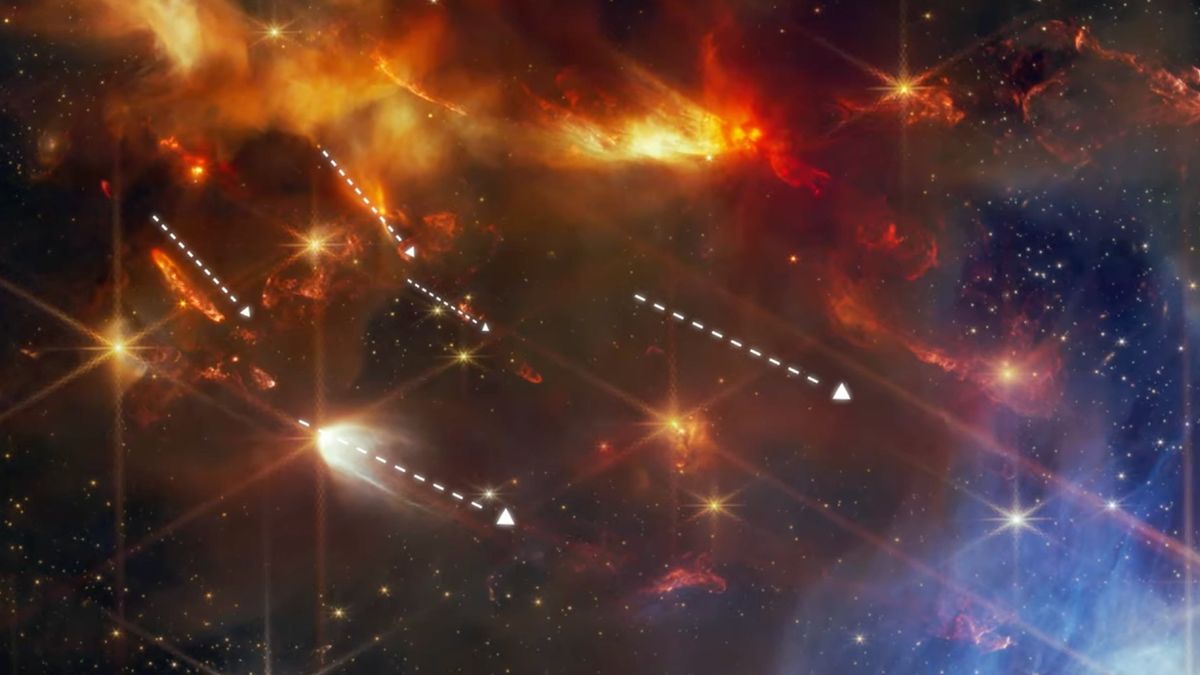
The James Webb Space Telescope has captured images of a dozen newborn stars in the Serpens Main nebula emitting gas jets in the same direction, a phenomenon never seen before. This discovery could provide new insights into star formation and the role of magnetic fields in aligning these jets. Further studies are planned to understand the chemical composition of the star-forming region.
NASA confirmed that the burned debris found in Western North Carolina is from a SpaceX spacecraft, bringing relief to Mike Wooten, who discovered the debris in his yard. Wooten expressed his amazement at the rarity of such an event and hopes it will increase space awareness. He is willing to return the debris to NASA or SpaceX for research purposes.
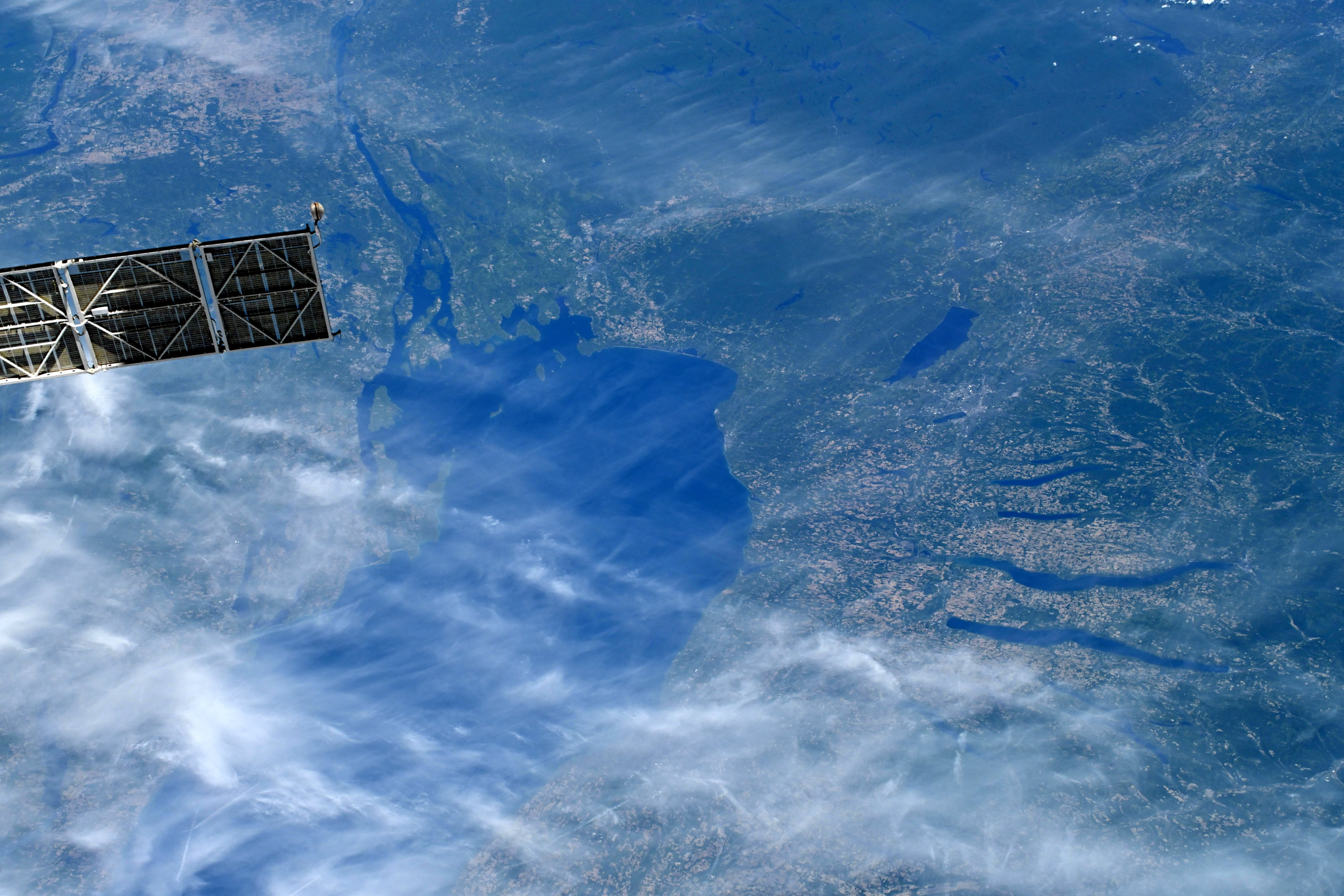
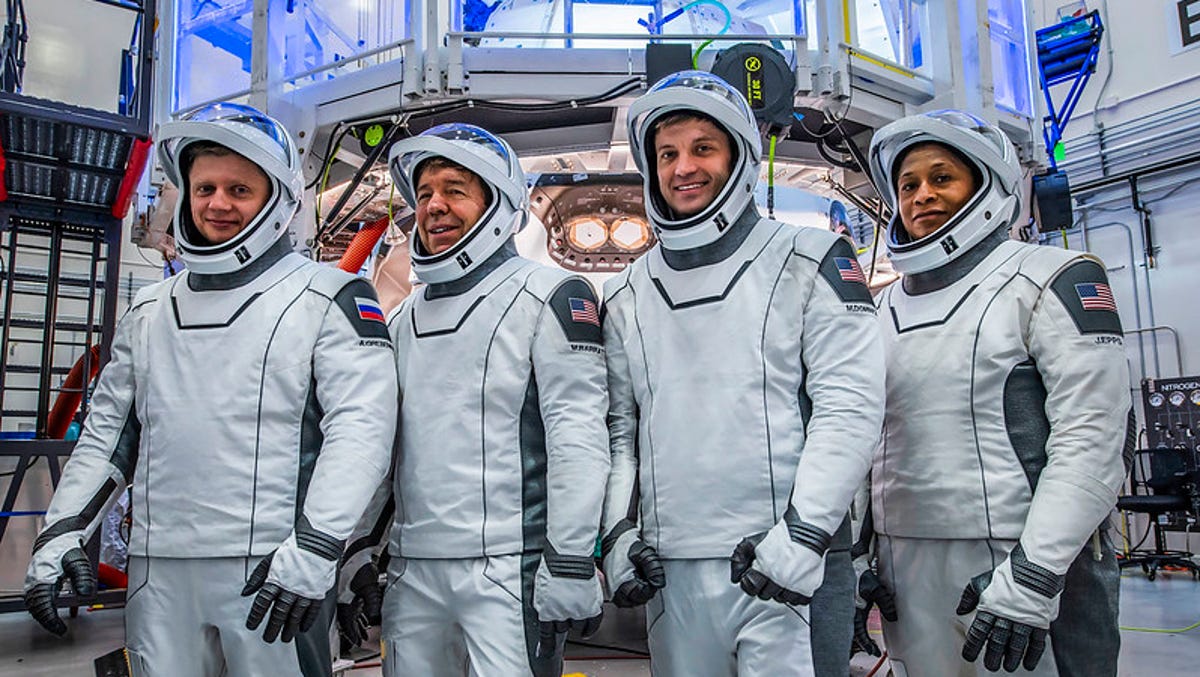
NASA astronaut Jeanette Epps, a Syracuse native, captured a stunning photo of the Finger Lakes region from the International Space Station, showcasing Syracuse, Rochester, Lake Ontario, and northern New York State. Epps is part of the NASA SpaceX Crew-8 Mission, which is conducting over 200 scientific experiments.
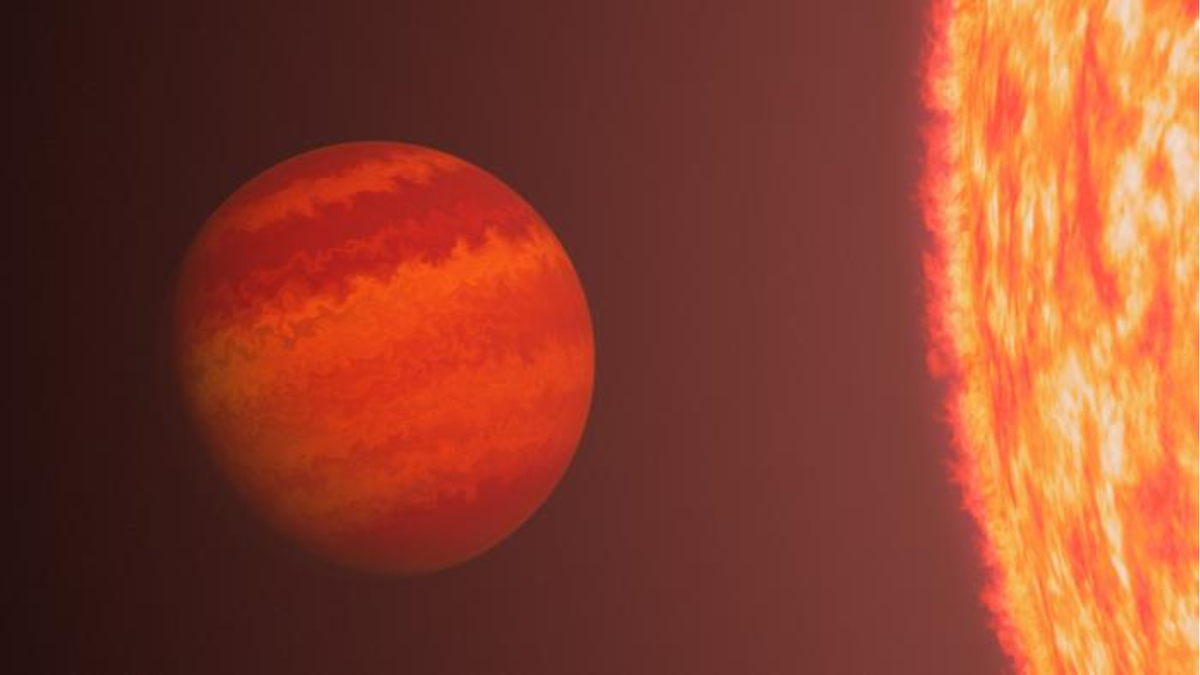
NASA's Transiting Exoplanet Survey Satellite (TESS) has discovered an unusual exoplanet named Phoenix, which has managed to retain its atmosphere despite being bombarded by radiation from its red giant parent star. This hot Neptune, located 1,800 light-years away, is smaller, older, and hotter than expected, challenging current understanding of planetary evolution. The findings could provide insights into the future of Earth's atmosphere as our sun undergoes a similar transformation.
NASA astronaut and Syracuse native Jeanette Epps, currently on the International Space Station as part of the SpaceX Crew-8 Mission, shared a stunning photo of the Finger Lakes region, including Syracuse, Rochester, and Lake Ontario. Epps and her crew are conducting over 200 scientific experiments and technology demonstrations to aid future human space exploration and benefit life on Earth. The mission is expected to return in late August 2024.
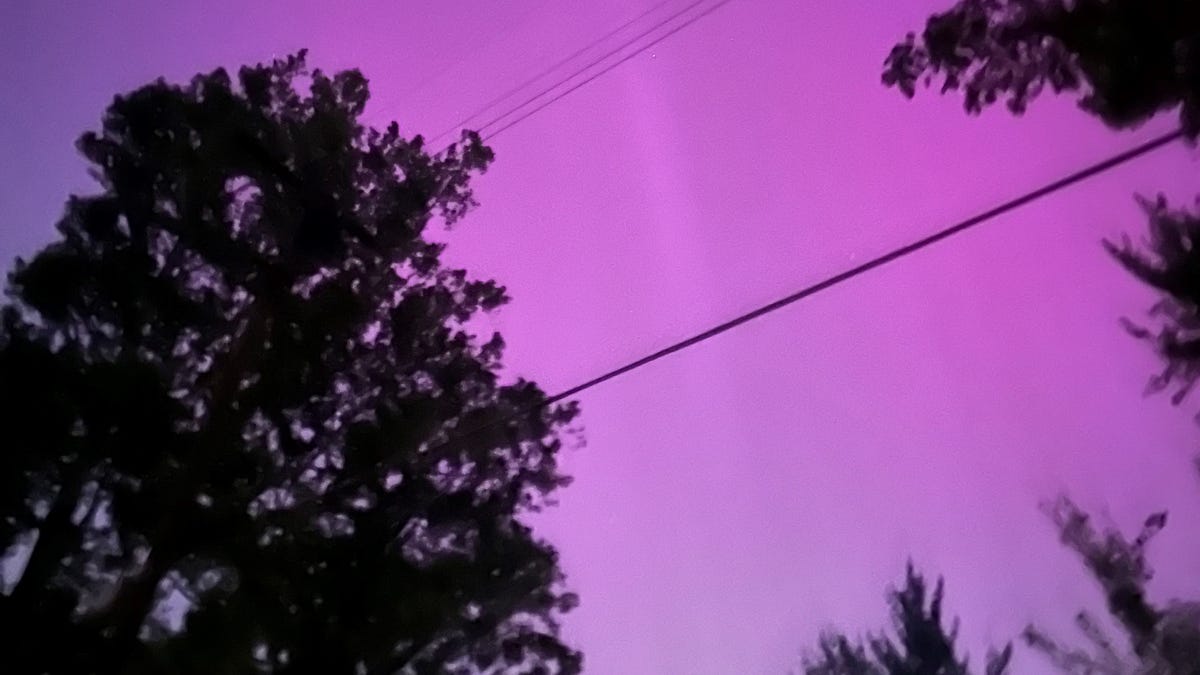
A minor geomagnetic storm is expected to impact Earth on June 4, but it is unlikely to make the northern lights visible in Ohio. The aurora borealis typically appears at higher latitudes during such storms. However, a more significant solar event around June 6 could potentially bring the northern lights further south into the United States.
Arizona residents are curious about the possibility of seeing the northern lights again after a recent display in May. Forecasters are monitoring a group of sunspots that could potentially trigger another aurora, but it's too early to confirm. Viewing conditions depend on whether these sunspots cause solar flares or coronal mass ejections. Optimal viewing times are between 10 p.m. and 2 a.m. in dark areas with minimal light pollution.
China's Chang'e 6 spacecraft has successfully landed on the far side of the moon, aiming to collect rock and soil samples from this unexplored region. This historic mission, which includes several engineering innovations, seeks to gather some of the oldest known lunar rocks to help answer fundamental questions about planetary formation and the origin of water in the solar system.
New research from the University of Hong Kong suggests that understanding the common factors behind auroras on Earth, Saturn, and Jupiter can help predict risky space weather. By studying the interaction between solar wind and planetary magnetic fields, scientists aim to improve our ability to monitor and forecast geomagnetic storms that can impact satellites and power infrastructure. This unified approach could also extend to understanding auroras on exoplanets.