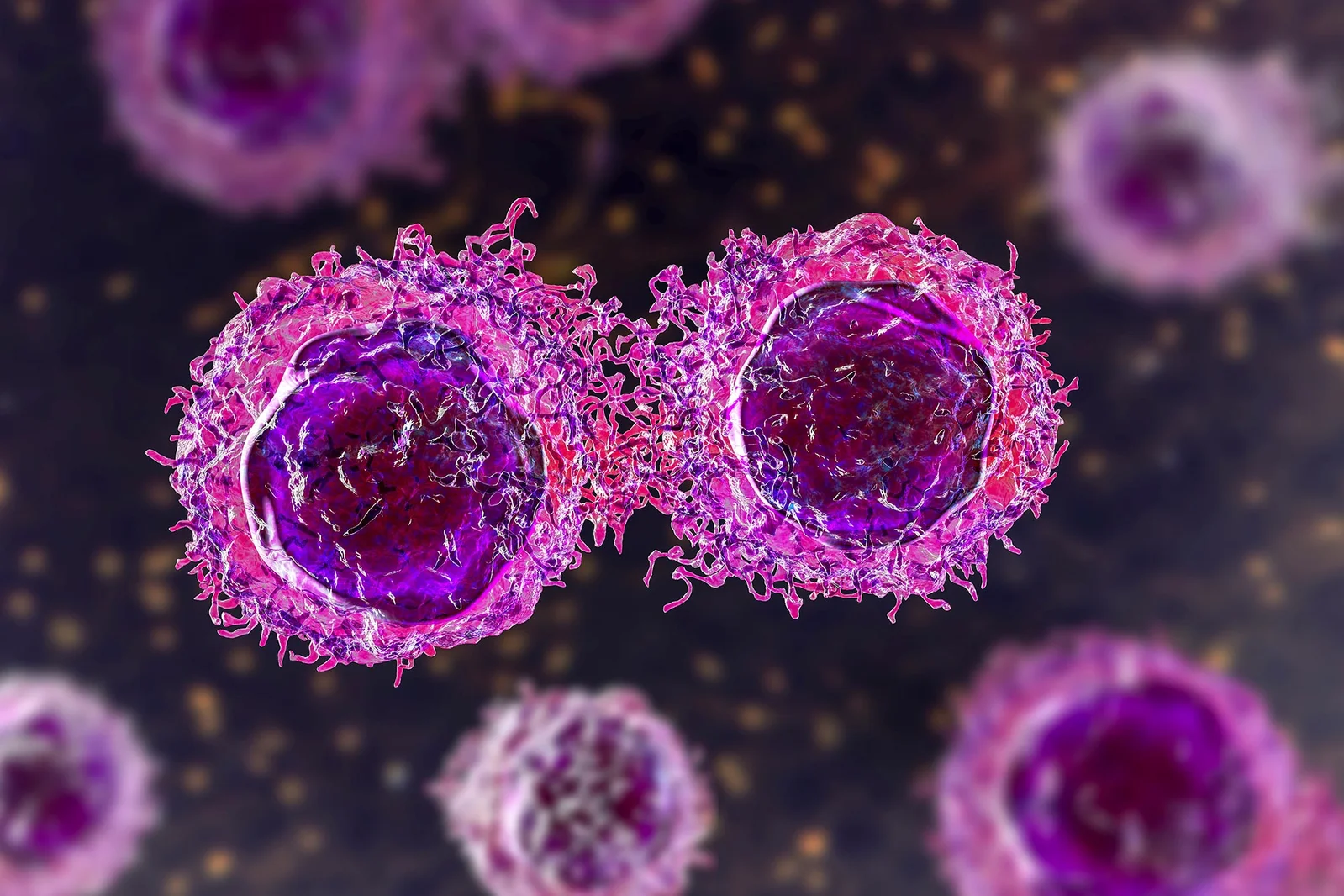
Researchers from Institut Pasteur and Inserm have developed a triple-drug therapy that reprograms how cancer cells die, activating the immune system to completely eliminate leukemia in preclinical models, offering a promising new approach for treating blood cancers.
The study reveals that STING can induce ZBP1-mediated necroptosis independently of TNFR1 and FADD, highlighting a novel pathway in cell death and immune response regulation.
Researchers at Tufts University School of Medicine have developed a compound, UH15-38, that can block necroptosis, a cell death response triggered by the influenza virus, and prevent life-threatening lung tissue injury in mice. The compound was found to effectively restrict viral replication without causing massive damage to the lungs, offering a potential therapeutic option for severe flu infections and other viruses that induce severe respiratory symptoms. If successful in further trials, this approach could provide a means of protecting against future pandemics and respiratory diseases by addressing harmful inflammation in the lungs.
After cancer cells are killed by treatments such as chemotherapy, immune cells called phagocytes engulf and break down the dead cells into smaller components that can be reused by other cells. However, dying cancer cells can sometimes release debris that sparks inflammation and stimulates the growth of surviving cancer cells, potentially leading to cancer relapse. Research is still ongoing to understand the full implications of dying cancer cell signaling and develop more effective treatments. Studies have suggested that molecules derived from omega 3, called resolvins, can help reduce inflammation and clear cell debris, while blocking the signals transmitted by dying cancer cells could prevent cancer from re-emerging after treatment.