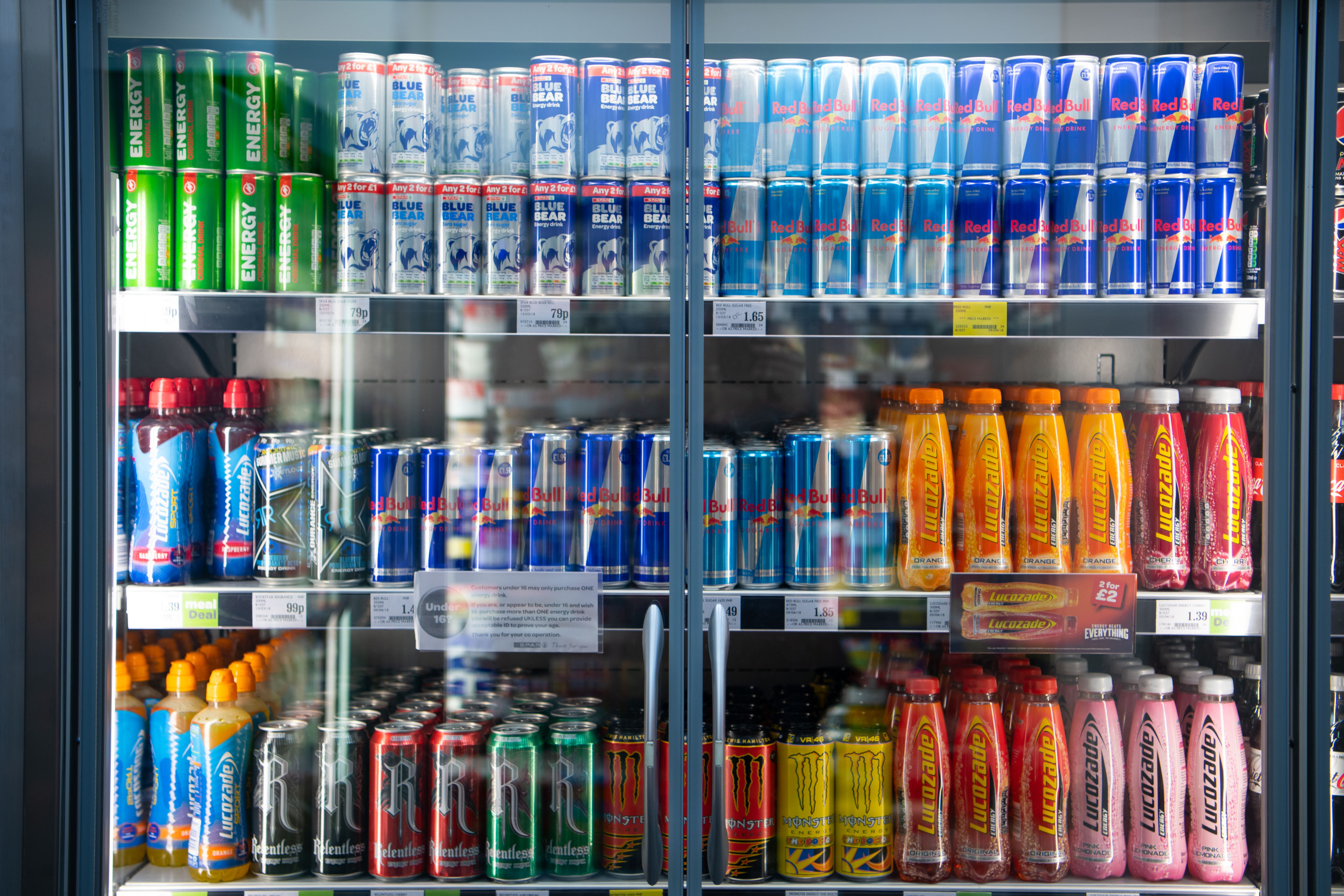
A healthy man in his 50s experienced a stroke likely caused by excessive consumption of high-potency energy drinks containing high levels of caffeine, which led to high blood pressure and vascular constriction. Quitting energy drinks resulted in the normalization of blood pressure and full recovery, highlighting the potential cardiovascular risks associated with energy drink overconsumption.
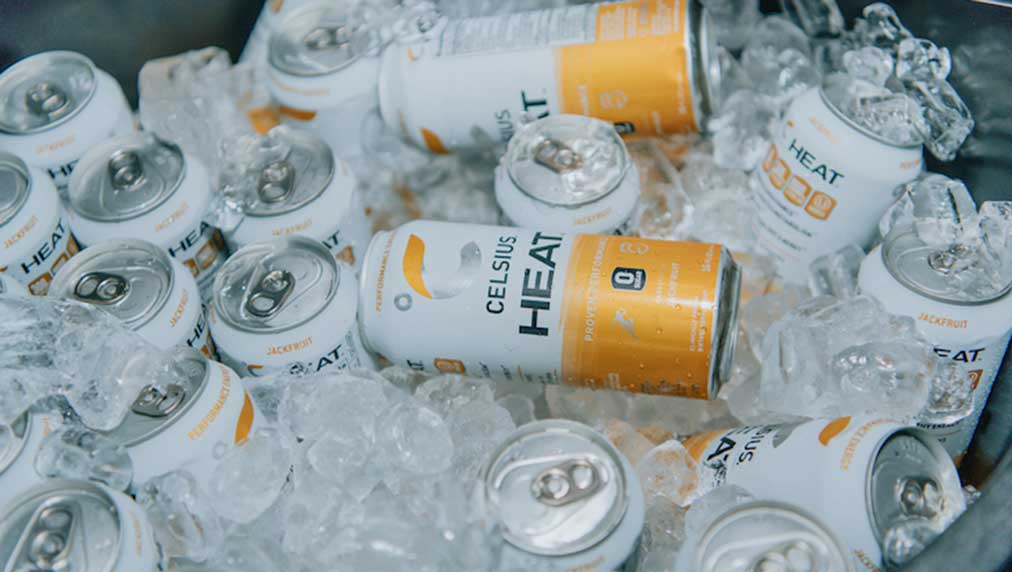
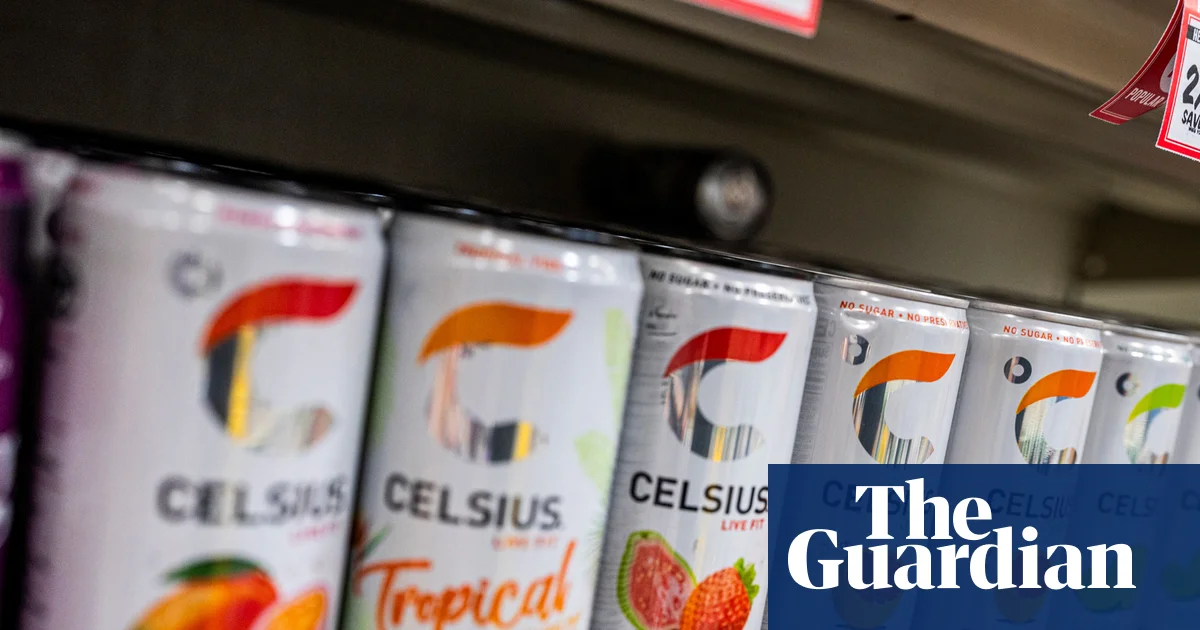
Celsius Holdings' stock surged after a $585 million deal with PepsiCo, expanding their partnership and increasing PepsiCo's stake to 11%, which includes distribution rights for Celsius and acquisition of the Rockstar Energy brand in North America. The deal strengthens Celsius's market position and is seen as a positive move for its growth prospects, with the stock reaching its highest level in 14 months amid a strong rebound in sales and earnings.
Effective pre-workout preparation emphasizes consuming carbs and protein a few hours before exercise, limiting fats and fiber to avoid discomfort, and using caffeine from coffee for a boost. Hydration with water is generally sufficient, and fasting before workouts is not recommended, especially for longer or more intense sessions. Overly complex supplements are often unnecessary for most people.
Celsius reported strong Q2 earnings with an 84% revenue increase driven by acquisitions and demand, leading to a 21% stock surge, while Peloton showed improved earnings but declining revenue, resulting in a 10% stock increase.
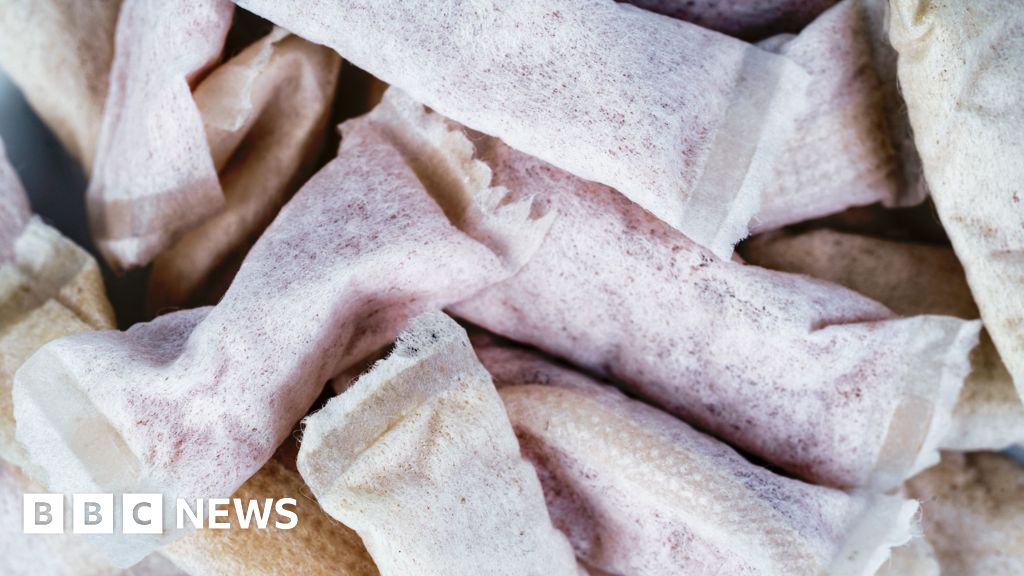
A growing trend among US teenagers using caffeine pouches for quick energy raises health concerns due to high caffeine content and potential for overdose, with experts warning about risks like heart issues and dependency, and emphasizing healthier energy sources.
The FDA has recalled certain lots of High Noon vodka seltzers in the US after they were mistakenly labeled as non-alcoholic energy drinks, leading to unintentional alcohol ingestion, with no reported illnesses so far.
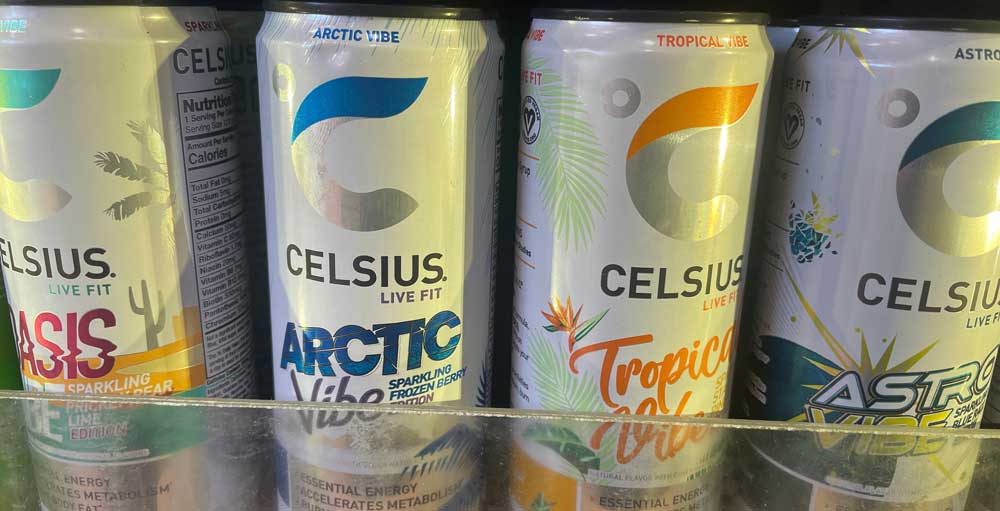
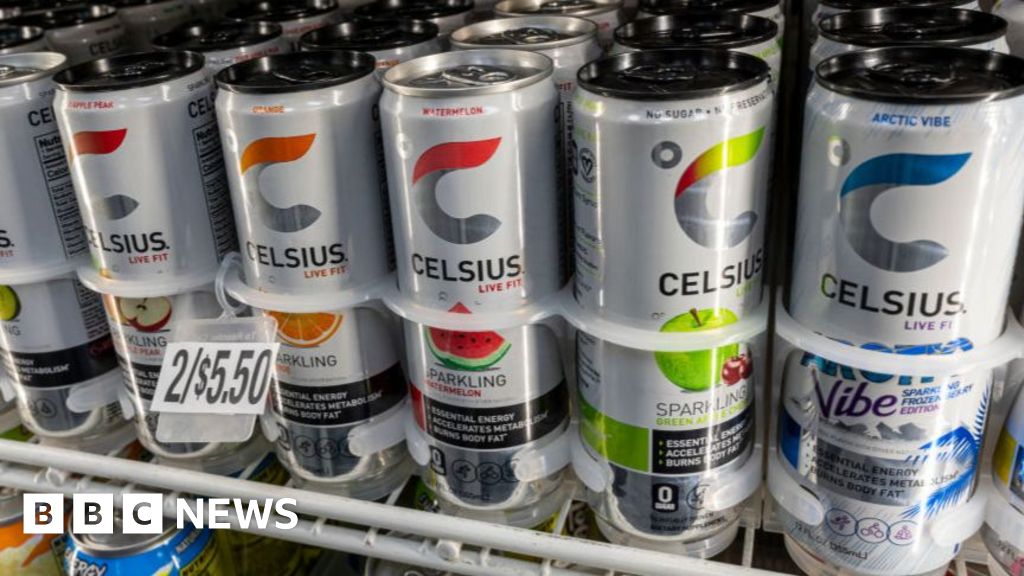
USFDA warns consumers to check their Celsius Astro Vibe Blue Razz energy drink cans for specific lot codes after a packaging error led to some cans being filled with vodka, prompting a recall of affected products shipped to several states, though no illnesses have been reported.
Recent research suggests that taurine, a common ingredient in energy drinks, may fuel leukemia progression by providing energy to cancer cells, raising concerns about the safety of high taurine consumption, especially in energy drinks combined with caffeine and sugar. While taurine is generally safe in moderate amounts from food, excessive intake through energy drinks could pose health risks, particularly for individuals with or at risk of blood cancers. Moderation and consultation with healthcare professionals are advised.
This article offers practical health tips including eating two kiwis daily for digestion, avoiding energy drinks in the afternoon, choosing darker clothing to hide sweat, protecting skin from lime-induced sunburn, and maintaining a balanced diet with Swiss cheese. It also emphasizes staying active, especially during the pandemic's impact on activity levels, and being cautious with medications in the sun.
This article offers practical health tips including eating two kiwis daily for digestion, avoiding energy drinks in the afternoon, choosing darker clothing to hide sweat, protecting skin from lime juice sun reactions, and maintaining a balanced diet with Swiss cheese, alongside exercise and sun safety advice for a healthier summer.
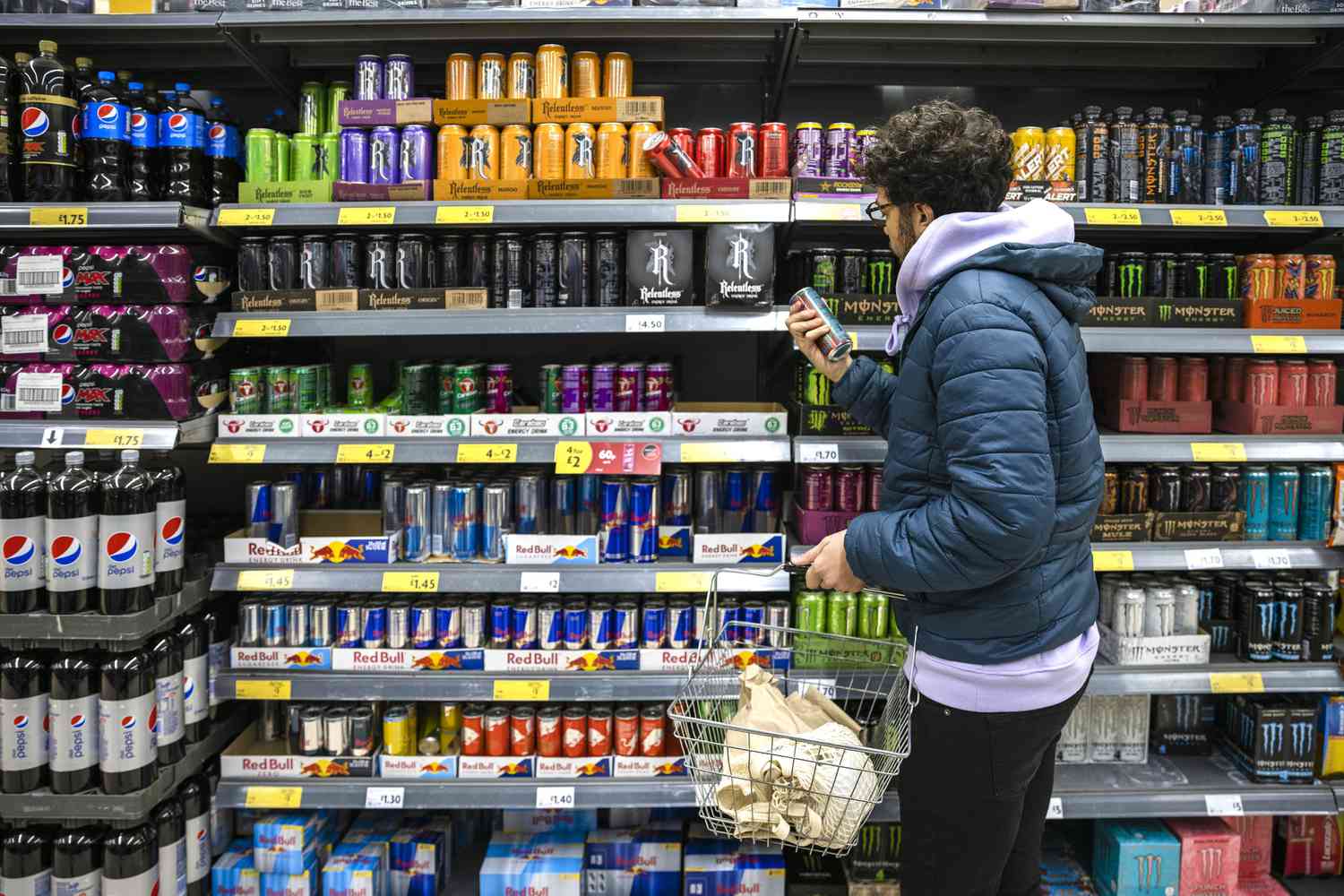
Regular consumption of energy drinks can temporarily raise blood pressure and may pose health risks, especially for individuals with existing heart conditions, due to high caffeine, sugar, and stimulant content. Limiting intake to one or none per day is recommended for most people.
A study suggests that taurine, an ingredient in energy drinks, may promote the growth of leukemia cells by fueling their energy production, and blocking taurine uptake could be a potential treatment strategy. However, taurine also has potential benefits for chemotherapy patients, so its use should be carefully considered.
A Mayo Clinic study suggests a potential link between energy drink consumption and sudden cardiac arrest, particularly in individuals with genetic heart diseases. Researchers caution that while the absolute risk is small, those with predisposing conditions should consume these beverages in moderation. The study highlights the need for further research on the effects of high-caffeine drinks, especially as their popularity grows among young people.
US researchers suggest that highly caffeinated energy drinks, popular among young people, may contribute to the rise in colorectal cancer cases in this age group. They theorize that taurine, an ingredient in these drinks, could fuel gut bacteria that promote tumor growth. A new human trial will investigate this hypothesis, building on animal studies that link taurine to increased cancer-causing bacteria. The study aims to clarify the potential role of energy drinks in early-onset colorectal cancer and inform future prevention strategies.
New research presented at the American Society of Clinical Oncology conference suggests that diets high in sugar and low in fiber may contribute to the rising rates of colon cancer in young people by promoting harmful gut bacteria and inflammation. Additionally, energy drinks containing taurine may also exacerbate the risk by feeding bacteria linked to the disease. The findings highlight the importance of dietary choices in preventing early-onset colorectal cancer.