Registered dietitians advise people over 50 to increase their intake of complex carbohydrates, such as whole grains, beans, and vegetables, to boost energy levels and prevent fatigue, emphasizing that carbs are essential for energy production and should not be avoided for fear of weight gain.
The article emphasizes the importance of managing diet for kidney health, highlighting six key foods and drinks—water, salt, certain fruits, excessive protein, tender coconut, and unproven supplements—that can put pressure on the kidneys, especially in individuals with existing kidney issues. It advises moderation and consultation with healthcare professionals to prevent further kidney damage.
A 60-year-old man was hospitalized after following ChatGPT's recommendation to replace salt with sodium bromide, leading to bromide toxicity and hallucinations, highlighting the dangers of relying on AI for health decisions without proper understanding.
A simulation from GrowFit Health illustrates the effects of abstaining from sugar for two weeks, showing initial blood sugar stabilization, cravings, and withdrawal symptoms in the first week, followed by taste bud sensitivity and increased energy levels in the second week, emphasizing gradual reduction and balanced nutrition.
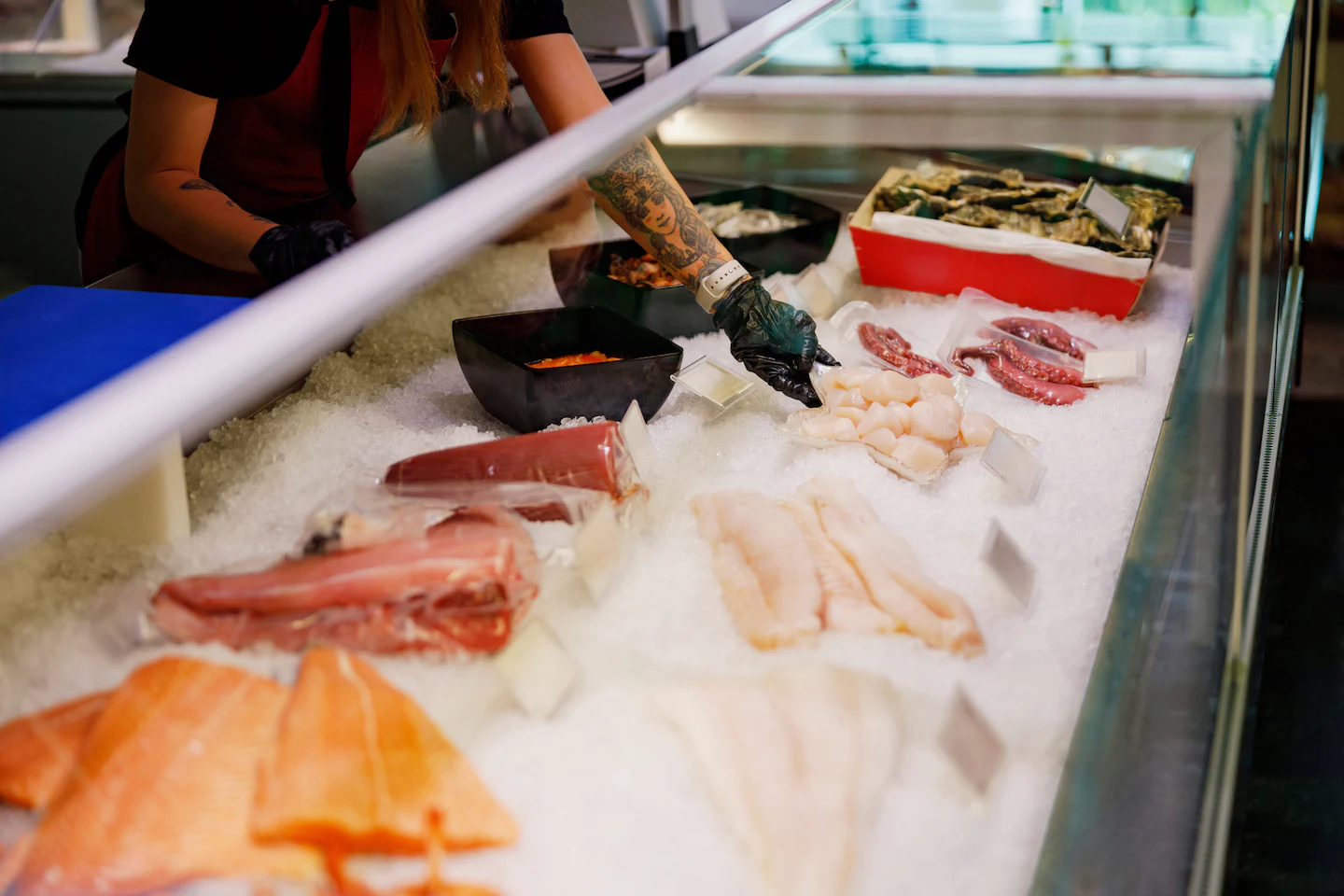
Many people are not consuming enough seafood, which is rich in essential nutrients like omega-3 fatty acids that support brain, eye, and heart health. Health authorities recommend at least two servings of fish per week, but many fall short of this guideline.
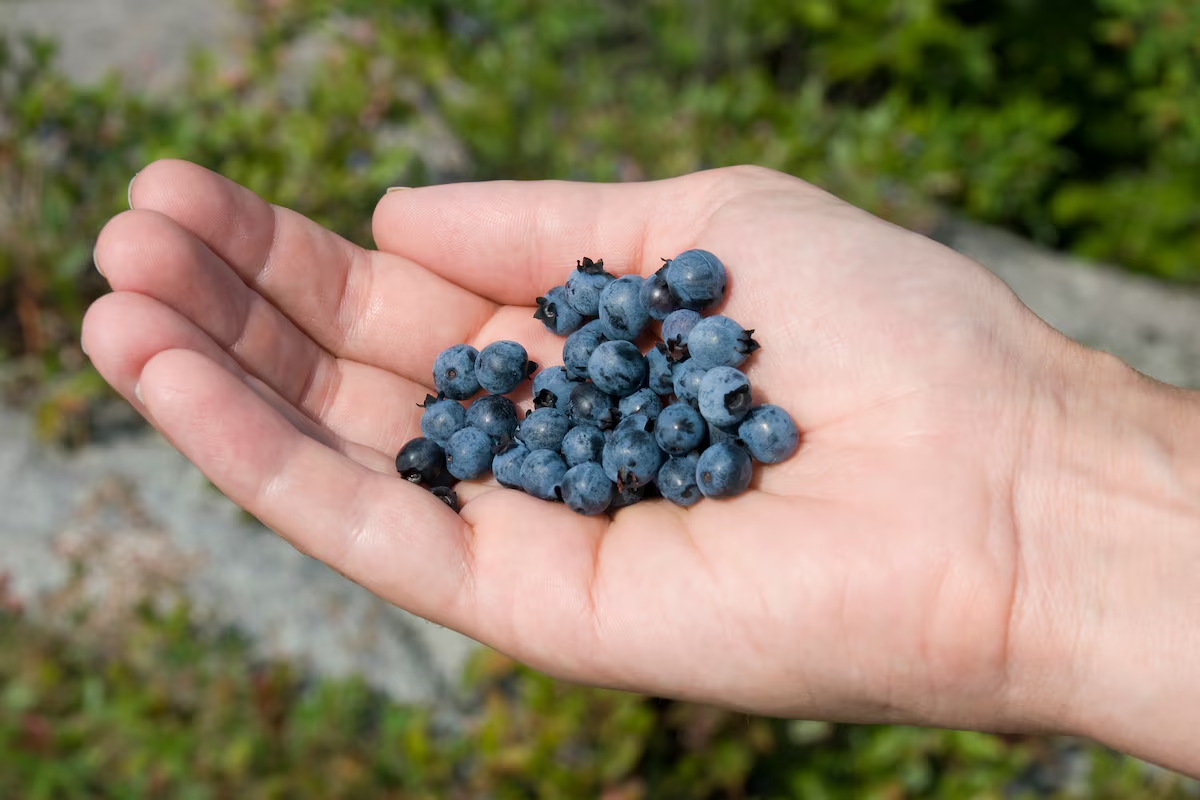
A new study suggests that following a 'flavodiet' can help maintain both physical and mental strength in older age, emphasizing the importance of specific dietary choices for healthy aging.
Dr. Eric Berg suggests that consuming two tablespoons of apple cider vinegar mixed with water before bed can help stabilize blood sugar levels, potentially benefiting those with or at risk of type 2 diabetes. He highlights the anti-glycemic effects of acetic acid in apple cider vinegar, which can lower the glycemic index of foods and reduce insulin levels. This advice is part of broader strategies for managing blood sugar, including a healthy diet and regular exercise.
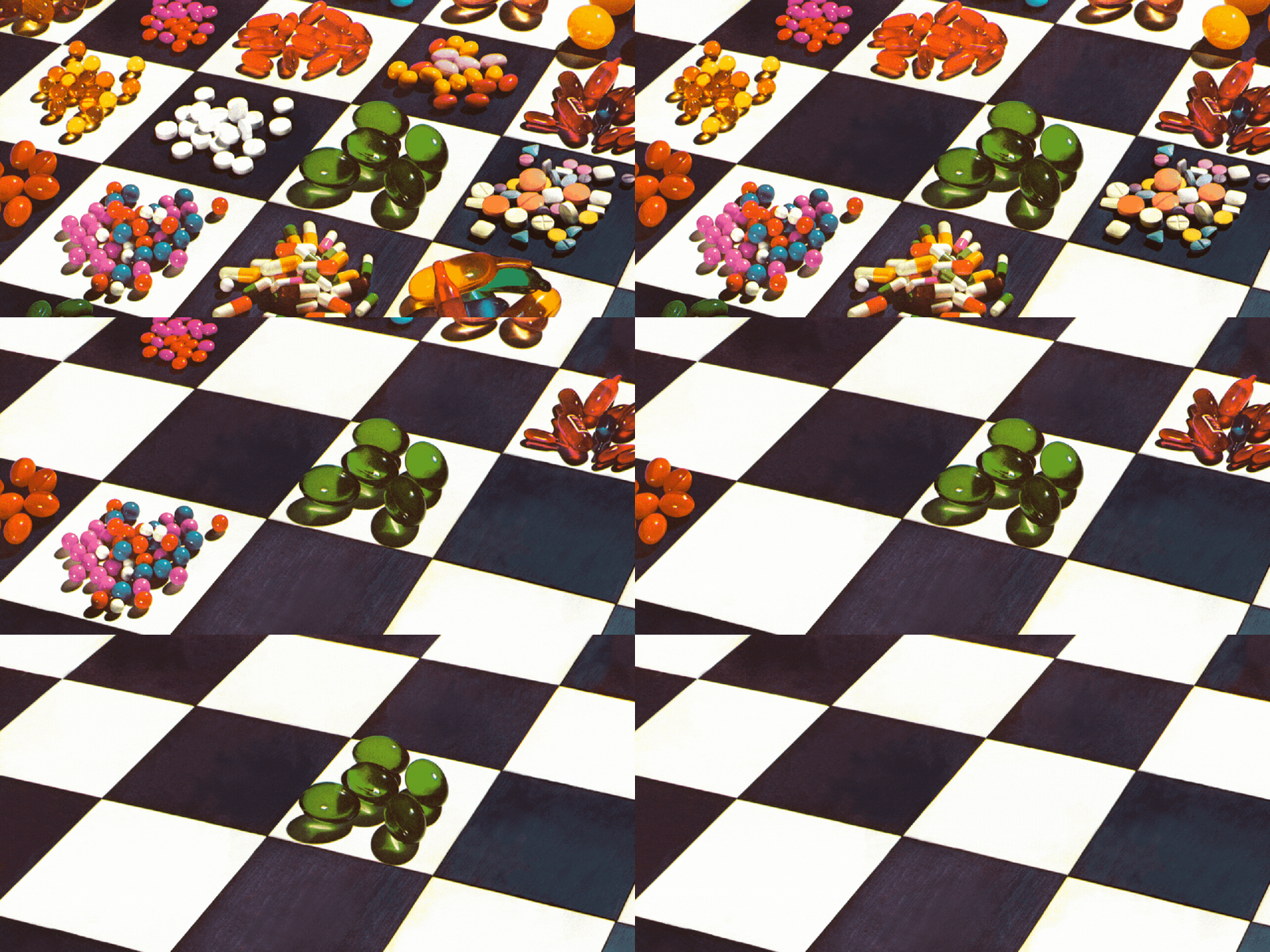
Despite the widespread availability and marketing of supplements promising various health benefits, scientific evidence suggests that most people do not need them if they maintain a balanced diet. Many supplements make unproven claims, can be a waste of money, and may even pose health risks. Experts recommend getting nutrients from food rather than supplements, as the latter are less regulated and may not be as effective or safe. Always consult a healthcare provider before taking any supplements.
Social media influencers are promoting an "anti-diet" movement to combat food shaming, but a joint investigation found that major food companies, including General Mills, are paying online dietitians to promote highly processed foods. This marketing strategy has raised concerns about the accuracy of nutritional information and the influence on consumers' eating habits. The FTC has taken action on influencer partnerships, and the FDA is considering additional labeling regulations. It's recommended to approach social media with skepticism and seek dietary advice from healthcare professionals rather than online influencers.
An Instagrammer's viral claim that eating an entire orange, including the peel, can quickly relieve constipation has been met with skepticism from experts. While oranges are rich in fiber and water, which can aid in relieving constipation, the effectiveness of consuming the peel for this purpose is questionable. While oranges do contain naringenin, a flavonoid that may help with constipation, studies showing its laxative effect have only been conducted on animals. Additionally, consuming cinnamon and cayenne pepper, as suggested in the video, is unlikely to provide immediate relief and could potentially worsen the situation for some individuals. Experts advise caution and recommend starting with small amounts of orange peel due to potential adverse effects.
A viral Instagram video claims that eating a whole orange, including the peel, can cure constipation in minutes due to the fiber and naringenin it contains, along with the stimulating effects of cinnamon and cayenne pepper. However, experts caution that while oranges do contain fiber and water, there's nothing particularly special about them that would produce immediate effects for constipation. Additionally, consuming orange peels may cause upset stomach for some individuals, and the claimed effects of naringenin and capsaicin on constipation have only been studied in animals.
The BRAT diet, which stands for bananas, rice, applesauce, and toast, was once commonly recommended by doctors to help children with upset stomachs. However, it is no longer recommended as there is insufficient evidence to support its effectiveness. The diet was designed to be followed for a short period of time to give the digestive system a chance to recover. It included foods that were believed to be gentle on the digestive system. The BRAT diet is not recommended for weight loss and lacks essential nutrients. Instead, a more inclusive bland diet that includes a variety of easy-to-digest foods is now recommended. While the BRAT diet may still be used for a short time, it is best to consult with a healthcare professional for digestive issues.