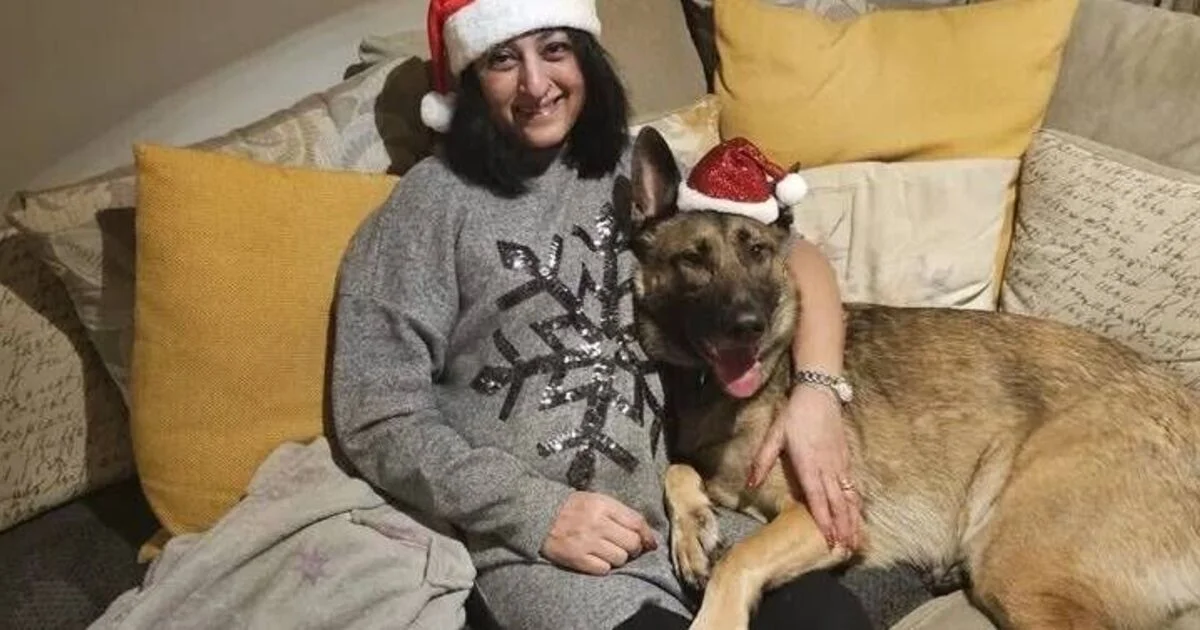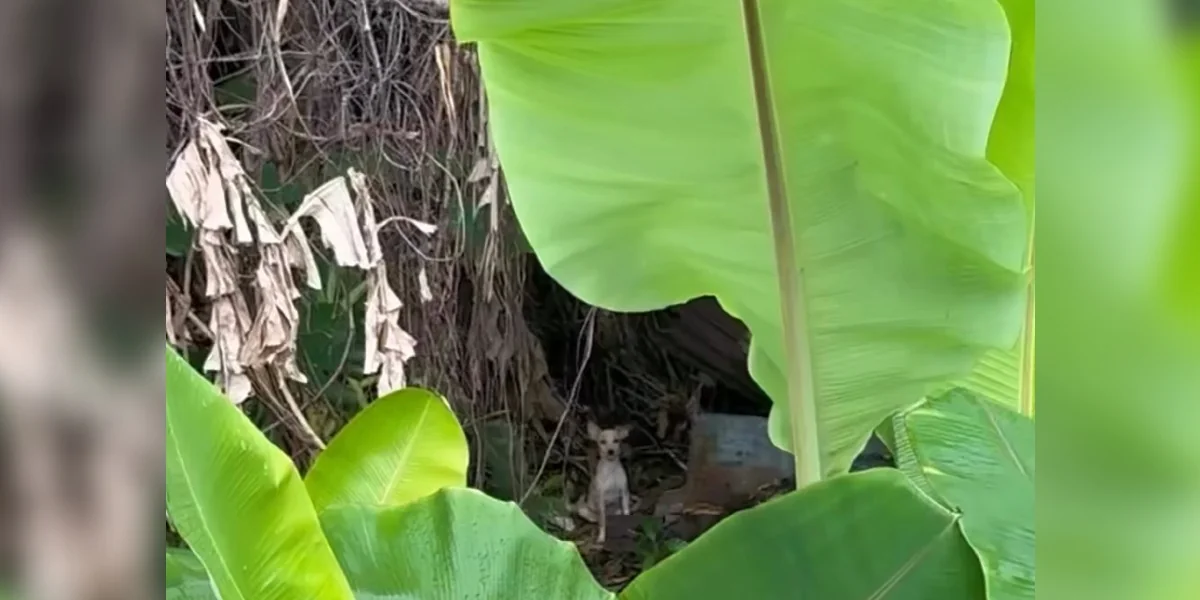
A three-legged puppy named Candy, found in a Thai jungle and rescued by Happy Doggo, was given medical care and a loving home in Spain after overcoming her initial fears and hardships, including living alone in the wild.
A 19-year-old college student, Ketia Moponda, mistook a severe bacterial infection for the flu, leading to meningococcal septicaemia that caused her to have her legs and fingers amputated. She survived after intensive treatment and is now advocating for awareness and confidence despite her disabilities.
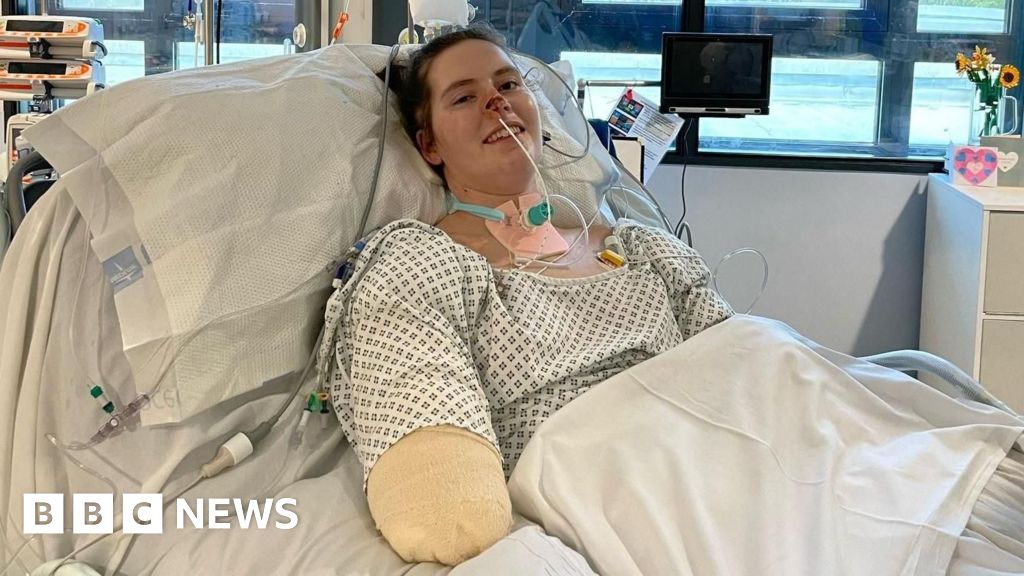
Lily McGarry, a 24-year-old Cardiff medical student and triathlete, faced life-threatening sepsis that led to the amputation of all her limbs after a misdiagnosed flu-like illness resulted in two heart attacks and a coma. Despite her challenges, she remains positive and is exploring adaptive sports to regain her active lifestyle.
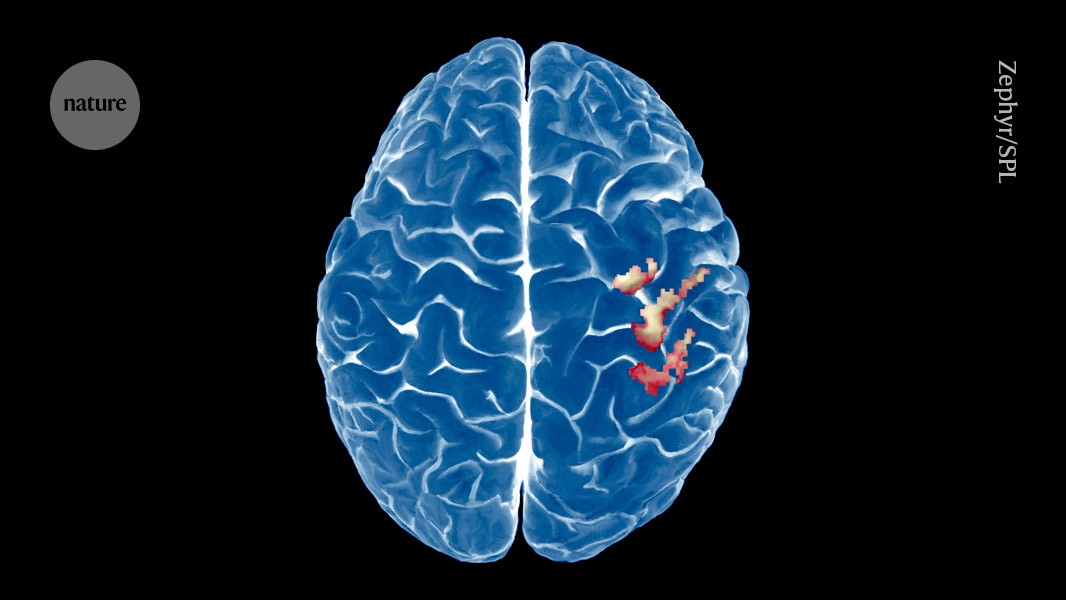
New research published in Nature Neuroscience challenges long-held beliefs about brain plasticity, showing that the brain's body map remains stable even years after amputation, which has significant implications for treating phantom limb pain and developing prosthetic technologies.
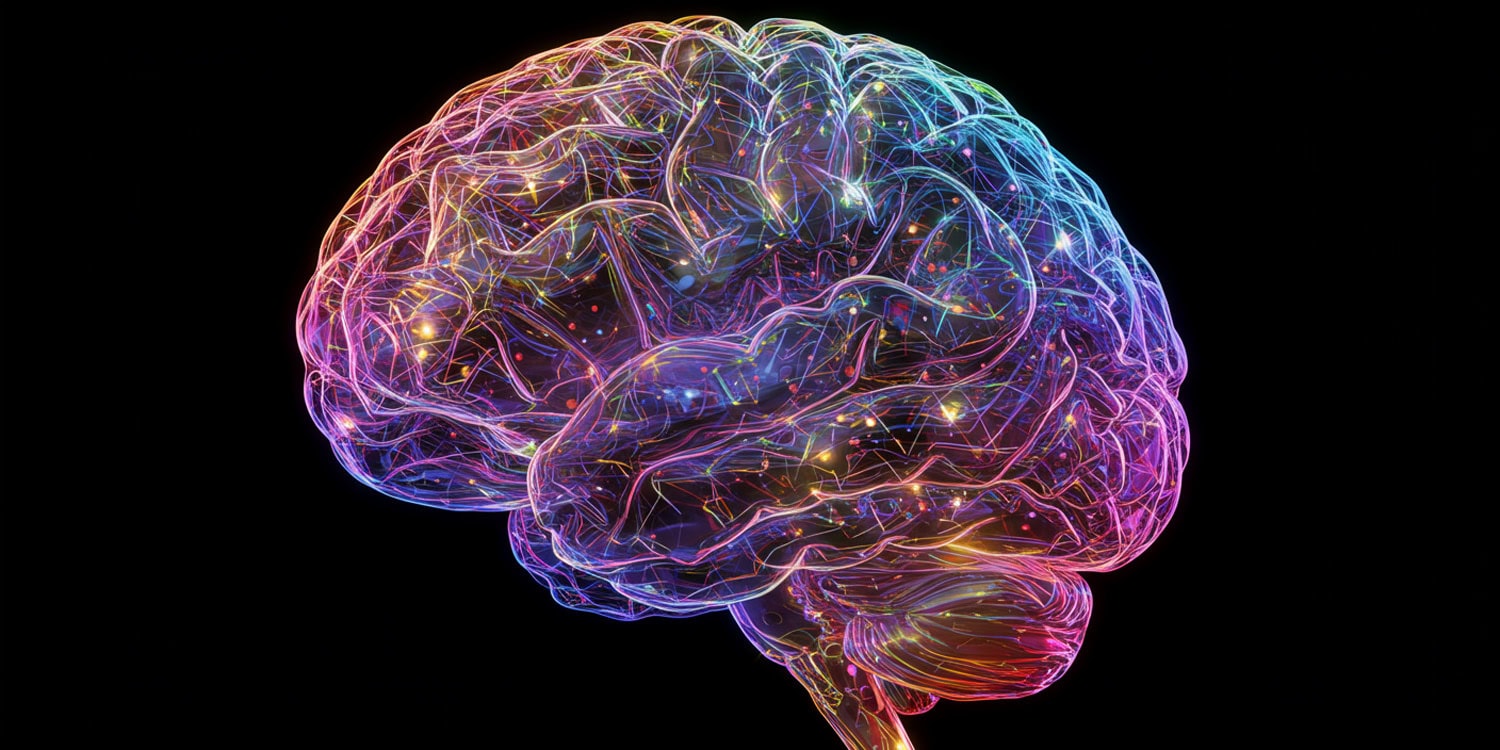
A recent study published in Nature Neuroscience challenges the long-held belief that the brain's body map reorganizes after limb amputation. Instead, the research shows that the brain's representation of the missing limb remains stable for years, which has significant implications for understanding phantom limb sensations and developing prosthetic technologies. The findings suggest that therapies targeting brain map reorganization may be ineffective, and future approaches should focus on nerve signaling and brain-computer interfaces.
A new study published in Nature Neuroscience challenges the long-held belief that the brain's body map reorganizes itself after limb amputation. Researchers found that the brain's representation of the missing limb remains stable even years after amputation, which has implications for understanding phantom limb sensations and developing prosthetic technologies. The findings suggest that therapies targeting brain map reorganization may be ineffective, and future approaches should focus on nerve signaling and brain-computer interfaces.
A study shows that the brain's map of the body remains unchanged even years after amputation, challenging previous beliefs about brain reorganization and providing hope for brain-computer interfaces and phantom limb pain treatment.
A recent study challenges the long-held belief that the brain's map of the body reorganizes significantly after amputation, showing instead that the brain maintains the circuits for the missing limb even years later, which has implications for future treatments like prosthetics.
A recent study challenges the long-held belief that the brain's body map reorganizes after limb loss, showing instead that the primary somatosensory cortex remains stable even years after amputation, which could impact prosthetic development and pain treatment.
Buff Bagwell lost his leg due to complications from a car accident caused by drinking and medication, which shattered his kneecap. Despite multiple surgeries and a high risk of amputation, he chose to have his leg removed and now aims to return to wrestling, emphasizing his sobriety and resilience.
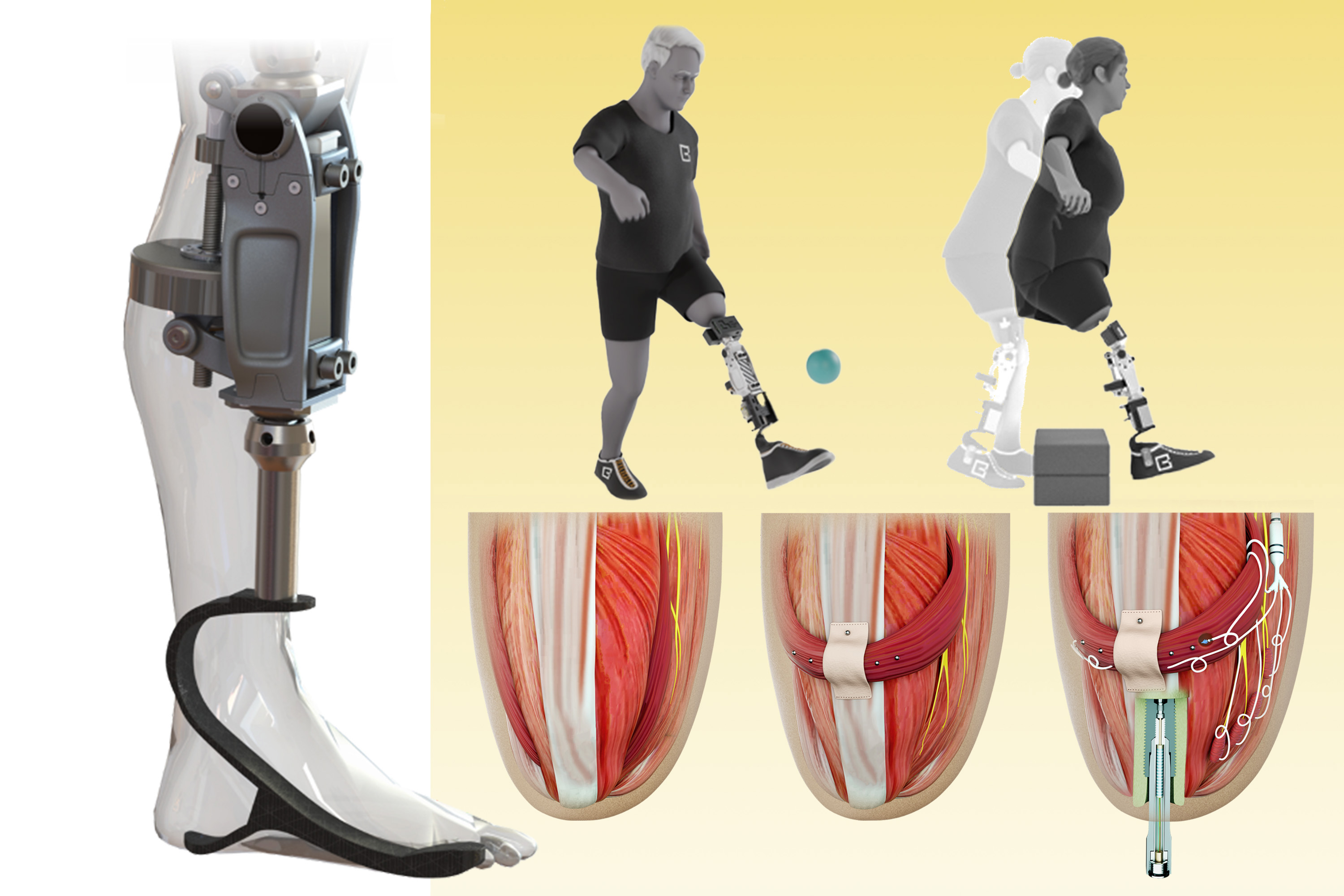
MIT researchers have developed a tissue-integrated bionic knee that offers above-the-knee amputees improved control, stability, and a sense of embodiment, using a novel surgical approach and advanced robotic control system, with promising clinical results and plans for further trials.
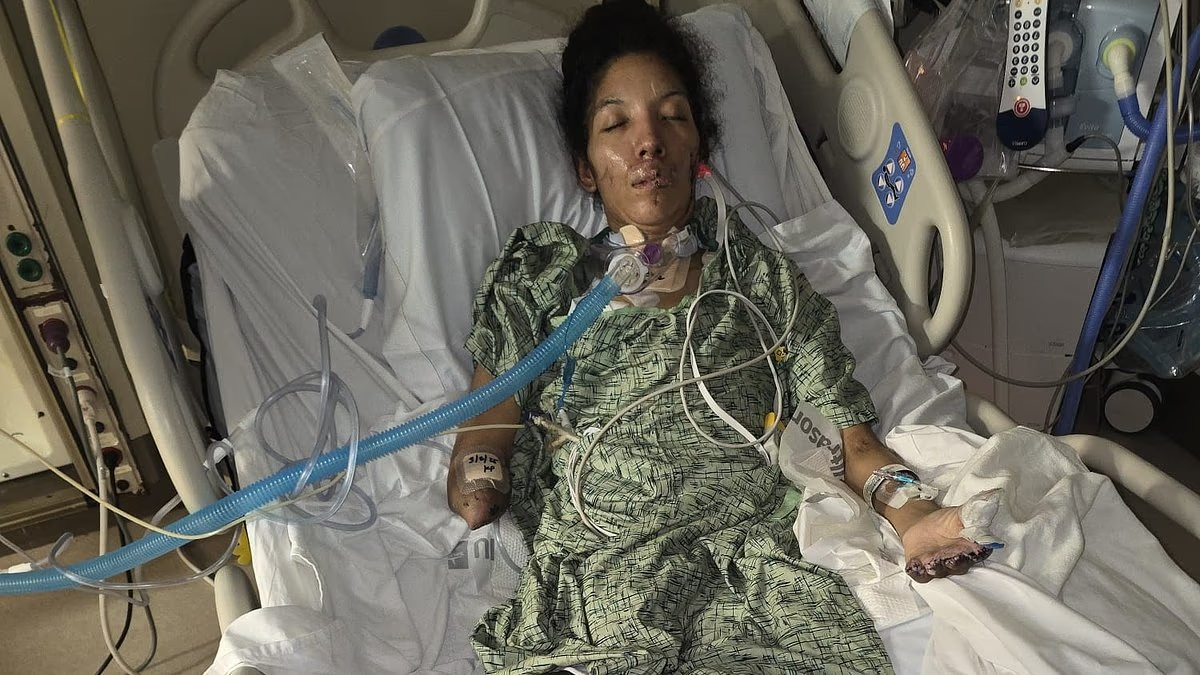
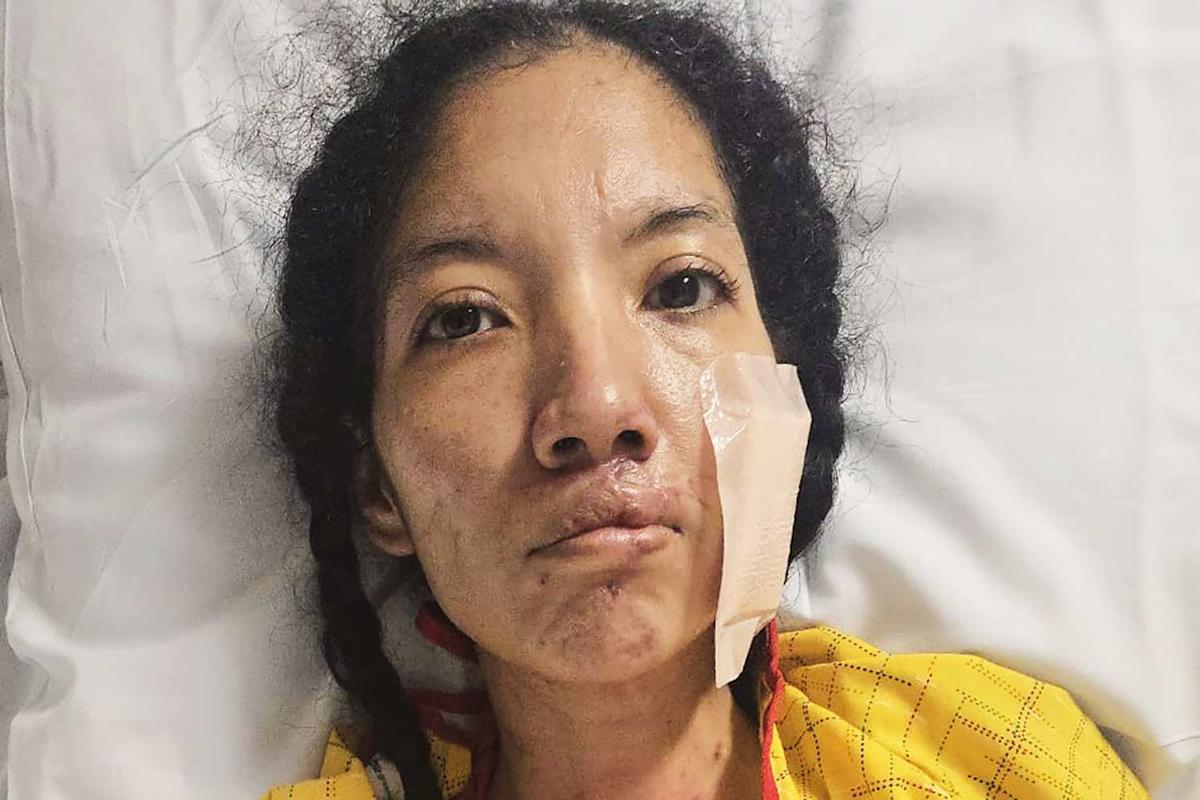
A mother of two in San Diego lost all four limbs after developing sepsis and necrotizing fasciitis from a co-infection of the flu and strep A bacteria, highlighting the severe risks of common infections. She survived but faces ongoing challenges and is raising funds for prosthetics to care for her children.
Arisbeth Muñoz, a mother of two with autism, had her limbs amputated due to a severe flesh-eating infection triggered by the flu and strep A, and is now raising funds for prosthetics to care for her children. Despite her life-changing injuries, she remains grateful to be alive and hopes to continue supporting her sons.
A man had to have his toes partially amputated after being given ill-fitting orthotic shoes for his wedding, which caused severe foot injuries due to mismeasurement and ignored concerns, leading to legal action and NHS apology.
Hamish Wilson, an 18-year-old student from East Sussex, is determined to return to university despite facing a quadruple amputation due to sepsis. After contracting pneumonia and meningitis, which led to life-threatening sepsis, Hamish has already undergone surgery to amputate his right hand and will soon have further surgeries on his legs and other hand. His sister's online fundraising page has raised nearly £80,000 for his recovery. Hamish plans to return to university next September, with his friends already arranging accommodations to suit his needs.