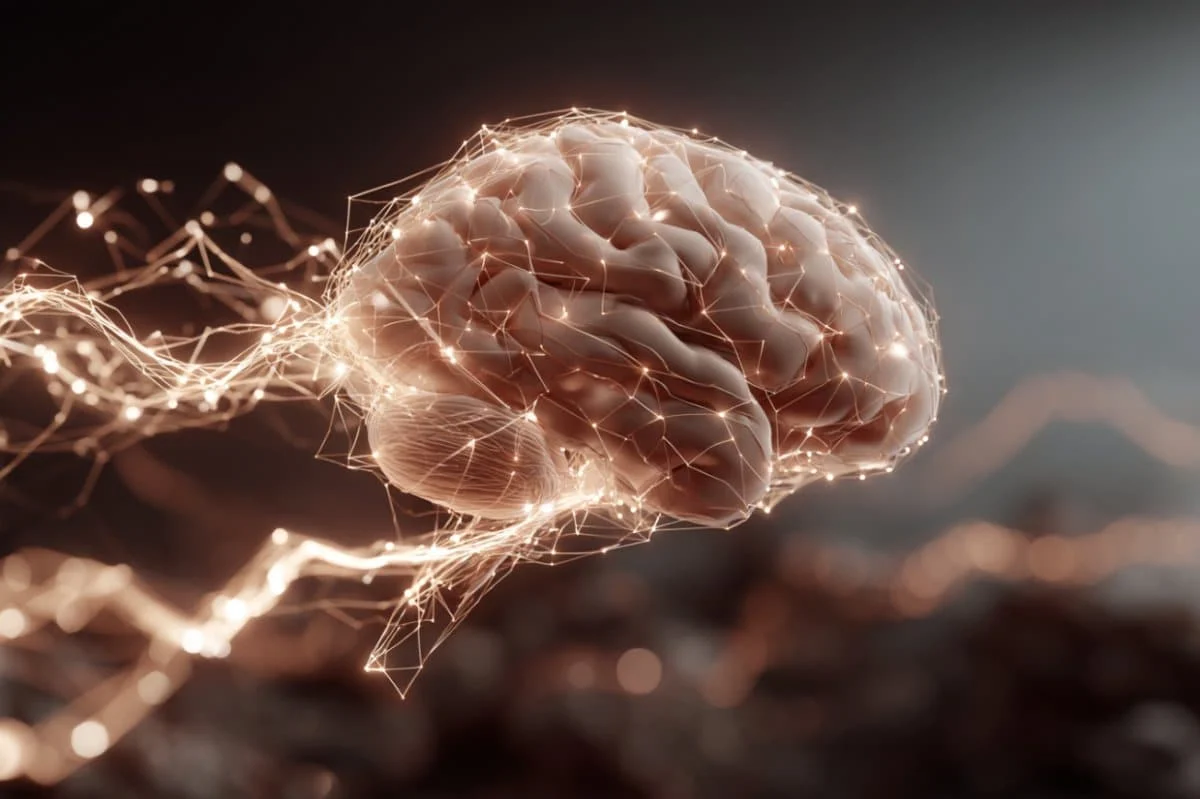
A study reveals how synchronized signals between the entorhinal cortex and hippocampus stabilize memories during learning by balancing excitatory and inhibitory neural pathways, which may inform treatments for disorders like PTSD and schizophrenia.
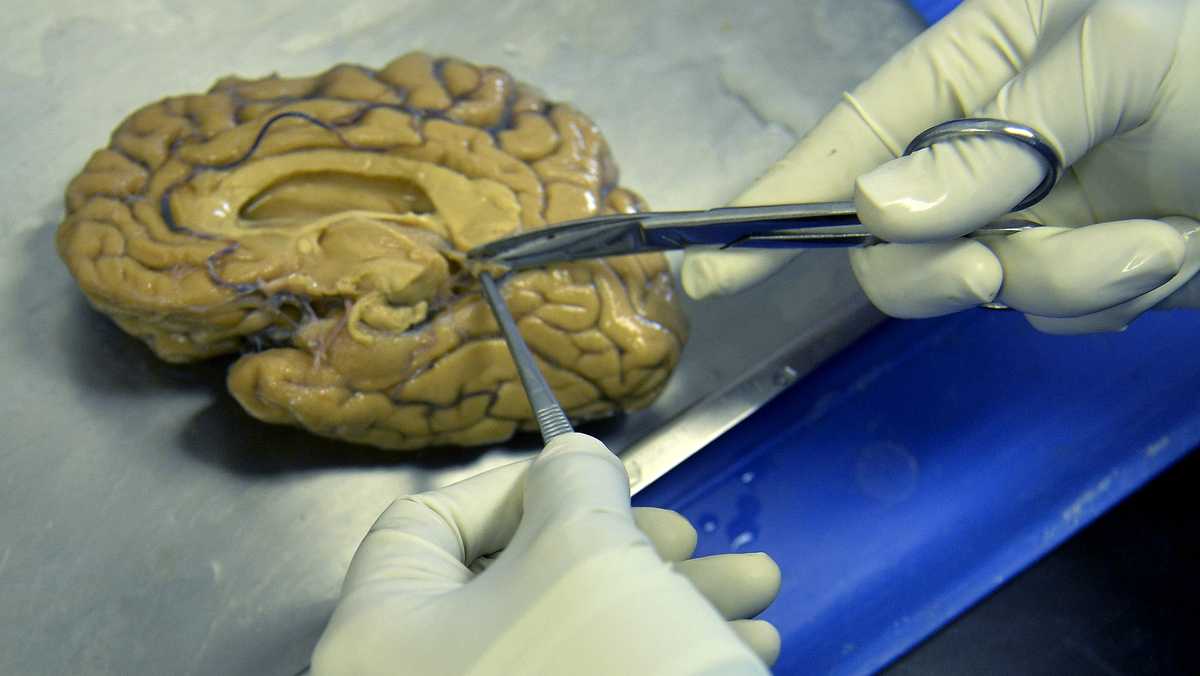
A man who carried a mutated gene called presenilin-1 (PSEN1) that almost certainly leads to Alzheimer's disease at a young age, defied his genetic odds and kept normal function for decades longer than he should have. Genetic analysis revealed that the man had a rare change in a gene that codes for a protein called reelin, which helps nerve cells communicate. The enhanced reelin protein seemed to be protecting a very specific part of the man's brain, an area that sits behind the nose at the base of the brain called the entorhinal cortex. Scientists say that understanding how this gene change defended his brain may help prevent Alzheimer's in other people.
A man who carried a mutated gene called presenilin-1 (PSEN1) that almost certainly leads to Alzheimer's disease at a young age, defied his genetic odds and kept normal function for decades longer than he should have. Genetic analysis revealed that the man had a rare change in a gene that codes for a protein called reelin, which helps nerve cells communicate. The enhanced reelin protein seemed to be protecting a very specific part of the man's brain, an area that sits behind the nose at the base of the brain called the entorhinal cortex. Scientists say that understanding how this gene change defended his brain may help prevent Alzheimer's in other people.
A man who carried a mutated gene called presenilin-1 (PSEN1) that almost certainly leads to Alzheimer's disease at a young age, defied his genetic odds and kept normal function for decades longer than he should have. Genetic analysis revealed that the man had a rare change in a gene that codes for a protein called reelin, which helps nerve cells communicate. The enhanced reelin protein seemed to be protecting a very specific part of the man's brain, an area that sits behind the nose at the base of the brain called the entorhinal cortex. Scientists say that understanding how this gene change defended his brain may help prevent Alzheimer's in other people.
A man who carried a mutated gene called presenilin-1 (PSEN1) that almost certainly leads to Alzheimer's disease at a young age, defied his genetic odds and kept normal function for decades longer than he should have. Genetic analysis revealed that the man had a rare change in a gene that codes for a protein called reelin, which helps nerve cells communicate. The enhanced reelin protein seemed to be protecting a very specific part of the man's brain, an area that sits behind the nose at the base of the brain called the entorhinal cortex. Scientists say that understanding how this gene change defended his brain may help prevent Alzheimer's in other people.