A man who drank excessively developed aspiration pneumonia and accidentally ingested a wooden toothpick, which perforated his duodenum and caused sepsis. Doctors identified the toothpick via endoscopy, removed it, and he recovered fully, highlighting the dangers of hidden ingestions and alcohol-related health risks.

Billy Joel reflects on his 2005 rehab stint prompted by his then-wife Katie Lee's ultimatum to address his drinking, which strained their marriage and contributed to their eventual divorce in 2009. He admits he didn't want to go to rehab and struggled with loneliness and drinking again after their separation. Both have since remarried, and the documentary details his journey through addiction and relationships.
Researchers have identified a small group of neurons in the mouse brain's medial orbitofrontal cortex that suppress binge drinking; turning these neurons off increases alcohol consumption, suggesting potential targeted treatments for alcohol use disorder in humans, though further research is needed to confirm similar mechanisms.
A man is concerned about his intoxicated girlfriend's behavior, as she often has sex while drunk without remembering it, which he believes is non-consensual. He seeks advice on whether to ask her to get help, but the response suggests addressing the issue gently by expressing how her drinking affects him and discussing potential changes, rather than demanding.
Laura Prepon has accused her ex-husband Ben Foster of alcohol abuse amid their contentious custody battle following their September divorce. Prepon claims Foster's drinking habits pose a risk to their two children, citing incidents of inebriation and demanding court intervention to restrict his alcohol consumption during visitations. Foster's lawyer refutes these allegations, calling them false and harmful to the children. The couple, who married in 2018, are in dispute over custody arrangements and the enforcement of their prenuptial agreement.
Pete Hegseth, Trump's nominee for Secretary of Defense, faces allegations of alcohol abuse that have impacted his professional conduct, complicating his confirmation prospects. Reports from former colleagues and past incidents suggest a history of problematic drinking behavior, including a drunken sexual assault allegation and disruptive conduct at work events. Hegseth denies having a drinking problem but acknowledges using alcohol to cope with post-war experiences. His nomination is under scrutiny as he promises to abstain from alcohol if confirmed.
A new study from the University of Nottingham suggests that GLP-1 receptor agonists, diabetes medications like Ozempic and Wegovy, may help reduce alcohol consumption by targeting the brain's reward center. The effect is particularly notable in obese individuals with a BMI over 30. The study reviewed data from six prior studies, including two major clinical trials, and found that GLP-1 medications could potentially serve as a treatment for excessive alcohol use, potentially reducing alcohol-related health issues and deaths.
Binge drinking is increasingly prevalent among older adults, with 20% of those aged 60-64 and 12% of those over 65 engaging in the habit, according to the National Survey on Drug Use and Health. This trend poses significant health risks, as older adults metabolize alcohol differently, leading to intensified effects and increased susceptibility to injuries, especially from falls. The growing number of older adults could exacerbate healthcare burdens. Factors contributing to this trend include changing attitudes towards alcohol and the potential for alcohol to interact dangerously with medications commonly used by older adults.
"Drunkorexia," a combination of alcohol abuse and disordered eating, is a concerning trend particularly among college students, driven by societal pressures for thinness and emotional stress. This behavior, which includes fasting and binge drinking, poses significant health risks and is not yet an official medical diagnosis. Addressing drunkorexia requires professional help, self-awareness, and mindfulness to foster a healthier relationship with food and alcohol.
Grayson Murray, a professional golfer who won two PGA Tour titles and was open about his struggles with depression and alcohol abuse, died by suicide at the age of 30. His death was confirmed by the PGA Tour, and it comes after a recent career resurgence marked by his victory at the Sony Open in Hawaii.
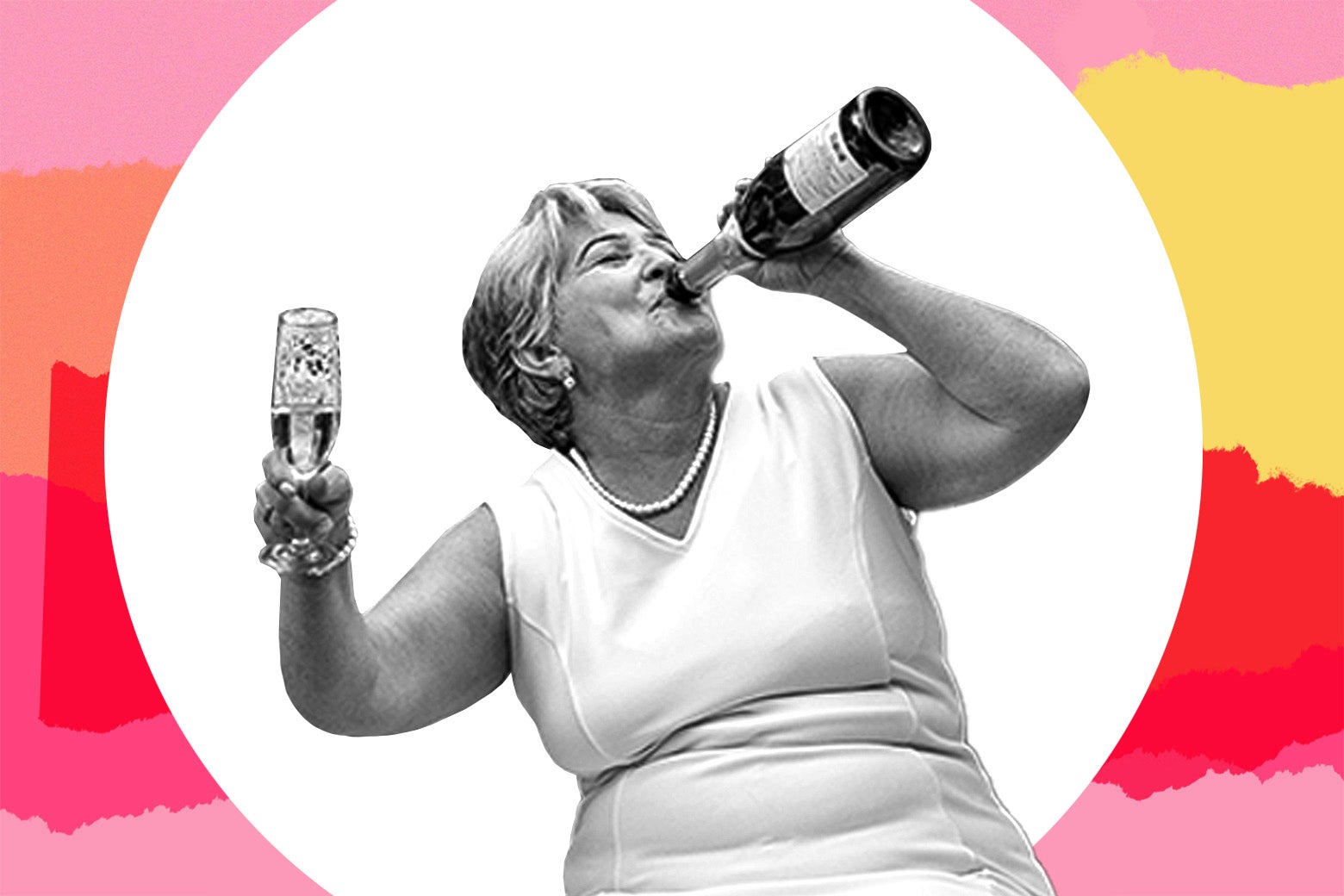
The writer is concerned about the behavior of drunk grandmothers in their family and among friends, who become unkind to the grandchildren when intoxicated. They feel distressed hearing complaints about the inability to set boundaries and protect the kids from the drunk grandmothers. The advice suggests addressing the issue within the family, being a buffer between the grandmothers and the kids, and considering avoiding gatherings to protect future children from the behavior.
A study found that the number of middle-aged women hospitalized due to alcohol misuse nearly doubled during the pandemic, with complications of alcohol-related disease rising by 33% to 56%. The increase in drinking among women, particularly during the pandemic, has led to serious alcohol-related health issues. Women are more susceptible to the ill effects of alcohol due to biological differences, and the lack of access to healthcare during the pandemic may have exacerbated their conditions. Recognizing alcohol-related issues involves observing changes in behavior and seeking help from healthcare professionals and support groups.
Iowa has seen a rise in cancer rates, with potential factors including contaminated water, soil, and air from agricultural chemicals, as well as the state's growing alcohol problem. The agriculture industry in Iowa heavily relies on pesticides and fertilizers, with concerns about their impact on cancer risk. Additionally, the state has one of the highest rates of binge drinking in the US, which has been linked to alcohol-related cancers. Health experts emphasize the complex interplay of genetic, behavioral, environmental, and structural factors in cancer development, urging people to address controllable aspects such as alcohol consumption to reduce risks.
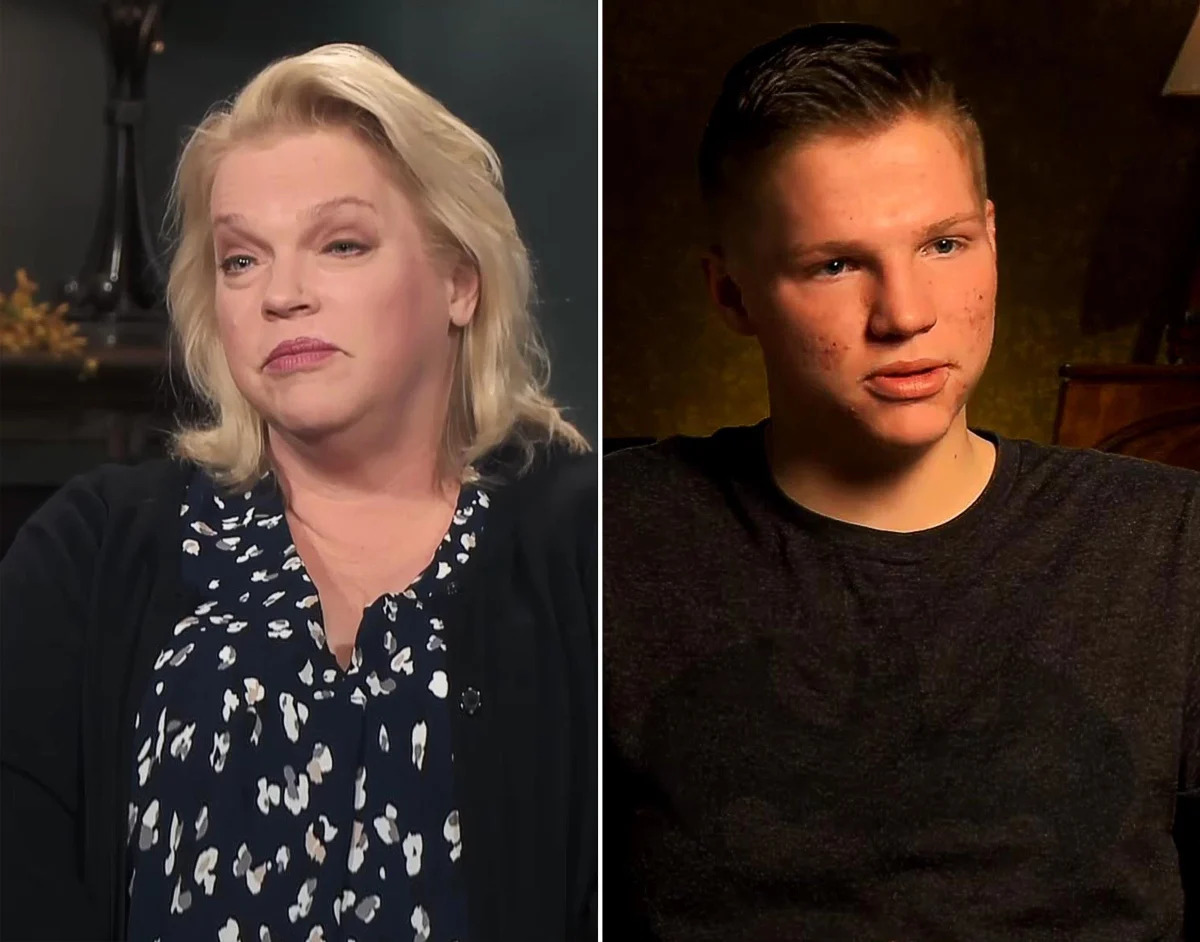
Sister Wives star Janelle Brown expressed regret over not seeking help for her son Garrison before his apparent suicide, as revealed in a police report. Garrison had been battling alcohol issues and depression, with roommates and family members noting his struggles. Janelle had previously voiced concerns about her sons' mental health on the show. If you or someone you know is in emotional distress or considering suicide, call the National Suicide Prevention Lifeline at 1-800-273-TALK (8255).
Former talk show host Wendy Williams, 59, admitted to consuming an entire bottle of vodka while struggling with alcohol abuse and cognitive difficulties in a disturbing documentary that revealed her diagnosis of frontotemporal dementia and aphasia. The film captured her erratic behavior, confrontations with her team and family, financial concerns, and legal interventions, shedding light on her ongoing struggles. Williams' son was accused of charging $100K to her AmEx, and her bank petitioned for a guardianship due to concerns about her cognitive issues. Williams has been living in a treatment facility since April 2023, and her health struggles have had significant behavioral and cognitive impacts.