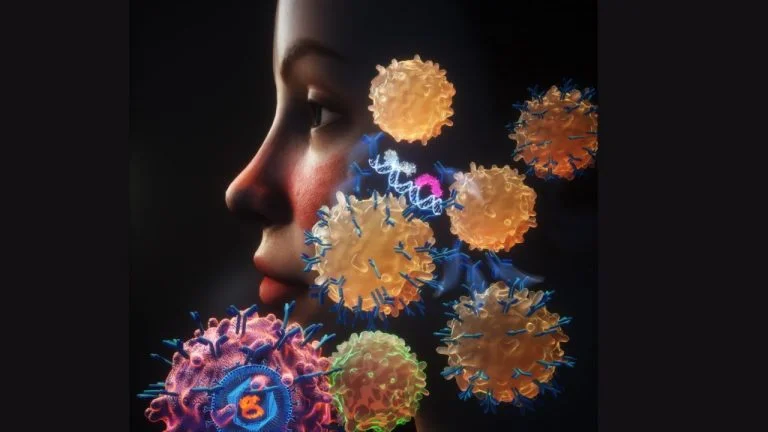
Groundbreaking research suggests that the Epstein-Barr virus (EBV), common in childhood, may be the trigger for lupus by causing immune cells to attack the body's tissues, potentially leading to new treatments and vaccine development.
Stanford Medicine researchers have linked the Epstein-Barr virus (EBV), which most people carry, to the development of lupus by showing how infected B cells can trigger autoimmune responses, potentially opening new avenues for treatment and prevention.
The article discusses the complexities of autoimmune diseases like lupus, highlighting recent scientific advances such as CAR-T therapy and targeted drugs, which offer hope for better diagnosis, understanding, and treatment of these conditions that affect millions worldwide.
The article shares Ruth Wilson's experience living with lupus, a complex autoimmune disease, highlighting her long diagnosis journey, daily struggles, treatment, and her efforts to support others and raise awareness about the disease.
Ruth Wilson's six-year struggle to diagnose her lupus highlights the challenges of autoimmune diseases, which affect millions and are difficult to treat. Advances in research, including new therapies like CAR-T and targeted drugs, offer hope for better diagnosis, understanding, and potentially cures, as scientists explore the complex biology and diverse subtypes of these conditions.
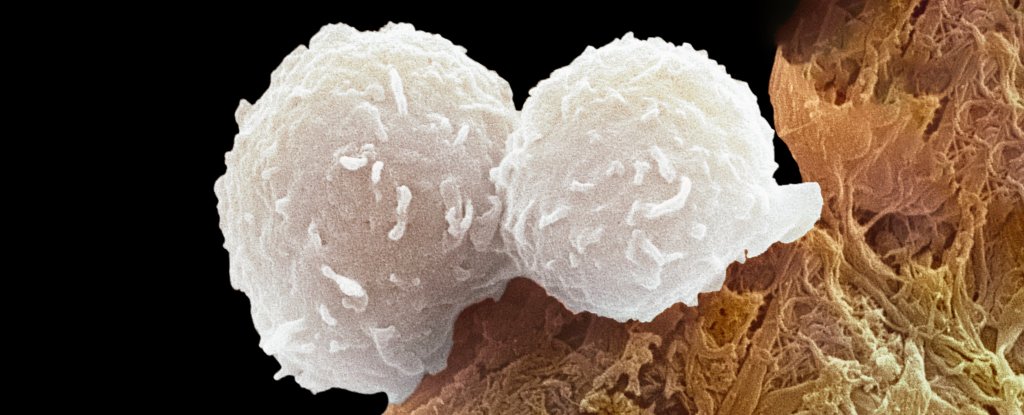
A new cancer-inspired treatment called CAR T-cell therapy shows promise in effectively treating severe lupus, offering hope to patients who have exhausted conventional options, as demonstrated by Jennifer Le's successful case in Boston.
Selena Gomez announced her engagement to music producer Benny Blanco on social media, sharing images of her engagement ring and the couple together. The post quickly garnered millions of likes and comments from celebrities like Taylor Swift. Gomez, who has 432 million Instagram followers, previously revealed she cannot carry her own children due to medical issues, including lupus and a kidney transplant. Despite these challenges, she expressed excitement about her future with Blanco.
A study by Sapienza University of Rome suggests that high-caffeine drinks like coffee, tea, and hot chocolate may reduce the risk of heart disease by lowering blood pressure, particularly in people with Lupus. The research indicates caffeine's anti-inflammatory properties could benefit heart health, though further studies are needed to confirm these findings. This aligns with other experts who note the cardiovascular benefits of moderate coffee and tea consumption.
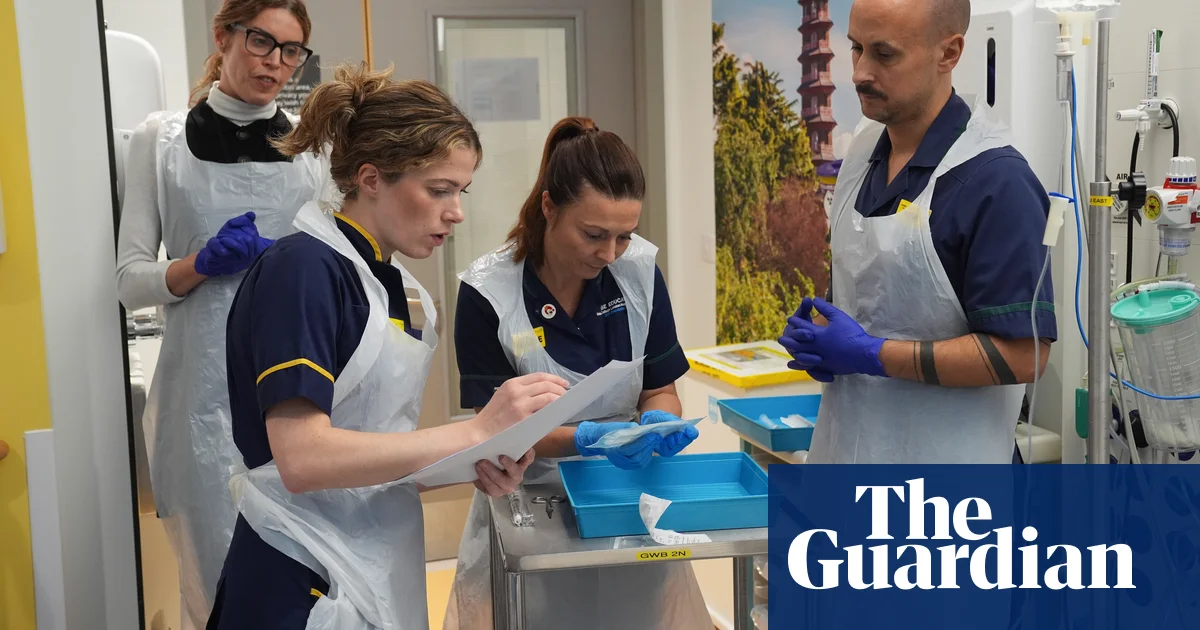
A new treatment for lupus, using CAR T-cell therapy, is being hailed as groundbreaking, potentially eliminating the need for lifelong medication. This therapy, which genetically modifies a patient's cells to fight the autoimmune disease, has shown promising results in Germany, with patients achieving remission. In the UK, three patients have received the treatment, including a 32-year-old woman who reported improved energy and reduced symptoms. The therapy, previously used for cancer, could revolutionize lupus treatment and possibly lead to a cure, though it involves risks such as increased infection susceptibility.
Researchers at Northwestern University and Brigham and Women's Hospital have identified an imbalance in helper T cells as a potential root cause of lupus, an autoimmune disease. The study found that insufficient activation of the aryl hydrocarbon receptor (AHR) in T cells leads to an overproduction of autoantibodies, causing the disease's symptoms. Introducing AHR-activating molecules into blood samples from lupus patients balanced the immune cells, offering a potential new treatment approach that avoids broad immunosuppression. The findings were published in Nature.
Researchers have identified a potential cause of lupus based on molecular defects in patients' blood, which could lead to more effective treatments without the side effects of current therapies.
Researchers have identified a potential cause of lupus, an autoimmune disease, by discovering a chemical imbalance in patients' blood involving T cells and proteins like interferon and AHR. This breakthrough could lead to new treatments that specifically target disease-causing cells, offering hope for a cure without the severe side effects of current immunosuppressive therapies. The study, conducted by Northwestern and Brigham and Women’s Hospital, was published in the journal Nature.
This week's top health stories include insights into living with stiff person syndrome, potential ancient Egyptian cancer treatments, a breakthrough in lupus research, the risks and benefits of moms microdosing on mushrooms, and concerns over cognitive health following President Biden's recent debate performance.
Sierra Butler, a West Virginia teacher diagnosed with lupus, is participating in a groundbreaking clinical trial at the Cleveland Clinic using CAR-T therapy, which genetically modifies a patient's white blood cells to attack problematic cells. This therapy, commonly used for cancer, has shown promising results in treating lupus, potentially leading to remission. Butler's condition has significantly improved, and the trial offers hope for a long-term solution to her treatment-resistant lupus.
Pop star Halsey revealed her battle with Lupus SLE and a rare T-cell lymphoproliferative disorder, sharing that she is now in remission and feeling better after two years of treatment. She expressed gratitude for her fans' support and announced that proceeds from her new song "The End" will be donated to related health organizations.