Bristol Myers Squibb is acquiring Orbital Therapeutics for $1.5 billion to expand into in vivo CAR-T cell therapies, focusing on autoimmune diseases and leveraging Orbital's RNA-based approach to produce CAR-T cells within the body, marking a significant move in the biotech and cell therapy markets.
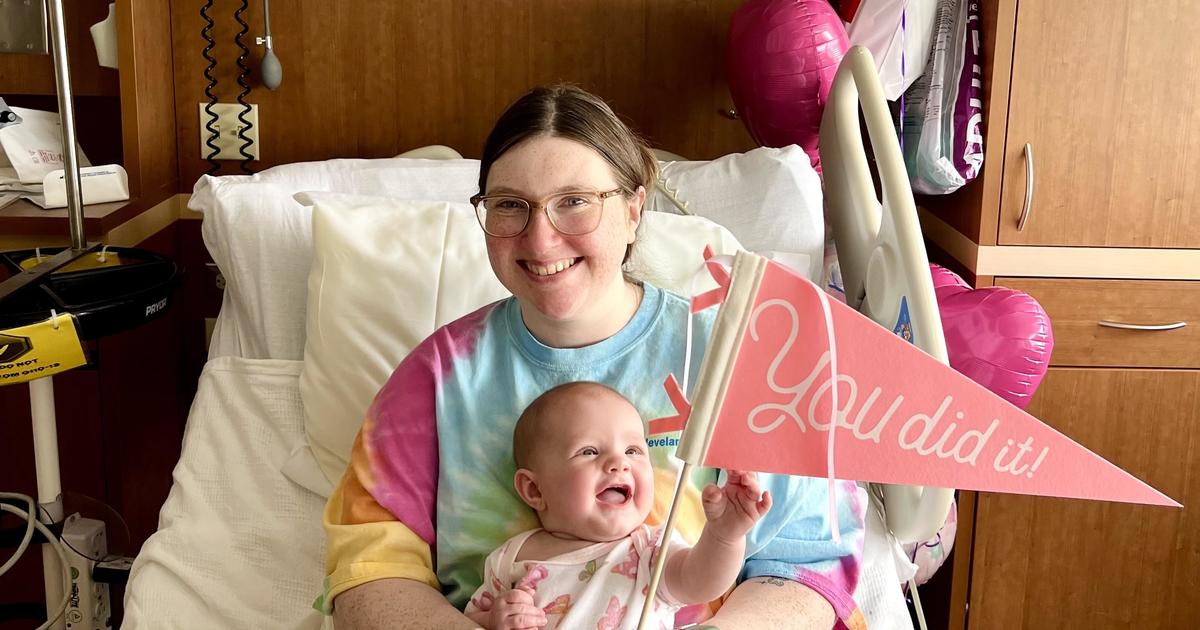
Sharon Smith, a healthy mother of two from Liverpool, was unexpectedly diagnosed with acute lymphoblastic leukemia after experiencing sudden chest pain, despite having no prior symptoms. She underwent chemotherapy, a stem cell transplant, and innovative CAR-T therapy, which ultimately proved successful, offering her hope for the future.
Johnson & Johnson's early-stage clinical trial of a dual-targeting CAR-T therapy for lymphoma shows promising results, with a 100% response rate in patients with prior treatment, and manageable safety profile, marking a significant step forward in blood cancer treatment.
A study shows that a single infusion of CAR-T therapy cilta-cel can lead to at least five years of remission in about one-third of patients with relapsed or refractory multiple myeloma, suggesting potential curative outcomes for some patients.
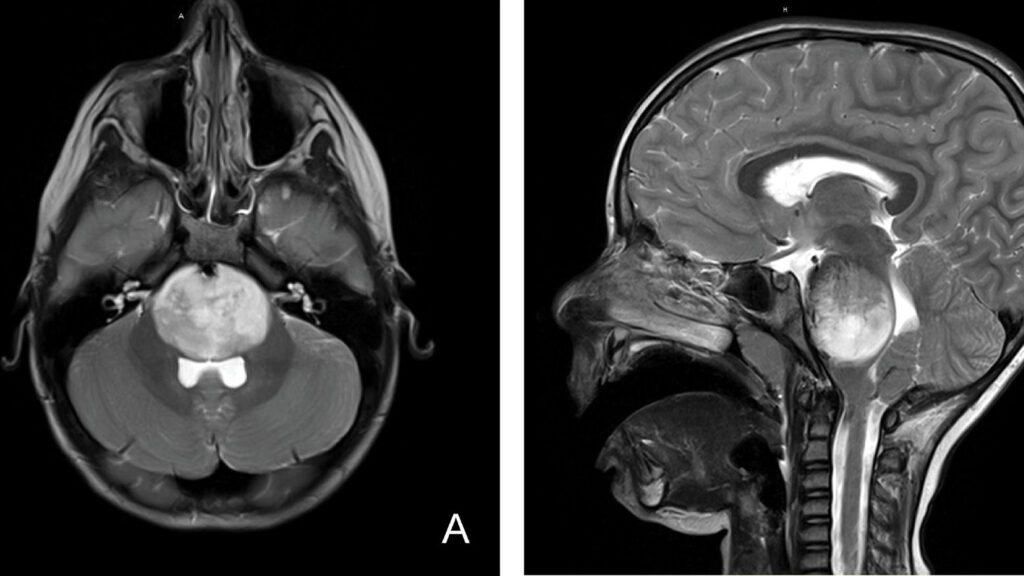
A new study published in Nature reveals promising results for CAR-T therapy in treating diffuse intrinsic pontine gliomas (DIPG), a highly aggressive childhood brain tumor. Led by Michelle Monje-Deisseroth at Stanford University, the trial showed that four out of eleven patients experienced significant tumor reduction, with one patient remaining in complete remission 30 months post-treatment. Despite the high mortality rate, these findings offer hope for a condition previously deemed untreatable.
Sierra Butler, a West Virginia teacher diagnosed with lupus, is participating in a groundbreaking clinical trial at the Cleveland Clinic using CAR-T therapy, which genetically modifies a patient's white blood cells to attack problematic cells. This therapy, commonly used for cancer, has shown promising results in treating lupus, potentially leading to remission. Butler's condition has significantly improved, and the trial offers hope for a long-term solution to her treatment-resistant lupus.
A pioneering clinical trial at UCSF is utilizing a novel CAR-T therapy enhanced by synNotch technology to target glioblastoma, a deadly brain tumor. This advanced approach aims to improve treatment specificity and effectiveness while reducing side effects, potentially extending survival and enhancing patients' quality of life. The trial, funded by grants totaling up to $11 million, represents a significant advancement in translational medicine and offers hope for addressing the urgent need for new treatments for glioblastoma.
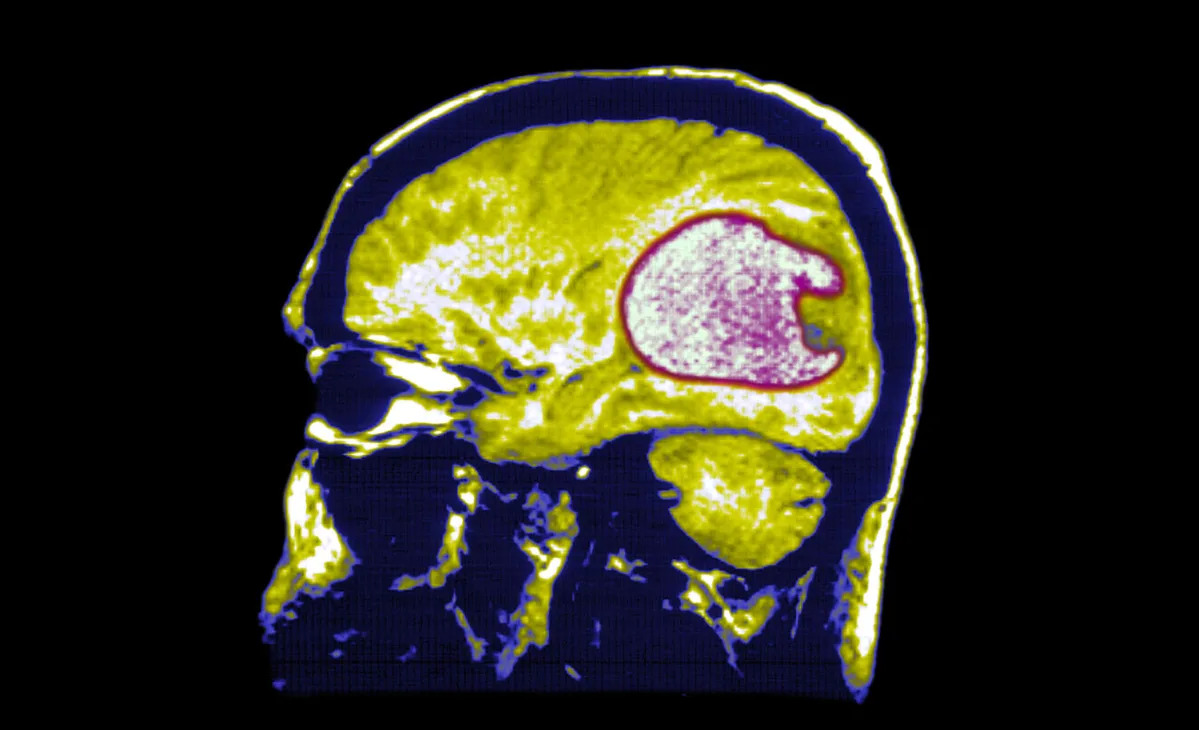
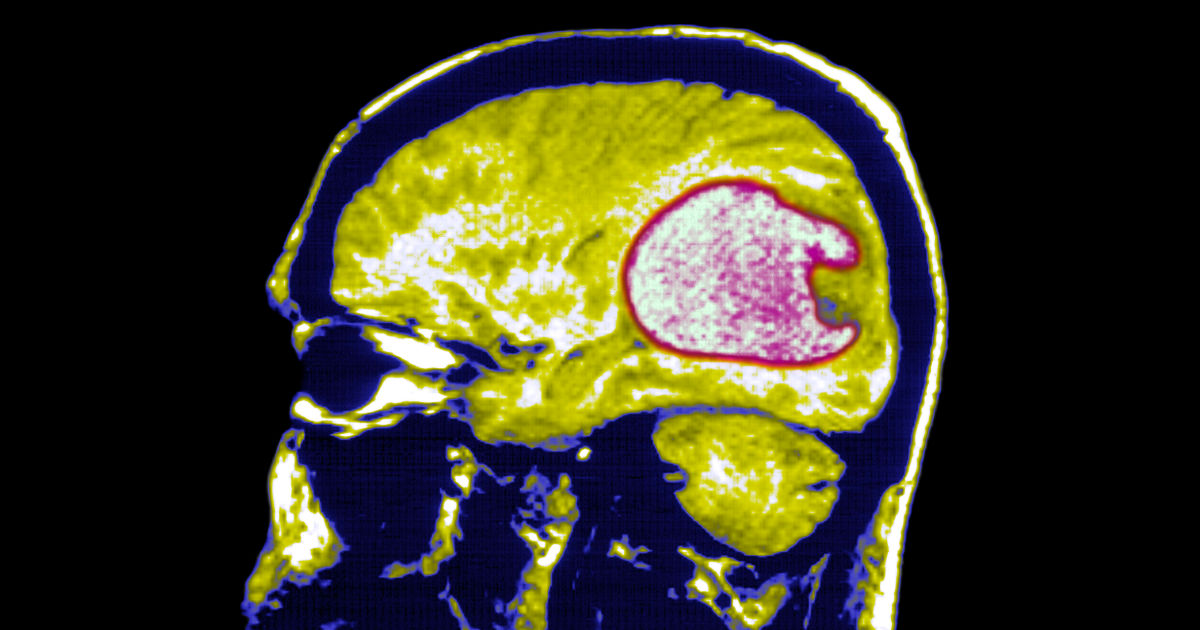
Scientists are testing a new approach to fight glioblastoma, an aggressive brain tumor, using CAR-T therapy to turn patients' immune cells into "living drugs" that can target and attack the tumor. Early tests have shown promising results, with tumors temporarily shrinking in some patients. Two separate teams at Massachusetts General Hospital and the University of Pennsylvania are developing next-generation CAR-T therapy treatments to overcome glioblastoma's defenses. While it's still early days, researchers are optimistic about the potential of these treatments, as current options for glioblastoma patients are limited.
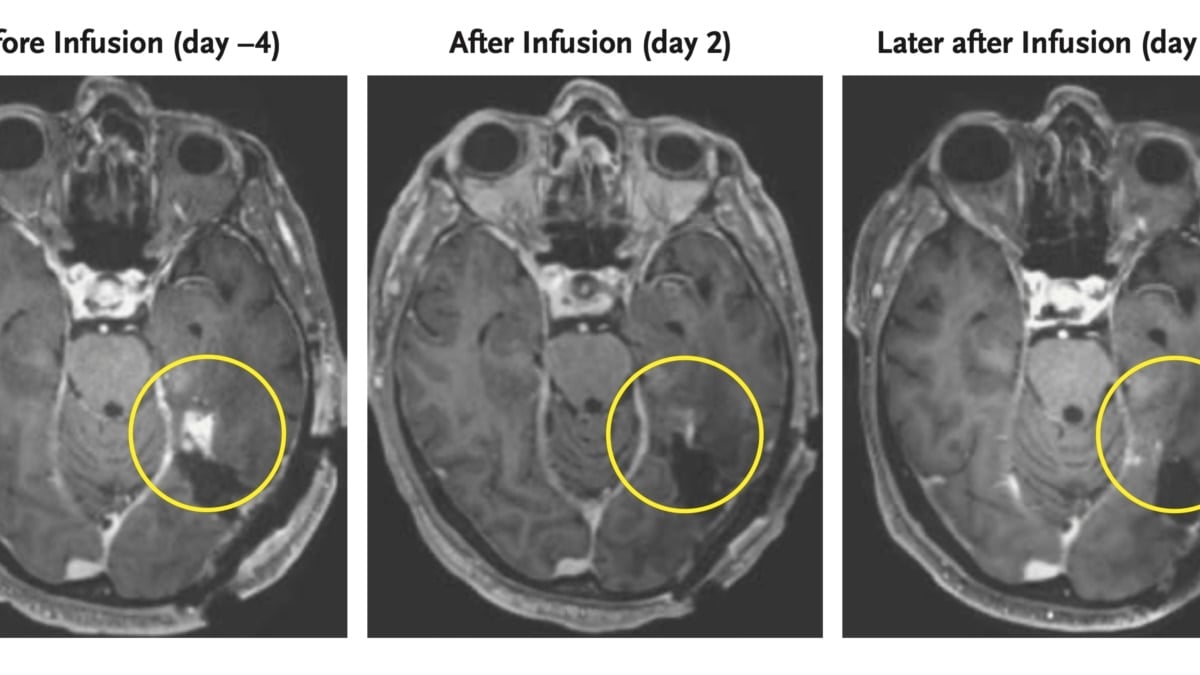
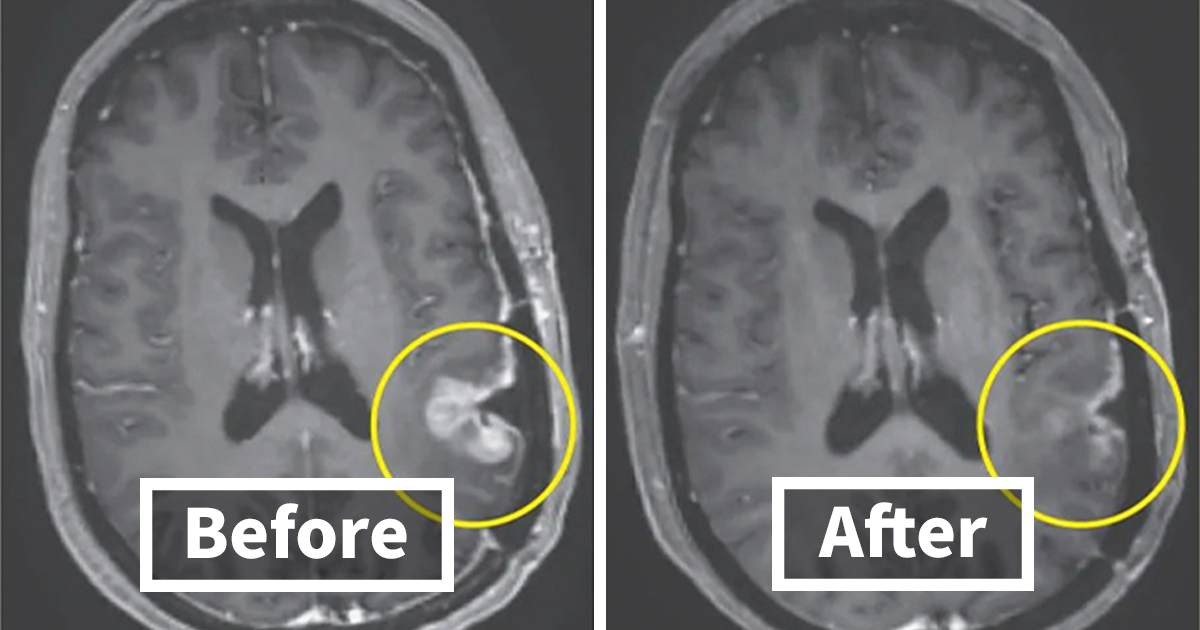
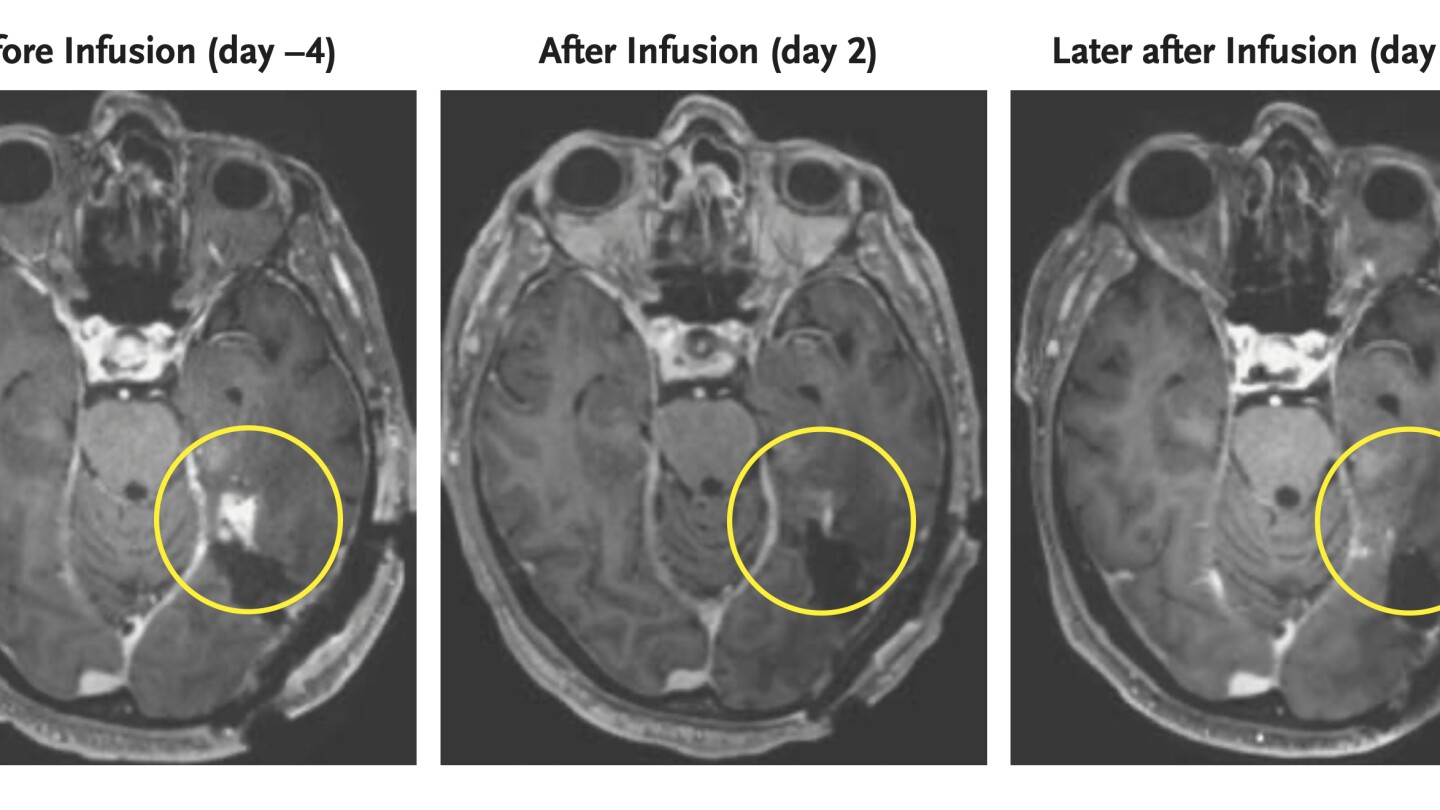
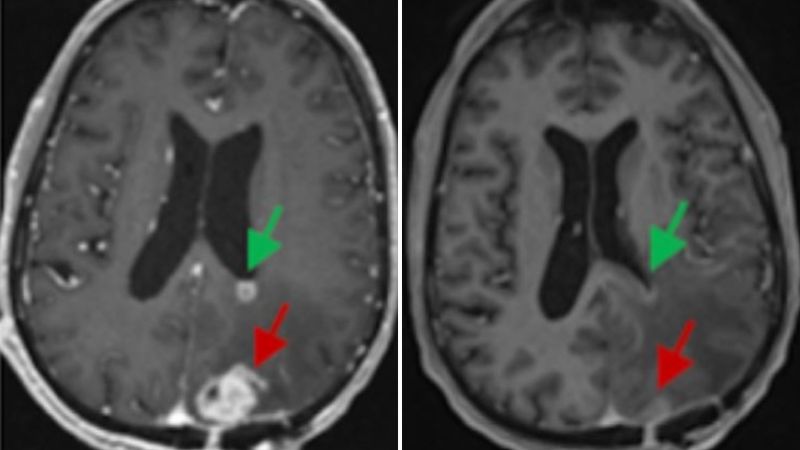
A new breakthrough treatment for glioblastoma, an aggressive type of brain tumor, has shown promise in initial trials with a small group of patients. The treatment involves modifying patients' own immune cells using CAR-T therapy, resulting in significant tumor shrinkage and even near-complete tumor regression in one patient after just five days of treatment. While the results are temporary and further research is needed, scientists are optimistic about the potential of this new strategy to combat glioblastoma.
Two small clinical trials have shown promise in treating glioblastoma, one of the deadliest types of cancer, using a personalized immunotherapy called CAR-T therapy. The therapy involves modifying a patient's immune cells to target specific tumor proteins and has shown temporary tumor shrinkage in patients whose glioblastoma had returned after initial treatment. While the results are preliminary and more research is needed, the trials suggest that CAR-T therapy may be a safe and potentially effective treatment for glioblastoma, offering hope for improved outcomes in the future.
Two small clinical trials have shown promise in treating glioblastoma, a deadly brain cancer, using a personalized immunotherapy called CAR-T therapy. The therapy involves modifying a patient's immune cells to target specific tumor proteins. Both trials demonstrated safety and temporary tumor shrinkage, but larger studies are needed to determine long-term effectiveness. Researchers are exploring modified approaches, such as targeting multiple proteins and combining therapy with radiation and chemotherapy, to improve outcomes for glioblastoma patients.
A new strategy to combat aggressive brain cancer involves using patients' own immune cells to create "living drugs" that can target and attack glioblastoma. In early tests, this approach showed promise in shrinking tumors, with some patients experiencing temporary tumor reduction. Two separate teams at Massachusetts General Hospital and the University of Pennsylvania developed next-generation CAR-T versions to overcome glioblastoma's defenses. While the results are encouraging, researchers emphasize the need to make the treatment longer-lasting.
Experimental CAR-T therapy, which reprograms a patient's own immune cells to attack glioblastoma brain tumors, has shown promising results in early studies. Some patients experienced dramatic tumor shrinkage, but none demonstrated a survival benefit yet. Researchers are optimistic about the therapy's potential and are exploring ways to improve its effectiveness and reduce side effects. While the results are encouraging, it's still early in the development of this treatment for hard-to-treat brain tumors.
The FDA has issued a warning about the potential risk of secondary cancers in cancer patients treated with CAR-T cell therapy, requiring manufacturers to add a "boxed warning" to the products' prescribing information. The agency has received reports of T-cell malignancies after treatment with these therapies, but emphasizes that the overall benefits still outweigh the risks. Patients receiving these therapies should be monitored for life, and healthcare providers are urged to report any new malignancies. While the risk appears to be low, the FDA is investigating and updating guidance as needed, and experts believe the benefits of CAR-T therapies continue to outweigh the risks.
The FDA has instructed several drugmakers to add a boxed warning to the prescribing information for CAR-T therapy, a type of cancer treatment, due to reports of rare blood cancers in patients who had previously received the therapy. Despite the warning, the FDA maintains that the overall benefits of CAR-T therapy outweigh its potential risks. The therapy, which uses a patient's own immune cells to target cancer cells, has been highly effective in treating certain blood cancers. Drugmakers are required to submit proposed label changes within 30 days, acknowledging the rare risk of blood cancers associated with CAR-T therapy. While the exact causal relationship between CAR-T therapy and cancer is still unclear, physicians may become more cautious in discussing the potential risk of developing secondary cancers with patients undergoing cancer treatment.