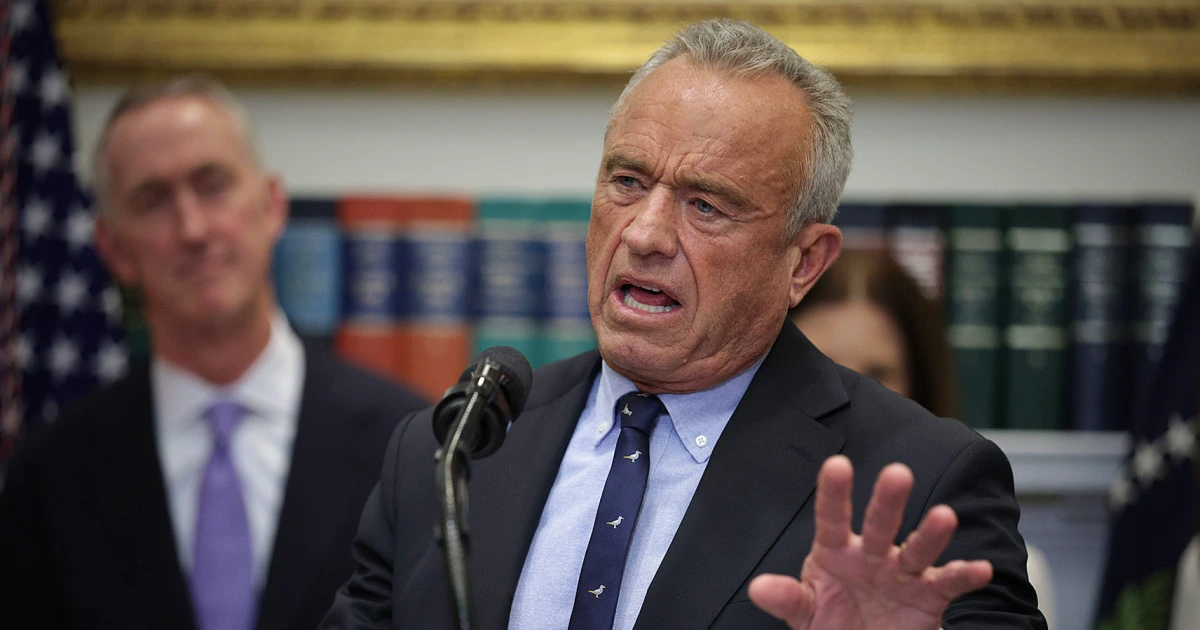
Longtime vaccine critic Robert F. Kennedy Jr. is influencing Trump's health policies by helping to reduce the recommended childhood vaccines from 14 to 11, a move that has faced criticism from health experts and could impact vaccine access and public trust, especially if it leads to decreased vaccination rates and increased preventable diseases.

The CDC has revised US childhood immunization guidelines, reducing the number of diseases children are vaccinated against from 17 to 11, with some vaccines like COVID-19 and hepatitis now recommended based on risk and shared decision-making, sparking criticism from health experts and pediatric associations.
The US has revised its childhood vaccine schedule, now recommending fewer vaccines for flu, hepatitis A and B, and RSV, aligning with peer countries, and bypassing the usual approval process, under Health Secretary Robert F. Kennedy Jr.'s initiatives.
The CDC has overhauled the childhood vaccine schedule to recommend fewer shots, aligning more closely with Denmark's approach, citing efforts to restore public trust post-pandemic, though experts criticize the lack of transparency and potential risks of reduced vaccination coverage.
Vaccination rates for children in many U.S. counties have declined significantly, leading to increased risks of outbreaks of preventable diseases like measles and whooping cough, and threatening the country's herd immunity status amid recent policy debates and changes in vaccine recommendations.
The US Department of Health and Human Services plans to revise the childhood vaccine schedule to recommend fewer shots, aligning more closely with Denmark's system, amid political and health debates about vaccine safety and efficacy, with some experts criticizing the move as superficial or ideologically driven.
The CDC approved a major update to the childhood immunization schedule, recommending against giving all newborns a hepatitis B vaccine within 24 hours of birth, following a federal advisory panel's advice.
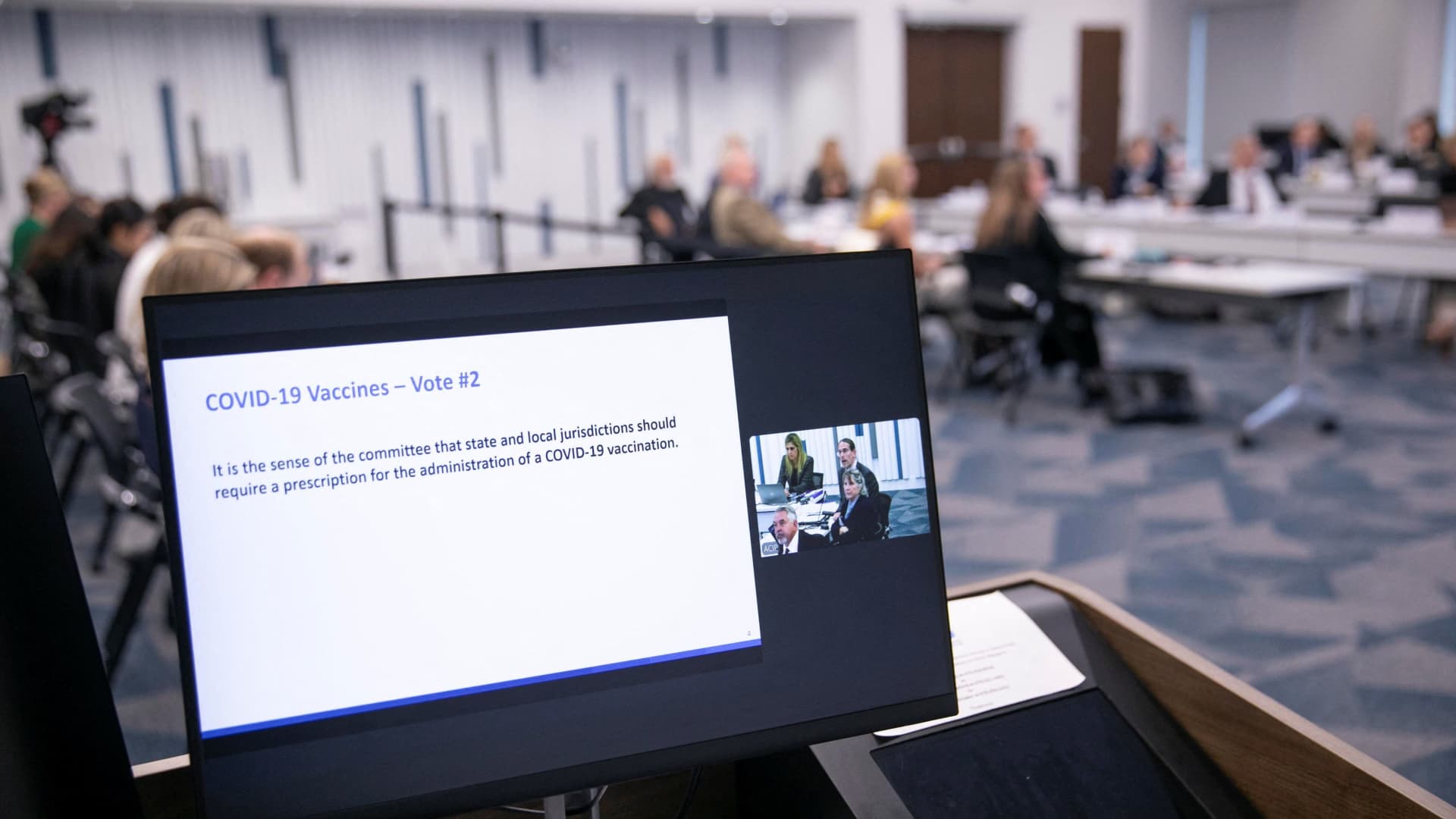
The CDC's Advisory Committee on Immunization Practices (ACIP) is planning to review and assess the safety and implementation of childhood vaccines, including ingredients like aluminum adjuvants, amid concerns and changes in panel membership, to ensure vaccine safety and efficacy for various subgroups of children.
The CDC has shifted to individual-based decision-making for COVID-19 vaccines, emphasizing informed consent and shared decision-making between patients and healthcare providers. It also recommends giving the varicella (chickenpox) vaccine separately from MMR to reduce the risk of febrile seizures in young children. These changes aim to improve vaccine safety and patient autonomy.
The Trump administration's changes to Covid and childhood vaccine recommendations, including weakened guidance from ACIP and delays in vaccine updates, could complicate access and create public confusion, though many health experts emphasize the importance of vaccination for high-risk groups and advise consulting healthcare providers for individual decisions.
A U.S. federal vaccine advisory panel is debating delaying the hepatitis B vaccine for newborns, which could risk a resurgence of the disease, despite longstanding public health success. The delay is being considered for babies born to hepatitis B-negative mothers, but experts warn it could lead to more cases of chronic liver disease. The panel also discussed separating the MMRV vaccine doses, which has caused controversy and confusion about vaccination practices. The decisions reflect ongoing debates about vaccine safety, trust, and public health policy.
The article discusses conflicts within U.S. health agencies over vaccine policies, with Secretary Kennedy pushing for changes based on skepticism of vaccine safety, leading to disputes with officials like Monarez and Cassidy, and involving political and pharmaceutical interests.
The CDC's vaccine advisory panel is debating potential changes to childhood vaccine recommendations, including the use of the MMRV vaccine, amid controversy over new leadership appointed by Health Secretary Robert F. Kennedy Jr., with debates focusing on vaccine safety, parental choice, and the politicization of vaccine policymaking.
Health Secretary Robert F. Kennedy Jr. announced plans to change the childhood vaccine schedule starting in September, sparking controversy over political influence in scientific health recommendations, with the upcoming CDC advisory panel meeting to determine the specifics.
Public health experts are concerned about potential major changes to childhood vaccine policies amid a leadership shakeup at the CDC, with fears that recommendations for vaccines like RSV antibodies, hepatitis B, and MMRV could be restricted or rolled back, influenced by vaccine critics and political shifts, which may impact vaccine access and public health strategies.