
Tag

Radiocarbon

All articles tagged with #radiocarbon

science-and-technology2 years ago

Ancient Tree Rings Uncover Devastating Solar Storm

Scientists have identified evidence of the largest-ever solar storm that hit Earth 14,300 years ago, which could have had catastrophic effects on our modern technological society if it were to occur today. The storm was identified through the study of ancient tree rings, which showed an unprecedented spike in radiocarbon levels. By comparing this spike to measurements of beryllium in Greenland ice cores, the researchers concluded that the spike was caused by a colossal solar storm that bombarded Earth's atmosphere with energetic particles. Understanding the risks of such storms is crucial for building resilience in our communication and energy systems. While these extreme solar storms are rare, occurring only nine times in the last 15,000 years, their exact nature and causes remain poorly understood.
science-and-technology2 years ago

Ancient Tree Rings Uncover Massive Solar Storm from 14,000 Years Ago

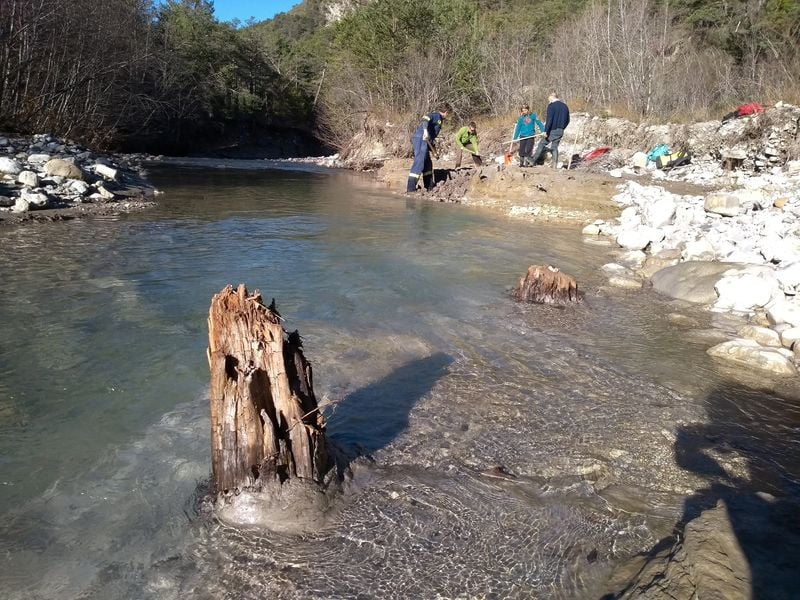
Tree rings from ancient Scots pine trees in the French Alps have revealed evidence of the largest-known solar storm, which occurred 14,300 years ago during the last Ice Age. The solar storm, characterized by a burst of energetic particles from the sun, would have caused significant damage to satellites and electricity grids if it had occurred today. The storm resulted in a spike in radiocarbon levels detected in the tree rings, indicating the absorption of high-energy particles into the trees' tissue. The study highlights the potential catastrophic impact of solar storms on modern society, including nationwide blackouts, damage to satellites, and radiation risks to astronauts and aviation.

earth-science2 years ago

Deep-sea corals disprove ocean currents' role in atmospheric CO2 rise.

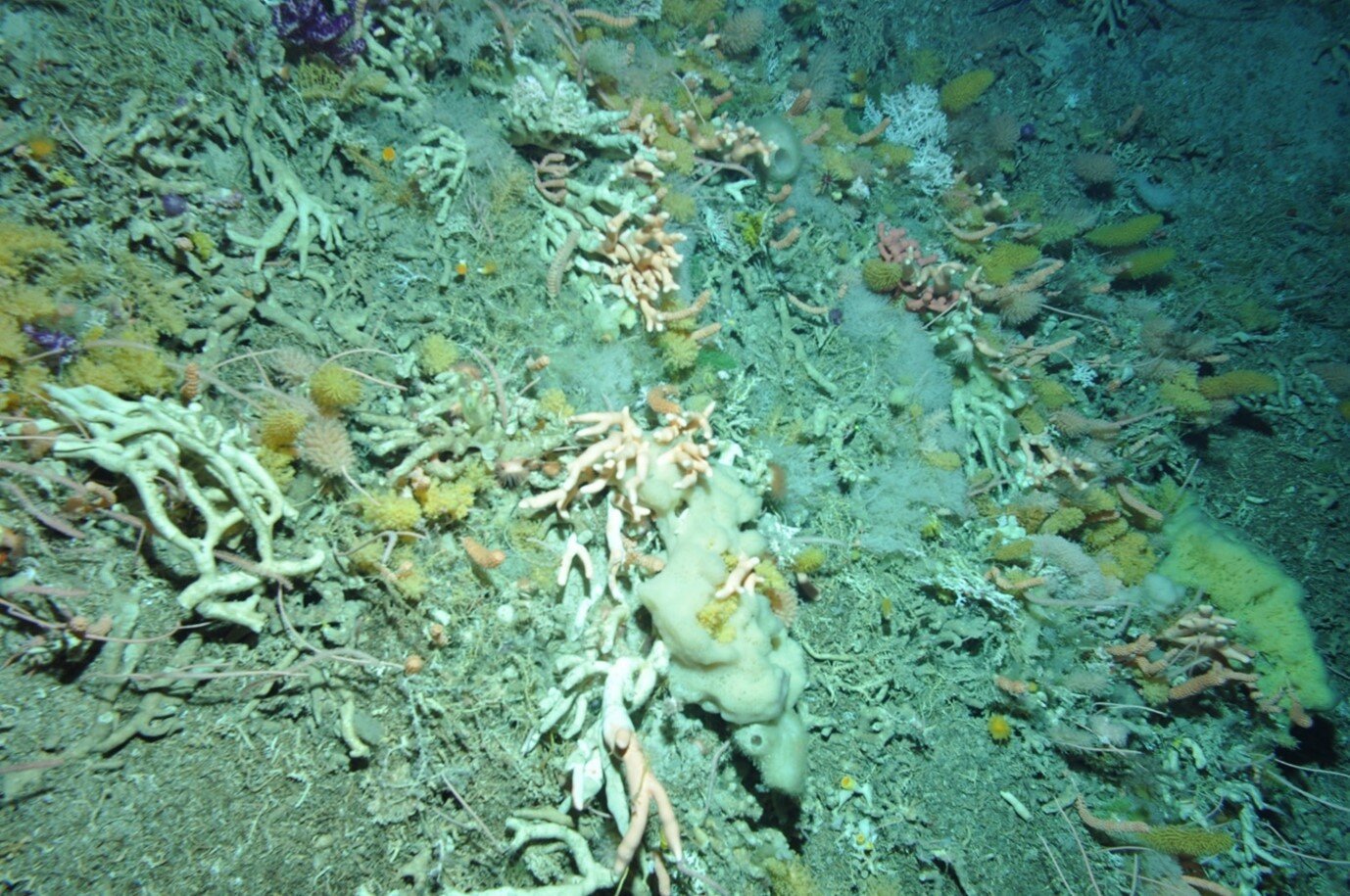
A study led by the University of Bristol and Nanjing University has found that ocean currents did not contribute to the increase in global levels of carbon dioxide in the air over the past 11,000 years. The study examined deep-sea corals to shed light on the history of ocean chemistry and found that long-term polar ocean mixing between surface and deep water remained relatively stable. The researchers propose that biogeochemical cycles that redistribute nutrients and carbon in the ocean and on land may have influenced the rise in atmospheric CO2 levels during the Holocene.