Tag

Mosasaur

All articles tagged with #mosasaur

science4 months ago

The Largest Egg: An Unexpected Animal's Surprise

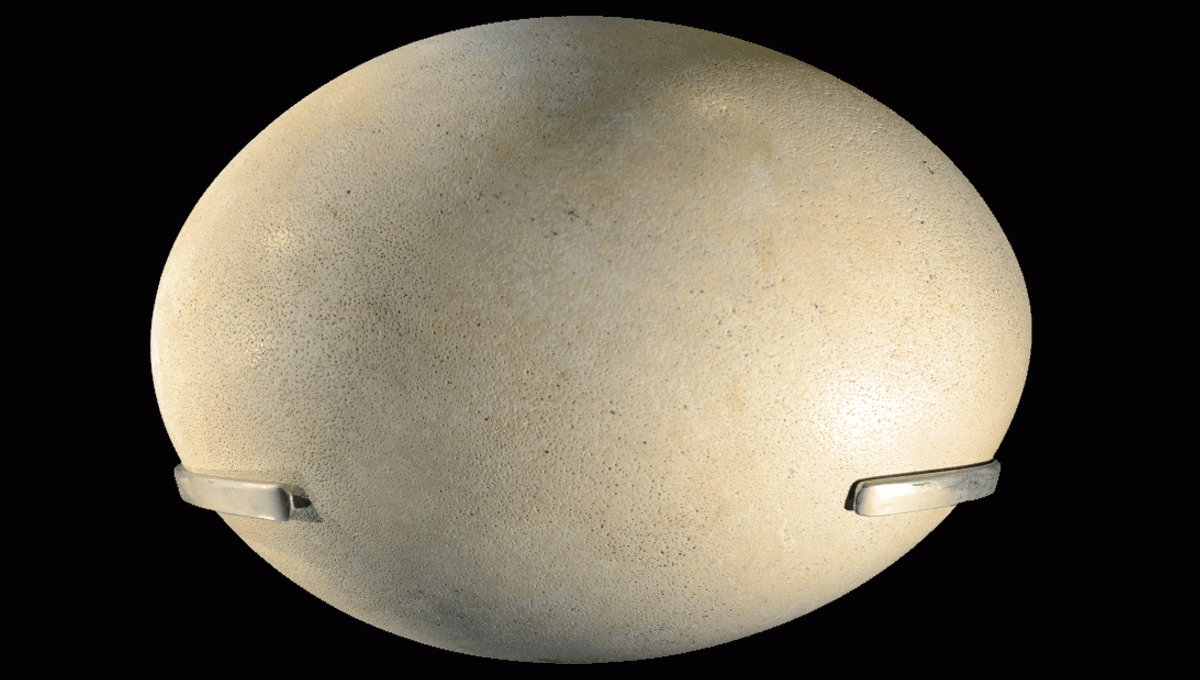
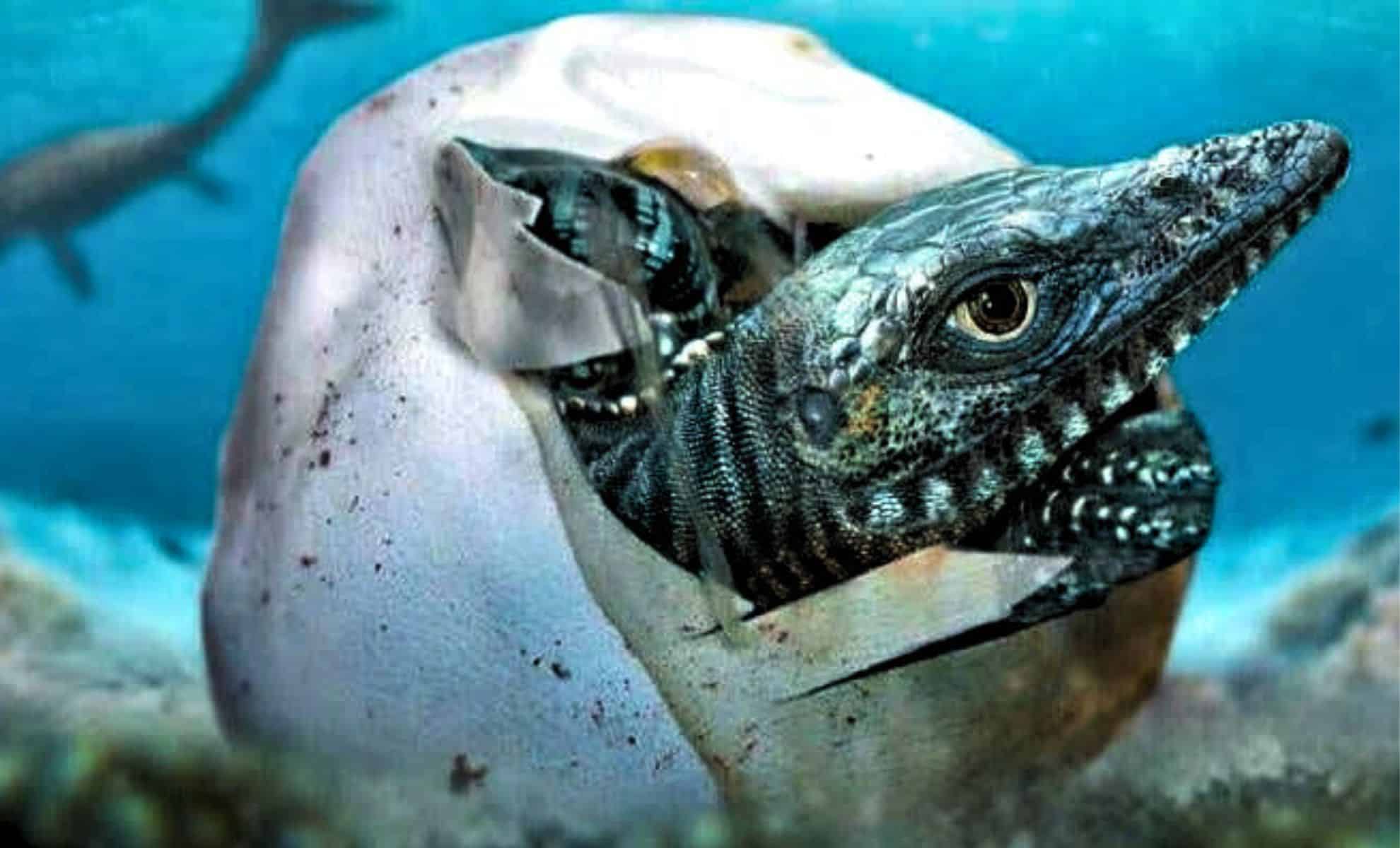
The largest eggs of any animal were laid by the extinct elephant bird Aepyornis maximus, weighing up to 1,000 kg, with fossil evidence suggesting even larger eggs from marine reptiles like mosasaurs. Currently, ostrich eggs are the largest among living birds, weighing about 2.6 kg. The article explores various giant eggs from extinct species and their significance in understanding animal evolution.

paleontology1 year ago

"Demonic Sea Monster: Unveiling the World's Nastiest Prehistoric Reptile"

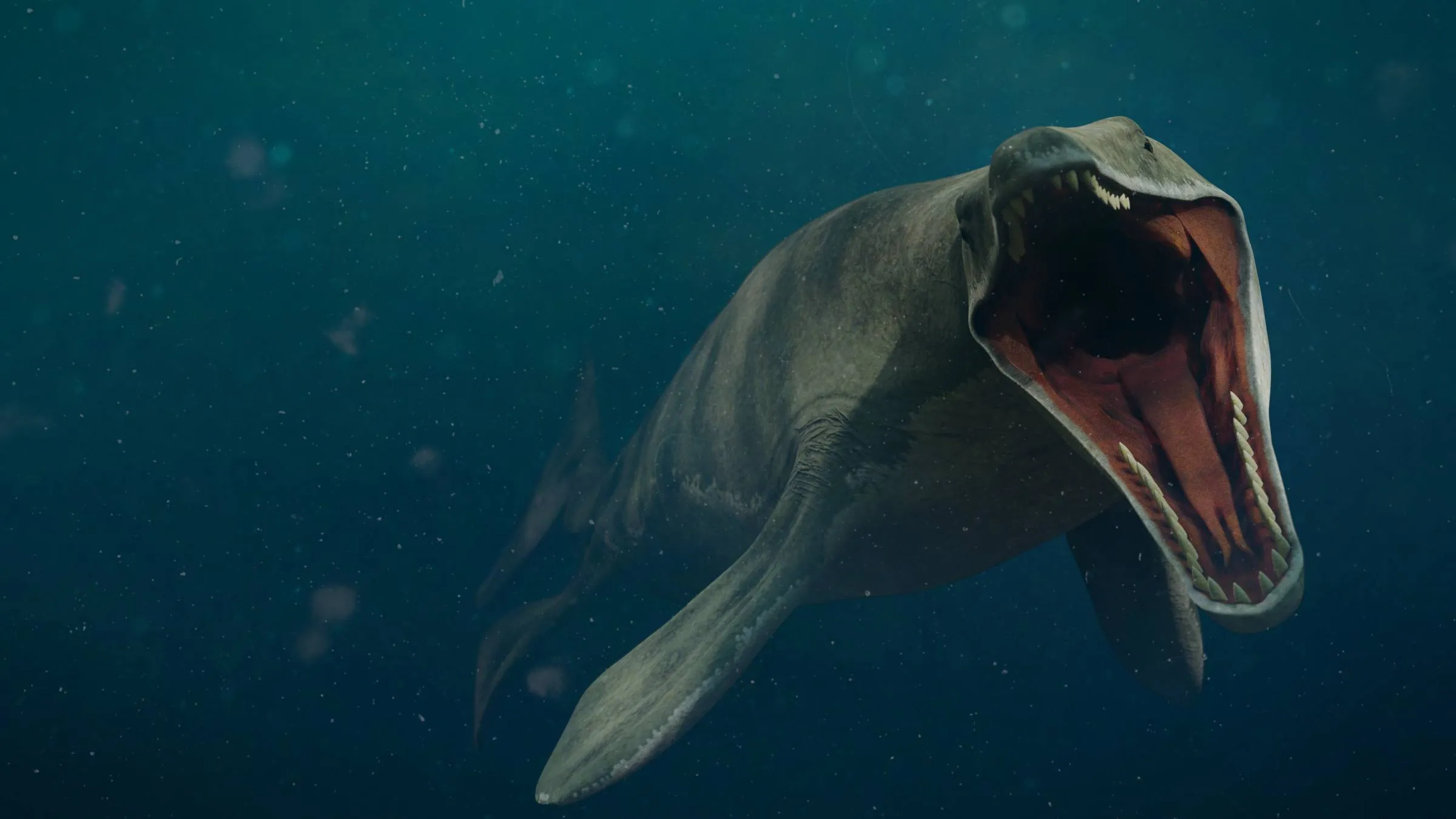
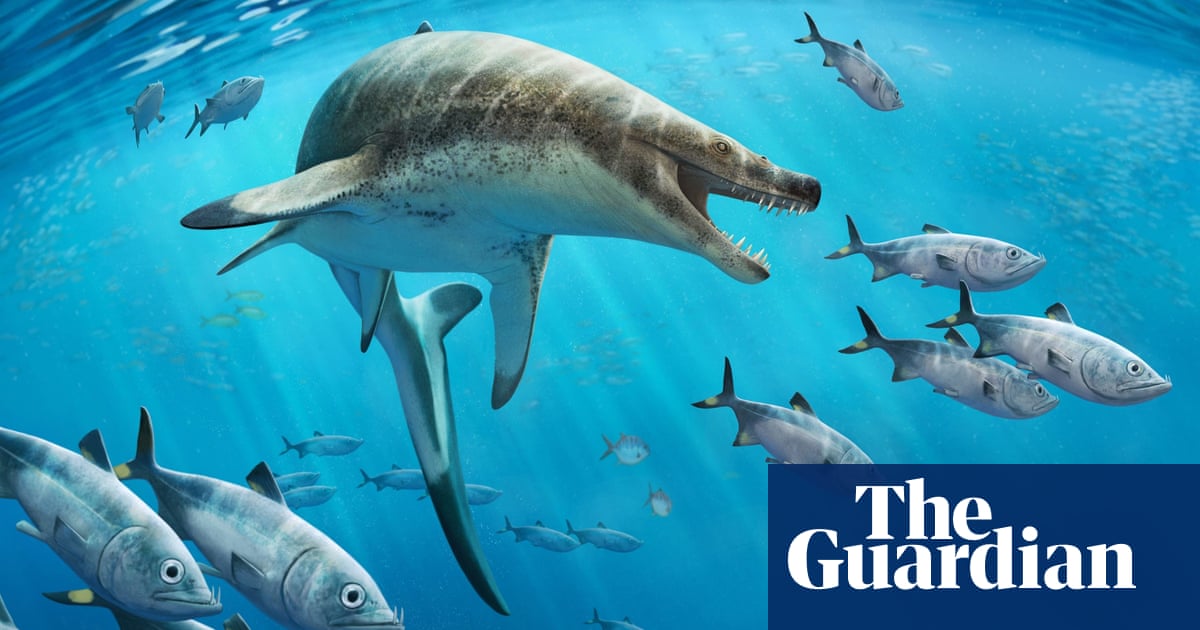
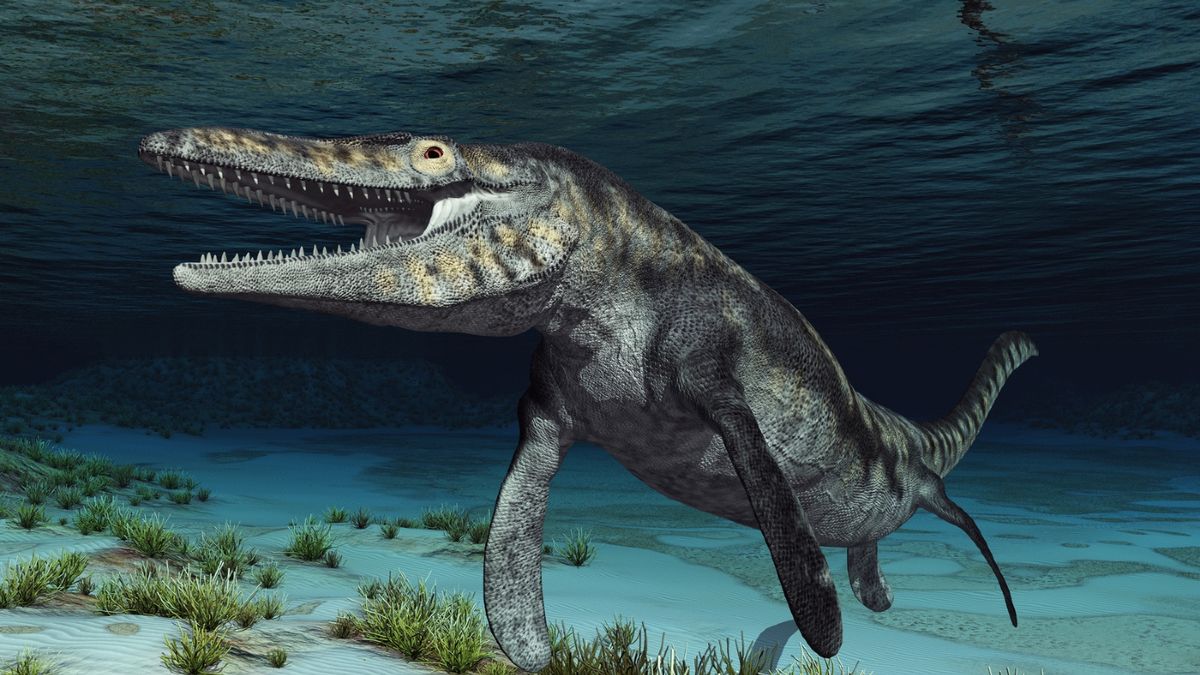
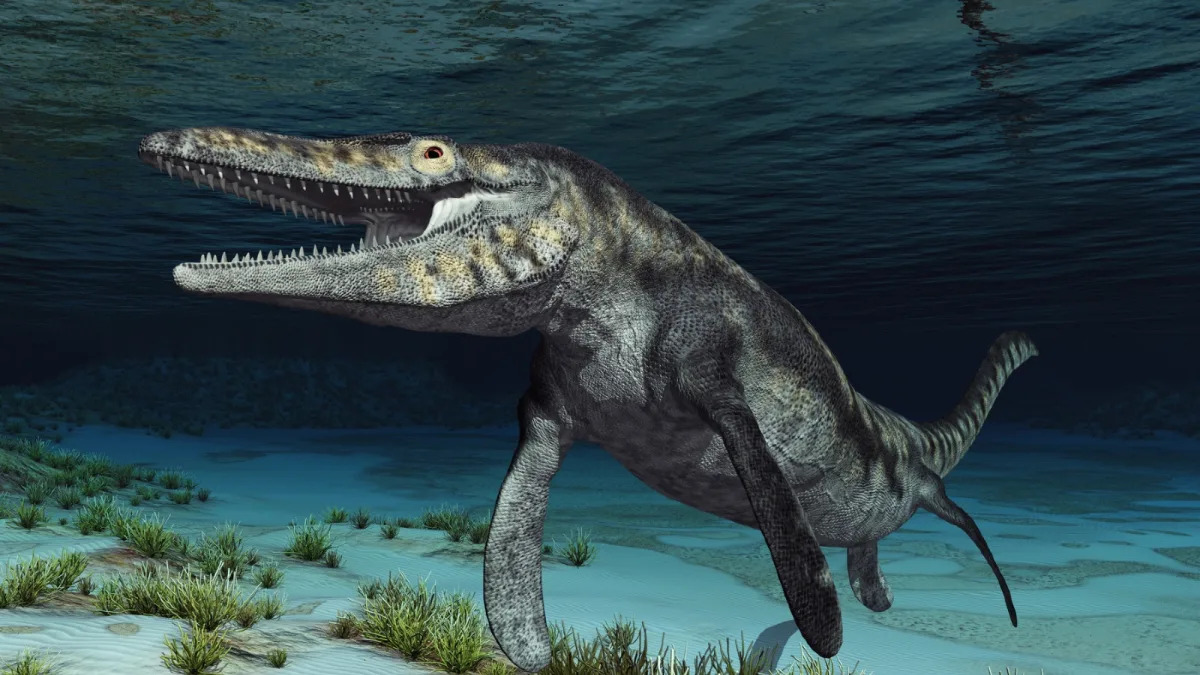
Fossilized remains found in Morocco have revealed a new species of mosasaur, Khinjaria acuta, described as terrifying, nightmarish, and hideously ugly due to its large size, robust jaws, and bladelike teeth, suggesting it was an apex predator that could expand its lower jaws to eat huge prey. The creature, about eight meters long, is considered one of the world's nastiest prehistoric reptiles, joining the ranks of other bizarre-looking ancient creatures.

paleontology1 year ago

"Monstrous Sea Lizard with Dagger-like Teeth Unearthed in Moroccan Mine"

Paleontologists in Morocco have unearthed the fossilized remains of a previously unknown marine lizard, named Khinjaria acuta, from the Cretaceous period. Measuring about 26 feet long with dagger-like teeth, this fearsome predator hunted in the Atlantic Ocean off the coast of Africa some 66 million years ago. Belonging to the Mosasauridae family, its discovery adds to the diversity of top marine predators at the end of the Cretaceous, shedding light on the variety of hunting strategies among these ancient creatures.

paleontology1 year ago

Ancient Sea Lizard with Dagger-Like Teeth: A Nightmarish Discovery

Researchers have discovered a new species of mosasaur, a giant sea lizard with dagger-like teeth, that lived during the Late Cretaceous period. Named Khinjaria acutus, this fearsome marine predator had a short face, long skull, and powerful jaws with teeth resembling daggers. Fossils of this creature were found in Morocco and date back to around 67-69 million years ago. The discovery sheds light on the diverse marine ecosystem of the Late Cretaceous and the predatory behavior of mosasaurs before they were wiped out by a mass extinction event.

paleontology2 years ago

"Unveiling the Ancient 'Blue Dragon': Japan's Terrifying Prehistoric Sea Predator"

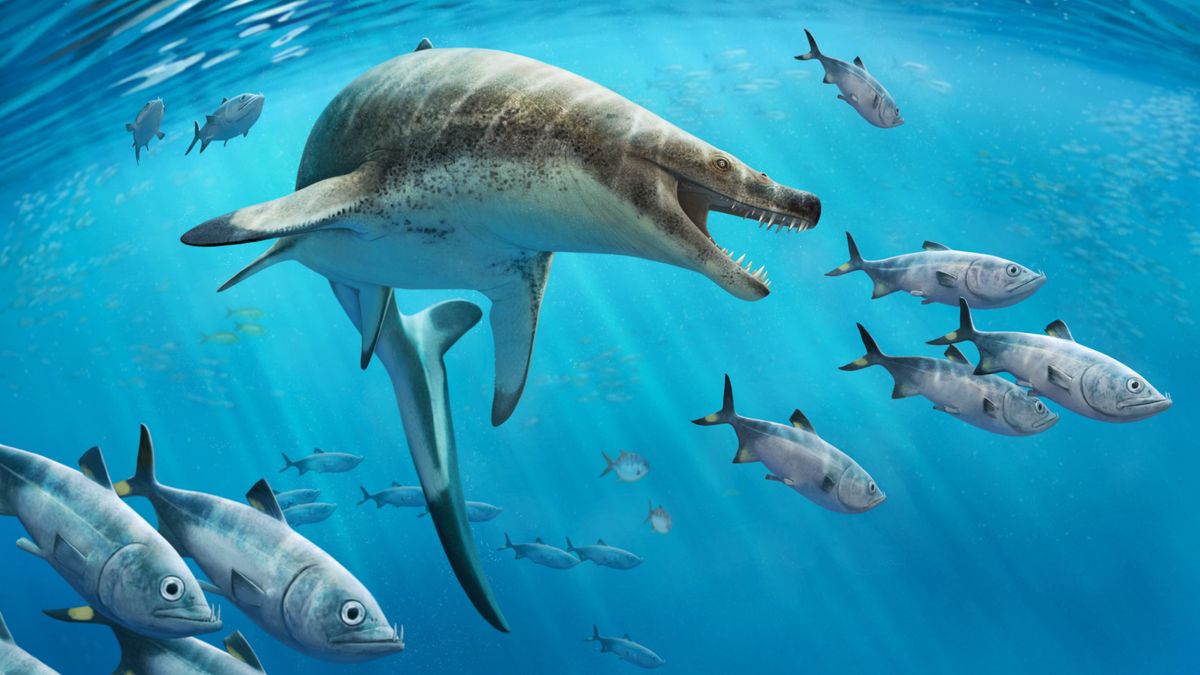
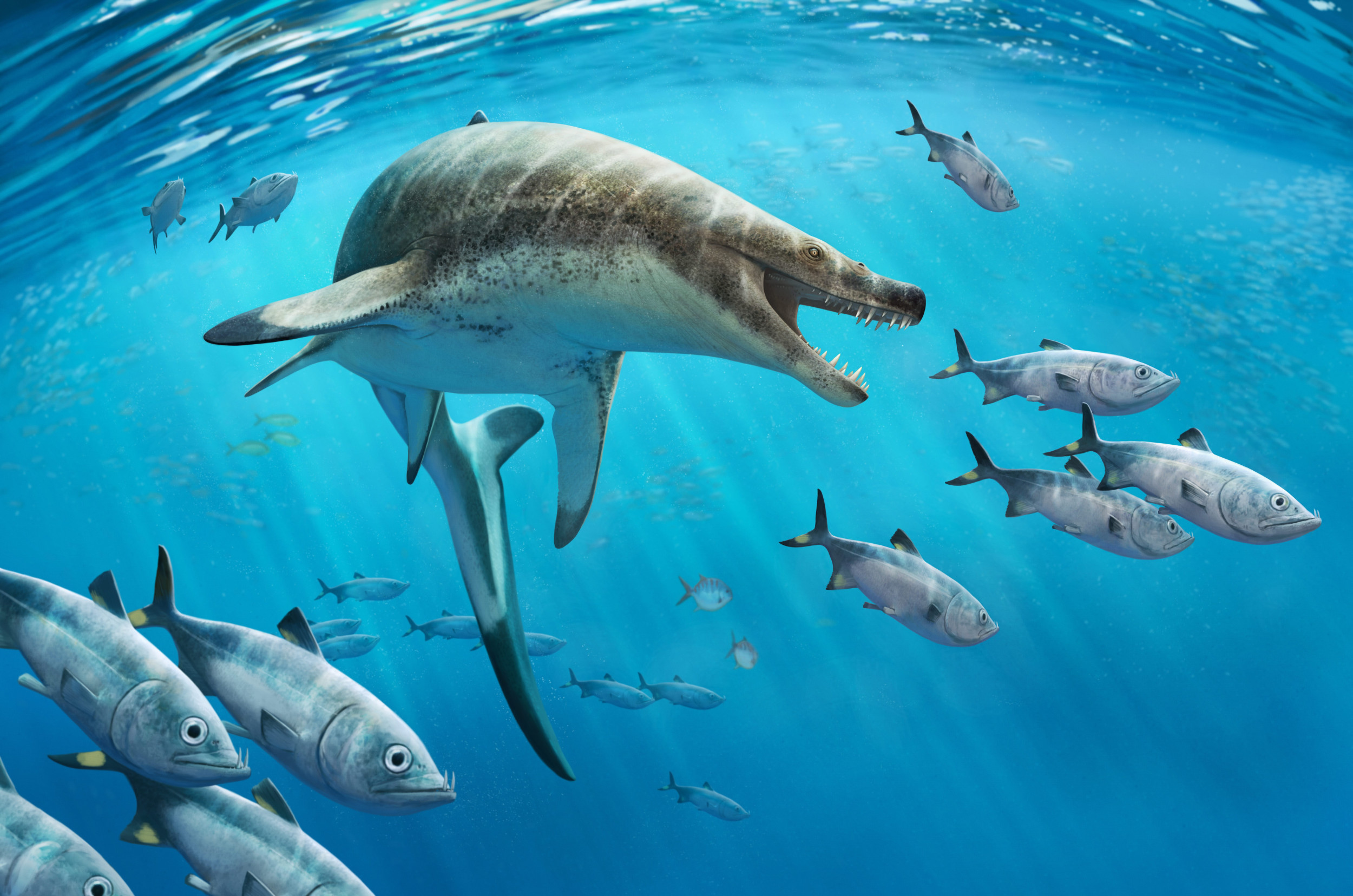
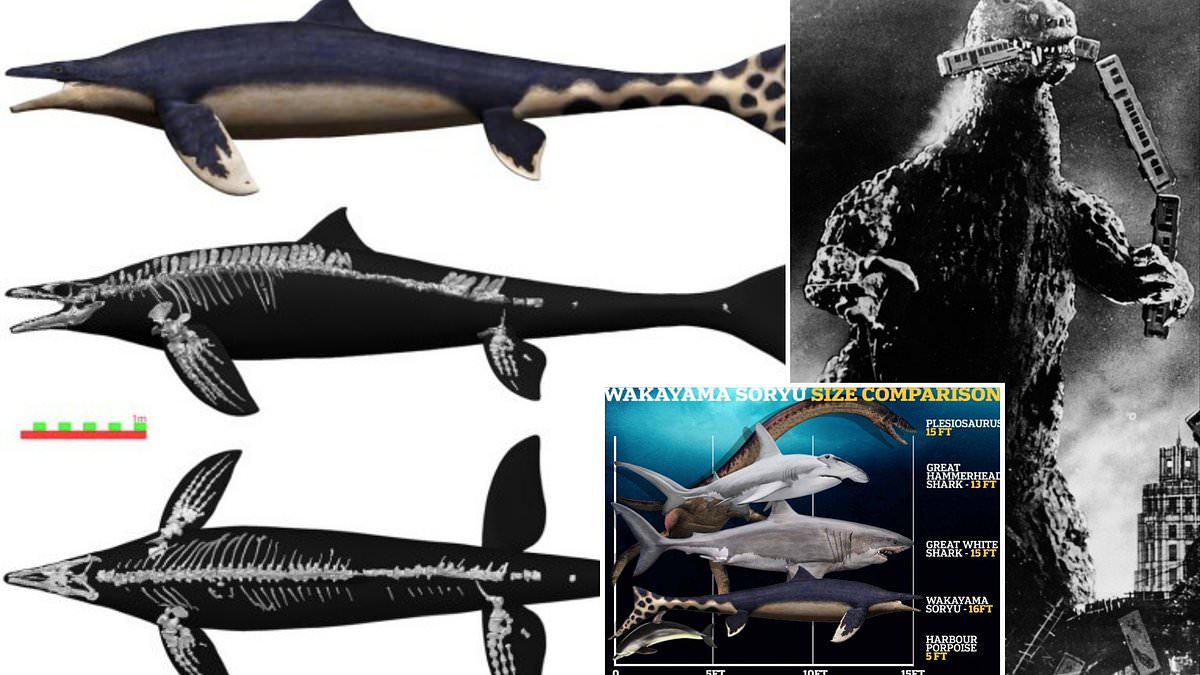
Scientists have discovered the Wakayama Soryu, a giant aquatic lizard that dominated the Pacific seas 72 million years ago. As big as a Great White Shark, this unique creature had four large flippers and a dorsal fin, making it different from other mosasaurs. The most complete mosasaur ever found in Japan, the Wakayama Soryu had rear flippers larger than its front and used its large front fins for rapid maneuvering. Its massive tail provided acceleration, making it a deadly predator. This discovery challenges our understanding of how mosasaurs swam and sheds light on the prehistoric marine ecosystem.

paleontology2 years ago

"Unearthing Japan's Unprecedented 72 Million-Year-Old 'Blue Dragon'"

Scientists in Japan have discovered the near-complete remains of a 72 million-year-old sea monster, named "blue dragon," that belonged to a new species of mosasaur. The fossils, the most complete ever found in Japan and the northwest Pacific, reveal an unusual body plan with large rear flippers and a dorsal fin, setting it apart from other mosasaurs. The creature, about the size of a great white shark, challenges our understanding of how mosasaurs swam and hunted, and highlights the diversity of these apex marine predators that lived during the Cretaceous period.

paleontology2 years ago

Unprecedented Discovery: Japan Unearths Extraordinary 72 Million-Year-Old 'Blue Dragon'

Scientists in Japan have discovered the near-complete remains of a 72 million-year-old sea monster, named "blue dragon," which belonged to a new species of mosasaur. The fossils, the most complete ever found in Japan and the northwest Pacific, reveal an unusual body plan with large rear flippers and a dorsal fin, unlike any other mosasaur. The researchers speculate that the creature used its unique flippers for diving and ascending quickly in the water, making it an adept hunter. Mosasaurs were apex marine predators during the Cretaceous period and went extinct around 66 million years ago.
paleontology2 years ago

"Monstrous 'Blue Dragon': Unveiling Japan's Ancient Ocean Predator"

University of Cincinnati researchers have classified a new species of mosasaur, an ancient apex predator, based on fossils discovered in Japan. The specimen, named "Wakayama Soryu" or "Wakayama Blue Dragon," is the most complete skeleton of a mosasaur found in Japan or the northwestern Pacific. The researchers identified it as Megapterygius wakayamaensis, noting its unique features such as large rear flippers and a dorsal fin. This discovery challenges experts' understanding of how these prehistoric reptiles swam.

paleontology2 years ago

Ancient Japanese 'dragons' ruled the oceans

Researchers have classified a new species of mosasaur, an ancient apex predator, based on fossils discovered in Japan. Named "Wakayama Soryu" or "Wakayama Blue Dragon," this mosasaur is the most complete skeleton found in Japan or the northwestern Pacific. It had unique features, including large rear flippers and a dorsal fin, challenging experts' understanding of how these prehistoric reptiles swam. The discovery opens up new possibilities for studying mosasaurs and their behavior in the late Mesozoic Era.