Interstellar comet 3I/ATLAS will pass near Earth on Friday at about 167 million miles away, with scientists capturing new images and X-ray data to study its composition and origin, providing insights into objects from outside our solar system.
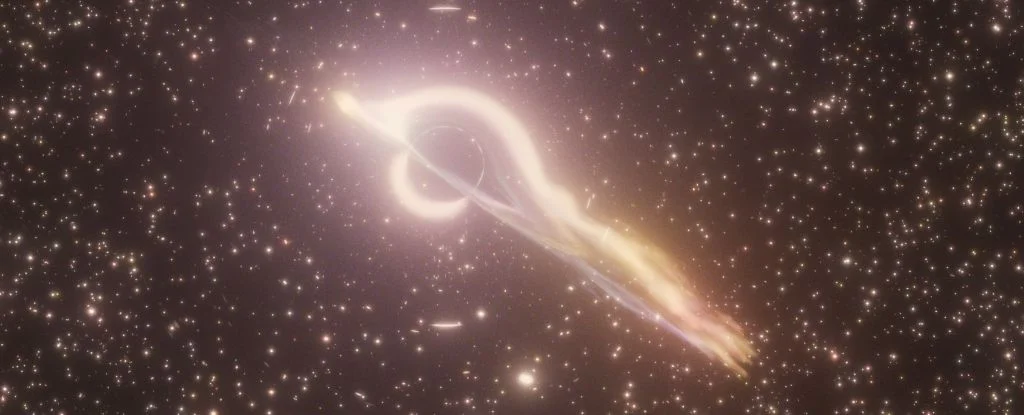
Astronomers have observed a flare from a black hole in a distant galaxy that is likely an intermediate-mass black hole, a rare find that could help explain the formation of supermassive black holes. The black hole, HLX-1, shows signs of devouring a star, providing valuable insights into black hole growth and the elusive middle ground between stellar and supermassive black holes.
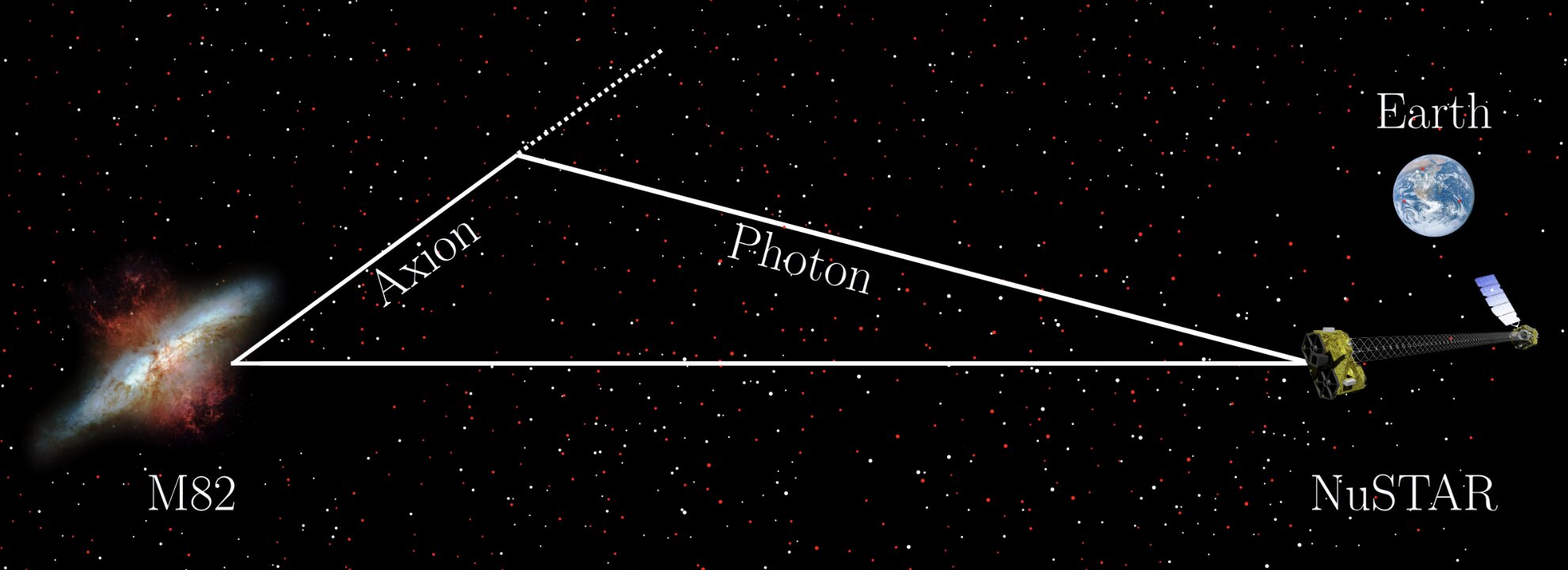
Researchers used X-ray data from the NuSTAR telescope to search for axions, hypothetical particles that could be dark matter, by analyzing galaxy M82 and others. Although no axions were detected, the studies set new constraints on their properties and demonstrated the potential of galaxy observations for future dark matter searches.
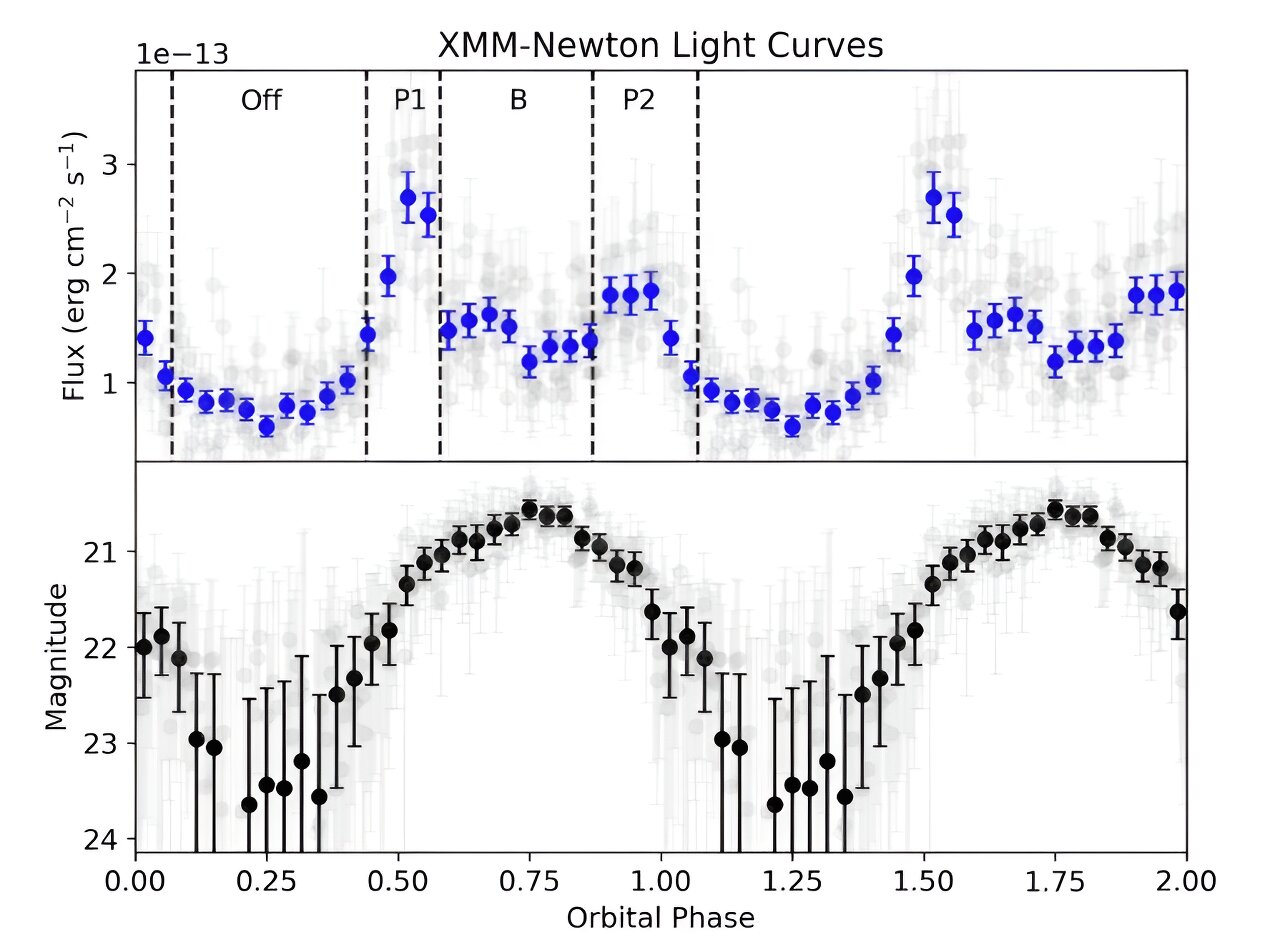
Astronomers from Stanford University have conducted joint X-ray and optical observations of the massive "spider" pulsar PSR J2215+5135, revealing new insights into its nature. The study found that the neutron star in the system has a mass of approximately 2.15 solar masses and that the companion star loses mass at a rate of 0.0003 Earth masses per year. The findings suggest that J2215 may eventually become an isolated millisecond pulsar.
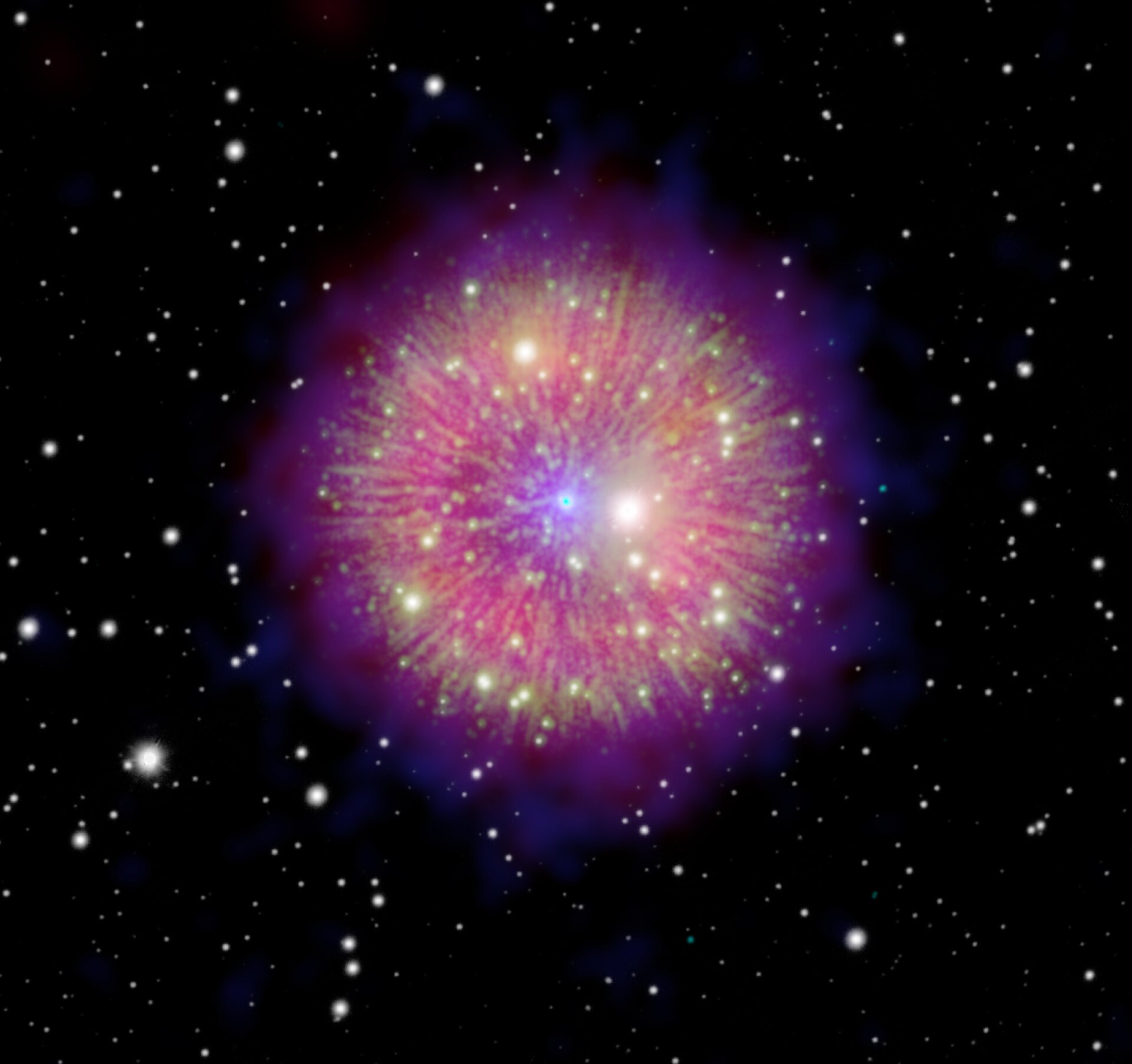
Scientists have discovered the remnant of a rare supernova explosion that appeared in the night sky in 1181, providing a new spectacular view of the event that was visible for 185 days. The composite image, created using data from various telescopes, shows a nearly circular nebula with a central star in the constellation Cassiopeia. X-ray observations reveal the full extent of the nebula, while studies of its composition suggest it was formed in a sub-luminous Type Iax event, a special kind of supernova resulting from the merger of two white dwarf stars. This discovery offers a unique opportunity for studying rare explosions and the formation of "zombie" stars.
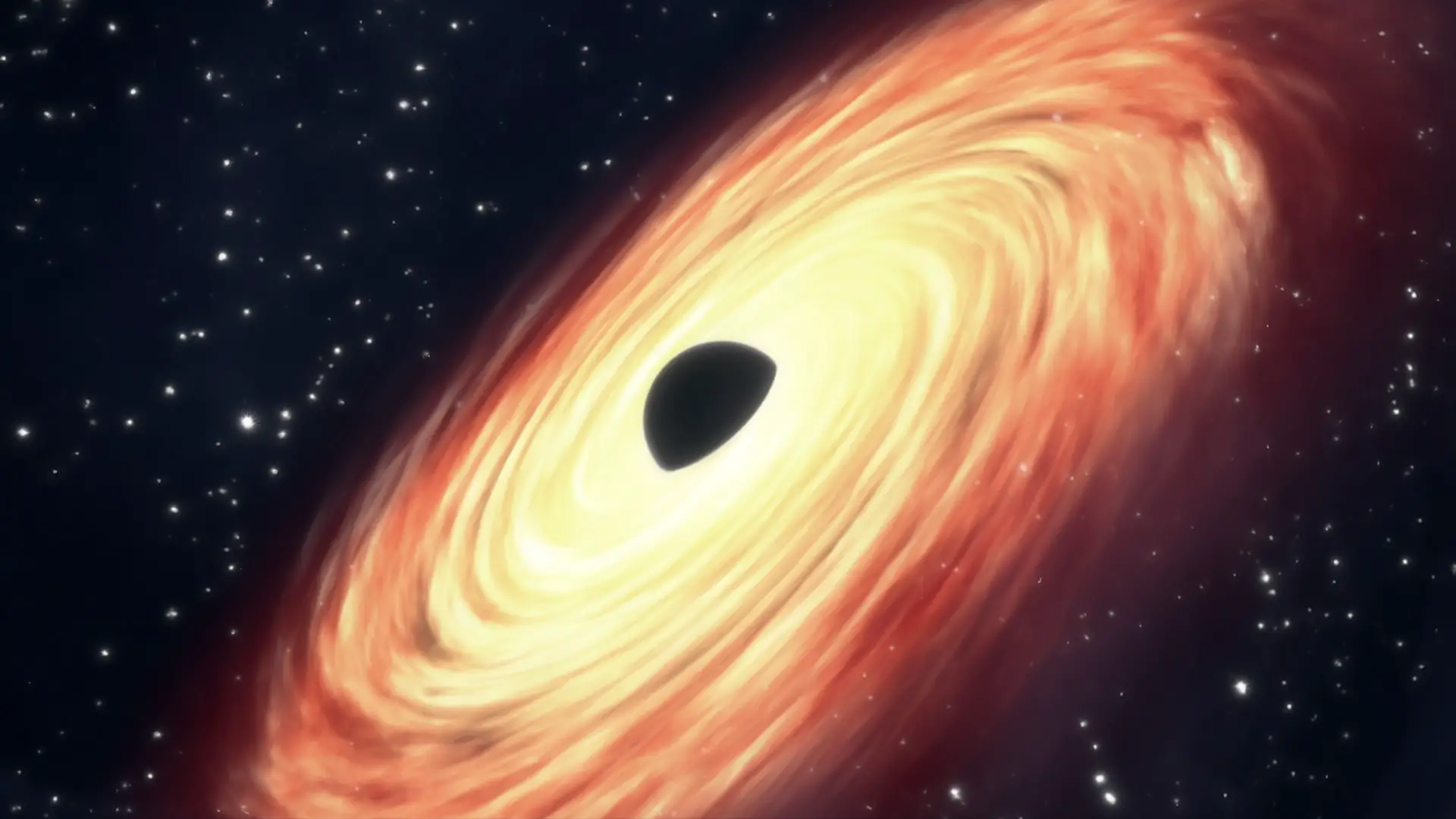
NASA astronomers have discovered the most distant black hole ever observed in X-rays, located in galaxy UHZ1 over 13 billion light-years away. The findings challenge current theories about the formation of supermassive black holes in the early universe, suggesting that some of them may have formed directly from massive clouds of gas. The discovery was made using data from the Chandra X-ray Observatory and the James Webb Space Telescope.
NanoAvionics has completed a 6U nanosatellite called NinjaSat, which is set to launch this fall to study black holes and neutron stars from low Earth orbit (LEO). The satellite, integrated with a payload from Japanese research institute Riken, will track X-ray photons emitted by these objects to explore how matter accretes to them. NinjaSat will spend two years in LEO observing persistently bright X-ray objects, including the binary star system Scorpius X-1. The mission aims to provide high cadence monitoring and flexible operations for transient sources, contributing to time-domain astronomy.
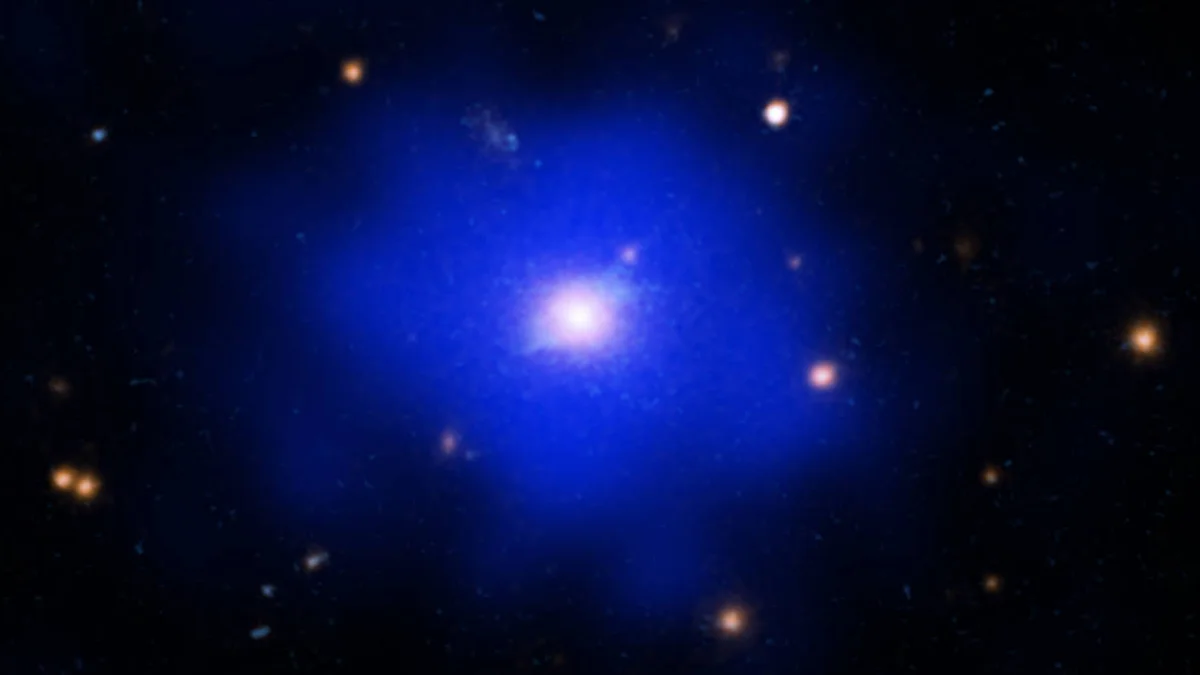
Astronomers have discovered a galaxy cluster, SPT-CL J2215-3537 (SPT2215), that appears to have formed earlier and is more relaxed compared to similar clusters in the early universe. Located 8.4 billion light-years away, SPT2215 provides insights into the growth and evolution of galactic clusters during the turbulent early cosmos. The cluster's relaxed nature, including the presence of a supermassive black hole and the absence of mergers with other clusters, raises questions about its formation. Observations of such relaxed early galaxies could help scientists understand the expansion of the universe and the role of dark energy.
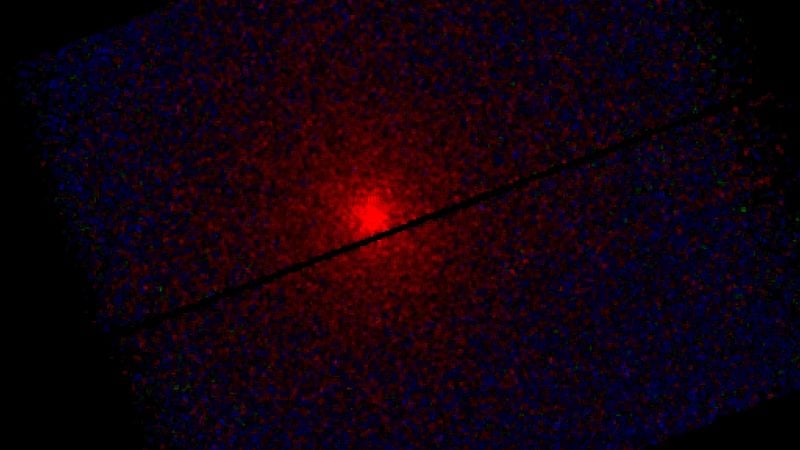
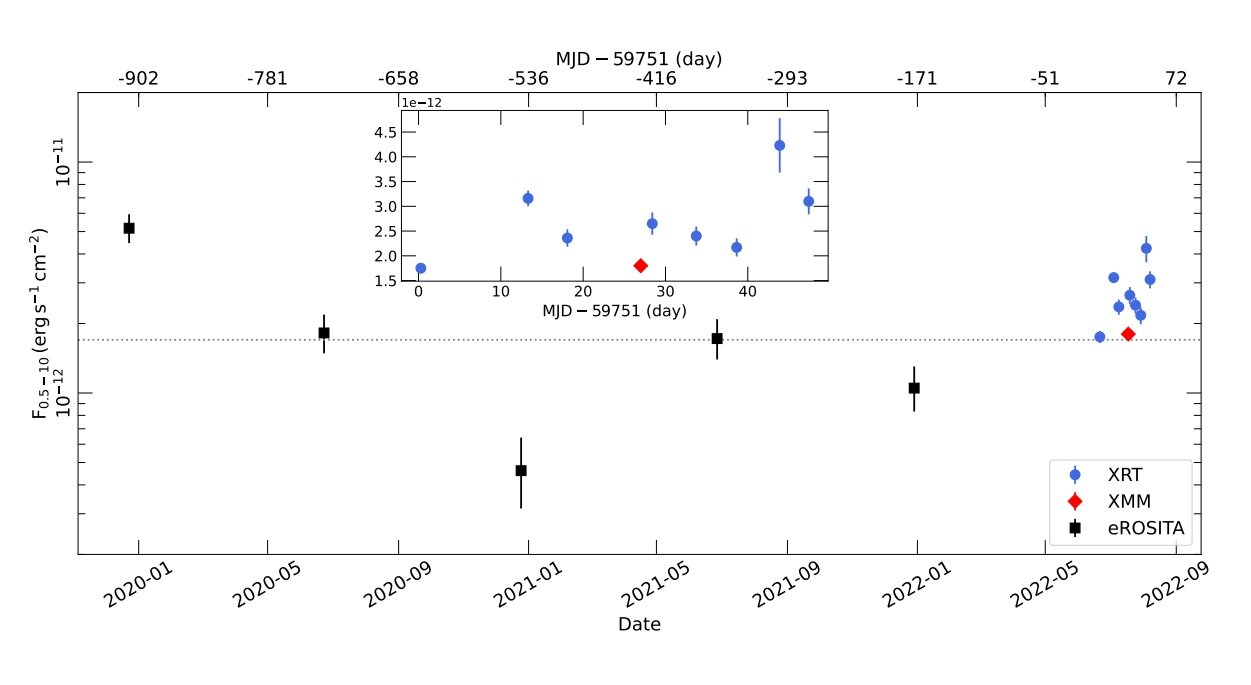
An international team of astronomers has used various space telescopes to observe a recently detected luminous quasar known as SMSS J114447.77-430859.3, or J1144 for short. J1144 has a bolometric luminosity of about 470 quattuordecillion erg/s, making it the most luminous quasar over the last 9 billion years of cosmic history. The researchers found that J1144 exhibits an X-ray variability by a factor of about 10 within a year, and the observations indicate that J1144 seems to accrete at a rate larger than 40% of the Eddington limit. The authors of the paper added that deeper X-ray and ultraviolet/optical observations of J1144 are needed to draw final conclusions about the nature of this source and its variability.