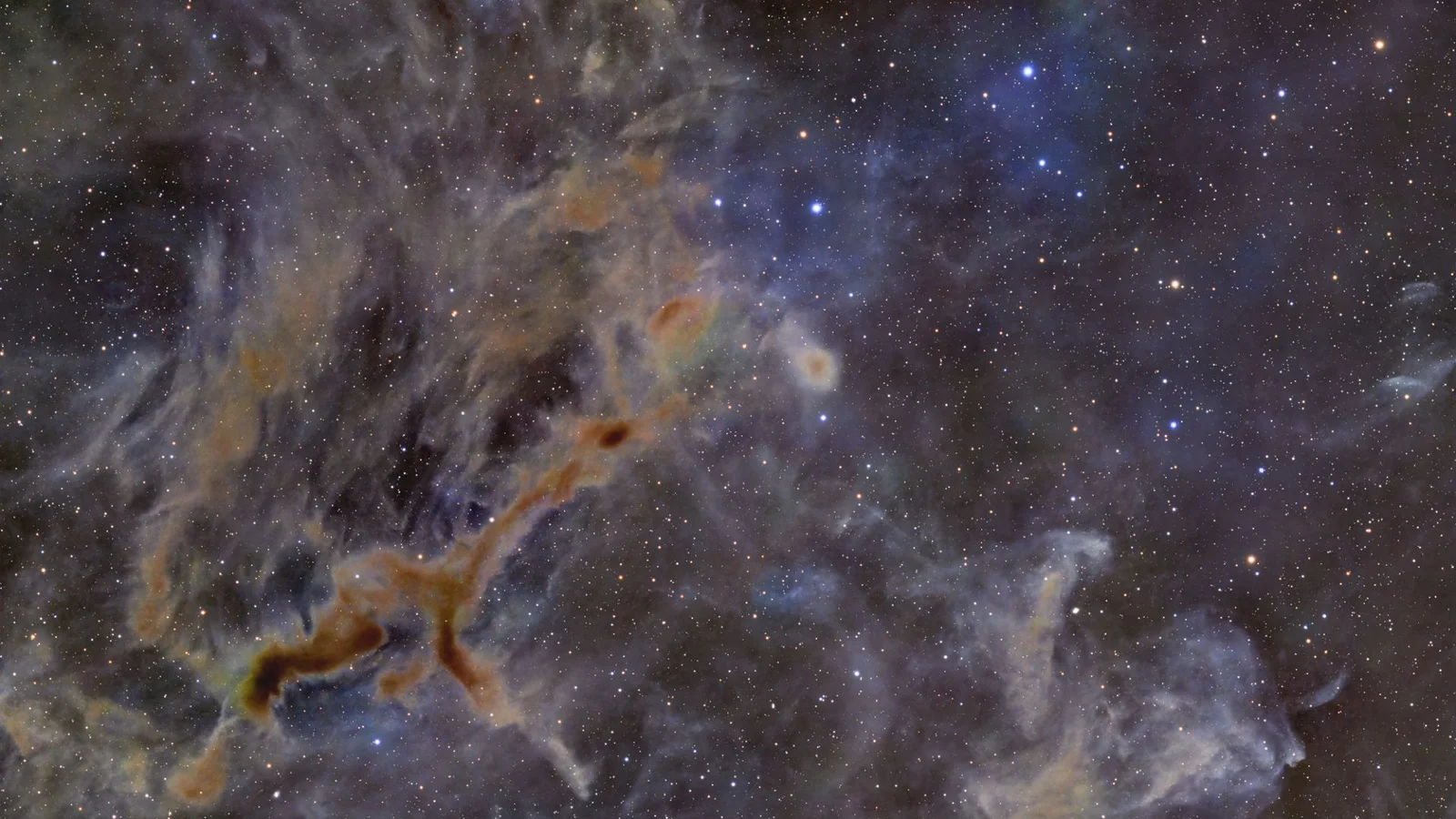
Ancient Arabic poetry from the 12th century describes a bright star in the constellation Cassiopeia, which recent research suggests was a supernova observed around 1181-1182, providing valuable historical data on stellar explosions.
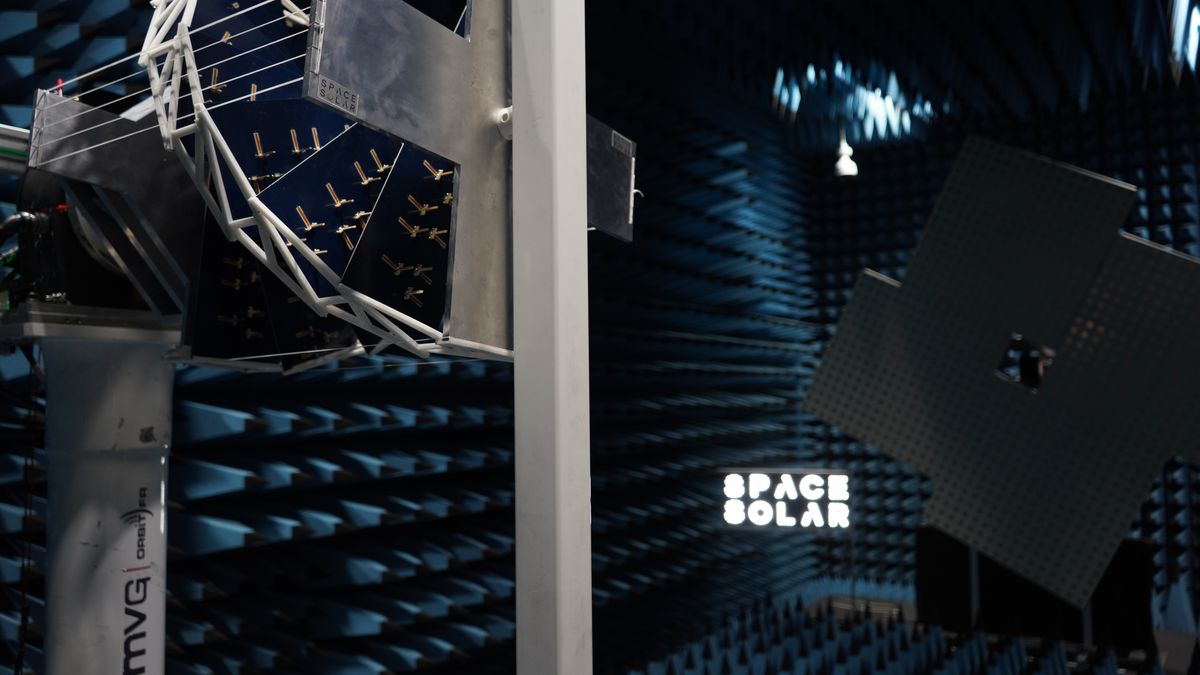
A U.K.-based startup, Space Solar, has successfully tested a wireless power transmission system for a space-based solar power plant, marking a significant step towards the development of the CASSIOPeiA concept. The system, designed to wirelessly transmit power 360 degrees around, aims to provide gigawatts of clean energy more efficiently than solar plants on Earth. Placed in geostationary orbit, CASSIOPeiA would be a vast modular structure assembled in space by robots and could power more than a million homes. The successful test is a crucial milestone in making space-based solar power a reality and demonstrates the U.K.'s leading position in this new energy revolution.
Scientists have identified the remains of a supernova that appeared in 1181, known as SN 1181, as the nebula Pa 30 in the constellation Cassiopeia. This discovery was made through the analysis of its chemical composition, suggesting it resulted from a sub-luminous Type Iax event, a special type of supernova. The nebula's central star, one of the hottest in the Milky Way, and its unique properties make it an exceptional opportunity for studying rare explosions. This finding sheds light on a historical astronomical event and provides valuable insights into the nature of supernovae.
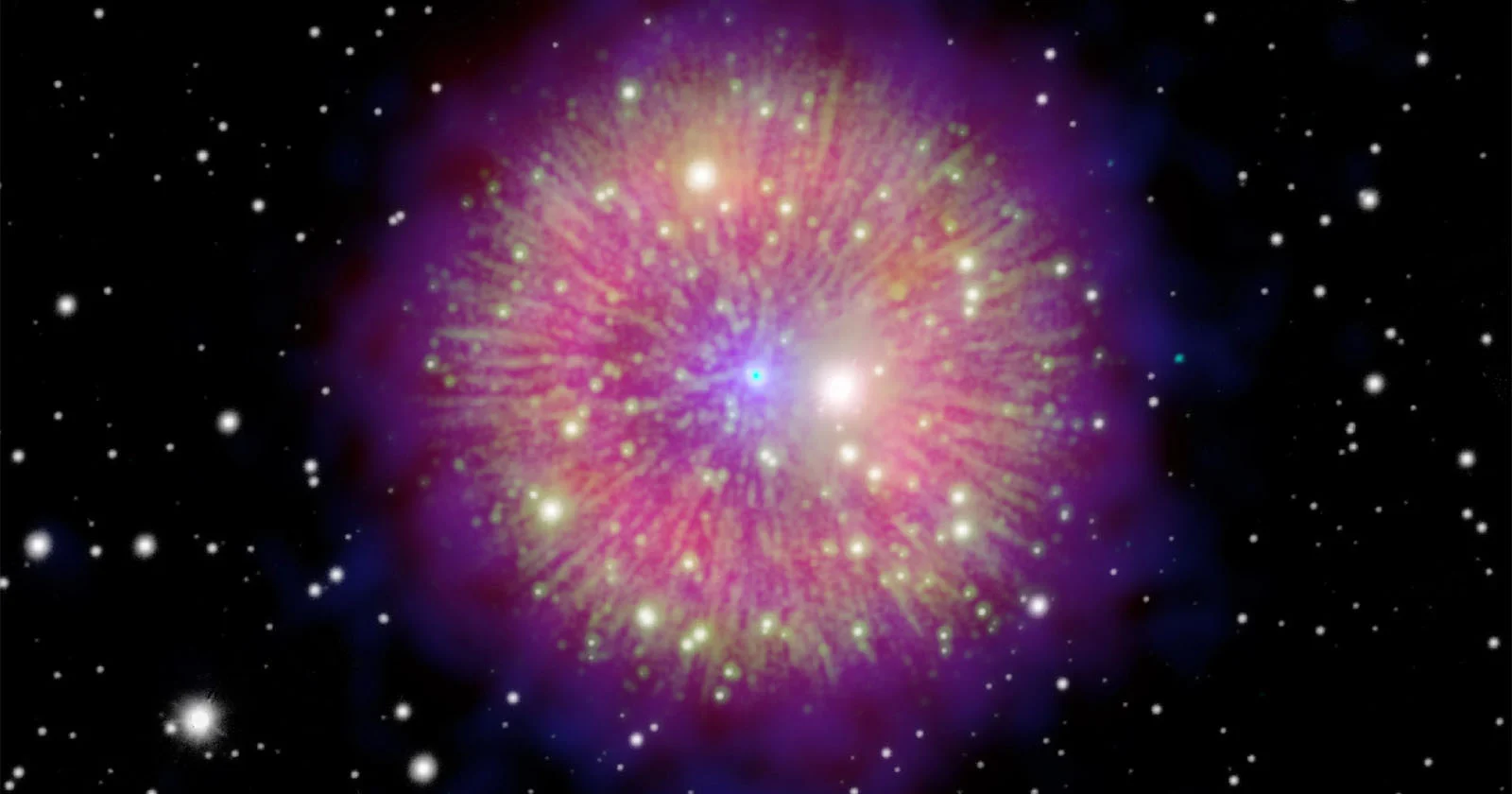
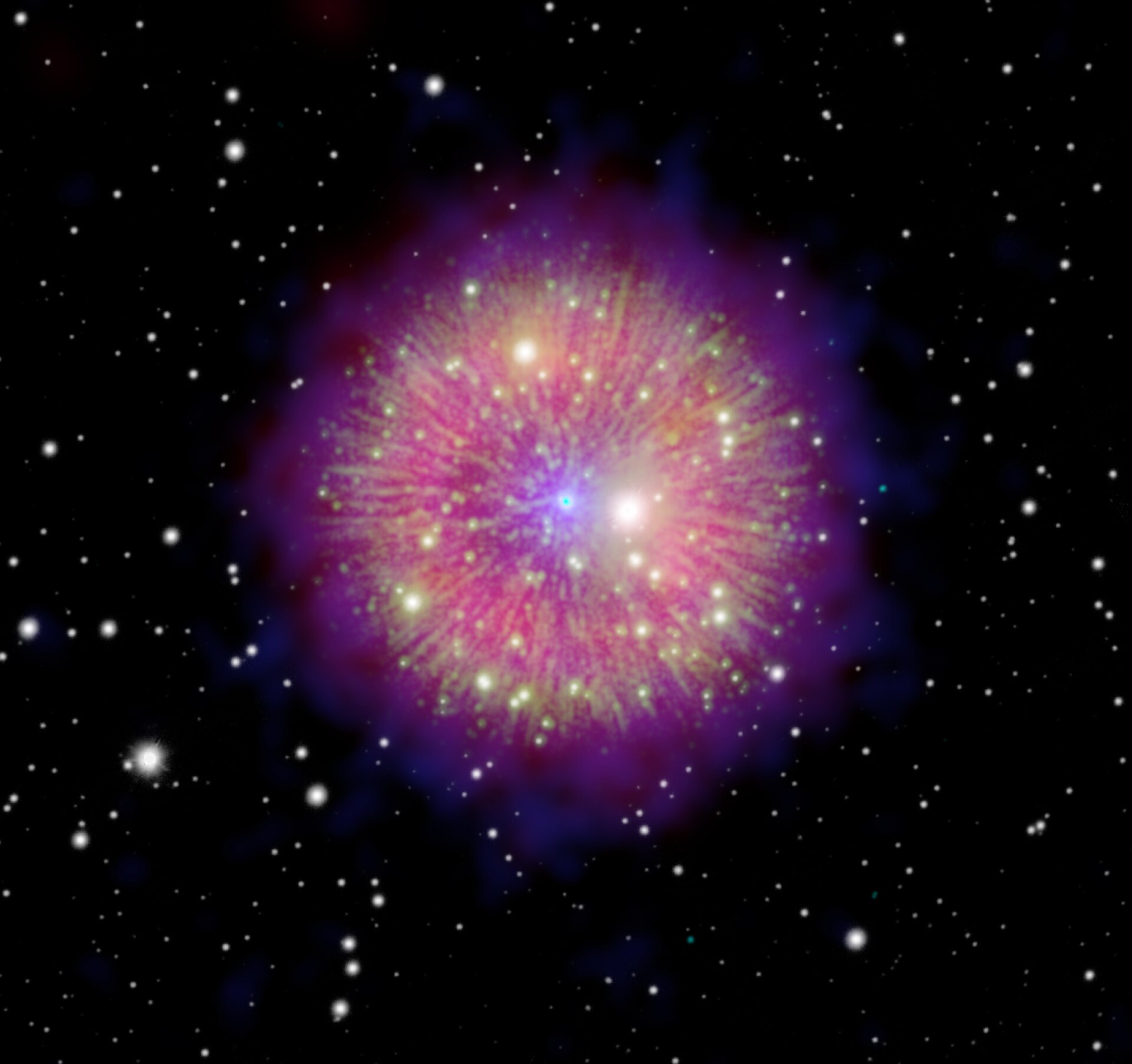
Scientists have discovered the remnant of a rare supernova explosion that appeared in the night sky in 1181, providing a new spectacular view of the event that was visible for 185 days. The composite image, created using data from various telescopes, shows a nearly circular nebula with a central star in the constellation Cassiopeia. X-ray observations reveal the full extent of the nebula, while studies of its composition suggest it was formed in a sub-luminous Type Iax event, a special kind of supernova resulting from the merger of two white dwarf stars. This discovery offers a unique opportunity for studying rare explosions and the formation of "zombie" stars.