Interstellar comet 3I/ATLAS recently made its closest approach to Earth at 168 million miles, passing through our solar system on its way out to interstellar space, with various live streams and observations capturing its passage.
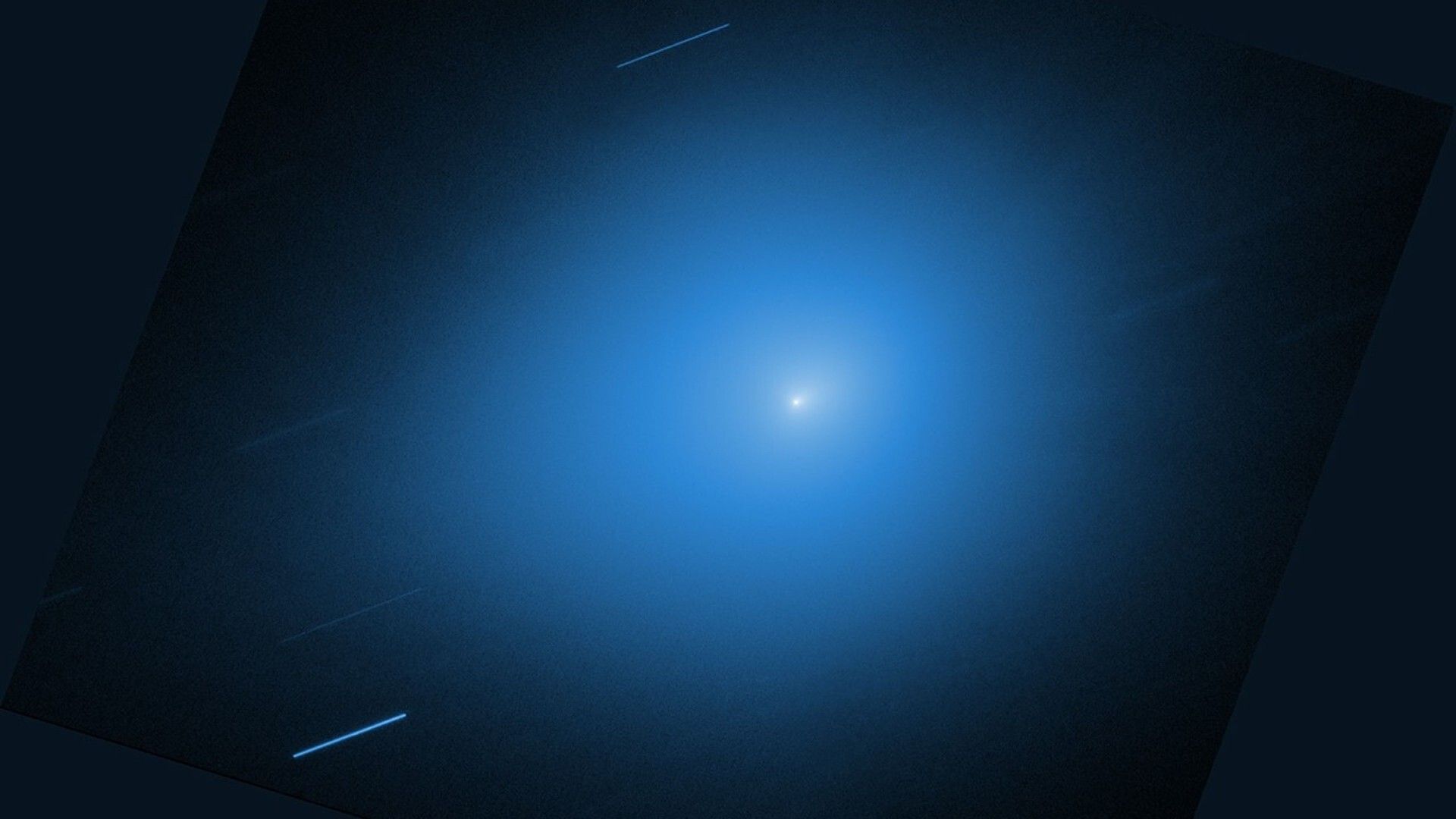
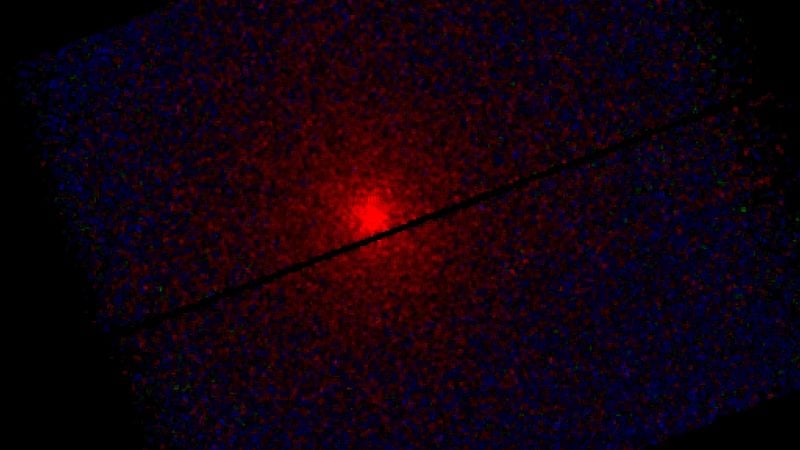
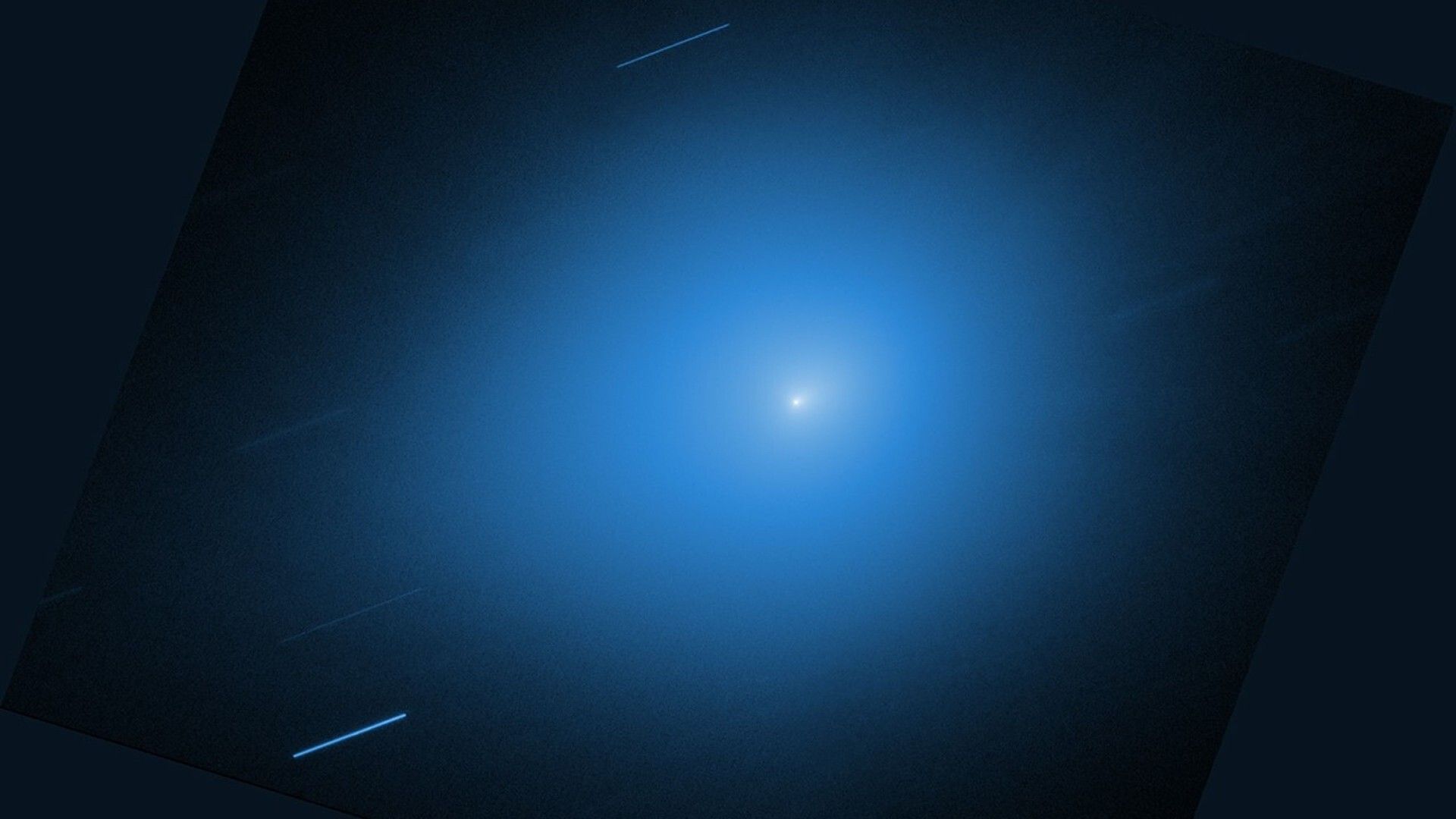
Interstellar comet 3I/ATLAS will pass near Earth on Friday at about 167 million miles away, with scientists capturing new images and X-ray data to study its composition and origin, providing insights into objects from outside our solar system.
Comet 3I/ATLAS, an interstellar object from beyond our solar system, is approaching Earth and will make its closest pass on December 19, 2025. NASA has confirmed it is a comet, not an alien spaceship, and scientists are excited to study it as it provides a rare opportunity to learn about objects from outside our solar system.
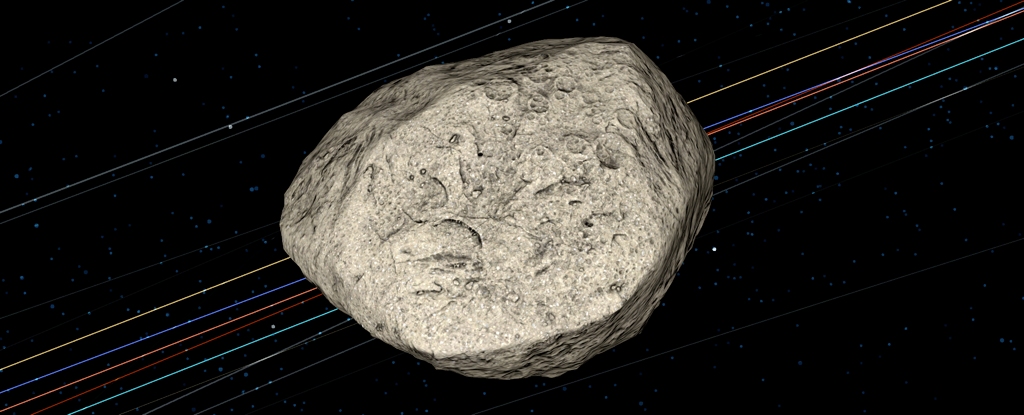
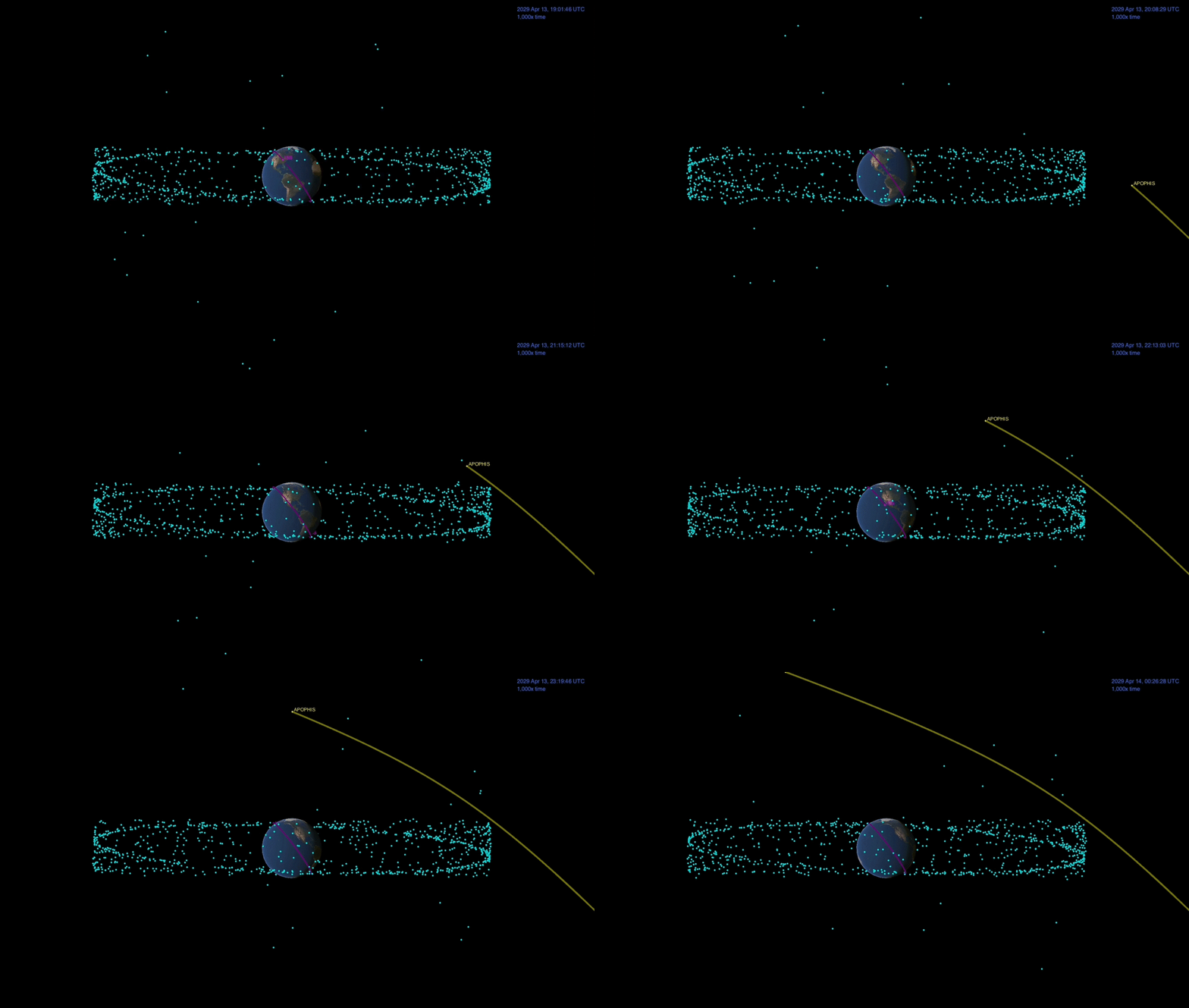
The asteroid 99942 Apophis, named after the Egyptian god of darkness, will pass extremely close to Earth on April 13, 2029, at a distance of about 32,000 kilometers, closer than many satellites. While there is no risk of collision, the gravitational pull from Earth could cause "astroquakes" on Apophis, potentially altering its surface. This event provides a unique opportunity for scientists to study the asteroid's composition and behavior, with NASA's OSIRIS-APEX mission set to observe these changes. Understanding such interactions is crucial for planetary defense strategies.
Asteroid 99942 Apophis, named after the Egyptian god of darkness, will pass close to Earth in 2029, potentially altering its surface due to Earth's gravitational pull. This interaction could cause seismic events and change the asteroid's rotation, offering insights into why some asteroids appear younger than expected. The flyby presents a unique opportunity for scientists to study Apophis in detail, as it will be visible to the naked eye. The research, led by Ronald Ballouz, is published in The Planetary Science Journal.
The asteroid Apophis is set to pass close to Earth in 2029, but a new study suggests it's unlikely to collide with other space rocks that could alter its orbit and redirect it toward our planet. While the risk of collision is ruled out for the next 100 years, a new analysis of 1.2 million asteroids and comets in our solar system indicates that no such collisions are anticipated. However, there is a possibility of a close encounter with another asteroid named 4544 Xanthus in 2026, which could perturb Apophis' future path. Further observations are needed to confirm the presence of material in Xanthus' orbit and its potential impact on Apophis.
NASA's STEREO-A spacecraft, after nearly 17 years, is making its first Earth flyby, providing a unique opportunity for collaboration with other NASA missions and new insights into the sun. STEREO-A, along with its twin STEREO-B, launched in 2006 and achieved the first stereoscopic view of the sun. During the Earth flyby, STEREO-A will combine views with other spacecraft to achieve 3D vision and gather measurements of active regions and coronal loops. The mission will also provide multipoint measurements of Earth-directed coronal mass ejections, offering a better understanding of their magnetic field evolution. As the sun approaches solar maximum, STEREO-A will experience a fundamentally different sun, providing valuable knowledge about solar activity.