South Korea's IBS has ordered a series of small cubesats to study Venus from low Earth orbit, aiming to complement larger missions and provide continuous data over 15 years, despite potential NASA budget cuts threatening flagship Venus missions.
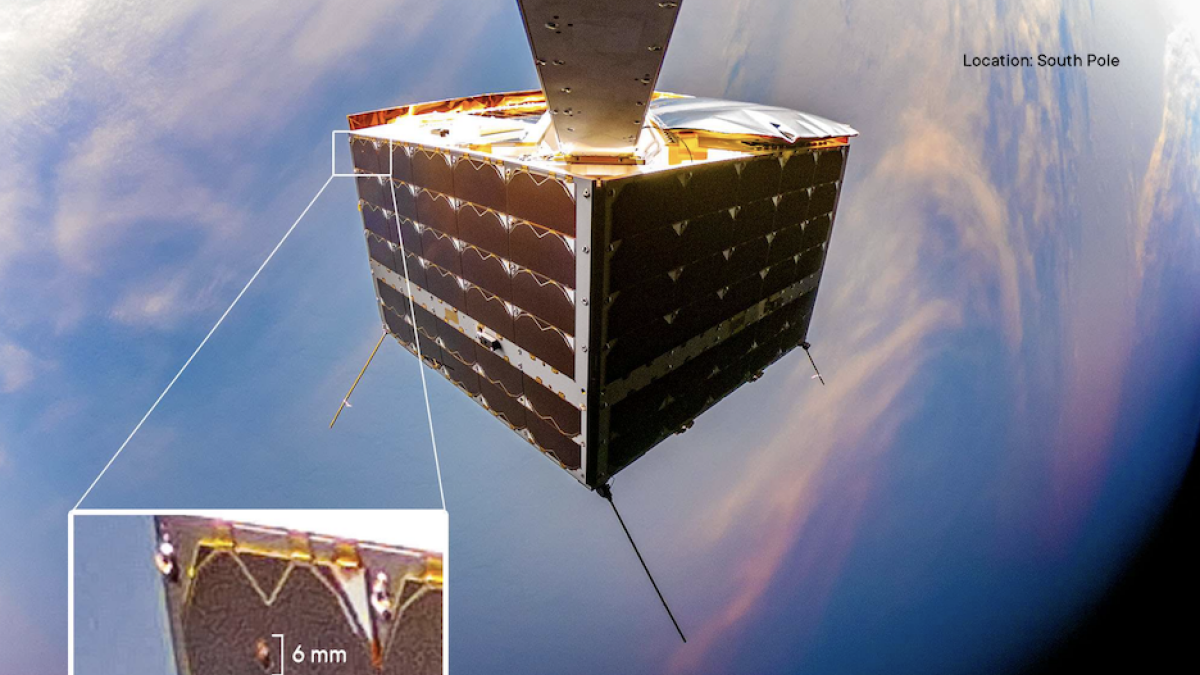
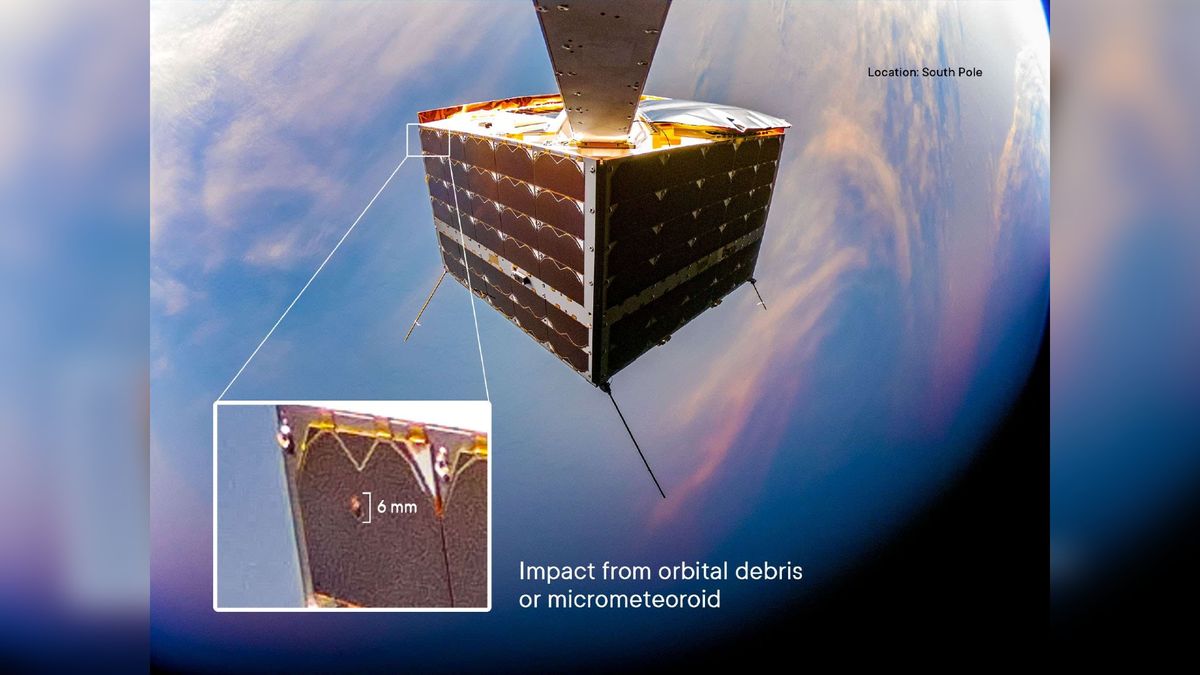
A small object traveling at high speed punctured NanoAvionics' MP42 satellite in Earth's orbit, highlighting the risks posed by space debris and micrometeoroids. The incident underscores the importance of responsible space operations to prevent the escalation of space debris, which could lead to the Kessler effect—a cascade of collisions in orbit. NanoAvionics has joined the European Space Agency's Zero Debris Charter to help mitigate this risk by promoting responsible satellite operations and disposal.
NanoAvionics' MP42 satellite, launched in 2022, survived a collision with a small object in orbit, highlighting the growing issue of space debris. A 0.24-inch hole was discovered in its solar panel, though it caused no significant damage. The incident underscores the need for responsible space operations and the resilience of satellites against such impacts. With millions of debris fragments orbiting Earth, space sustainability experts are increasingly concerned about potential collisions that could create more hazardous debris.
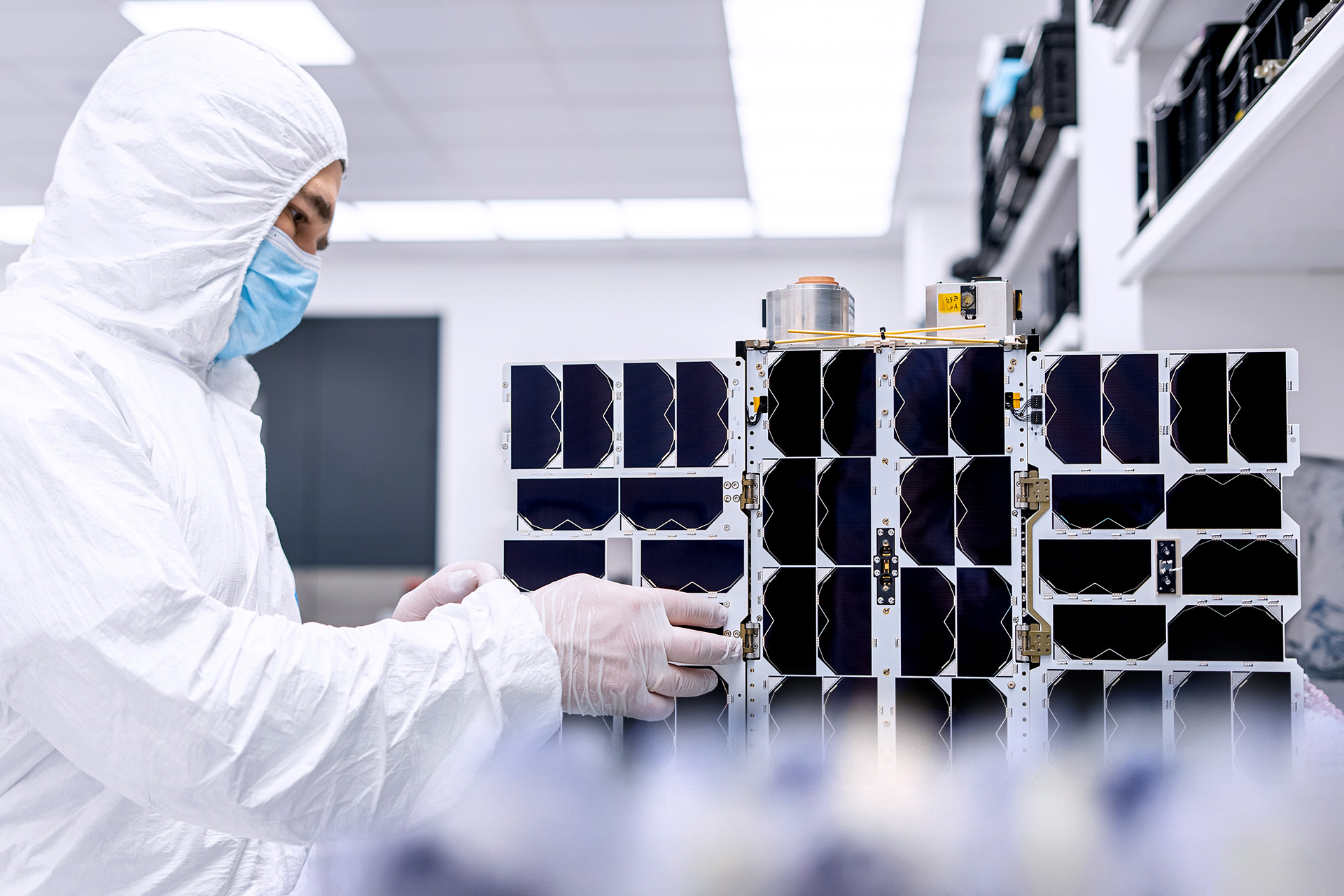
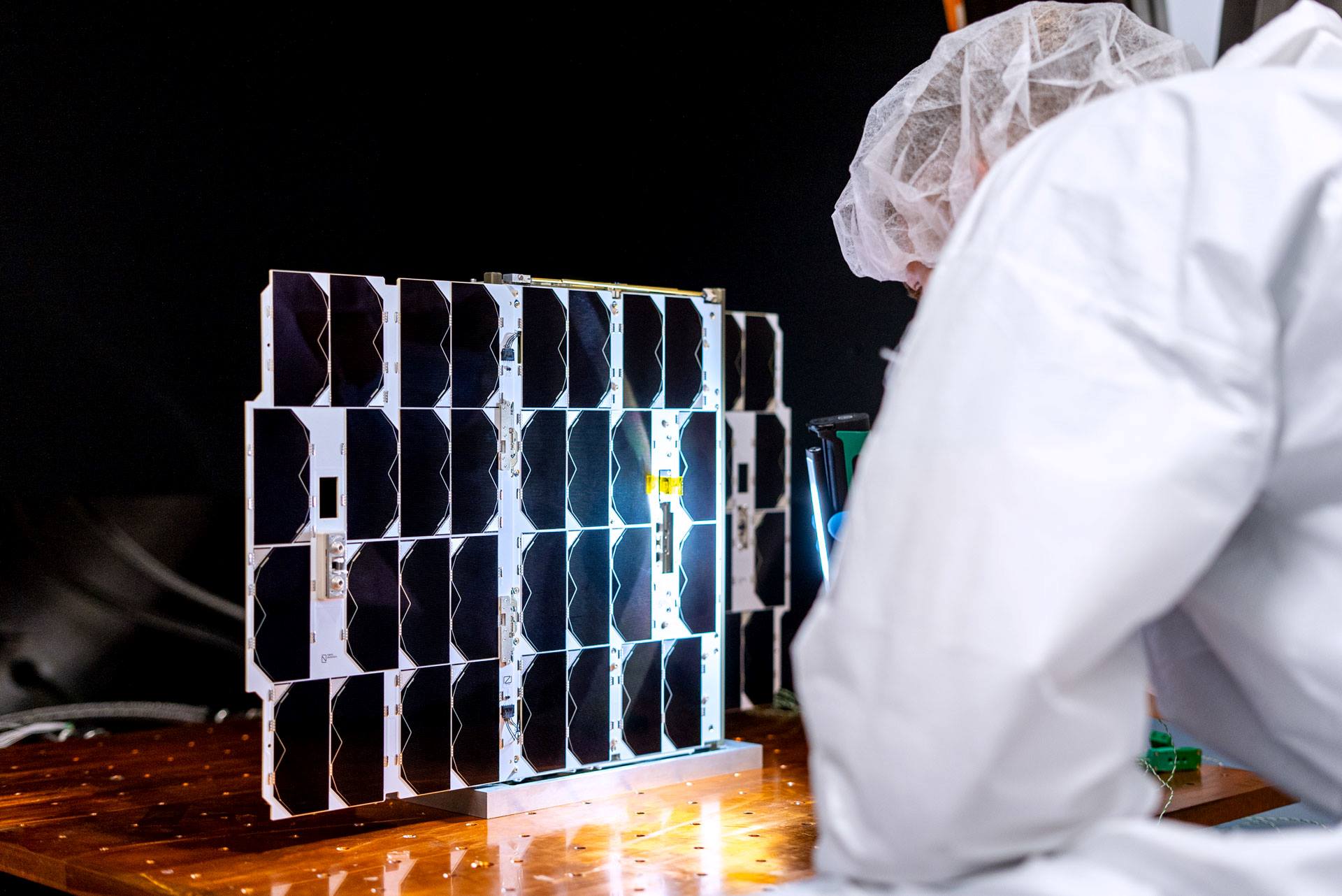
NanoAvionics has completed a 6U nanosatellite called NinjaSat, which is set to launch this fall to study black holes and neutron stars from low Earth orbit (LEO). The satellite, integrated with a payload from Japanese research institute Riken, will track X-ray photons emitted by these objects to explore how matter accretes to them. NinjaSat will spend two years in LEO observing persistently bright X-ray objects, including the binary star system Scorpius X-1. The mission aims to provide high cadence monitoring and flexible operations for transient sources, contributing to time-domain astronomy.