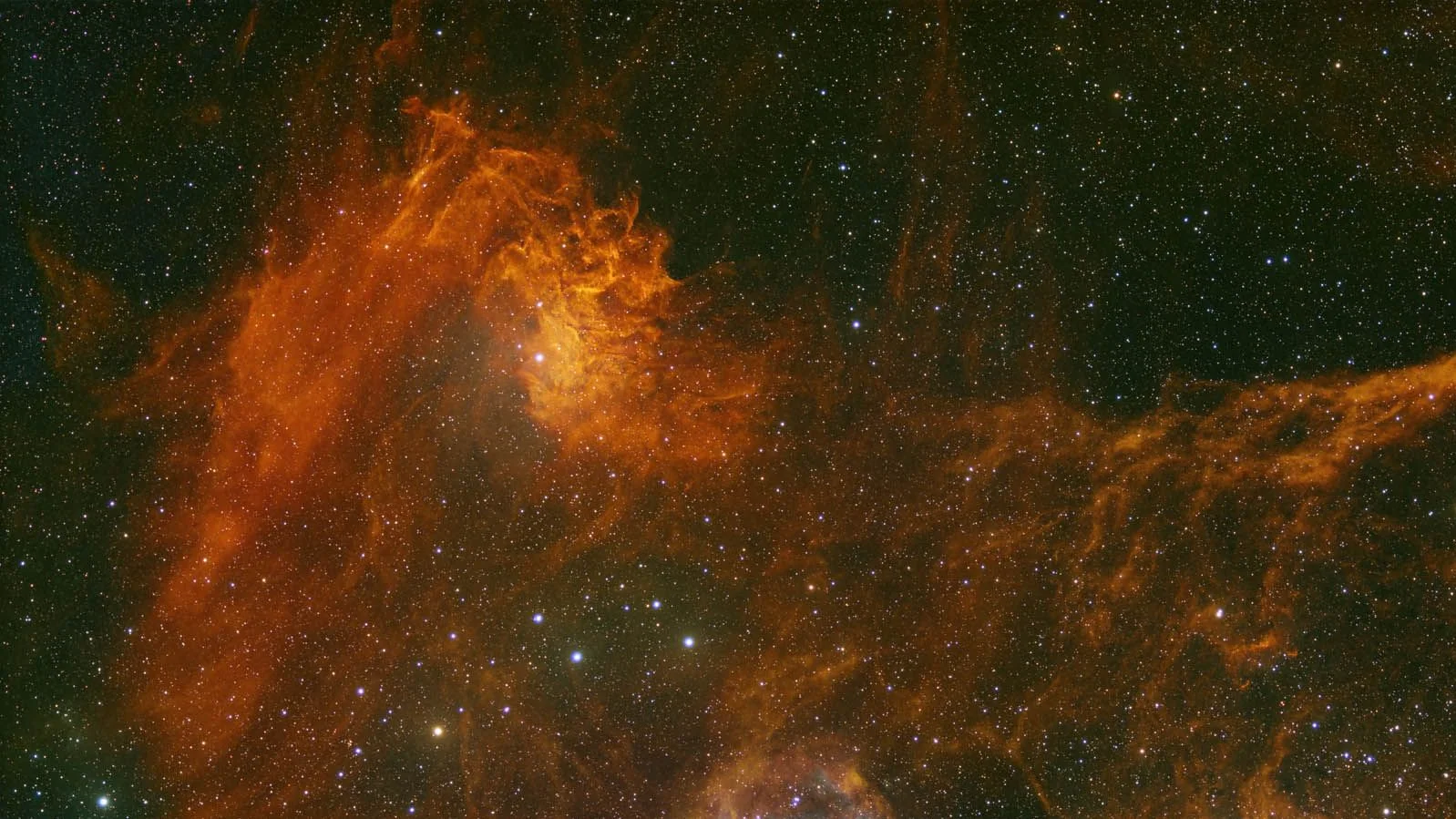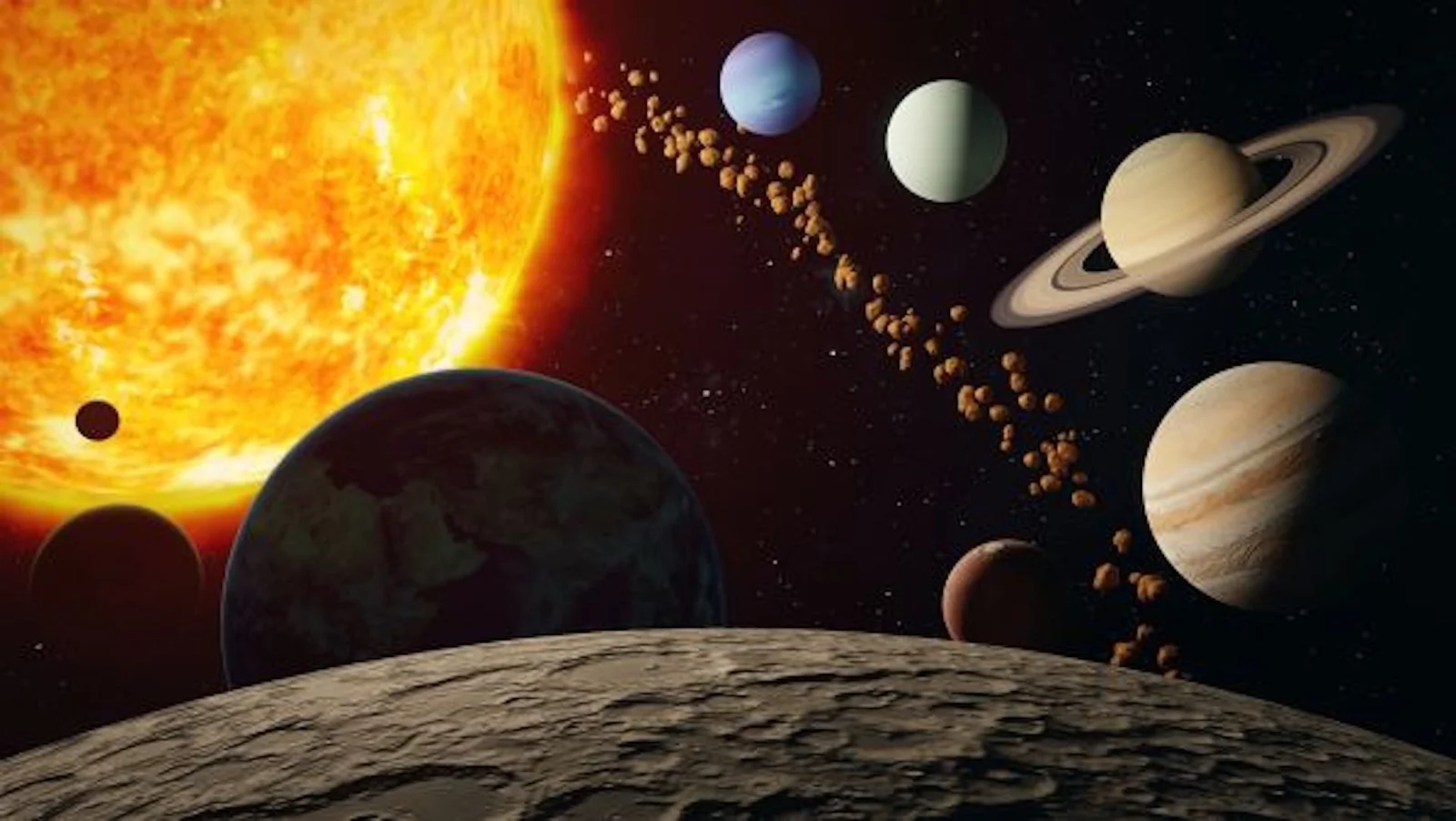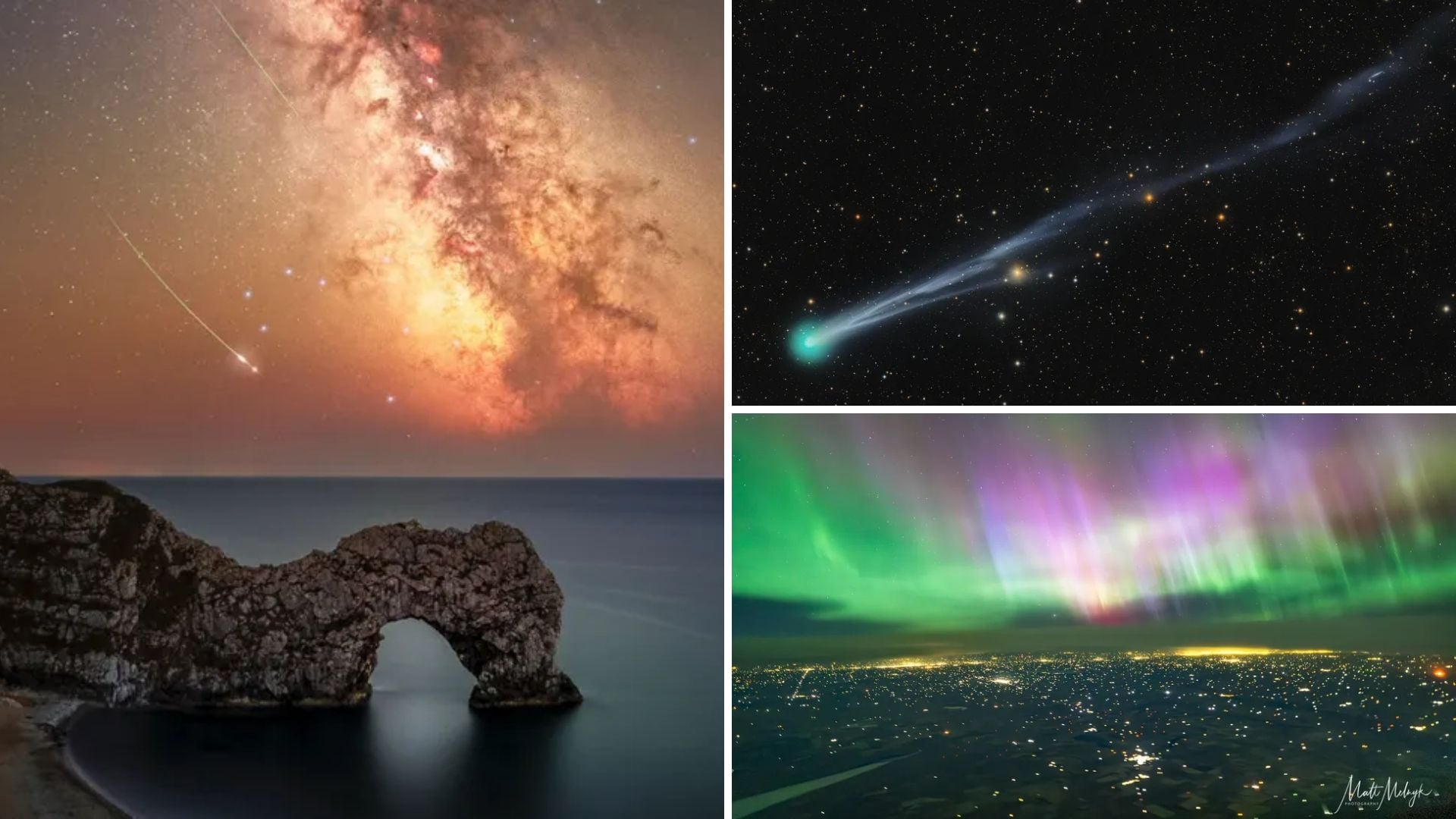
In 2025, space enthusiasts shared stunning astrophotography images capturing solar prominences, nebulae, eclipses, comets, auroras, and other celestial phenomena, showcasing the beauty and complexity of the universe.
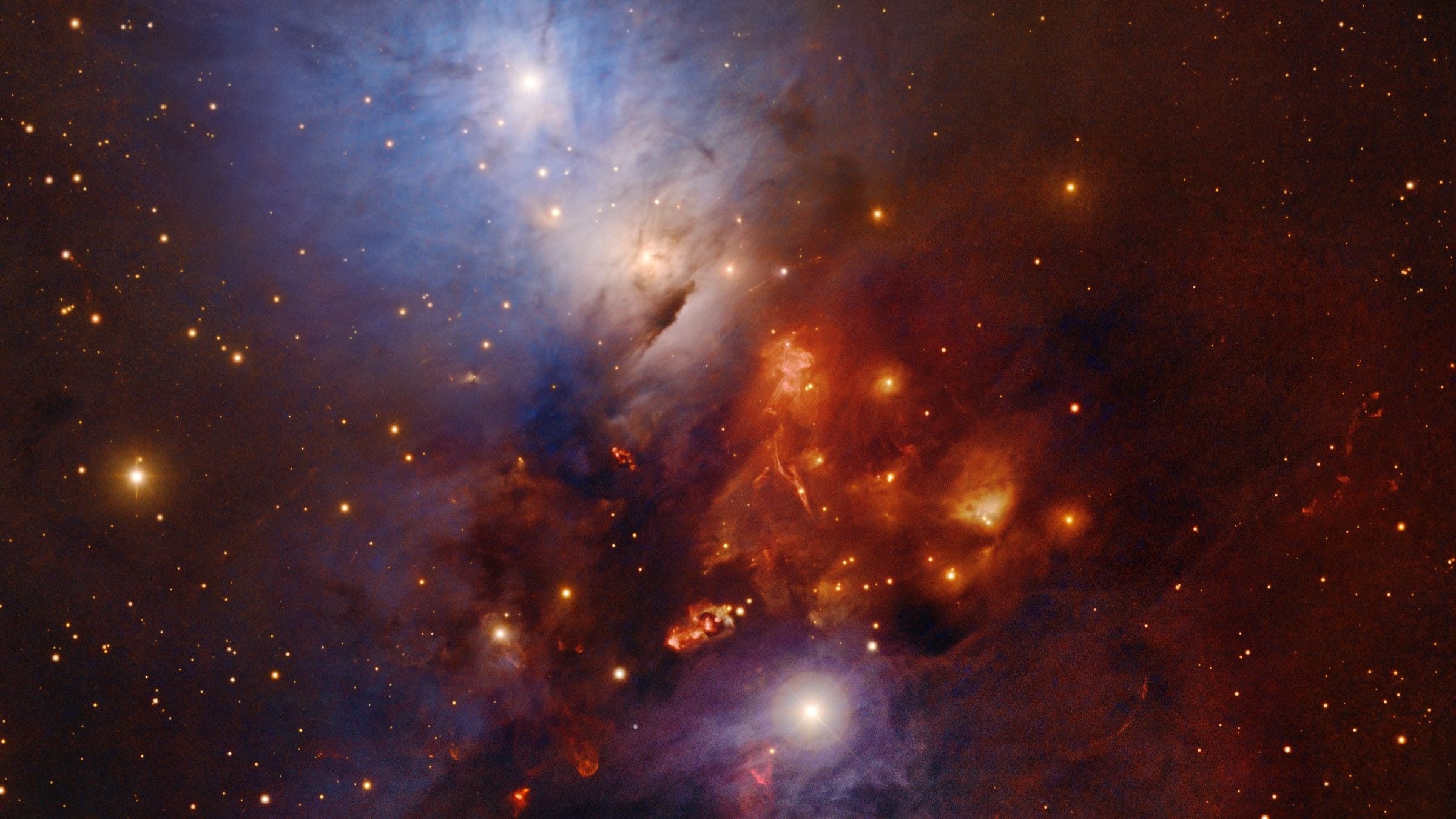
A new high-resolution image of the reflection nebula NGC 1333 and the binary star system SVS 13 reveals over 400 molecular rings, each marking past energetic outbursts from a young star, providing direct observational evidence of star formation processes and the history of stellar activity.
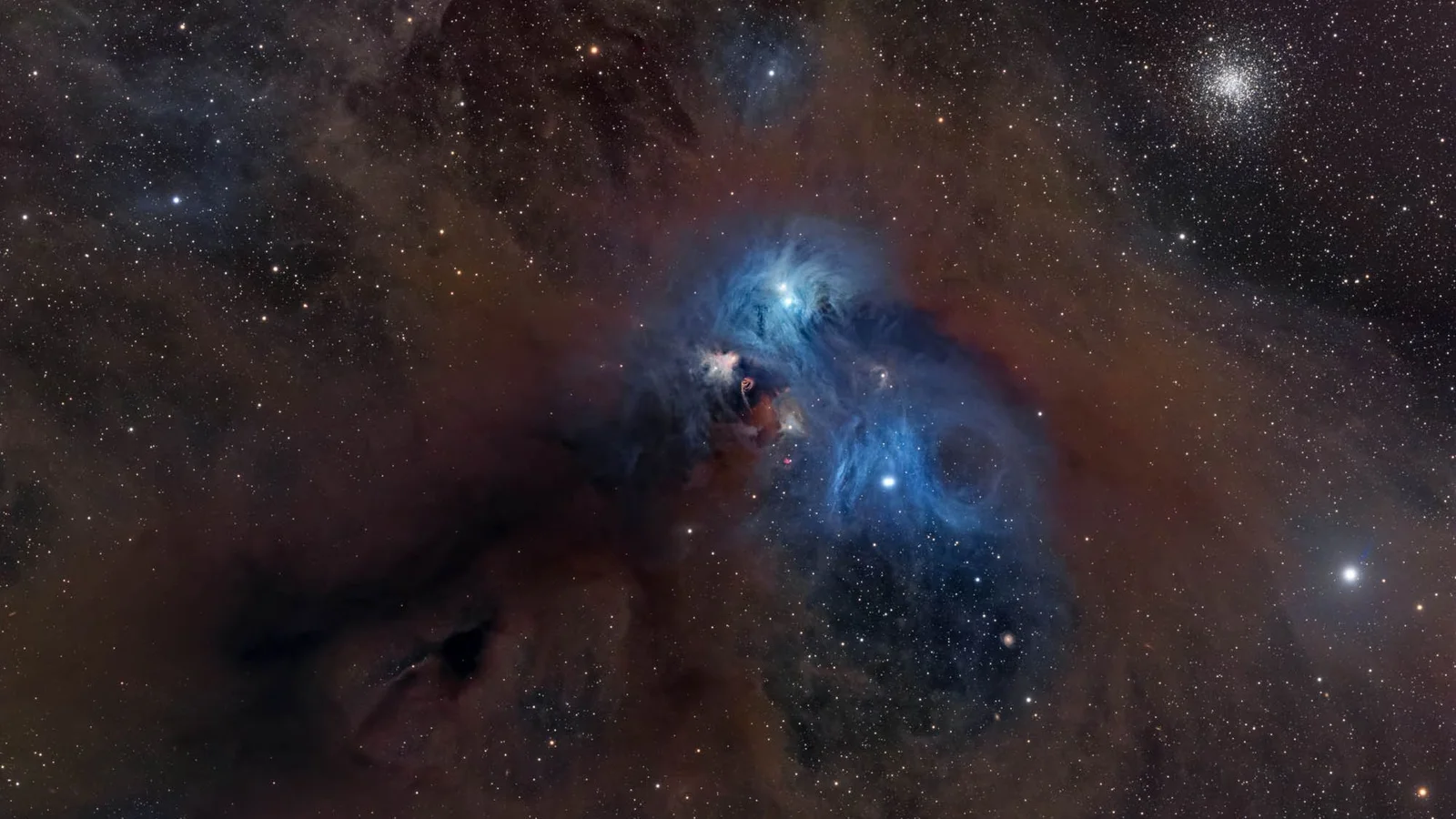
Astrophotographer Greg Meyer captured a stunning image of the Raging Baboon Nebula, a colorful cosmic cloud resembling a baboon's face, located 500 light-years away in the constellation Corona Australis, using advanced telescopes and cameras over 13 nights.
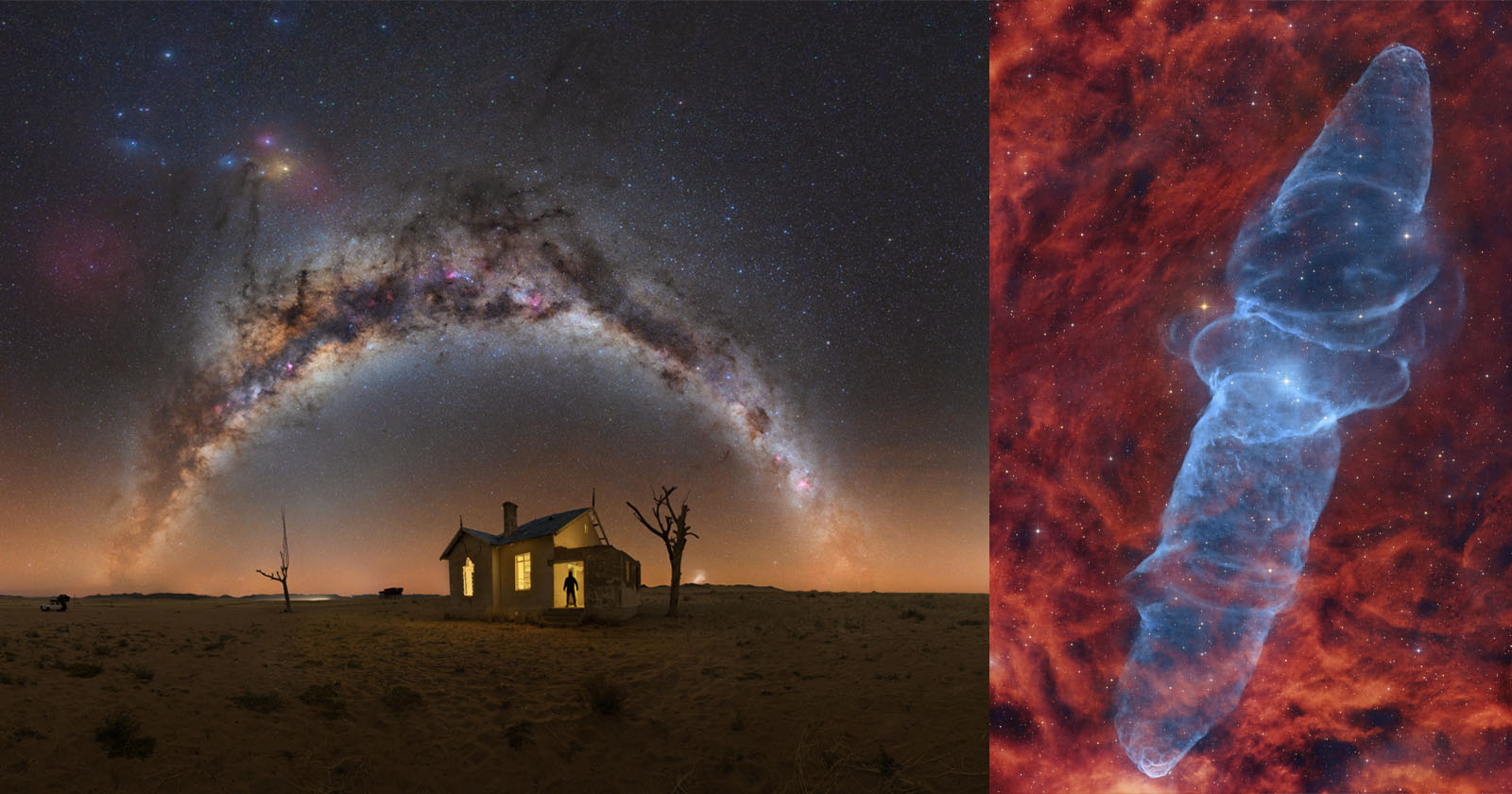
The 2025 Astrophotography Prize announced its winners from a global competition with 545 entries, highlighting stunning images of deep space, the solar system, and astrophysical landscapes, with Ani Shastry named Photographer of the Year for her Nebula shot, and other winners recognized for their technical excellence and creative impact.
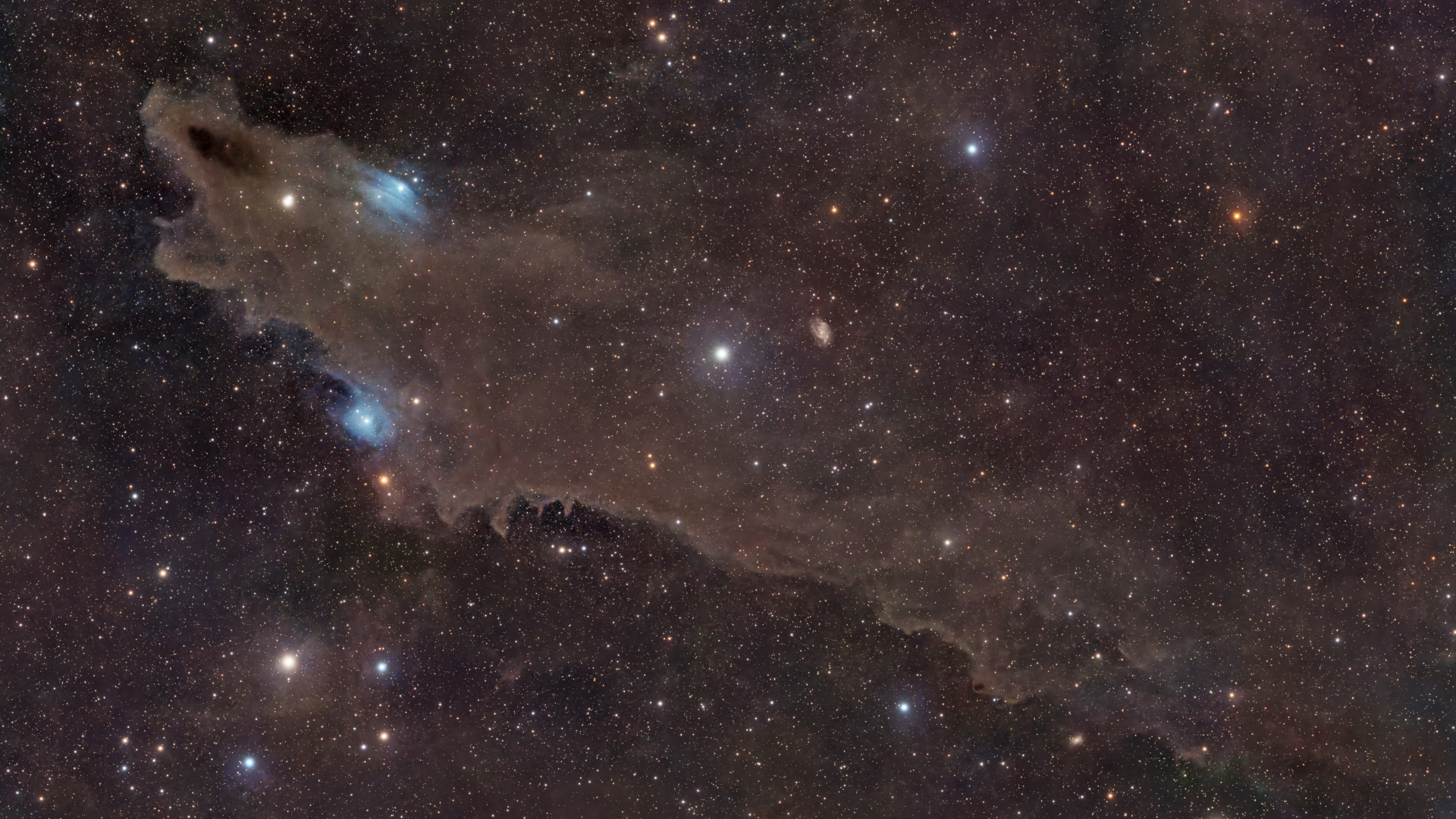
Astrophotographer Ronald Brecher captured a stunning image of a cosmic shark-shaped nebula in the constellation Cepheus, formed by interstellar dust and gas, with notable features including a bright star and reflection nebulas, using advanced equipment and postprocessing techniques.
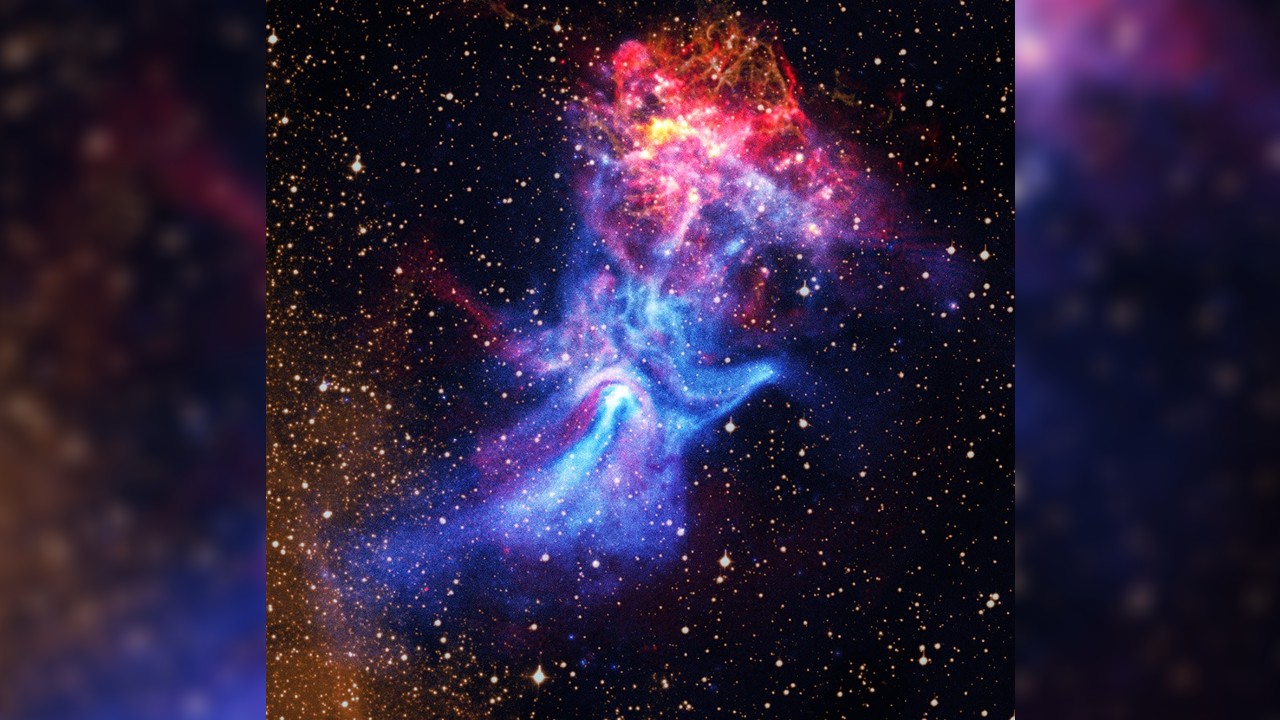
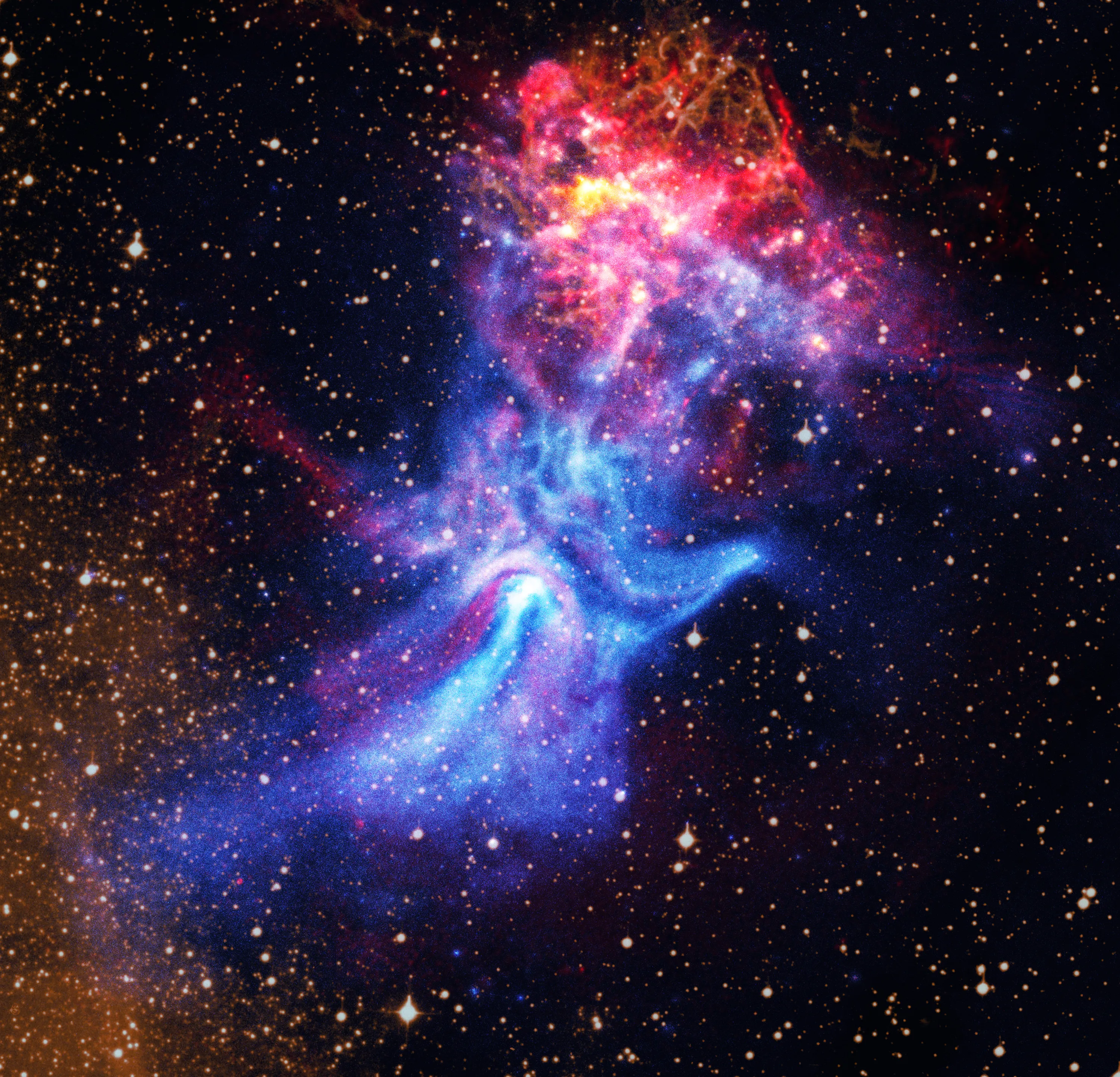
A supernova explosion has created a ghostly hand-shaped nebula in space, known as MSH 15-52, featuring a pulsar at its center. Using combined radio and X-ray data, astronomers have revealed intricate structures and interactions within the nebula, providing new insights into the aftermath of stellar explosions and the behavior of pulsars. Further research is needed to fully understand these cosmic phenomena.
NASA's new composite image combines X-ray data from Chandra and radio data from ATCA to reveal detailed structures of the pulsar B1509-58 and its surrounding nebula, highlighting complex magnetic filaments and interactions with supernova debris, while also raising questions about the nature of the supernova blast wave.
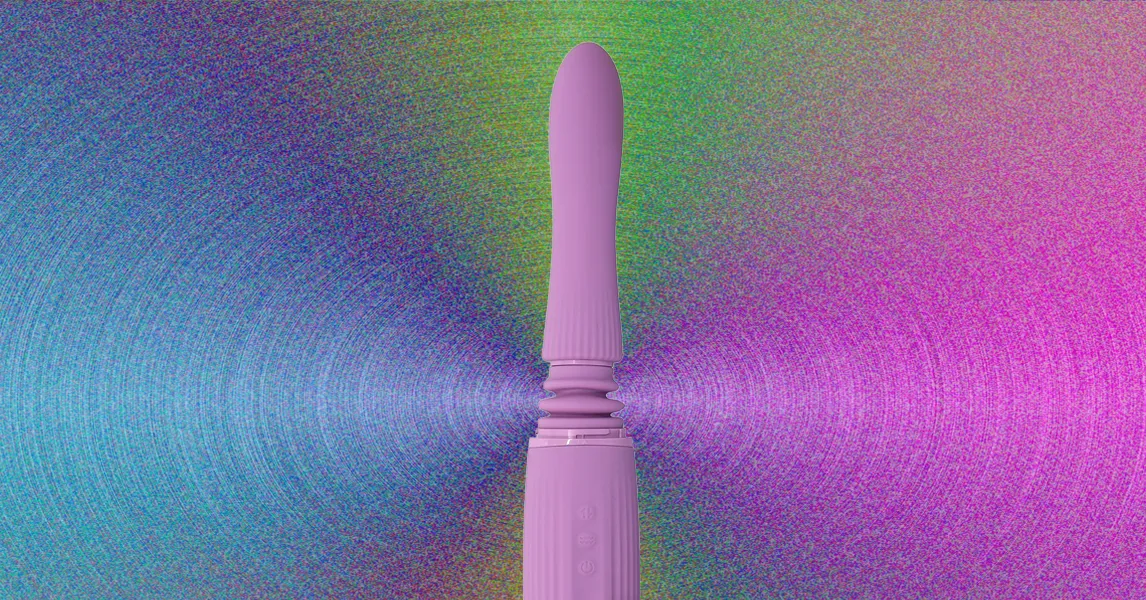
Familiar's Nebula is a powerful, large, thrusting sex toy with a telescopic mechanism, designed for deep penetration and partnered play, but it is loud and best suited for experienced users who enjoy intense sensations.
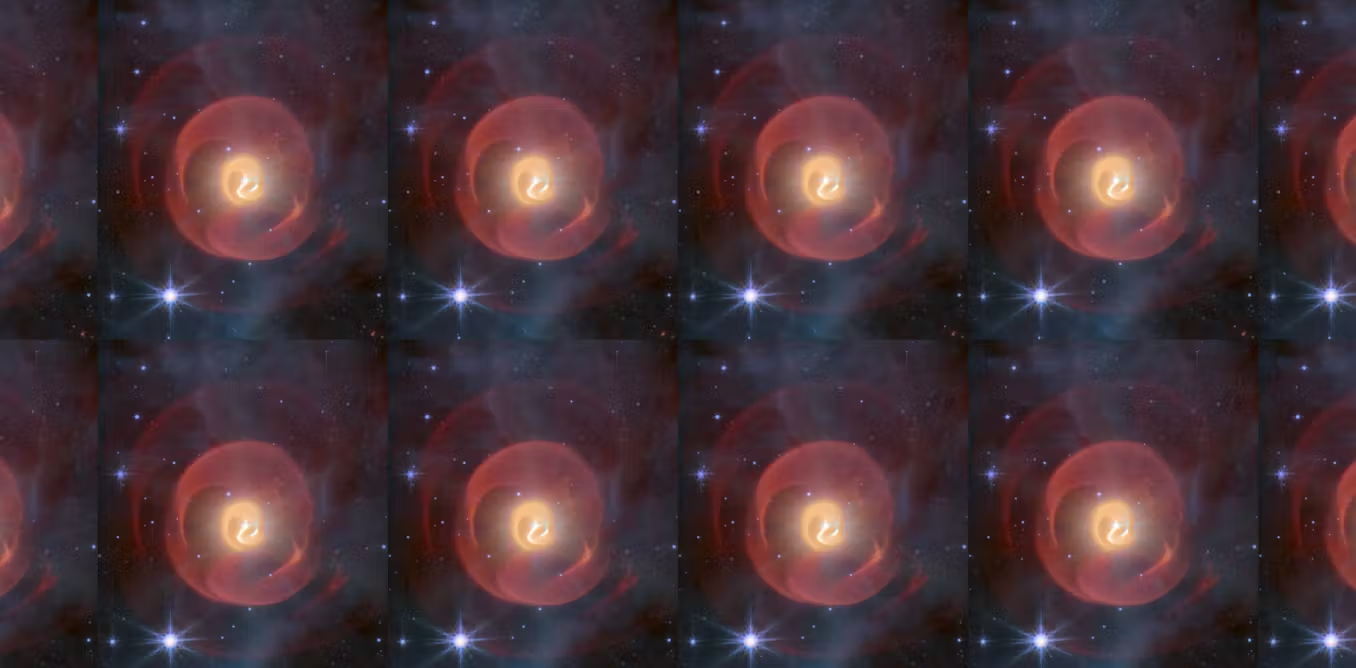
A new Webb telescope image reveals a spectacular spiral nebula around two Wolf-Rayet stars in the Apep system, providing insights into star death and cosmic dust formation, and uncovering a third star influencing the nebula's shape.
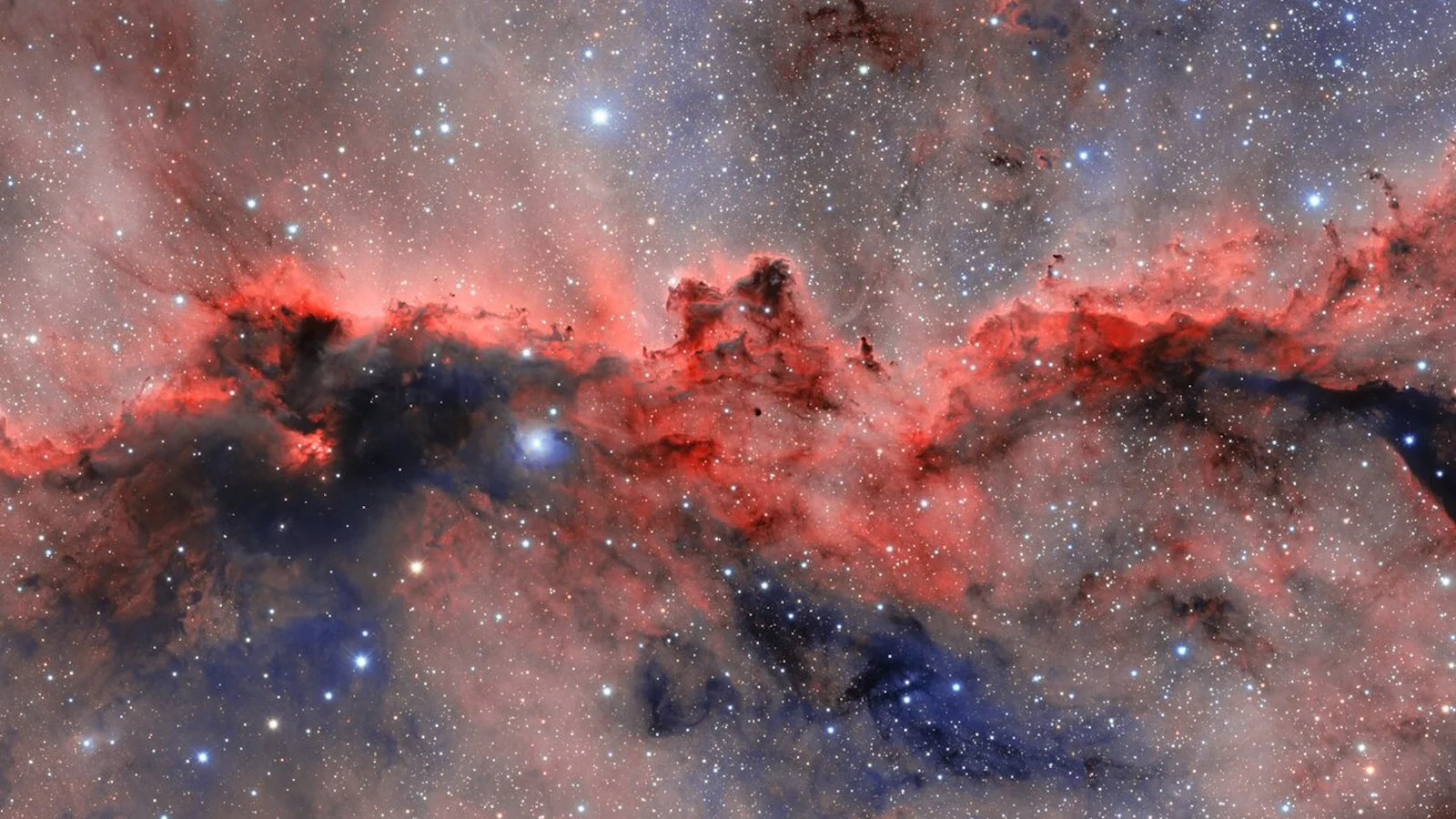
Astronomers have captured a stunning image of the nebula NGC 6188, also known as the Fighting Dragons of Ara, located 4,000 light-years away in the constellation Ara. The image depicts two dragon-like shapes formed by stellar winds from young stars, showcasing the dynamic interplay of radiation and cosmic dust in this emission nebula.
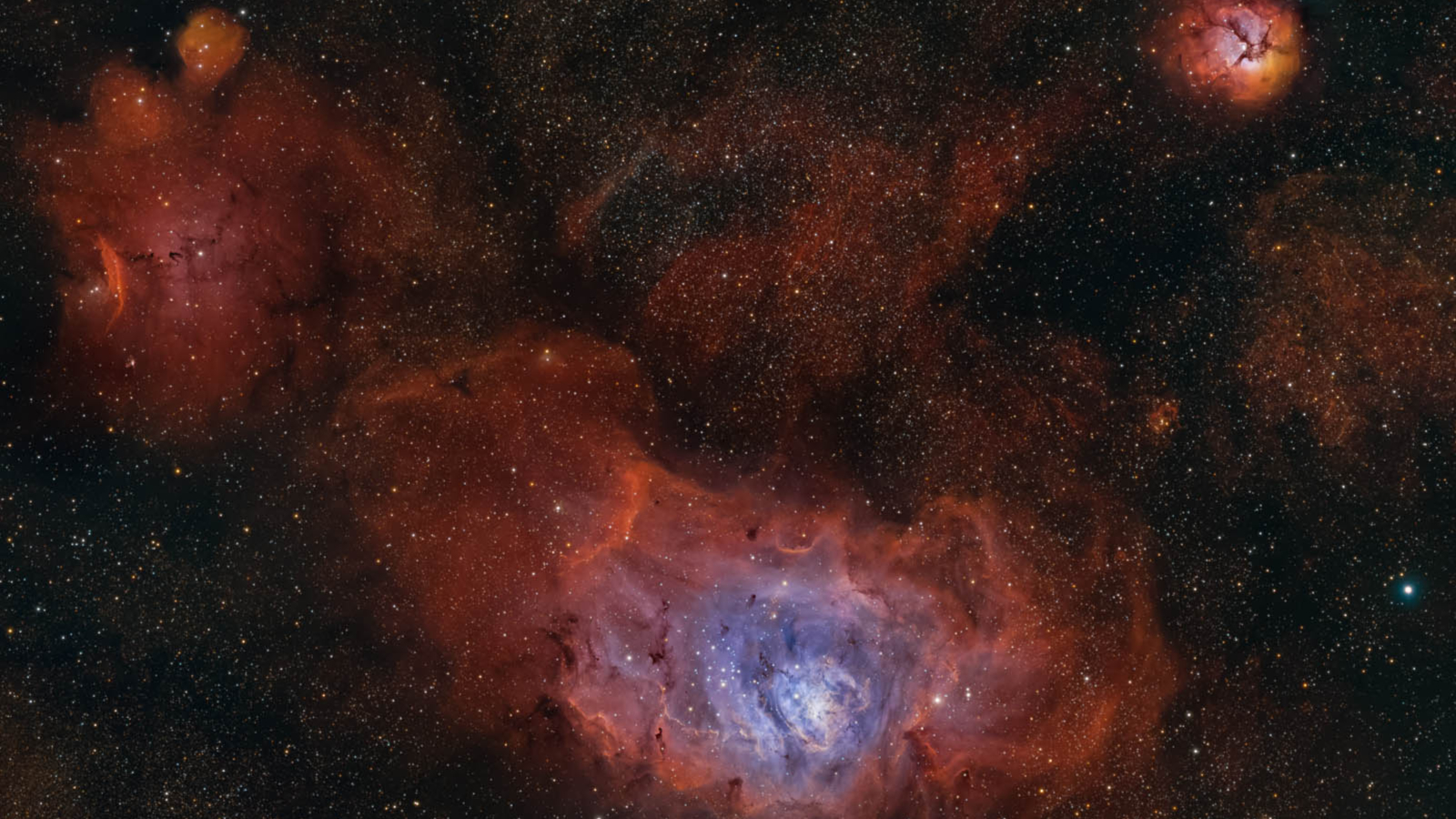
Astrophotographer Greg Meyer captured stunning images of the Lagoon and Trifid nebulas in Sagittarius, showcasing their vibrant structures and star-forming regions, using a telescope and camera over 34 hours under Arizona skies.
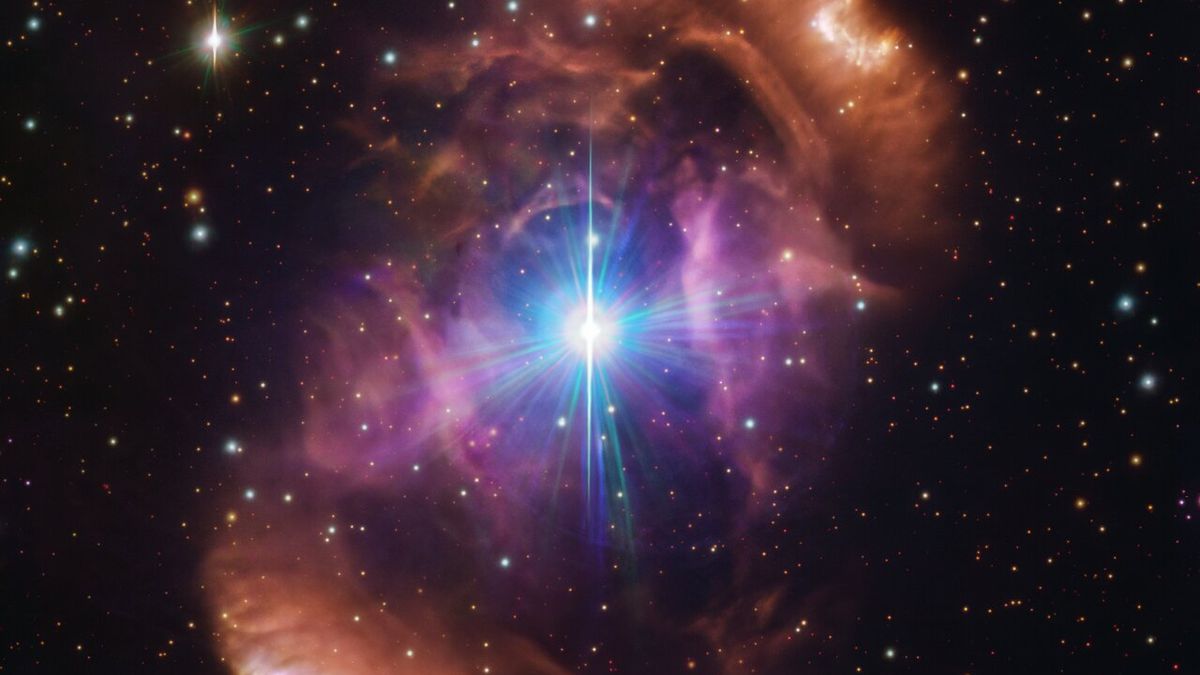
A bizarre binary star system, HD 148937, located 3,800 light-years away, contains two massive stars, one of which is the brightest and hottest known to have a magnetic field. Despite the conventional understanding that massive stars should not have magnetic fields, about 7% of them do. Recent observations suggest that the magnetic field in HD 148937's star was acquired through a violent merger with another star, leading to the creation of a bipolar nebula and shedding light on the origin of magnetic fields in massive stars.
Astronomers have unraveled the mystery of the "Dragon's Egg" nebula, discovering that the magnetic field in one of the stars within it was likely created through a violent merger with a smaller sibling star. This finding explains the presence of magnetic fields in relatively few massive stars and sheds light on the complex physics and chemistry at play in the nebula. The stunning cloud of gas and dust, located in the Milky Way galaxy, is a result of a recent cosmic event and provides valuable insights into the formation and evolution of massive stars.
Astronomers studying the beautiful nebula NGC 6164/6165, also known as the Dragon's Egg, have discovered a violent history behind the stellar pair HD 148937 at its center. New data from the European Southern Observatory (ESO) suggests that the system originally had three stars, with two of them merging in a violent clash, creating the surrounding nebula and altering the system's fate. This discovery also provides direct evidence of how massive stars can acquire magnetic fields through mergers, solving a long-standing mystery in astronomy.
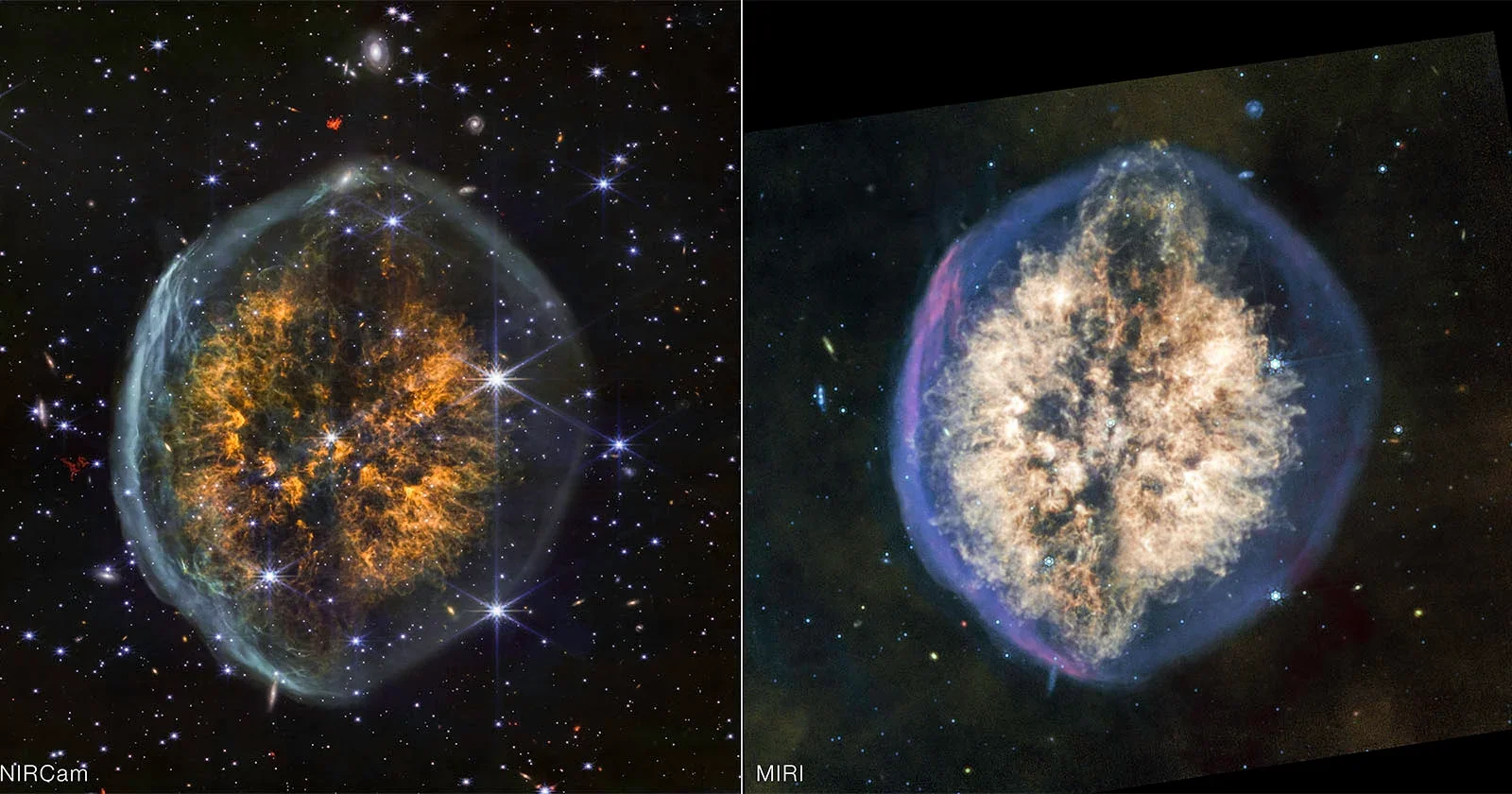
NASA has unveiled a composite image of the 800-year-old supernova remnant, Pa 30, shedding light on the rare sub-luminous Type Iax supernovae and offering astronomers a unique laboratory for studying cosmic explosions. The image, created by combining data from various telescopes, showcases the stunning remnants of the 1181 AD supernova, providing insights into the evolution of stars and the dynamics of supernova explosions. This discovery not only offers a visual feast but also an invaluable glimpse into the cosmic events that shape our universe.