Tag

Axions

All articles tagged with #axions

science17 days ago

Fusion Reactors Could Unlock Dark Matter Secrets and Revolutionize Energy

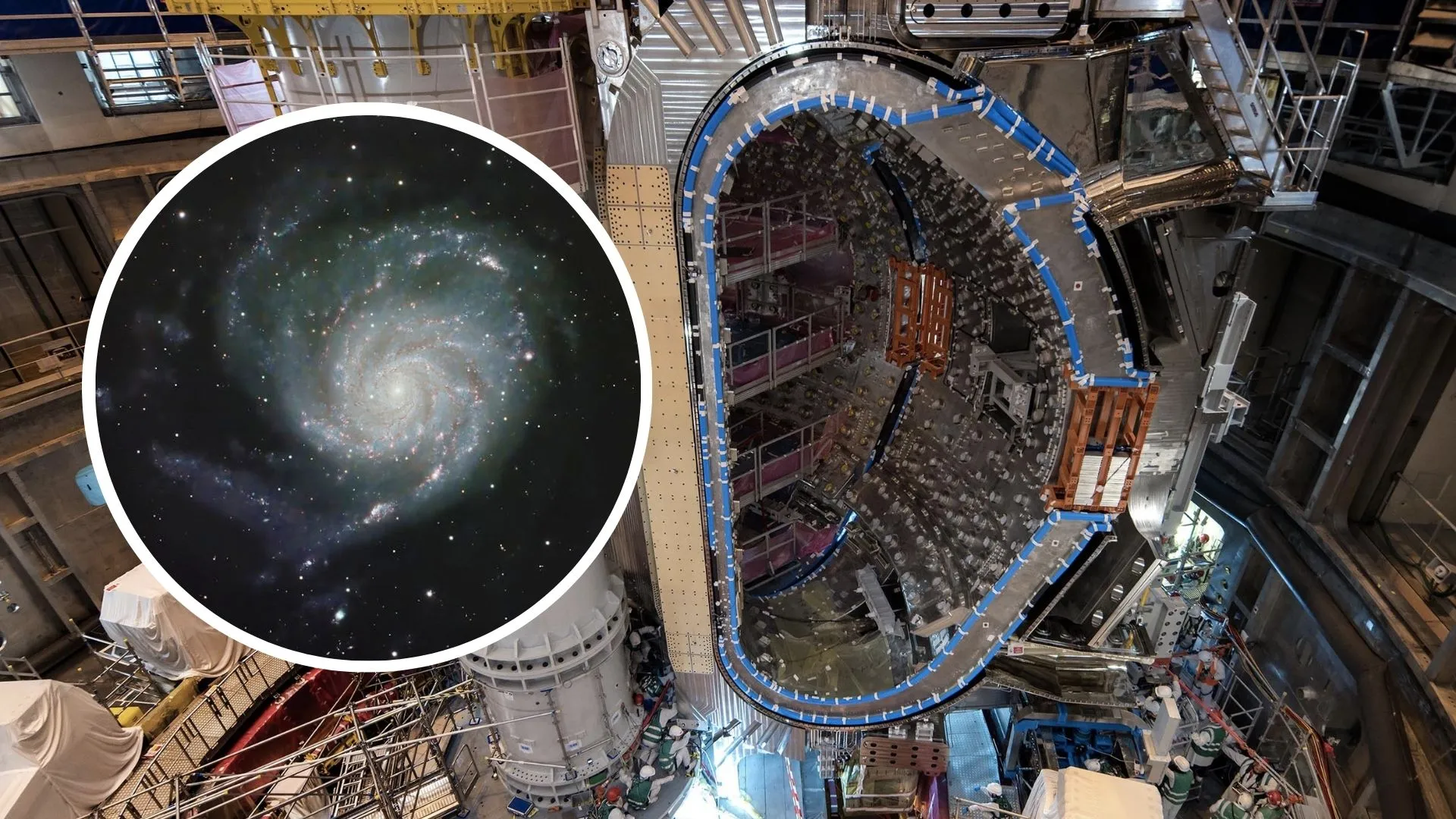
Researchers from the University of Cincinnati and collaborators have proposed a theoretical method for producing axions, a candidate for dark matter, inside fusion reactors, building on concepts humorously referenced in 'The Big Bang Theory.' Their findings suggest that fusion reactors could generate particles linked to the dark sector through neutron interactions, offering a potential new avenue for dark matter research.

science19 days ago

Zombie Stars Could Illuminate Dark Matter Mysteries

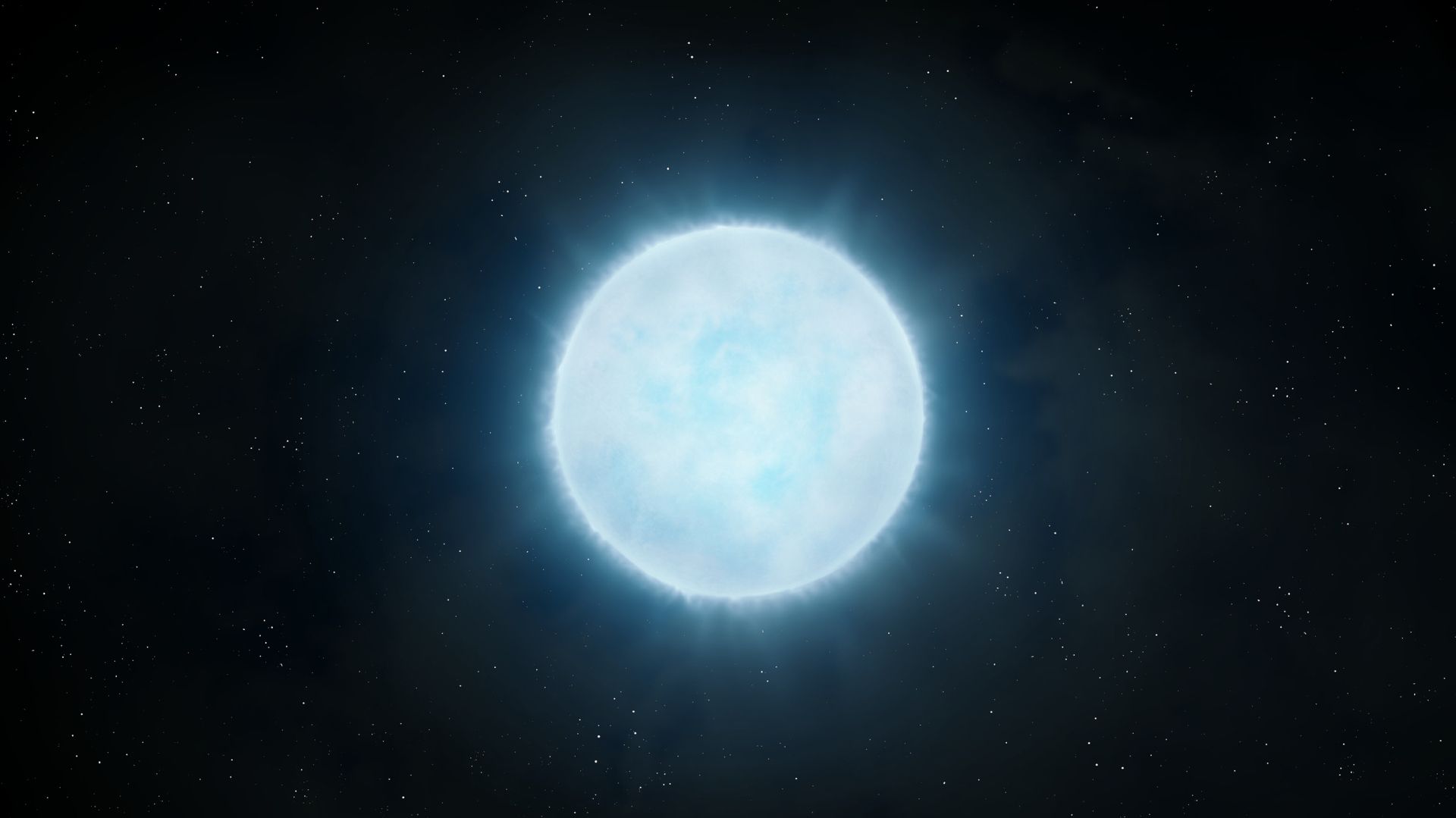
Researchers from the University of British Columbia explored the potential link between axions, a dark matter candidate, and white dwarf stars, using data from the Hubble Space Telescope. Although their analysis did not find evidence of axion-induced cooling, it established new limits on axion-electron interactions, guiding future dark matter research. The study highlights the importance of exploring various astrophysical phenomena to understand elusive particles like axions.

science26 days ago

Physicist Resolves Fusion Reactor Issue Featured in ‘The Big Bang Theory’

A physicist from the University of Cincinnati has theoretically solved a problem related to producing axions, hypothetical particles linked to dark matter, in fusion reactors—an issue that was humorously depicted as unsolvable by Sheldon Cooper and Leonard Hofstadter in 'The Big Bang Theory.' The research, conducted with international collaborators, explores how neutrons in fusion reactors could generate axions, potentially advancing our understanding of dark matter, and adds a real-world scientific breakthrough to a concept previously only discussed in the sitcom.

science5 months ago

Researchers Develop Innovative Method to Detect Dark Matter Particles

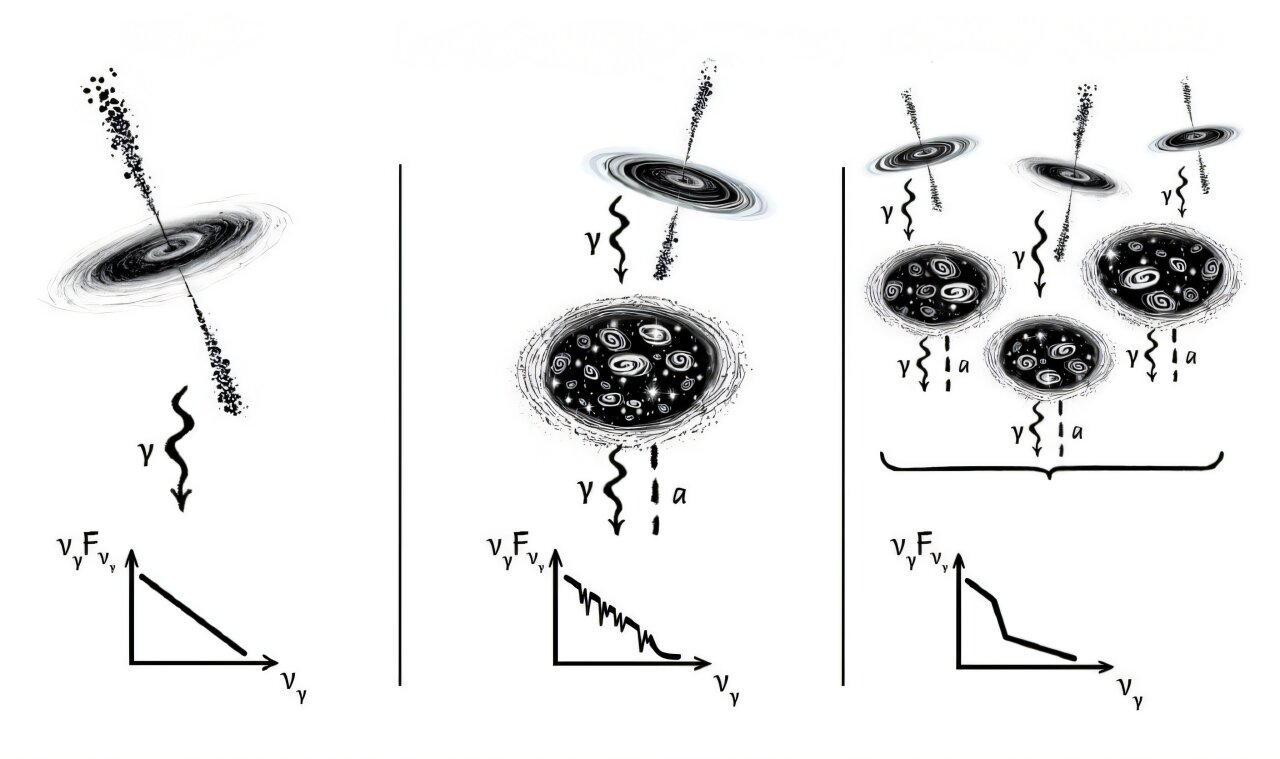
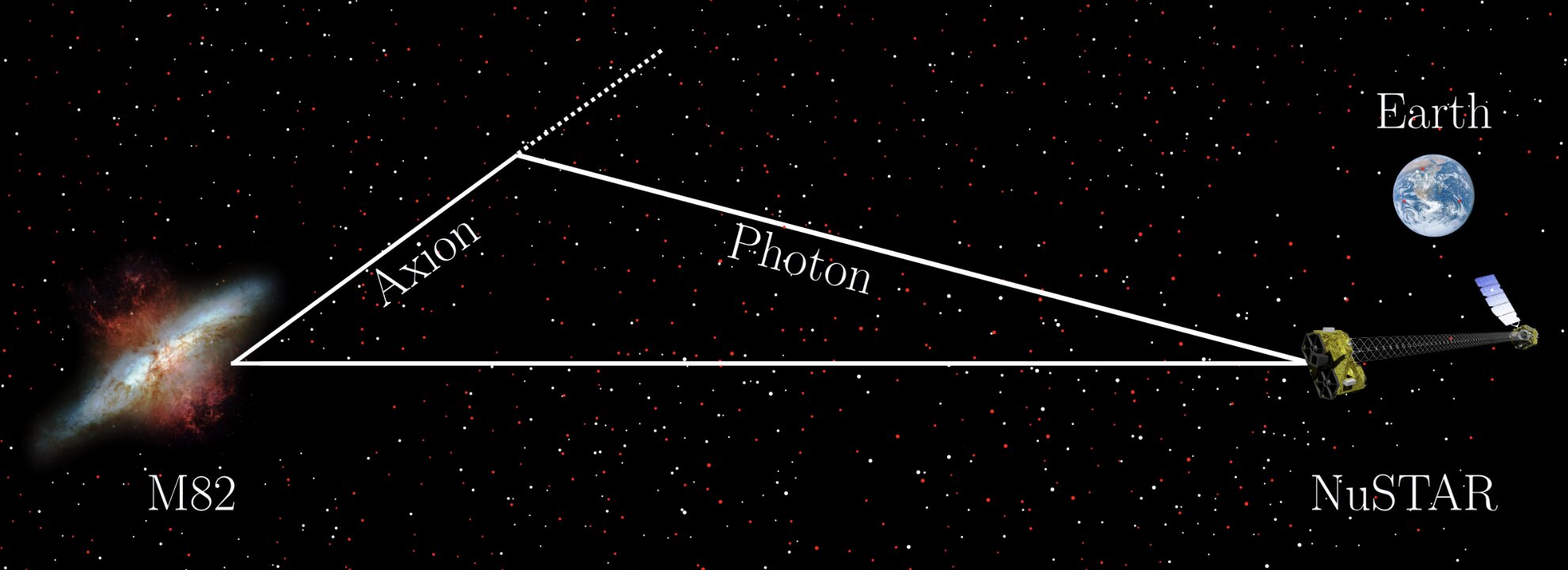
Researchers from the University of Copenhagen used galaxy clusters and the magnetic fields around them to search for axions, a hypothetical particle linked to dark matter. By combining data from 32 distant black holes, they identified a pattern that hints at the presence of axions, bringing us closer to understanding dark matter. This innovative method could be applied to other radiation types and help narrow down the search for these elusive particles.

science1 year ago

Scientists Develop Test for Universe's Life-Supporting Design

A new study proposes a theoretical test to potentially falsify the Anthropic Principle, which suggests the universe is fine-tuned for life. The test involves conditions related to cosmic expansion, axions, and dark matter, though it is currently unfeasible due to gaps in scientific understanding. If proven, it could challenge the notion that the universe is purpose-built for intelligent life, suggesting more complex cosmological theories.

science1 year ago

New Test Proposed for the Anthropic Principle in Cosmology

A new study by physicists Nemanja Kaloper and Alexander Westphal proposes a method to test the Anthropic Principle, which suggests the universe is fine-tuned for life. The researchers aim to validate this principle by examining cosmic inflation, dark matter, and axions. They suggest that if future observations, such as those from the LiteBIRD satellite or black hole studies, confirm the presence of ultralight axions as dark matter, it would support the Anthropic Principle. Conversely, if axions are not found to be dark matter, it could challenge the principle's validity.

science1 year ago

Supernova Remnants May Unlock Dark Matter Secrets Instantly

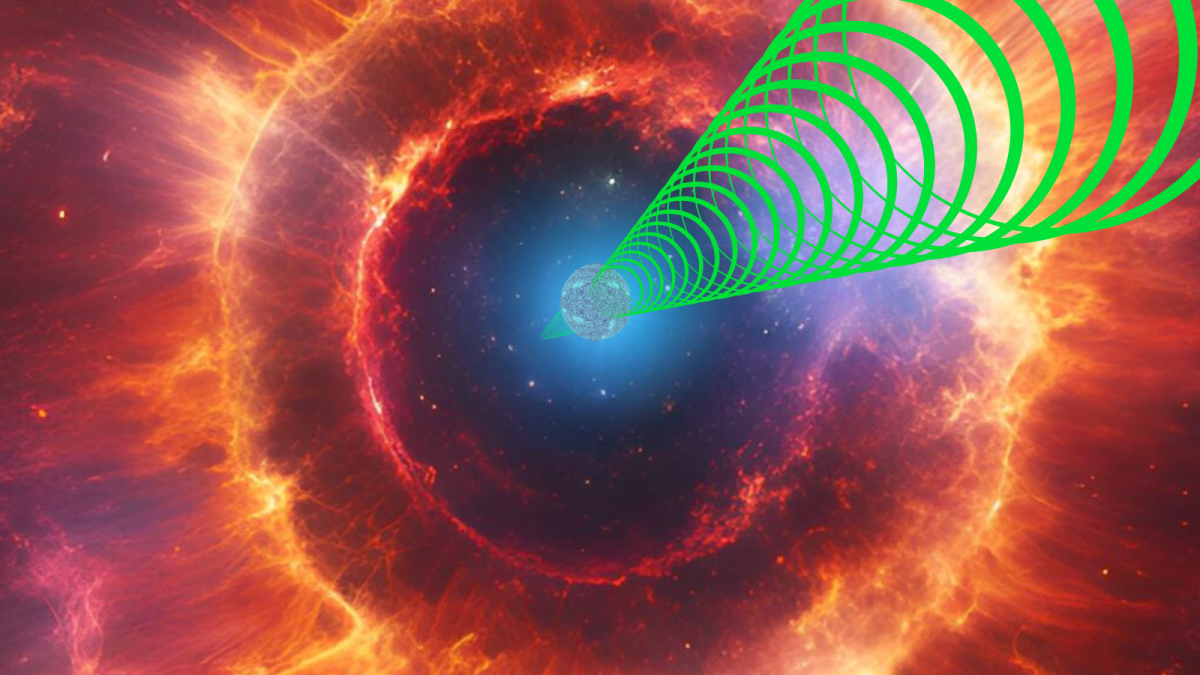
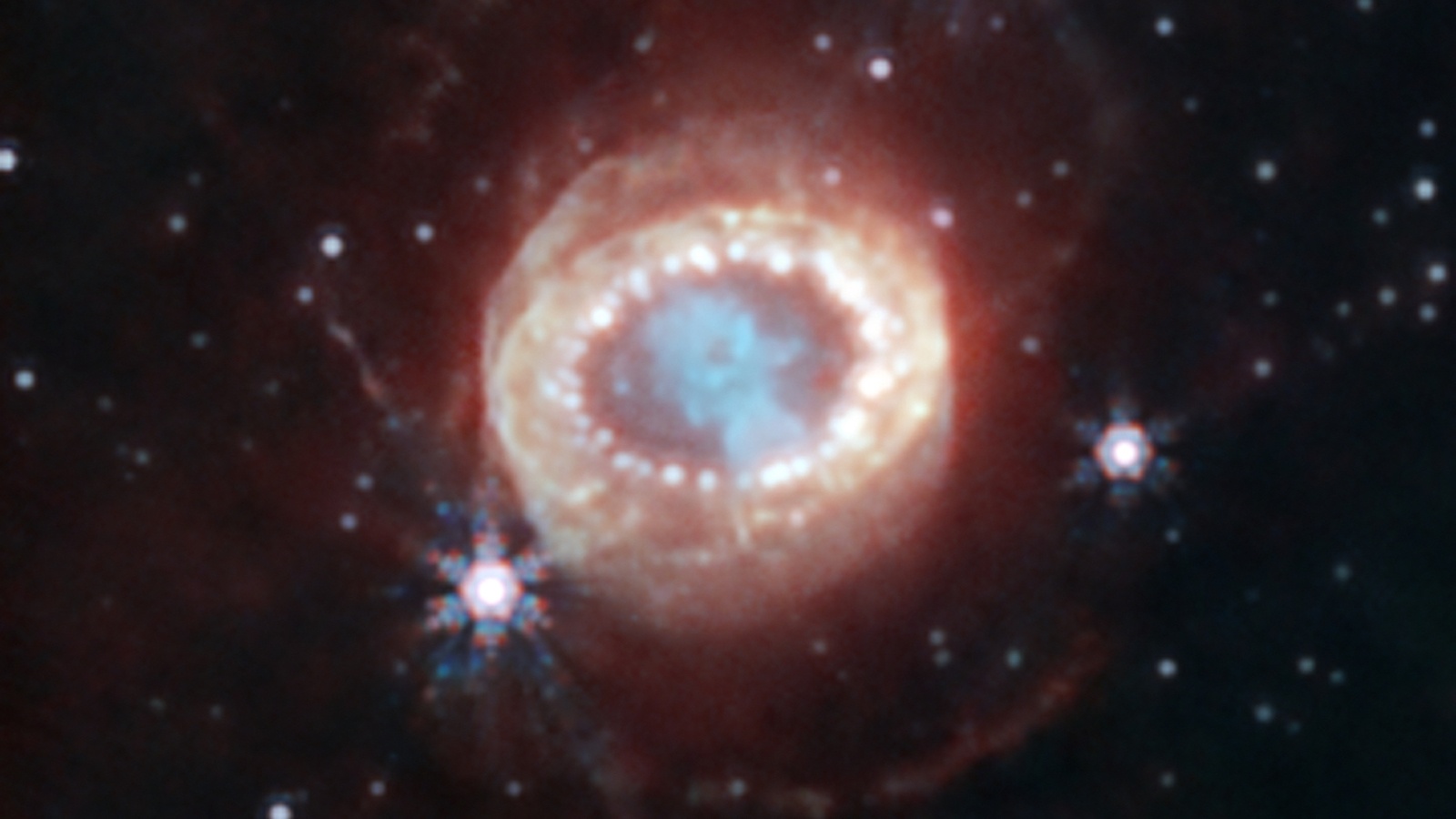
Researchers from the University of California, Berkeley propose that gamma rays emitted from neutron stars at the center of supernova explosions could help solve the dark matter mystery if dark matter is composed of axions, hypothetical particles. A nearby supernova could allow detection of these gamma rays, potentially confirming the mass of axions and resolving the dark matter puzzle. The Fermi Gamma-ray Space Telescope would need to be pointed in the right direction to capture this event, which has a 1 in 10 chance of occurring. The team is advocating for a full-sky gamma-ray satellite constellation to ensure no such event is missed.

science1 year ago

Nearby Supernova May Unveil Dark Matter Mysteries

A recent study by astrophysicists at UC Berkeley suggests that a nearby supernova could help detect axions, a leading candidate for dark matter. Axions, hypothetical low-mass particles, could be produced in large quantities during a supernova and transform into gamma rays in the presence of strong magnetic fields. The Fermi Gamma-ray Space Telescope could potentially detect these gamma rays, providing crucial insights into axion properties and narrowing the search for dark matter. However, the rarity of nearby supernovae makes this a challenging endeavor.

science1 year ago

Nearby Supernova May Hold Key to Dark Matter Mystery

Scientists at UC Berkeley propose that a nearby supernova could help detect axions, a leading dark matter candidate, by transforming them into gamma rays through interaction with magnetic fields. This detection could revolutionize our understanding of dark matter, but the rarity of nearby supernovae poses a challenge. The team advocates for the development of the GALAXIS satellite array to improve detection chances, as current technology like the Fermi Gamma-ray Space Telescope has limitations. A successful detection would provide crucial data on axions, potentially confirming their role as dark matter particles.