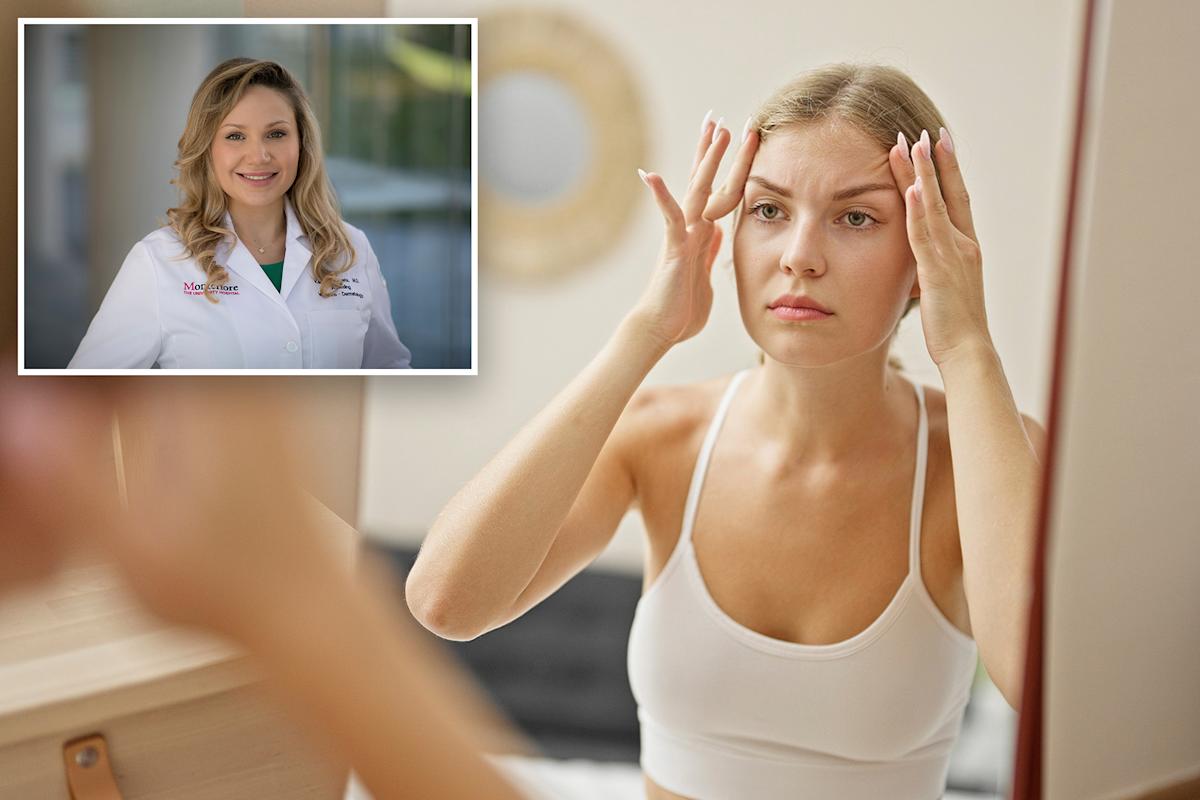
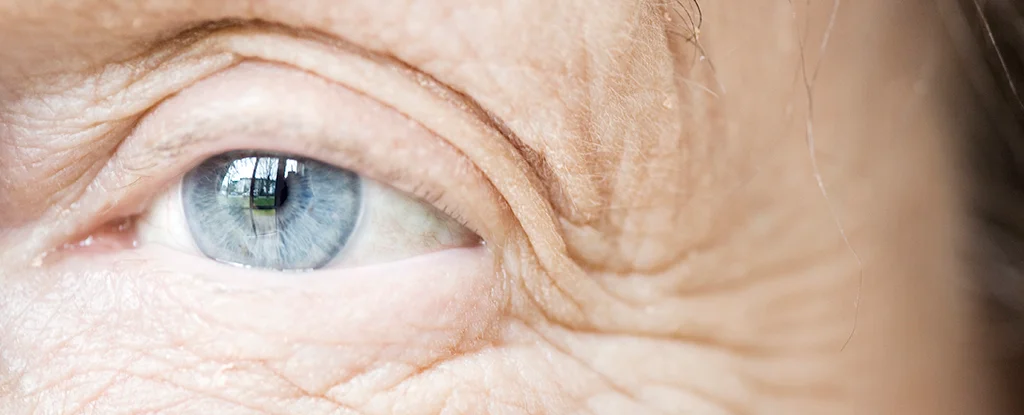
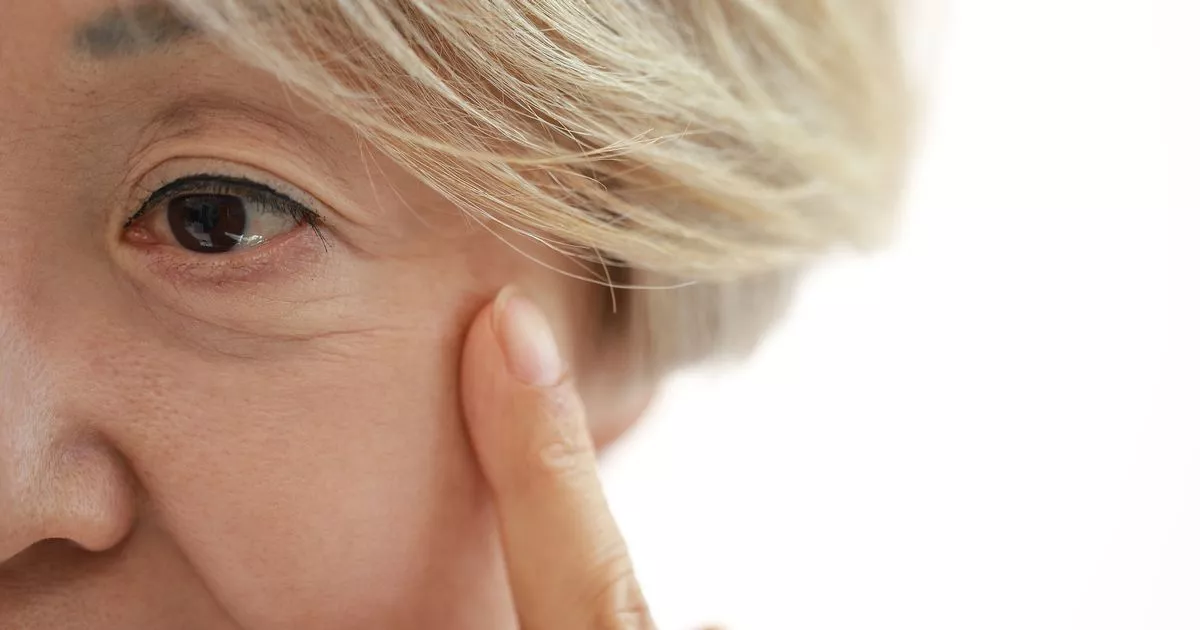
A dermatologist explains that early wrinkles and deeper grooves can be predicted by signs such as sun exposure, poor skincare routines, and smoking, with lifestyle choices playing a significant role in skin aging.
Rice University scientists discovered that tiny wrinkles in atomically thin materials like molybdenum ditelluride can control electron spins with high precision, enabling the development of ultra-compact, energy-efficient spintronic devices by creating persistent spin helix states through mechanical bending and flexoelectric effects.
A study by Binghamton University researchers explains that skin wrinkles with age due to repeated stretching and buckling, similar to denim creases, with changes in skin stiffness and collagen density contributing to this process. The findings provide experimental evidence of the physical mechanisms behind aging skin and have implications for skincare and understanding other tissues, as well as the impact of sun exposure on skin aging.
New research from Binghamton University reveals that wrinkles are primarily caused by the physical buckling of skin due to uneven tension and mechanical stress, rather than age alone. As skin ages, it loses elasticity and shrinks unevenly, leading to buckling when a critical stress threshold is reached, with UV damage accelerating this process. Future anti-wrinkle treatments may focus on rebalancing internal skin stresses rather than just boosting collagen. Meanwhile, proven skincare practices like sunscreen, retinoids, and maintaining skin health remain important.
As we age, collagen production declines, leading to wrinkles and sagging, but proven methods like daily SPF use, retinoids, antioxidants, peptides, and professional treatments can support and rebuild collagen for healthier, youthful skin.
Taylor Swift was praised for her relaxed, wrinkle-prone summer dress during a hospital visit, highlighting the beauty of embracing the natural wear of delicate fabrics and focusing on meaningful moments over perfect appearances.
A study shows that finger wrinkles caused by water are consistent and follow blood vessel patterns, suggesting they are unique and stable over time, potentially useful for biometric identification, and are controlled by the nervous system rather than passive water absorption.
A study published in Alzheimer's Research and Therapy suggests that facial ageing, particularly crow's feet, may indicate a higher risk of dementia. Conducted in China, the research analyzed data from 200,000 individuals over 12 years, finding that those perceived to look older than their age had a significantly increased likelihood of developing dementia. The study highlights the potential of using facial ageing as a screening tool for early dementia detection, though the exact link between skin and cognitive health remains unclear.
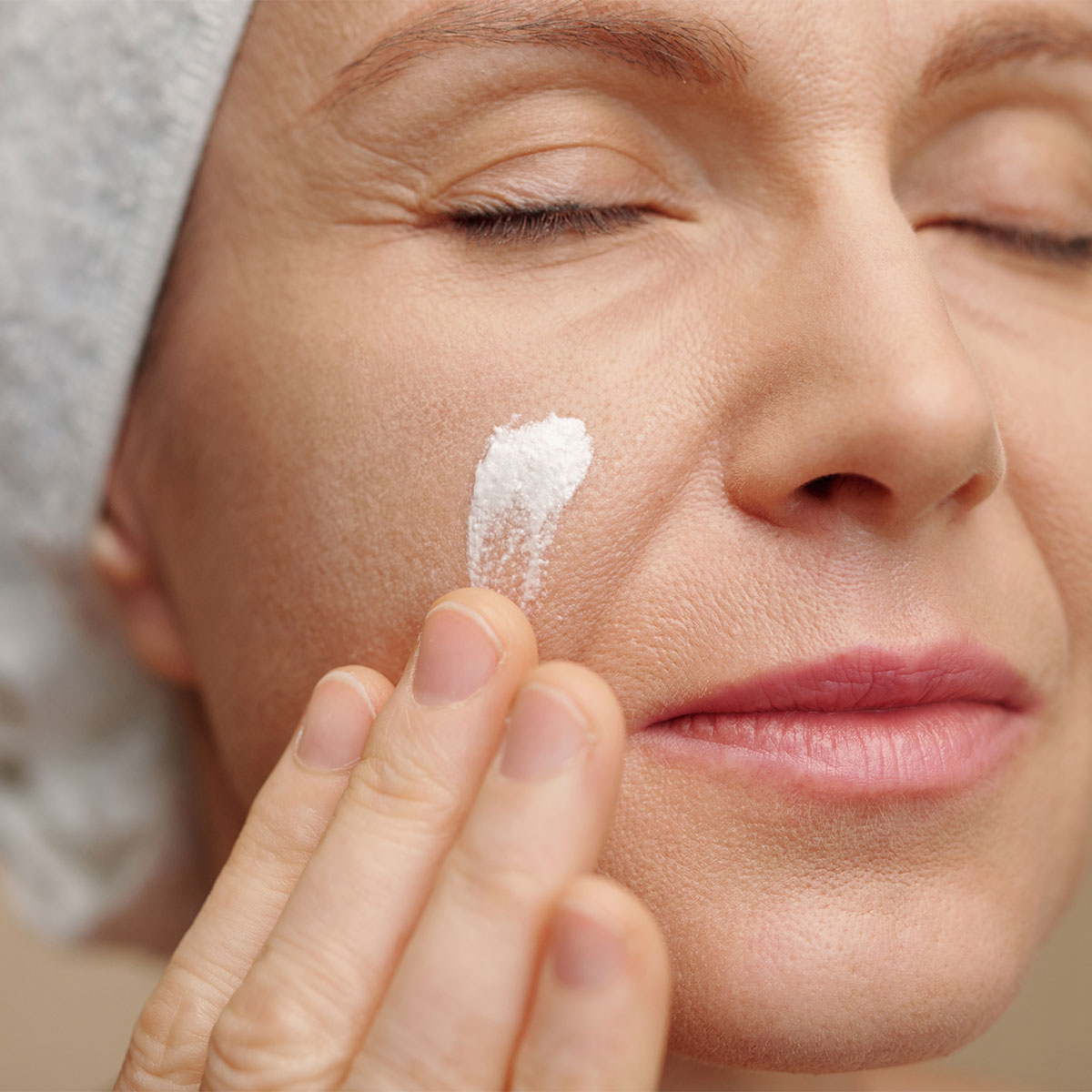
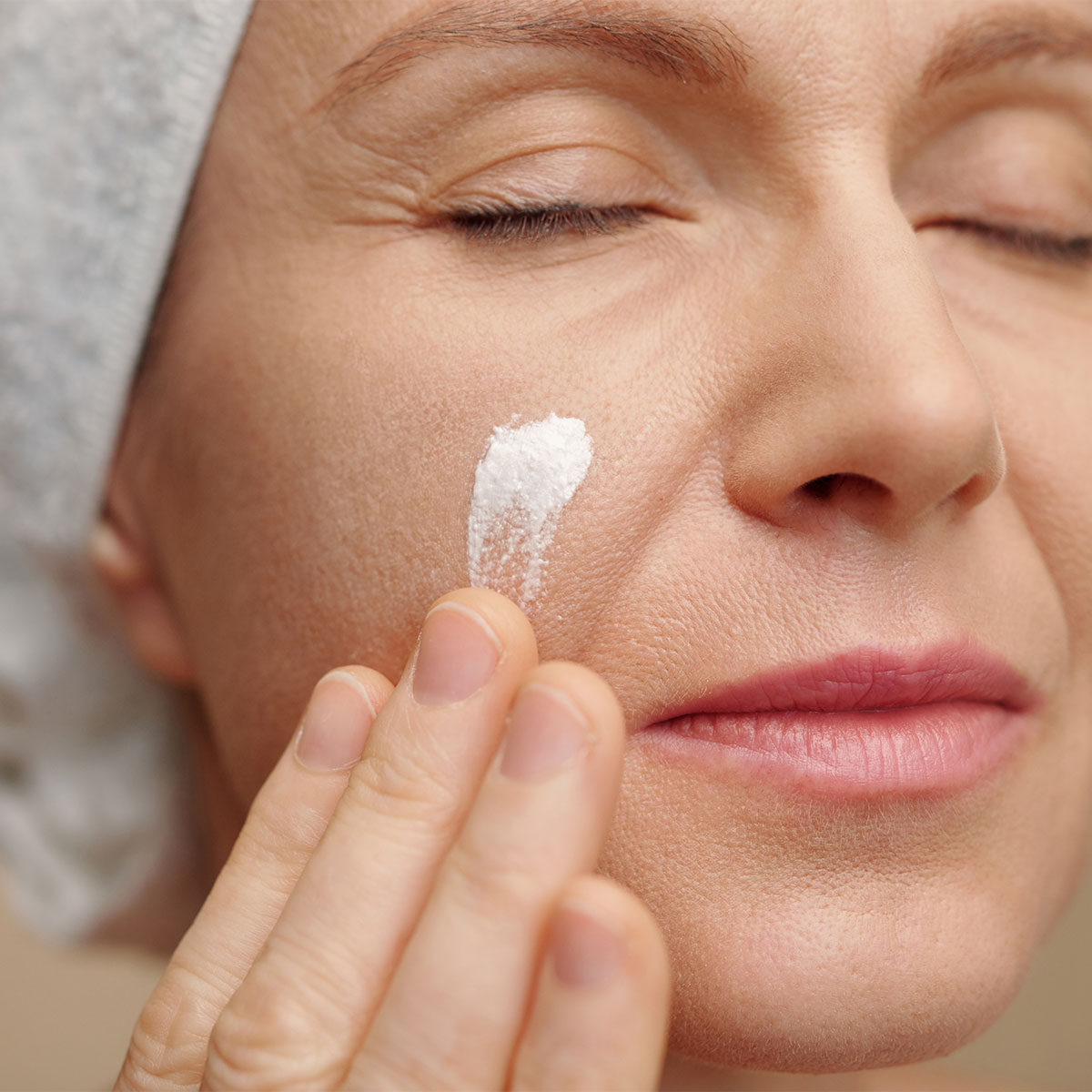
Dermatologists recommend a three-step nighttime skincare routine for women with wrinkles and fine lines. The routine includes washing the face with a mild cleanser, applying hyaluronic acid serum to the face and neck, and adding a moisturizer before bed. These steps help to remove impurities, hydrate the skin, and promote skin repair and rejuvenation. Consistent hydration and the use of topical products can delay the effects of aging and improve the appearance and feel of mature skin.
Dermatologists recommend a three-step nighttime skincare routine for older women with wrinkles and fine lines. The routine includes washing the face with a mild cleanser, applying hyaluronic acid serum to retain moisture, and adding a moisturizer before bed. These steps help hydrate the skin, promote collagen production, and improve skin texture, leading to a healthier and more youthful appearance.
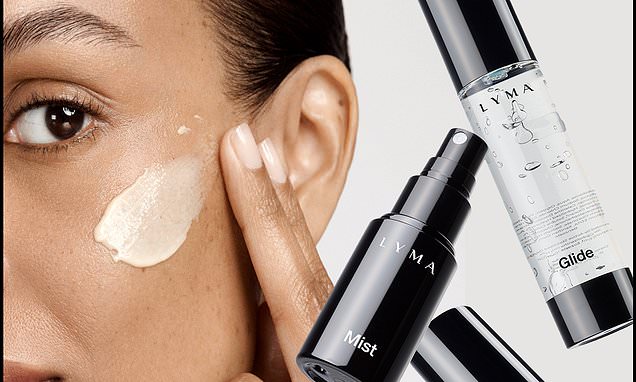
The LYMA Laser system, coupled with the LYMA Oxygen range, offers an effective solution for menopausal skin by using low-level laser therapy and pure oxygen to stimulate collagen production, reduce signs of aging, and leave the skin plumper and more resilient. The Oxygen Mist promotes increased blood flow and cell formation, while the Oxygen Glide locks in moisture and boosts collagen production. When used together, these products provide a spa-at-home treatment that softens, smoothens, and brightens the complexion, making it ideal for menopausal skin in need of extra care.
A clinical study evaluated the efficacy and safety of a novel serum containing vitamin C, astaxanthin, fermented turmeric, and vitamin E in improving overall skin quality. Participants showed visible improvement in fine lines, wrinkles, radiance, and hyperpigmentation after 12 weeks of use. The serum was well-tolerated, gentle on the skin, and had no significant adverse events. However, the study had limitations such as a small sample size and lack of a control group.