
Harnessing Wrinkles and Defects in 2D Materials to Boost Spintronic Device Efficiency
TL;DR Summary
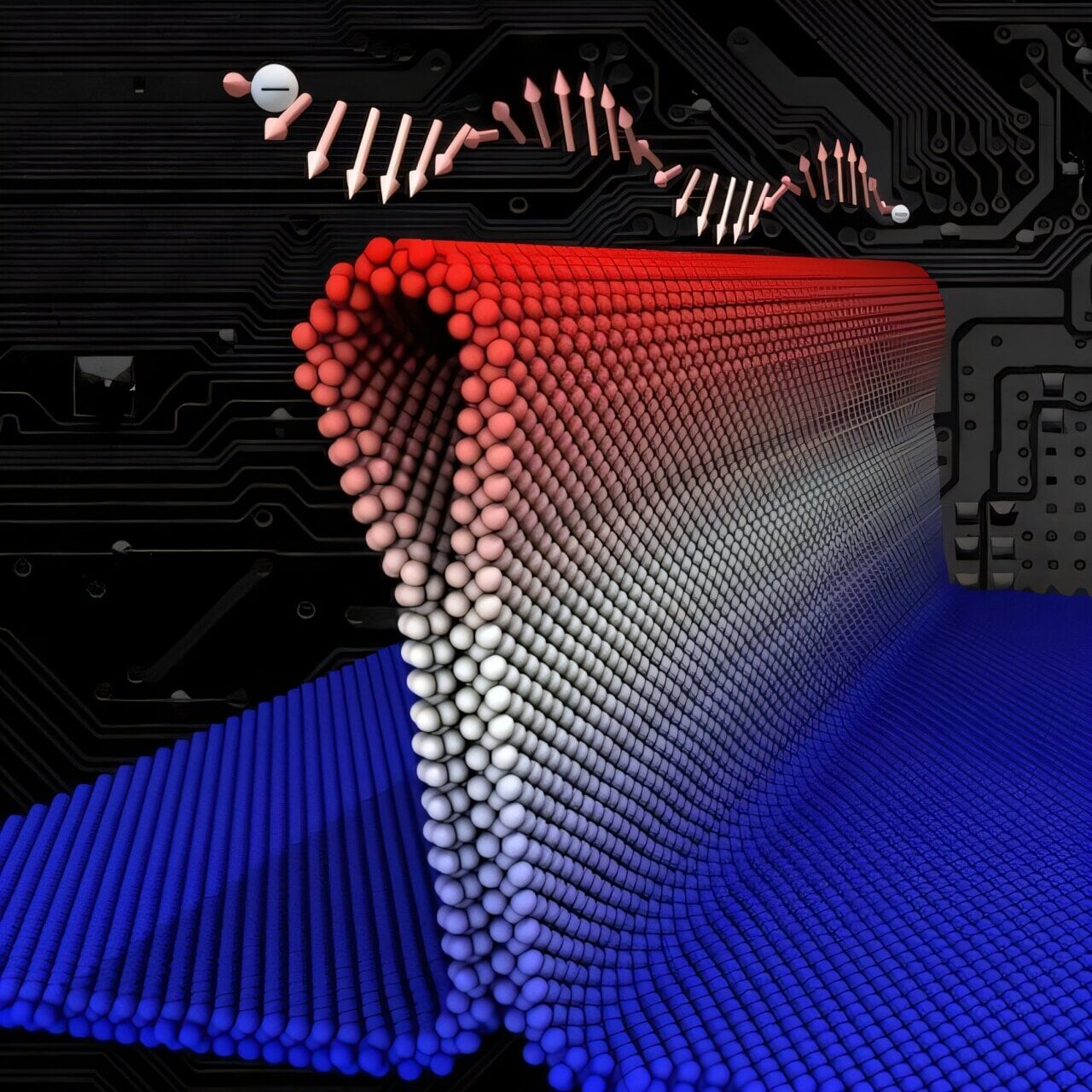
Rice University scientists discovered that tiny wrinkles in atomically thin materials like molybdenum ditelluride can control electron spins with high precision, enabling the development of ultra-compact, energy-efficient spintronic devices by creating persistent spin helix states through mechanical bending and flexoelectric effects.
Topics:science#2d-materials#persistent-spin-helix#science#spintronics#ultraefficient-electronics#wrinkles
- Wrinkles in atomically thin materials unlock ultraefficient electronics Phys.org
- Wrinkled 2D materials could power faster, smaller devices with less energy yahoo.com
- Scientists Flip the Script and Solve a Longstanding Spintronics Challenge SciTechDaily
- Unlocking the Potential of Defects: Enhancing Spintronic Devices Through Innovative Research BIOENGINEER.ORG
- Defects Boost Spintronic Device Performance Mirage News
Reading Insights
Total Reads
0
Unique Readers
5
Time Saved
3 min
vs 4 min read
Condensed
94%
676 → 41 words
Want the full story? Read the original article
Read on Phys.org