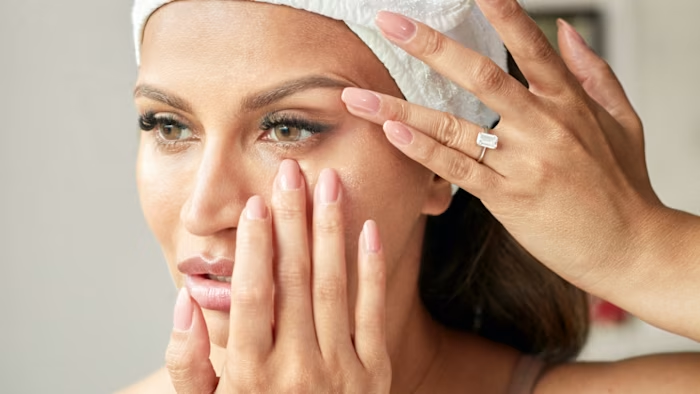
The article suggests that instead of opting for blepharoplasty, individuals should consider non-surgical eye treatments like targeted skincare products and devices to address common concerns such as puffiness, dullness, and skin laxity around the eyes, emphasizing the importance of consistent skincare routines for maintaining a youthful appearance.

Dermatologists warn against reusing washcloths due to bacteria buildup and recommend using disposable, plant-based Clean Skin Club towels for a hygienic and effective skin cleanse, which many users find improves skin health and reduces irritation.
The article discusses the rising trend of young women in their 20s and 30s opting for facelifts, driven by factors like filler fatigue and societal beauty standards, with procedures like the deep plane facelift becoming popular for facial restructuring and beautification, often performed abroad at a lower cost.
The article warns about the societal obsession with maintaining a youthful appearance, particularly the idea of a 'forever 35-year-old face,' highlighting the pressures and beauty standards that encourage constant skincare and cosmetic interventions to combat aging.
The article discusses effective hair growth ingredients and treatments recommended by dermatologists, highlighting key components like peptides, minoxidil, rosemary oil, caffeine, biotin, and Redensyl, along with product recommendations and advice on addressing hair loss causes.
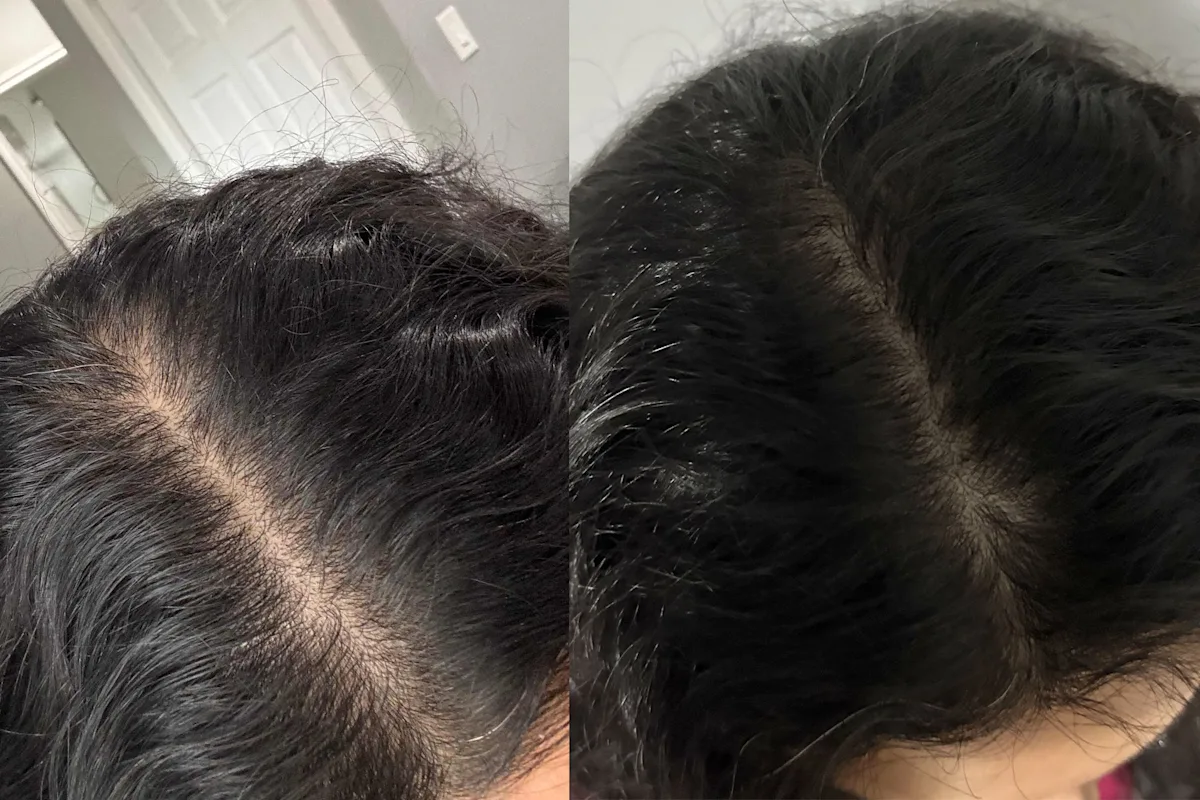
The article discusses causes of hair thinning in women, such as androgenetic alopecia and telogen effluvium, and highlights treatments like minoxidil and key ingredients like biotin and caffeine. It emphasizes consulting a dermatologist for personalized solutions and shares personal success with targeted products, along with recommendations for hair thinning treatments and products.
The European Union has banned the use of gel nail polishes containing the chemical TPO (trimethylbenzoyl diphenylphosphine oxide), which is used to harden and extend the durability of gel manicures, affecting salons across its 27 member countries starting September 1, 2025.
The article discusses effective ways to stimulate hair growth, emphasizing patience and consistency with treatments like vitamins, scalp care, natural ingredients, protective styling, and lifestyle changes, while highlighting that significant results typically take at least 6 weeks to 3 months.
NAD+ is a molecule crucial for cellular energy and skin health, supporting collagen production, hydration, and DNA repair. While topical NAD+ has limited penetration, skincare products often contain precursors like niacinamide that boost NAD+ levels, potentially improving skin elasticity, reducing inflammation, and reversing signs of aging. The article reviews various NAD+ skincare products, highlighting their ingredients and benefits.
The use of weight-loss drugs like Ozempic has led to a rise in cosmetic procedures due to side effects like sagging skin and facial hollowing, prompting a boom in cosmetic surgery and treatments to restore facial volume, with ongoing debates about long-term effects and the impact of weight regain.
The use of weight-loss drugs like Ozempic has led to a rise in 'Ozempic face,' a sagging and hollowed appearance due to facial volume loss, prompting more people to seek cosmetic procedures such as fillers and facelifts, with the trend impacting overall aesthetic surgery rates.
The article discusses proven methods to boost collagen production in the skin, as recommended by dermatologists, though specific techniques are not detailed in the provided excerpt.
As we age, collagen production declines, leading to wrinkles and sagging, but proven methods like daily SPF use, retinoids, antioxidants, peptides, and professional treatments can support and rebuild collagen for healthier, youthful skin.
Collagen is a key protein for youthful skin, but its decline with age is influenced by factors like UV damage. While topical collagen products may offer temporary hydration, their ability to boost collagen production is limited. Collagen supplements show some promise in animal studies and industry-funded human trials, but high-quality evidence is lacking. Medical procedures like NeoGen and microneedling can stimulate collagen, but their long-term effectiveness varies and requires ongoing treatments. The best long-term strategy remains protecting skin from UV damage early on, as biological damage to collagen and elastin is largely irreversible.