Research suggests that the MC1R gene, known for influencing red hair and skin pigmentation, also plays a crucial role in wound healing by regulating inflammation. Disruption of MC1R is linked to chronic wounds that fail to heal, and activating this pathway with topical drugs has shown promising results in improving healing in experimental models, offering potential new treatments for chronic wounds.
ASU researchers discovered that the protein SerpinB3, previously linked to cancer, also plays a crucial role in natural wound healing by activating skin cells and guiding tissue repair, opening new possibilities for treating hard-to-heal wounds and understanding its role in diseases.
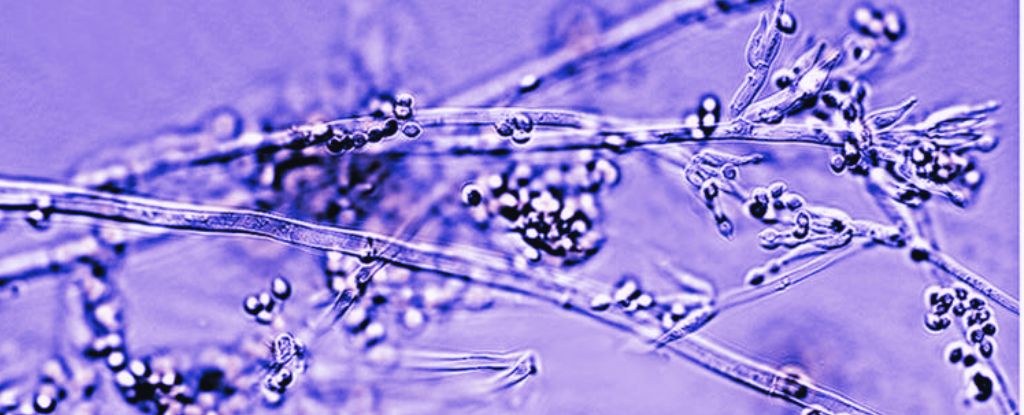
Scientists at the University of Utah have developed a living hydrogel from the soil fungus Marquandomyces marquandii, which could potentially be used for wound healing and tissue regeneration due to its multilayered, water-retaining, and biocompatible properties, marking a significant step toward bio-integrated medical materials.
A new gel-based treatment targeting the protein TSP-1 has shown promise in rapidly healing stubborn diabetic wounds in mice within two weeks, potentially revolutionizing diabetic wound care pending clinical trials.
A preclinical study has identified a signaling pathway involving GAS6 and AXL that may explain why mouth wounds heal faster and without scars compared to skin wounds. Manipulating this pathway could lead to new treatments for rapid, scarless skin healing, pending further research in humans.
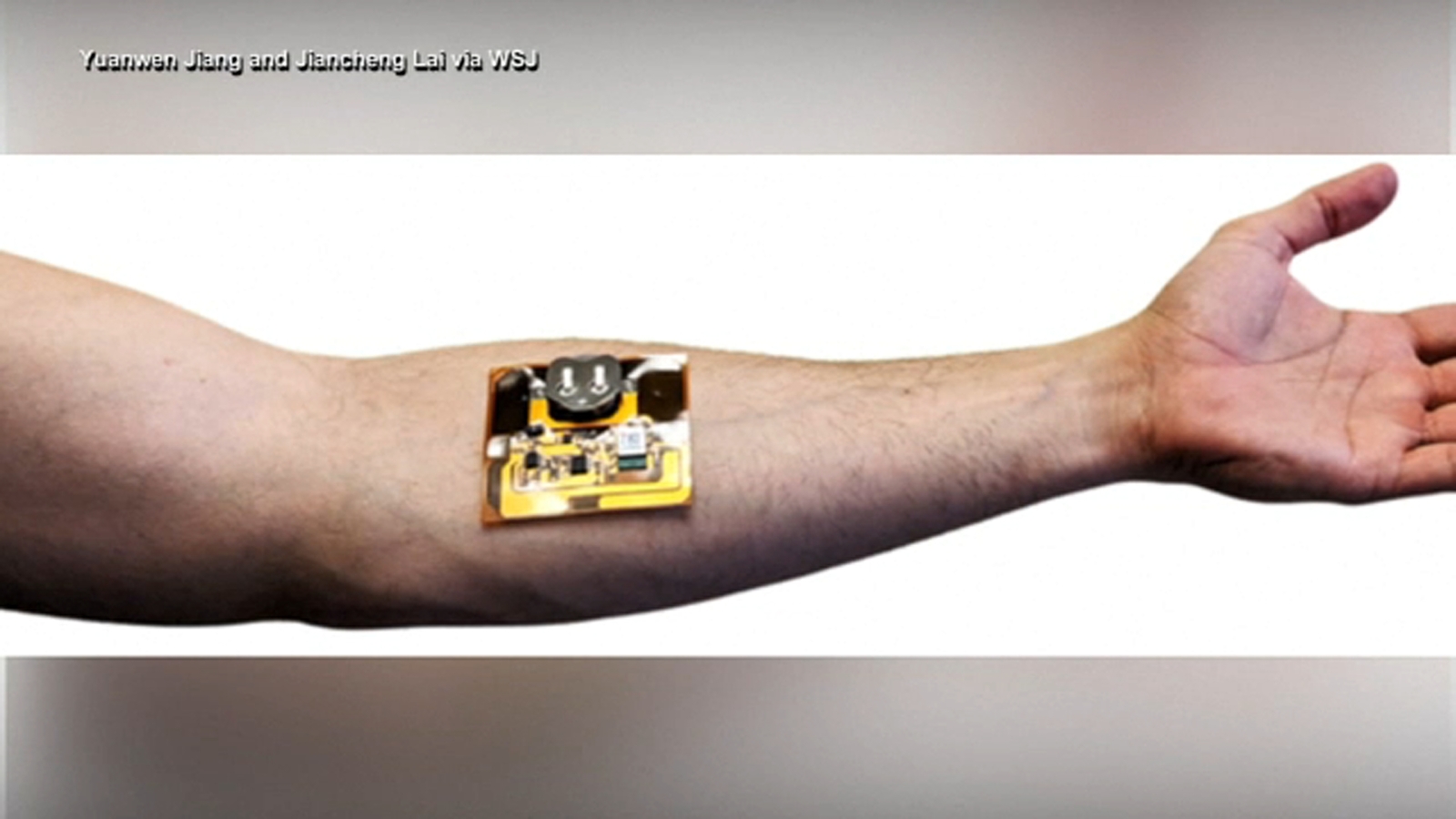
Researchers are developing high-tech "smart bandages" equipped with sensors to monitor wound healing and dispense medication, potentially benefiting diabetes patients. These bandages, which can also be controlled remotely by doctors, face financial challenges before becoming widely available.
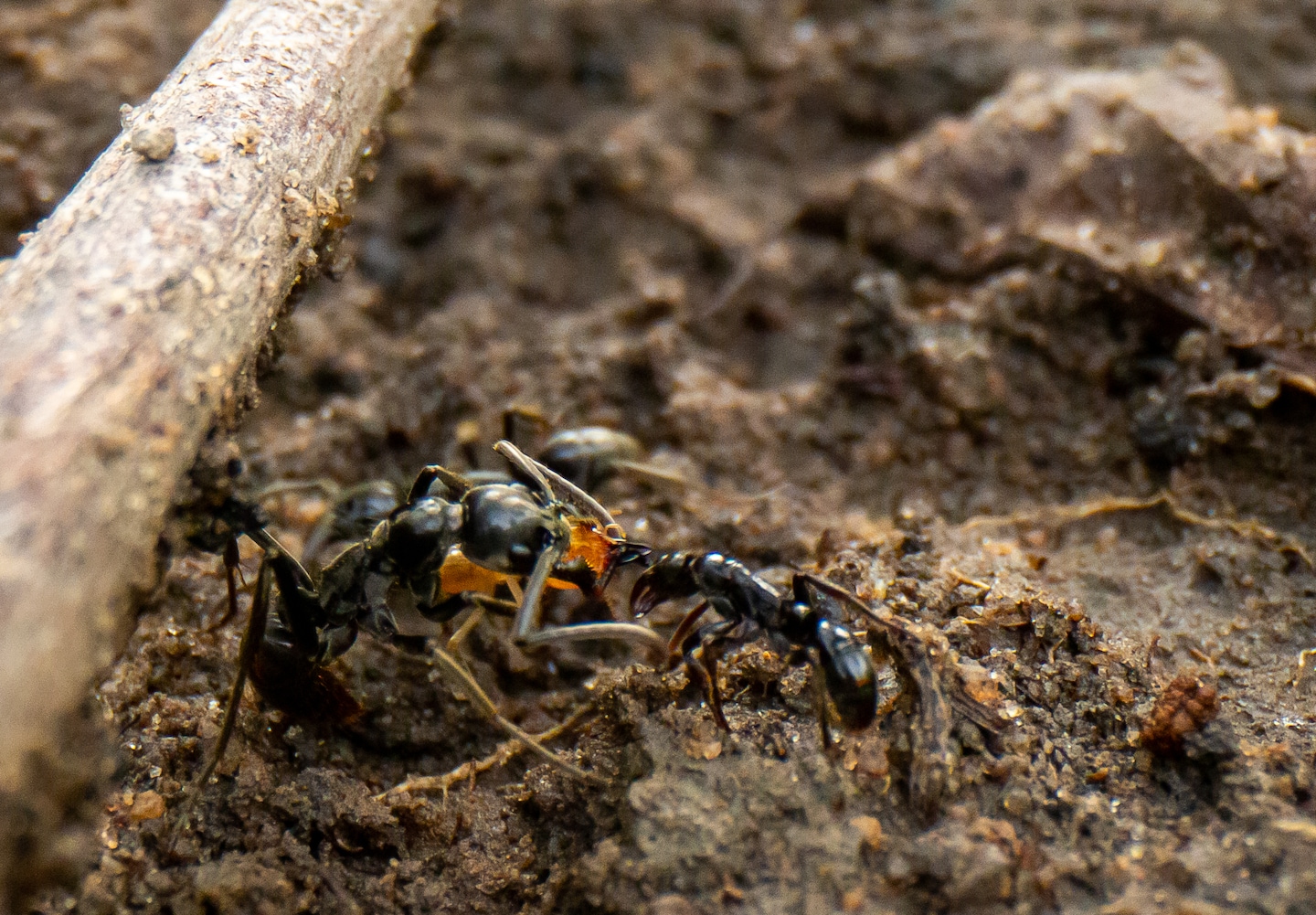
Sub-Saharan Matabele ants have a remarkable ability to heal their wounded comrades by producing and applying antimicrobial substances to infected injuries, with potential implications for human medicine in the fight against drug-resistant bacteria. The ants' behavior has led scientists to study their wound-care approaches and the substances they produce, which could offer insights for new anti-infectives discovery. The ants' precision hunting and social behavior, including performing a type of triage for injured individuals, have sparked interest in further research into wound care in the animal kingdom.
A Harvard psychology study reveals a surprising link between time perception and wound healing, showing that wounds heal faster when people believe more time has passed. The study involved manipulating participants' sense of time during a cupping procedure and found that those who believed more time had passed showed faster healing rates. The findings suggest that psychological constructs, such as the perception of time, can directly influence physical health outcomes, highlighting the importance of understanding and questioning implicit beliefs.
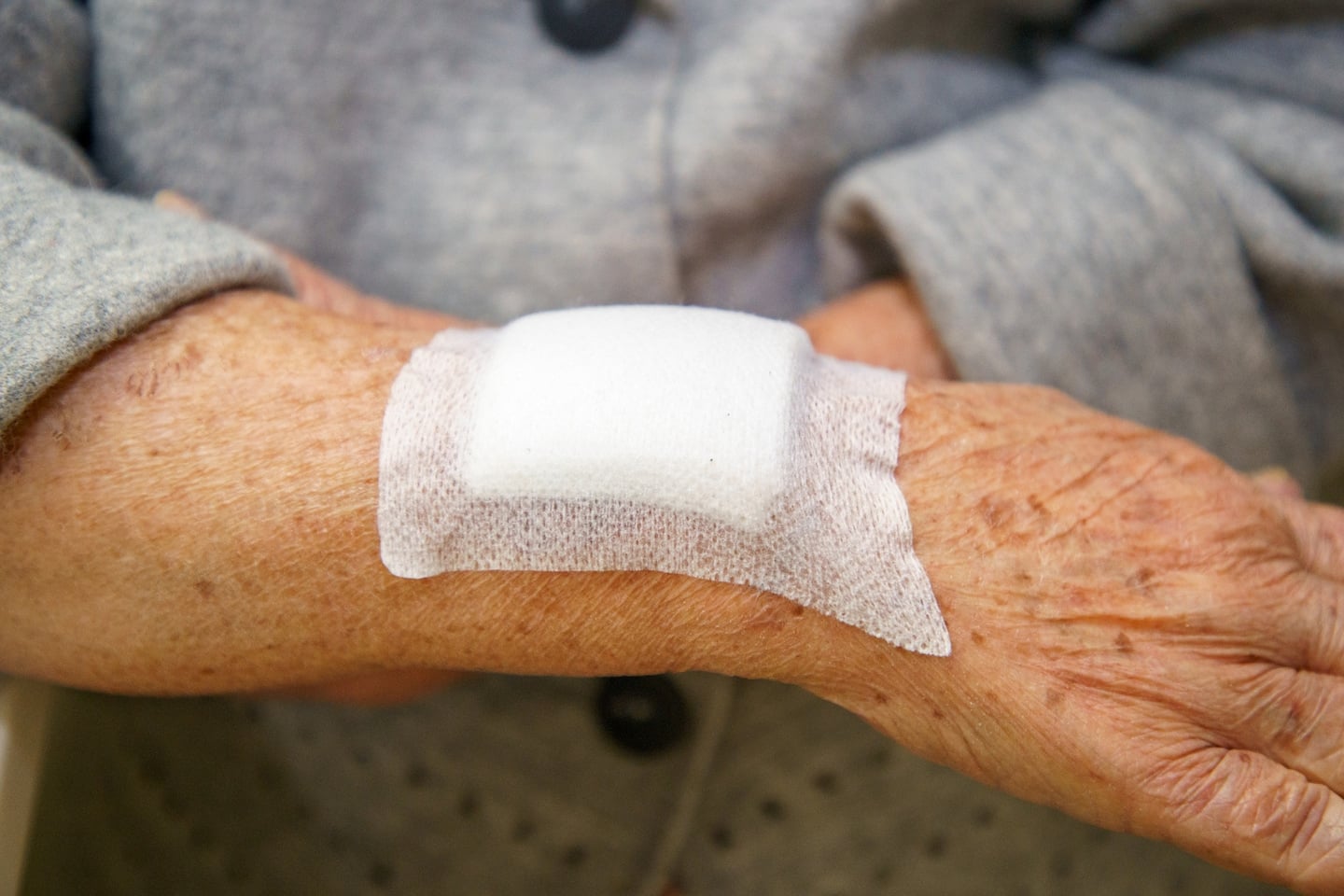
As we age, our bodies become less efficient at healing wounds, and various factors can contribute to slow healing, including thinning and sun-damaged skin, deficiencies in vitamins and minerals, and certain medications like anti-inflammatories and blood thinners. To promote healing, it is recommended to clean wounds with soap and water, apply dressings that create a moist environment, and use absorbent or breathable dressings depending on the wound's condition. Topical antibiotics may not always be necessary, and chronic wounds that fail to heal within 30 days should be evaluated by a healthcare provider, especially for individuals with underlying conditions like diabetes or vascular disease.
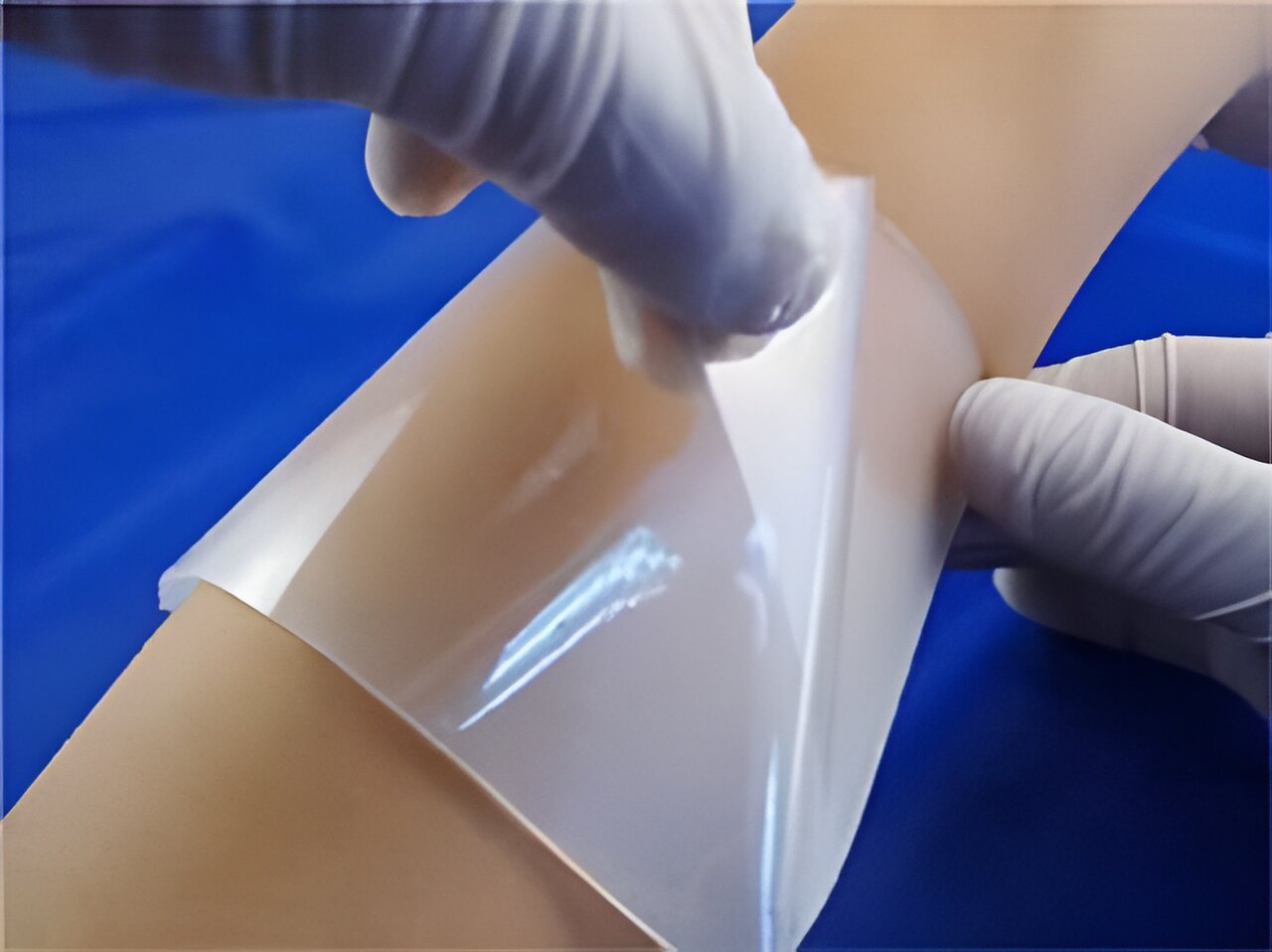
Scientists from Korea have developed a new strategy to produce tissue adhesive gelatin hydrogels that can accelerate wound healing. By adding calcium peroxide to the hydrogel solution, they created gelatin-based oxygen-generating tissue adhesives (GOTs) that release molecular oxygen, promoting the oxidation and healing of wounds. These GOTs offer precise control of adhesion and mechanical properties, can deliver drugs directly to wounds, and have shown improved coagulation, blood closure, and neovascularization in in vitro and in vivo experiments. The researchers believe that these innovative hydrogels have the potential to become a cost-effective solution for wound management in a clinical setting.
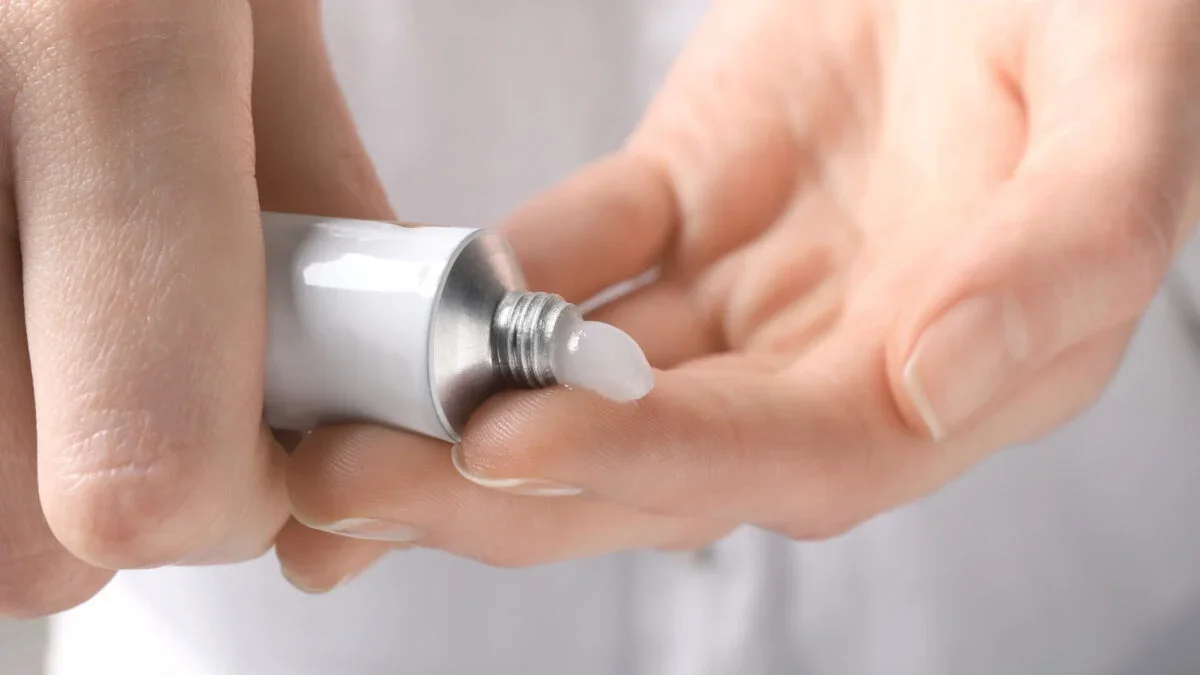
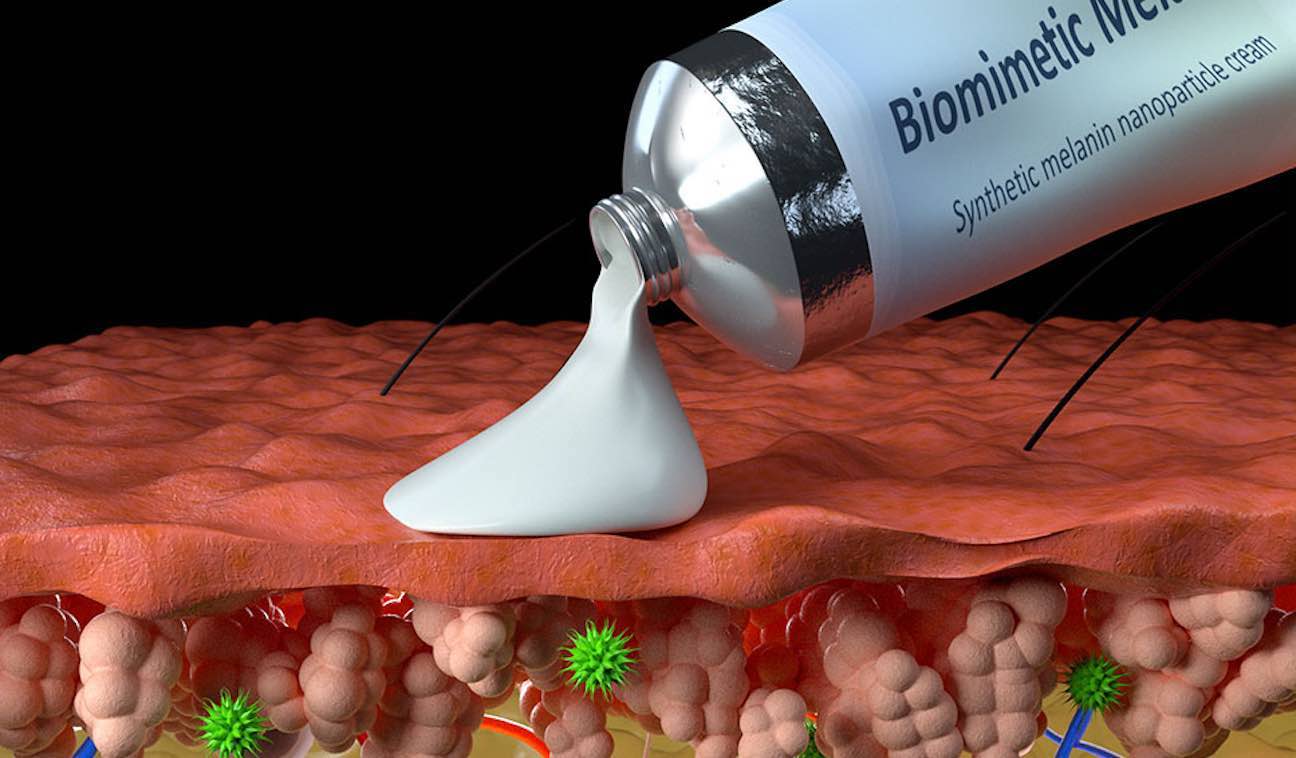
Scientists at Northwestern University have developed a "super melanin" skin cream that can continuously heal sun damage and chemical burns. The synthetic melanin cream mimics the natural melanin in human skin and can be topically applied to injured skin, accelerating wound healing. It protects the skin from sun exposure and scavenges free radicals, which can cause skin aging and cancer. The cream has shown promising results in healing blistering and open sores, while also calming inflammation and boosting the immune system. The synthetic melanin may have potential applications in protecting against toxins and radiation burns, and it has been found to be non-irritating to human skin.
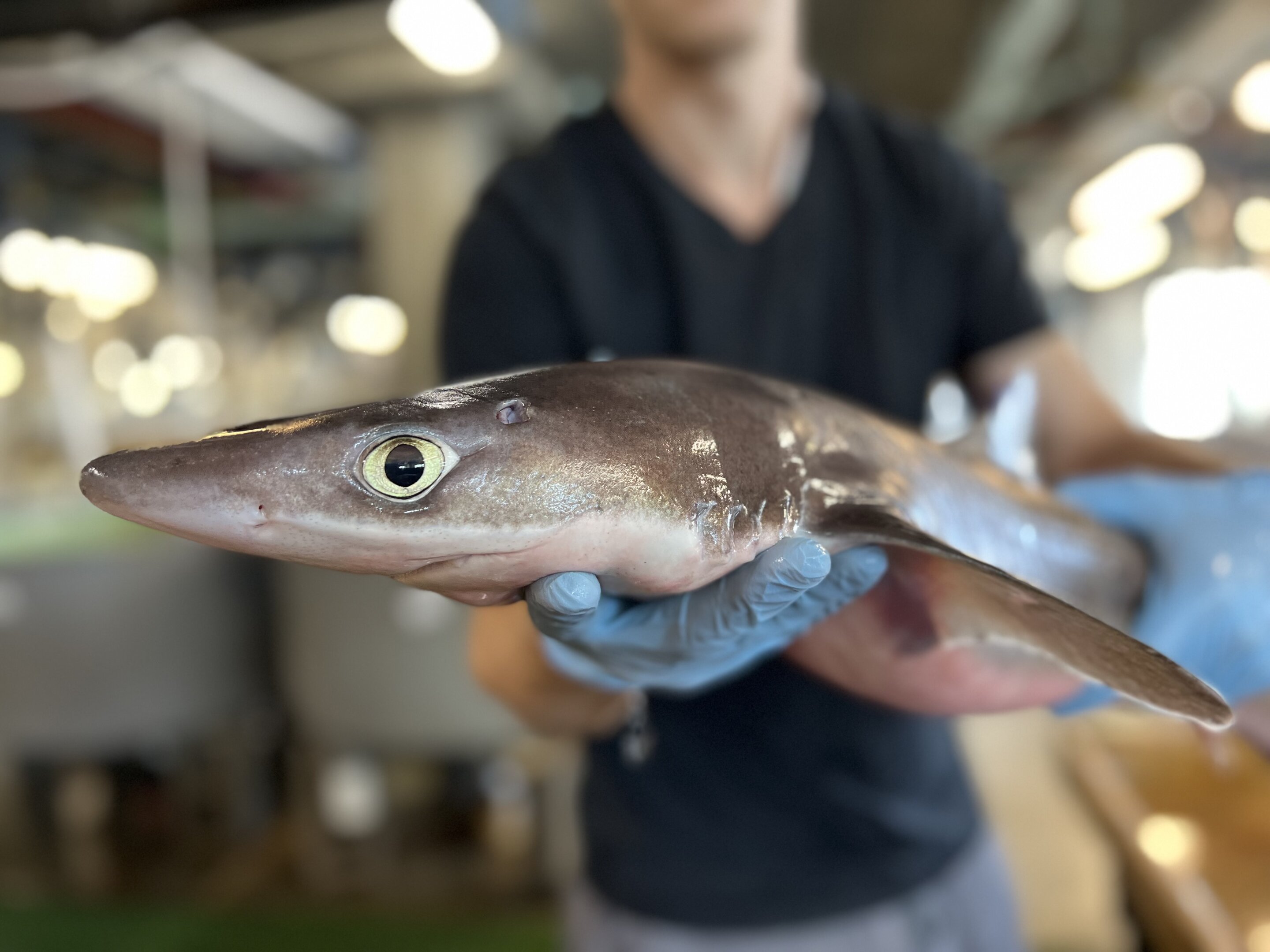
Researchers from Karolinska Institutet in Sweden have conducted research on shark skin to understand its unique biochemistry and potential biomedical applications. The study found that shark skin has a thin mucus layer that is chemically different from that of other fish species. The mucus is more similar to mammalian mucus, including human mucus, and may have implications for wound care treatments. Further research is being conducted to explore the healing abilities of shark skin and its potential for developing new medical products.
Scientists have developed bioprinted skin that closely resembles natural human skin, with all three layers, using a combination of living cells and specialized hydrogels. In experiments with mice and pigs, the bioprinted skin promoted rapid growth of new blood vessels and improved wound healing with less scarring. While further research and clinical trials are needed, this breakthrough could potentially lead to the development of a treatment that allows people to fully heal from severe burns and other skin injuries.
Chronic wounds, which are wounds that don't heal for three months or more, can pose serious health risks and complications. Factors such as age, diabetes, poor blood flow, smoking, obesity, and inflammation can hinder the healing process. Researchers are exploring various approaches to improve wound healing, including studying tissues that heal perfectly, identifying key proteins to target with drugs, engineering biomaterials to release drugs for healing, and developing "smart bandages" that can stimulate wound healing and monitor for infection. Coordinated care at wound-care centers can significantly aid in the healing process.
A study conducted on rats suggests that spinach extract may promote the healing of diabetic ulcers. Chronic diabetic ulcers are a significant issue for individuals with diabetes, often leading to amputation. The study found that both water-based and alcohol-based spinach extracts improved wound healing, with the alcohol-based extract showing a slight advantage. The best results were observed in rats that received spinach extract before the induction of diabetes. Spinach is rich in compounds such as vitamins, antioxidants, glutamine, and zinc, which may contribute to its wound-healing properties. While further research is needed to confirm these findings in humans, spinach extract shows potential for accelerating wound healing in both diabetic and non-diabetic individuals.