Tag

Chronic Wounds

All articles tagged with #chronic wounds

health1 month ago

Red Hair Gene Linked to Chronic Wound Healing Issues

Research suggests that the MC1R gene, known for influencing red hair and skin pigmentation, also plays a crucial role in wound healing by regulating inflammation. Disruption of MC1R is linked to chronic wounds that fail to heal, and activating this pathway with topical drugs has shown promising results in improving healing in experimental models, offering potential new treatments for chronic wounds.

health2 years ago

"Age-Defying Healing: Boosting Wound Recovery in the Aging Process"

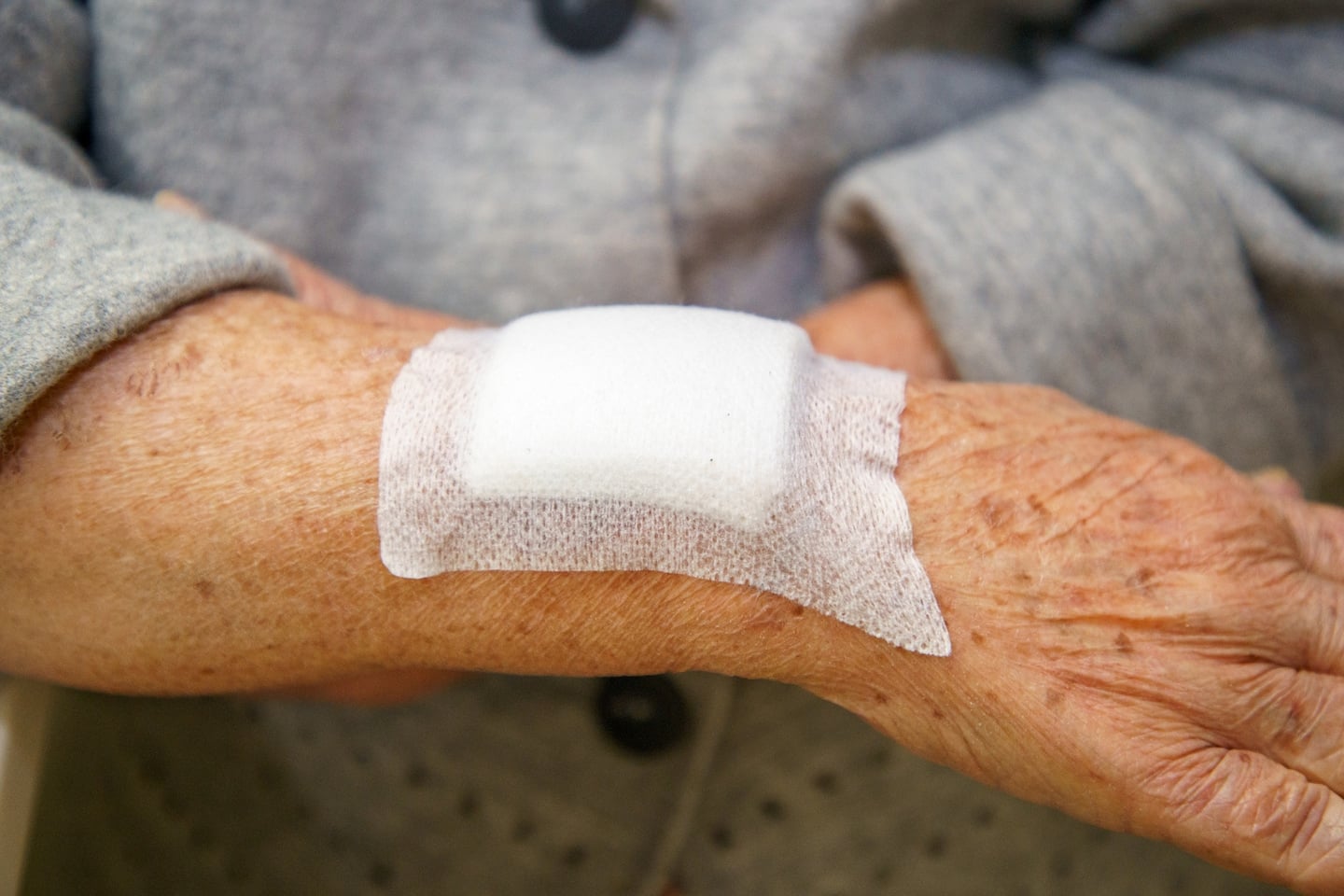
As we age, our bodies become less efficient at healing wounds, and various factors can contribute to slow healing, including thinning and sun-damaged skin, deficiencies in vitamins and minerals, and certain medications like anti-inflammatories and blood thinners. To promote healing, it is recommended to clean wounds with soap and water, apply dressings that create a moist environment, and use absorbent or breathable dressings depending on the wound's condition. Topical antibiotics may not always be necessary, and chronic wounds that fail to heal within 30 days should be evaluated by a healthcare provider, especially for individuals with underlying conditions like diabetes or vascular disease.

health2 years ago

"The Power of Healing: Unveiling the Secrets to Wound Recovery"

Chronic wounds, which are wounds that don't heal for three months or more, can pose serious health risks and complications. Factors such as age, diabetes, poor blood flow, smoking, obesity, and inflammation can hinder the healing process. Researchers are exploring various approaches to improve wound healing, including studying tissues that heal perfectly, identifying key proteins to target with drugs, engineering biomaterials to release drugs for healing, and developing "smart bandages" that can stimulate wound healing and monitor for infection. Coordinated care at wound-care centers can significantly aid in the healing process.

health2 years ago

Modernizing Chronic Wound Care with Folk Wisdom

Researchers in Finland have found that spruce resin, a traditional remedy used for centuries, has strong antimicrobial activity and promotes wound healing and skin regeneration, making it a potentially effective agent for treating chronic wounds. The resin was found to destroy the cell walls and cell membranes of bacteria, and its lignan component may also play a role in cellular regeneration in the wound area. Application techniques involve spreading resin across a wound area before covering it with a bandage or applying it to a bandage and then placing it upon a wound. The blend of traditional knowledge and modern scientific rigor underscores the transformative potential of such research.

health2 years ago

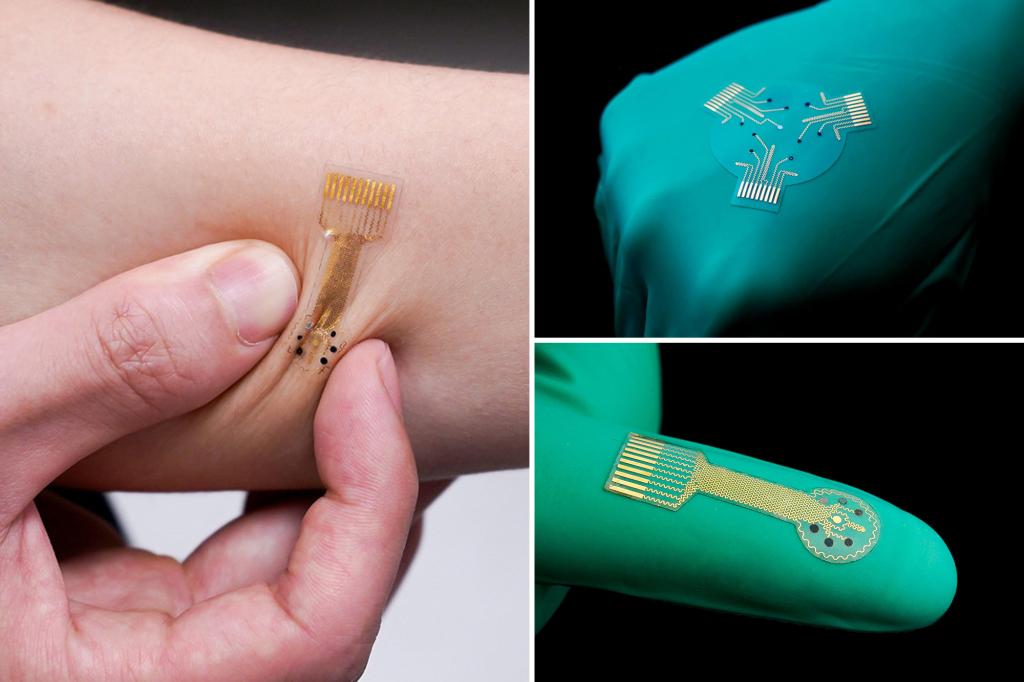
Fast Healing with Smart Bandages: Biosensors and Drug Release.

Researchers at the California Institute of Technology have developed a "smart" bandage that can monitor healing, provide antibiotics to the injury site, and stimulate tissue growth with electrical signals. The bandage can heal wounds more quickly and affordably, especially for those with chronic illnesses that slow down the healing process, such as diabetes. The bandage can monitor biomarkers at the injury site and treat accordingly. The cost of the electronic patch would be less than $100, but it is not expected to hit the market for another five or 10 years.

healthtech2 years ago

Revolutionary 'Smart' Bandages Speed Up Wound Healing with Targeted Treatment.

Researchers at Caltech have developed a smart bandage that can monitor wounds and provide targeted treatment for chronic wounds. The bandage is made from a flexible and stretchy polymer containing embedded electronics and medication. The electronics allow the sensor to monitor for molecules like uric acid or lactate and conditions like pH level or temperature in the wound that may be indicative of inflammation or bacterial infection. The bandage can transmit the gathered data wirelessly to a nearby computer, tablet, or smartphone for review by the patient or a medical professional, deliver medication directly to the wound site, or apply a low-level electrical field to stimulate tissue growth resulting in faster healing.