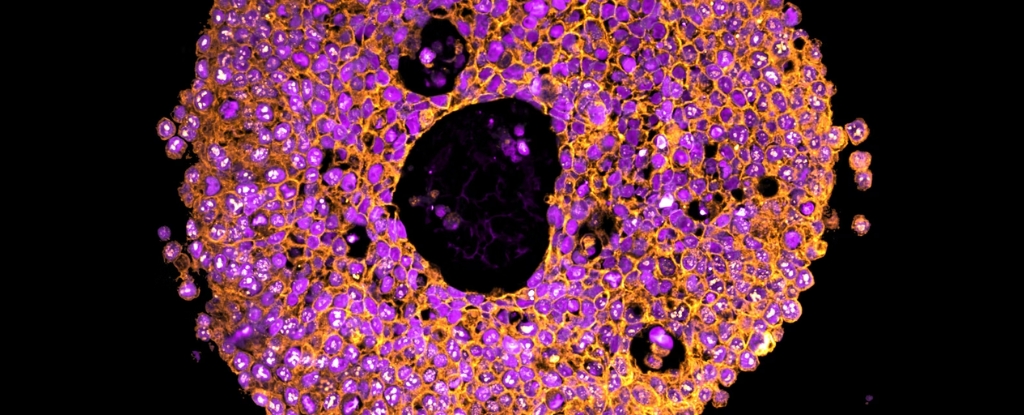
Scientists have created the first 3D-printed mini-placentas, or placental organoids, which mimic early human placental tissue and offer new opportunities for studying pregnancy development and complications like preeclampsia, potentially leading to better prevention and treatment methods.
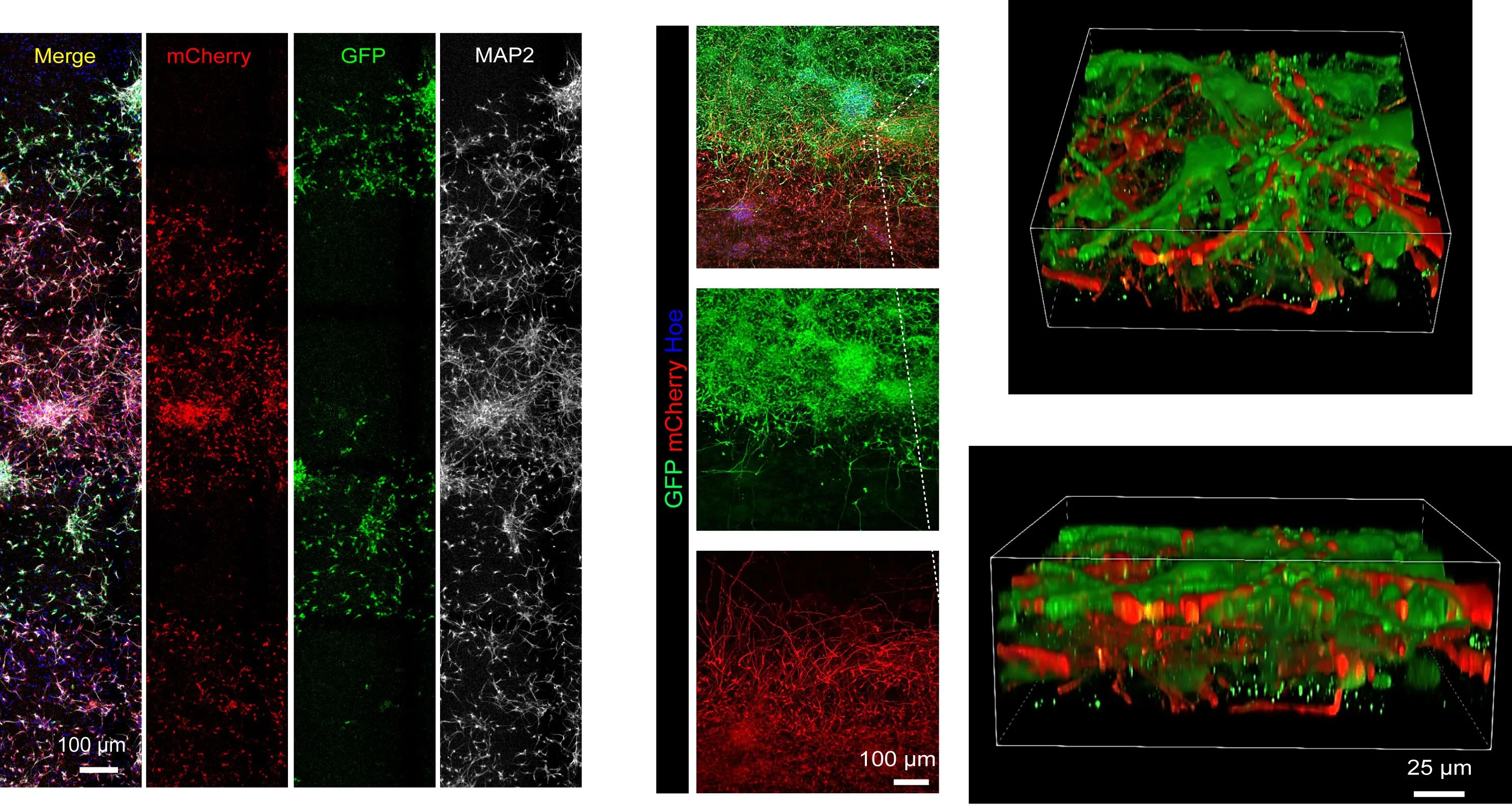
Researchers have developed a new 3D bioprinting process to create functional human neural tissues, addressing previous issues with integrating neurons and supportive cells. By using a fibrin hydrogel and printing layers horizontally, they successfully produced neural tissue resembling that of the human brain. While the approach has limitations, it offers significant advantages for studying brain function and pathologies, potentially advancing research in this field.
The tech landscape in 2024 is set to be transformative with advancements in AI, including Neuralink's brain-computer interfaces and Meta's AI assistant. Augmented reality will enhance education and shopping experiences, while bioprinting will make strides in healthcare. Autonomous electric taxi services by Zoox and drone delivery services like Amazon's Prime Air will redefine transportation. The construction industry will see an increase in 3D-printed houses by companies like ICON, and the electric vehicle market will grow, with car-sharing platforms offering more EV options. These innovations promise to revolutionize convenience, sustainability, and the way we interact with the world.
Erin Bedford, head of bioprinting innovation at Aspect Biosystems, is leading a team that is developing a 3D printing process to create human pancreas cells for the treatment of Type 1 diabetes. The technology involves printing insulin-producing cells that can be injected into the body, potentially eliminating the need for organ transplants. Human trials are expected to begin soon, and the company has received a $75 million investment from Novo Nordisk. Aspect Biosystems is also exploring the possibility of printing other organs, such as livers.
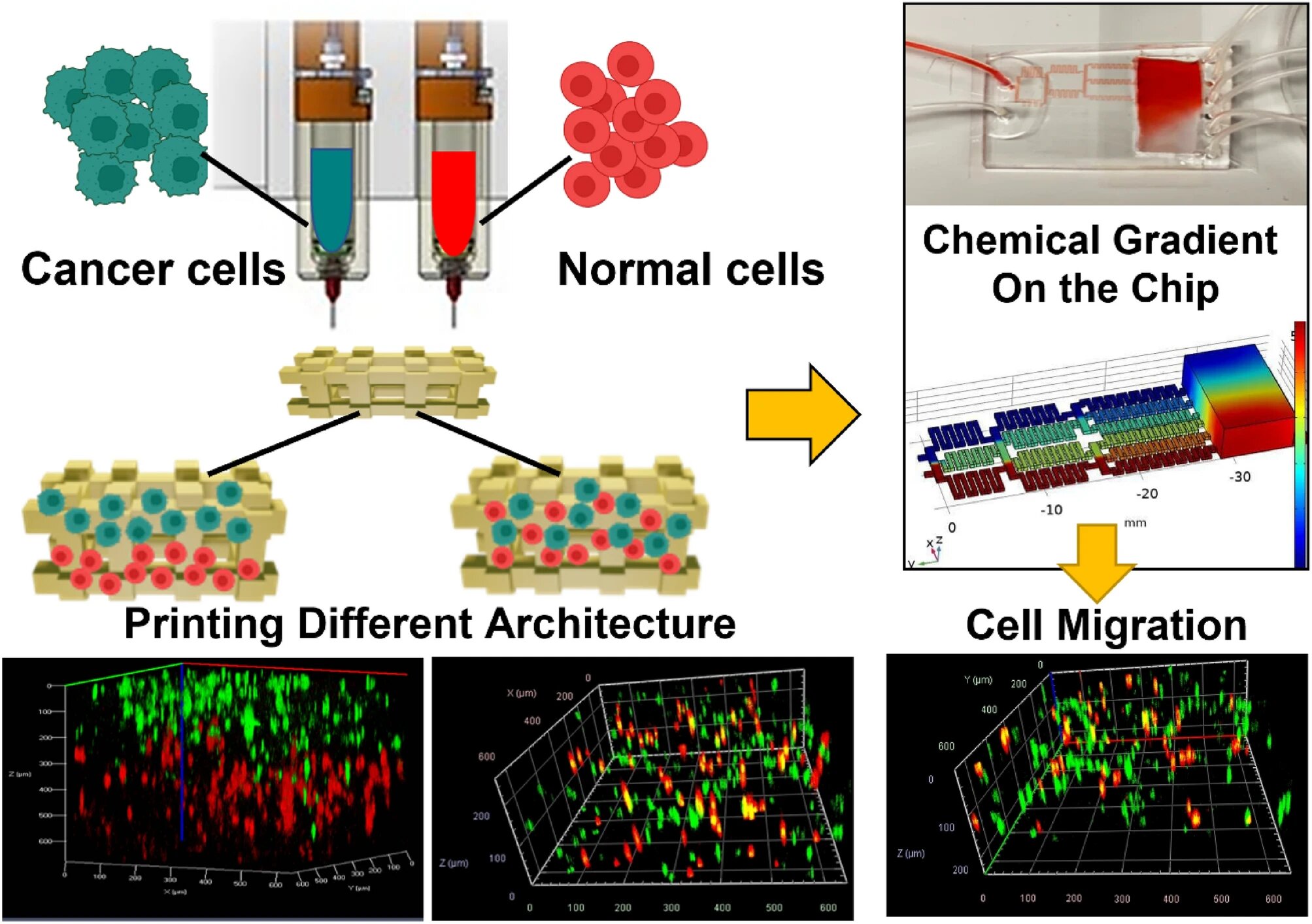
Researchers have developed a 3D-printed tumor model that accurately reflects the complexity of heterogeneous tumors, enabling faster, less expensive, and less painful cancer treatment. The model combines bioprinting techniques with synthetic structures or microfluidic chips to simulate the tumor's surrounding environment. By growing multiple types of cancer cells on these chips, scientists can test different treatment options, such as chemotherapy drugs, for complex cancers like breast cancer. This advancement in technology has the potential to improve treatment outcomes for late-stage breast cancer and other types of tumors.
Redwire has successfully 3D bioprinted a human knee meniscus on the International Space Station (ISS) using its upgraded 3D BioFabrication Facility (BFF). The 3D printed meniscus was cultured on the ISS for 14 days before being returned to Earth for further analysis. This achievement has significant implications for improving treatments for meniscal injuries in space and could pave the way for reliable bioprinting at scale in microgravity conditions. Redwire's BFF, combined with the Advanced Space Experiment Processor (ADSEP), is the first system capable of 3D printing human tissue in space. The company hopes to address the shortage of organ donors in the future using this technology.
Scientists have developed bioprinted skin that closely resembles natural human skin, with all three layers, using a combination of living cells and specialized hydrogels. In experiments with mice and pigs, the bioprinted skin promoted rapid growth of new blood vessels and improved wound healing with less scarring. While further research and clinical trials are needed, this breakthrough could potentially lead to the development of a treatment that allows people to fully heal from severe burns and other skin injuries.
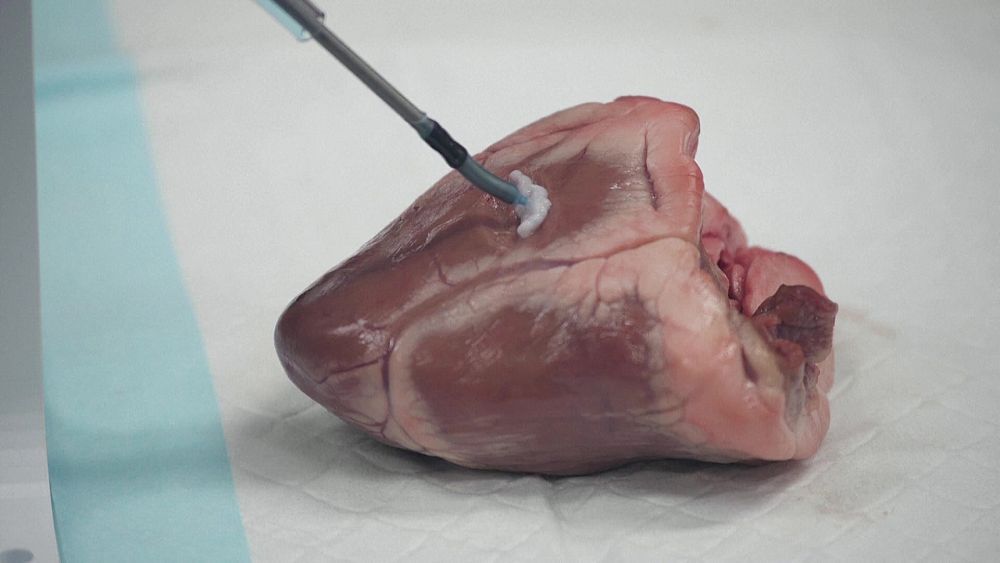
The US Advanced Research Projects Agency for Health (ARPA-H) has awarded a $26.3 million grant to Stanford University for the Health Enabling Advancements through Regenerative Tissue Printing (HEART) project, which aims to develop a functioning bioprinter and bioreactors to create replacement organs and tissues. The project's goal is to print a fully functioning human heart and implant it into a pig within five years, with the potential for future bioprinting of other organs. While human use is still decades away, the technology has the potential to save countless lives, as there are over 100,000 patients waiting for organ transplants in the US alone.
Researchers at Maastricht University are using a combination of acoustic and magnetic levitation techniques in a project called PULSE to advance bioprinting capabilities. By manipulating individual components without physical contact, the researchers aim to create highly sophisticated and realistic organoids that closely mimic human organs. The technology could revolutionize bioprinting by enabling the creation of organs and tissues with greater detail and complexity. Additionally, the researchers believe that this type of bioprinting could aid in long-term space missions by providing more accurate organ models for studying the effects of radiation and developing defenses against it.
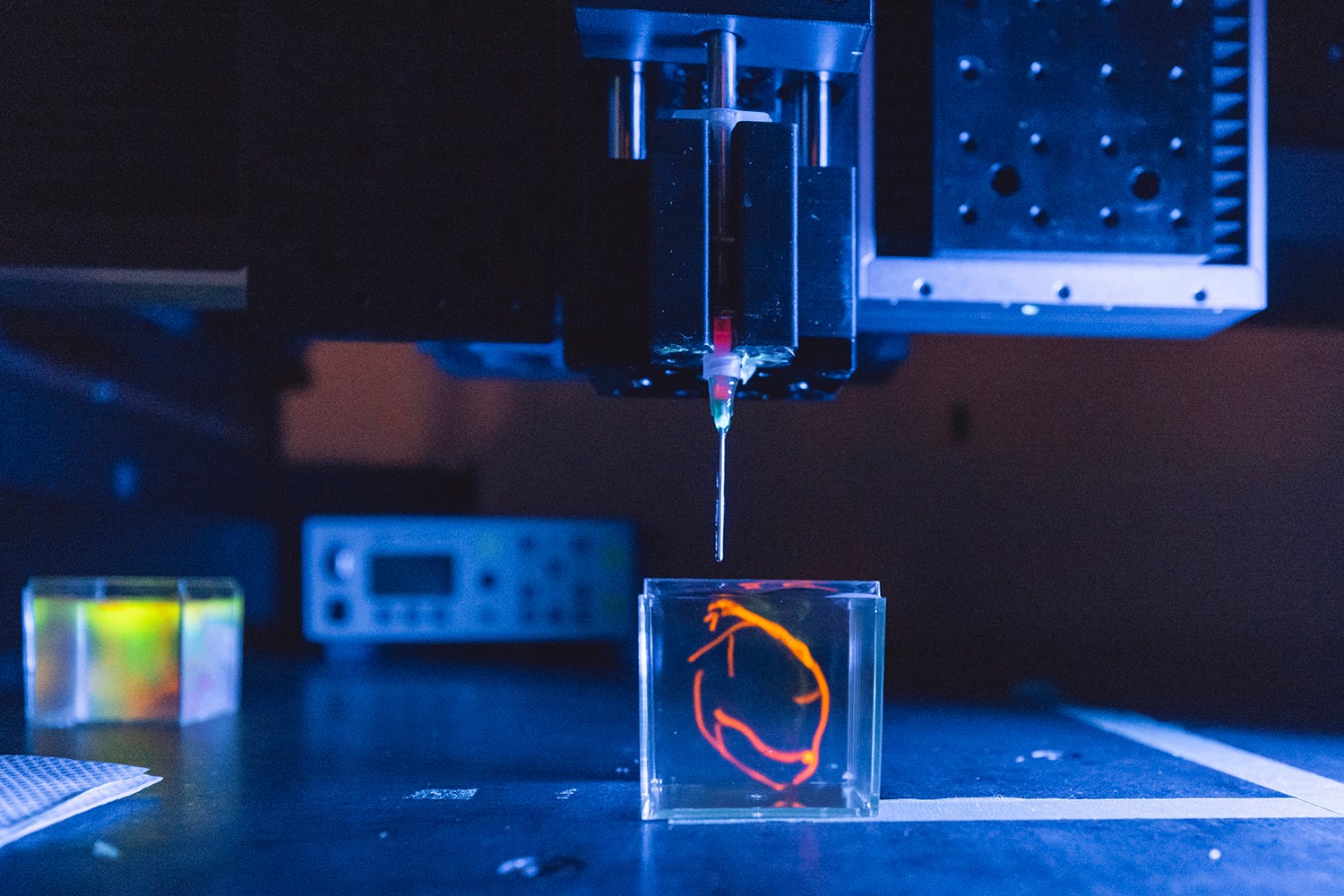
Scientists are developing 3D-printed hearts to be launched to the International Space Station (ISS) in 2027 to study how artificial organs fare in harsh space radiation. The project, called Pulse, aims to generate complex bioprinted materials to make long-term space exploration safer and more viable. Additionally, the research could have implications for Earth-based medicine, particularly in cancer therapies that expose the body to intense radiation. The hearts will be built using "PULSE technology," which utilizes magnetic and acoustic levitation to manipulate various parts of the bioprinted organ. The results of these cardiac space studies could be crucial for future deep space exploration and Mars habitation.
Researchers at University Medical Center Utrecht have developed a new method for bioprinting blood vessels using a combination of volumetric bioprinting techniques and melt electrowriting. This new method creates intricate scaffolds that are mechanically strong and able to withstand high pressures and bending, making them ideal for medical use.
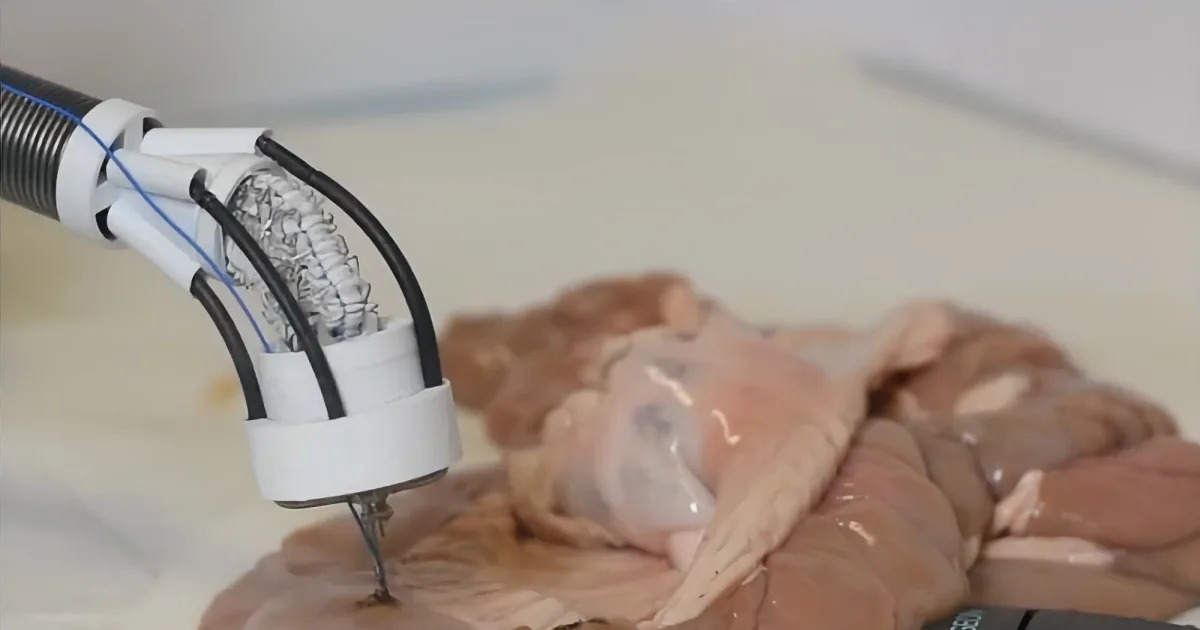
Australian scientists have developed a small flexible robot that can 3D print biomaterials directly inside the human body to repair damaged organs, tissues, and blood vessels. The robot, named F3DB, prints tissue-like structures using “bio-ink” and living cells which then fuse naturally with the human body. The device is small enough to be inserted into the mouth or anus, reducing the need for invasive surgery. The research team believes that F3DB is on track for commercialisation in the next five to seven years, pending further clinical trials.
Researchers at the University of New South Wales have developed a flexible 3D bioprinter, called F3DB, that can layer organic material directly onto organs or tissue. The printer has a soft robotic arm that can assemble biomaterials with living cells onto damaged internal organs or tissues. Its snake-like flexible body would enter the body through the mouth or anus, with a pilot/surgeon guiding it toward the injured area using hand gestures. The team hopes its multifunctional approach could someday be an all-in-one tool for minimally invasive operations.