Tag

Hydrogel

All articles tagged with #hydrogel

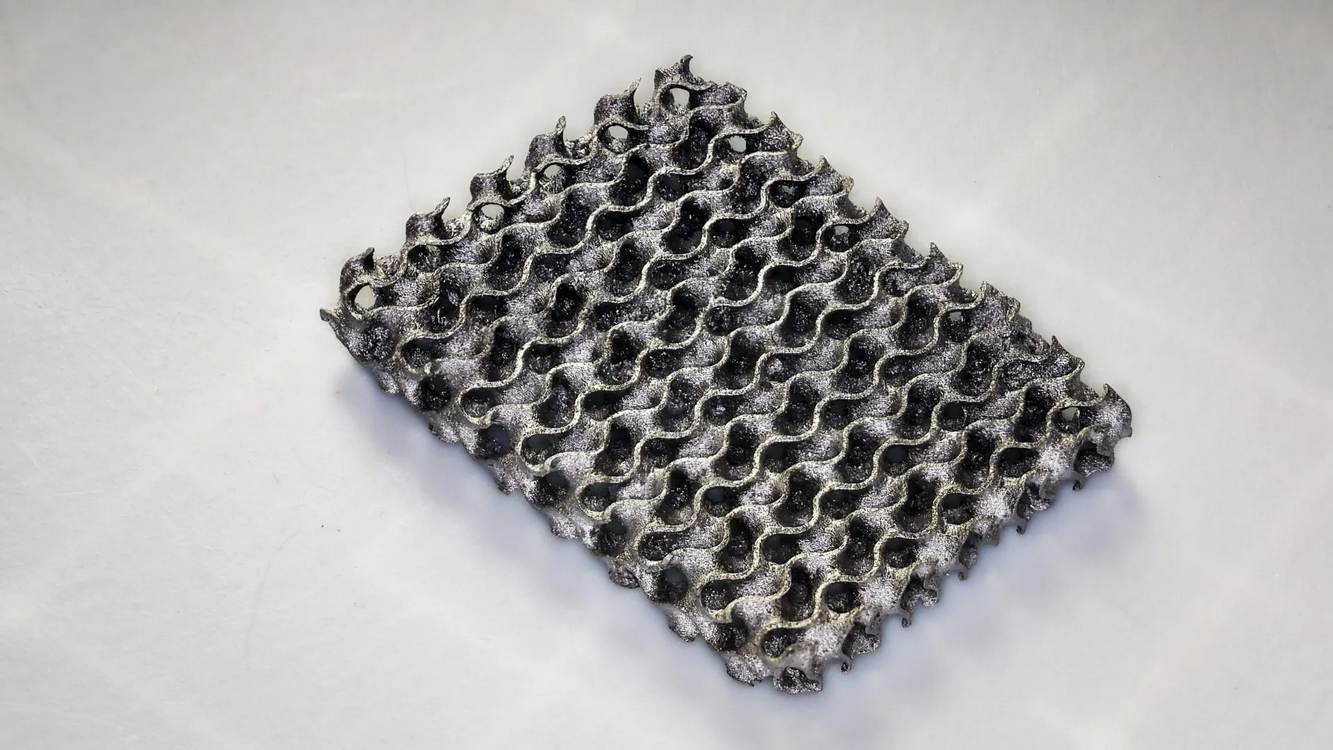
Scientists Develop Hydrogel Method to Grow Stronger Metals and Ceramics

Originally Published 3 months ago — by Good News Network

Featured image for Scientists Develop Hydrogel Method to Grow Stronger Metals and Ceramics
Source: Good News Network

Swiss researchers have developed a novel method of 'cultivating' metal by infusing a hydrogel framework with metal salts and chemically converting them into dense, high-strength metal structures, which are significantly stronger and less shrinkage-prone than traditional 3D printed metals, with promising applications in energy and biomedical fields.

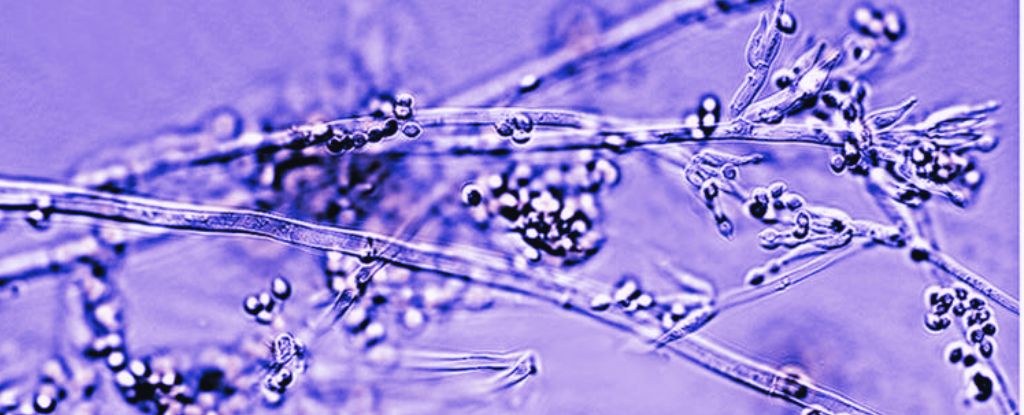
Living Fungi Bandages: The Future of Wound Healing

Originally Published 3 months ago — by ScienceAlert

Featured image for Living Fungi Bandages: The Future of Wound Healing
Source: ScienceAlert

Scientists at the University of Utah have developed a living hydrogel from the soil fungus Marquandomyces marquandii, which could potentially be used for wound healing and tissue regeneration due to its multilayered, water-retaining, and biocompatible properties, marking a significant step toward bio-integrated medical materials.

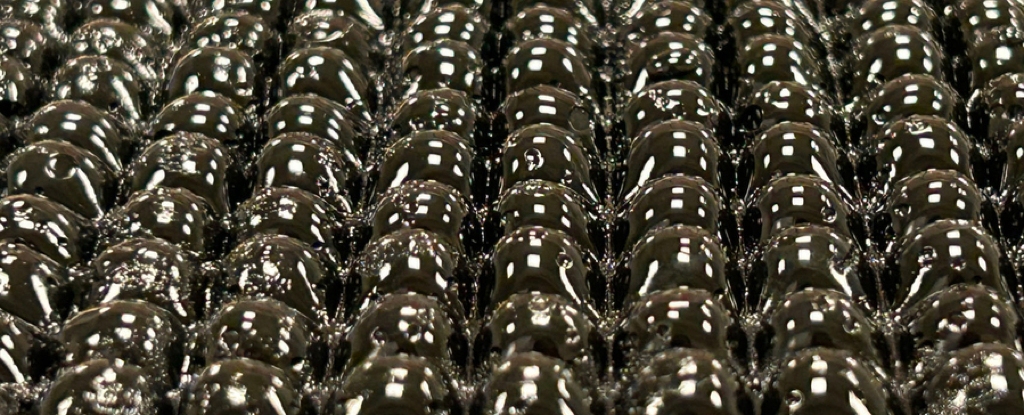
MIT's Innovative Tech Turns Desert Air into Drinking Water and Energy

Originally Published 6 months ago — by ScienceAlert

Featured image for MIT's Innovative Tech Turns Desert Air into Drinking Water and Energy
Source: ScienceAlert

MIT engineers developed a black 'bubble wrap' hydrogel-based atmospheric water harvester that can extract over 50 milliliters of safe drinking water per day in extreme conditions like Death Valley, offering a scalable solution to address global water scarcity, especially in arid regions.

Innovative Nanomaterials and Technologies Transform Air into Drinking Water

Originally Published 6 months ago — by Live Science

Featured image for Innovative Nanomaterials and Technologies Transform Air into Drinking Water
Source: Live Science

MIT researchers have developed a high-tech 'bubble wrap' that can extract safe drinking water from air, even in extremely dry environments like Death Valley, using a hydrogel-based system that absorbs water vapor at night and condenses it during the day, with minimal energy and safe for drinking due to reduced lithium salt leakage.

"Revolutionary Smartphone Compass Technique for High-Sensitivity Blood Glucose Measurement"

Originally Published 1 year ago — by The Indian Express

Featured image for "Revolutionary Smartphone Compass Technique for High-Sensitivity Blood Glucose Measurement"
Source: The Indian Express

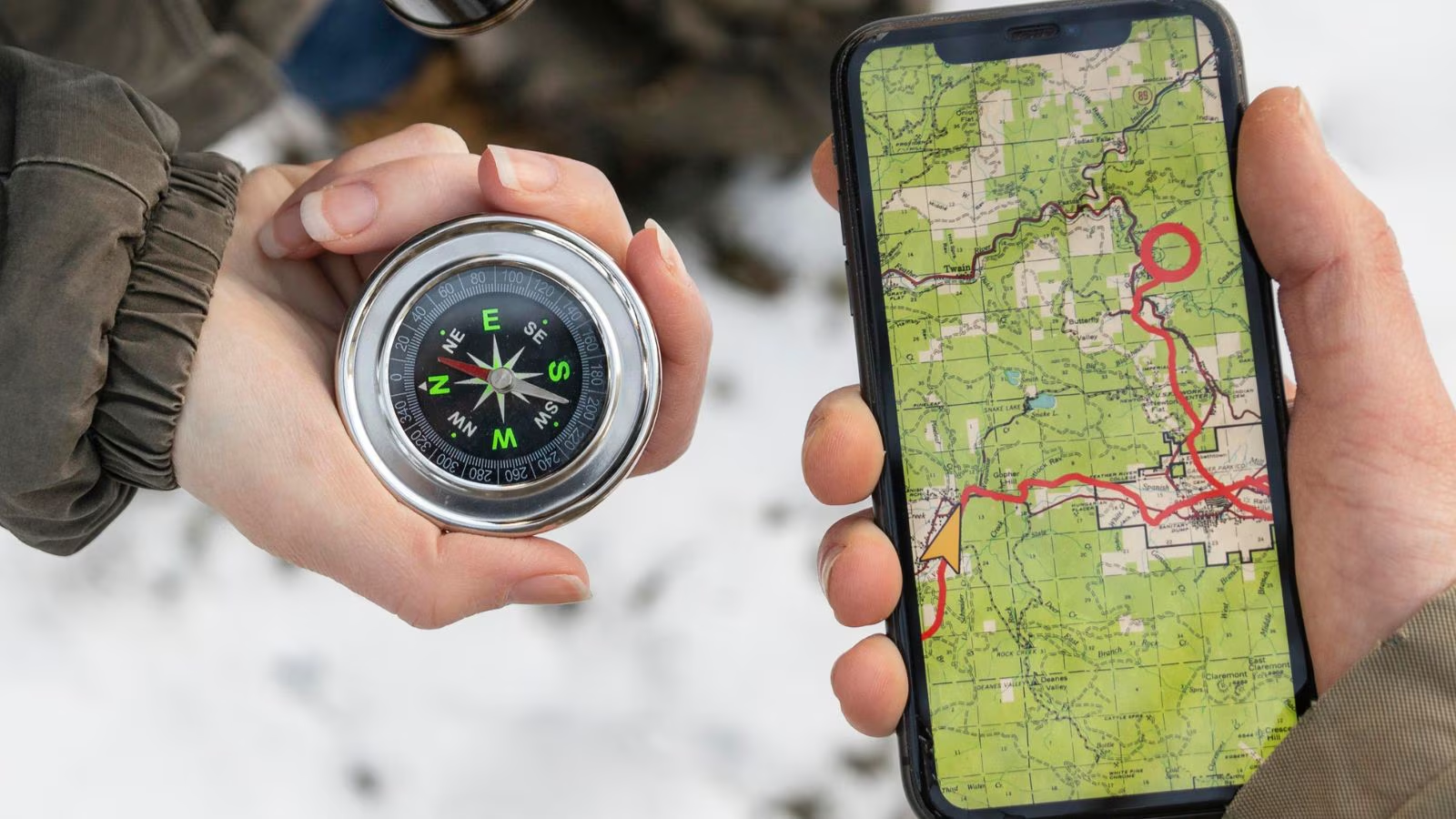
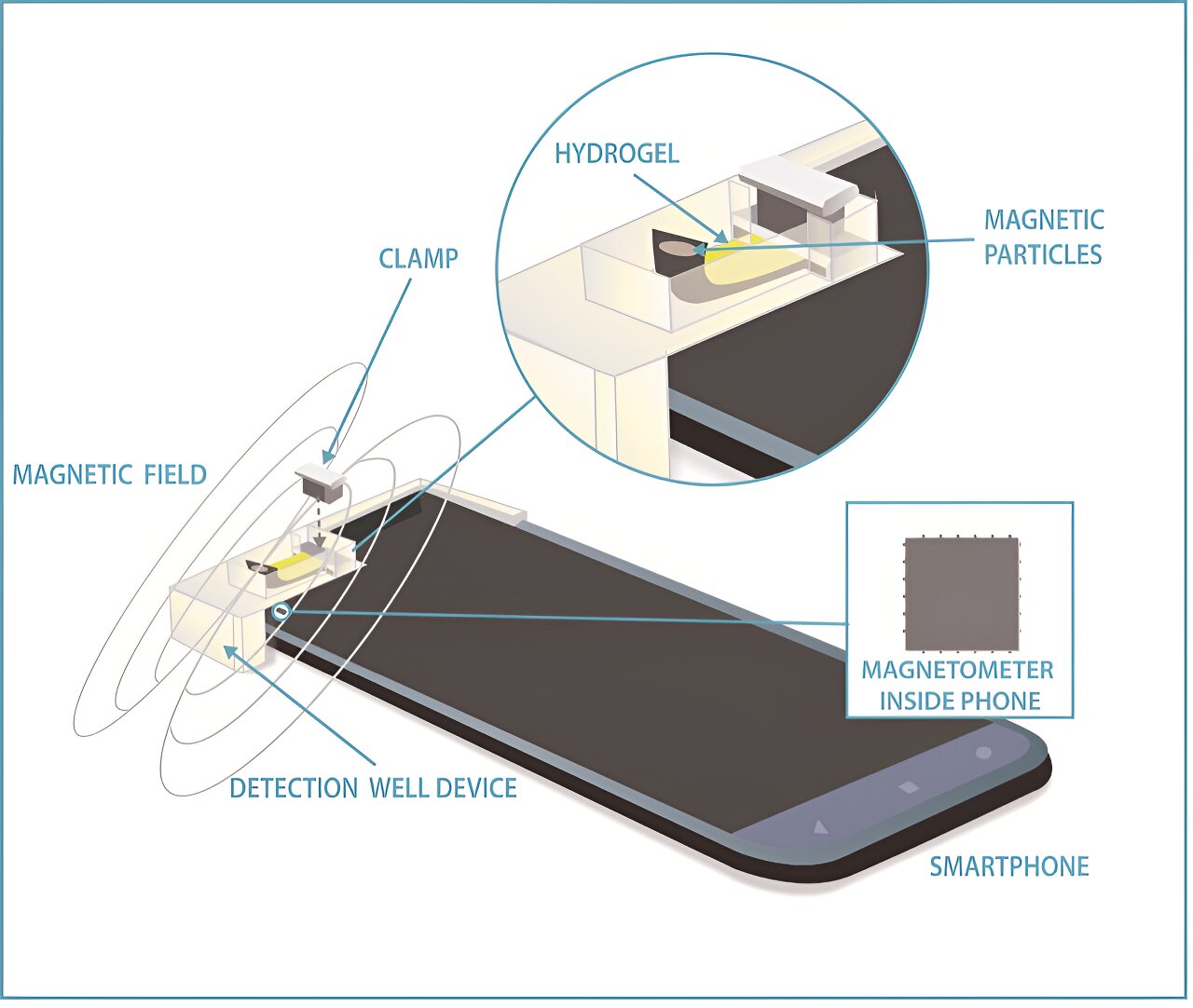
Researchers at NIST have developed a technique using the magnetometer in smartphones to measure blood glucose levels with high accuracy. By attaching a tiny well containing a solution and a strip of hydrogel to a cellphone, they were able to detect changes in magnetic field strength caused by the hydrogel's reaction to glucose or pH levels. This low-cost method could lead to the development of inexpensive glucose testing kits that can be attached to smartphones, potentially revolutionizing at-home blood glucose monitoring.

"High-Sensitivity Measurement of Health-Related Compounds Using Cellphone Compass"

Originally Published 1 year ago — by Phys.org

Featured image for "High-Sensitivity Measurement of Health-Related Compounds Using Cellphone Compass"
Source: Phys.org

Researchers at the National Institute of Standards and Technology have developed a technique that utilizes an ordinary cellphone magnetometer to measure the concentration of glucose and other biomedical properties with high accuracy. By using magnetic materials designed to react to biological or environmental cues, the method has the potential to rapidly and inexpensively measure various compounds important for human health, such as glucose and pH levels. The technique could enable routine testing for glucose in saliva and has the potential to detect environmental toxins. The researchers' proof-of-concept study was published in Nature Communications.

Game-Changing Diabetes Treatment: Long-Lasting Shots Transforming Care

Originally Published 2 years ago — by SciTechDaily

Featured image for Game-Changing Diabetes Treatment: Long-Lasting Shots Transforming Care
Source: SciTechDaily

Stanford engineers have developed a groundbreaking hydrogel drug delivery system that allows GLP-1 drugs, used in the treatment of Type 2 diabetes and weight control, to be administered just three times a year instead of daily or weekly injections. The hydrogel slowly releases the drugs over a four-month period, improving patient compliance and long-term health outcomes. The system has shown promising results in laboratory rats and could potentially be applied to other drugs and conditions. Human clinical trials are expected within the next two years.

Revolutionary Drug Delivery System: From Daily Diabetes Shots to Just Three a Year

Originally Published 2 years ago — by New Atlas

Featured image for Revolutionary Drug Delivery System: From Daily Diabetes Shots to Just Three a Year
Source: New Atlas

Stanford researchers have developed a hydrogel-based delivery system that slowly releases drugs over months to control diabetes and weight. The hydrogel, infused with glucagon-like peptide 1 (GLP-1) molecules, is injected under the skin and dissolves over time, providing an extended release of the drug. In tests on rats with type 2 diabetes, injections of the drug-loaded hydrogel every 42 days resulted in better blood glucose and weight management compared to daily shots. The researchers aim to conduct further tests in pigs before moving on to human trials, potentially offering a more convenient treatment option for diabetes patients.

Light's Surprising Ability to Evaporate Water Without Heat Unveiled by MIT

Originally Published 2 years ago — by SciTechDaily

Featured image for Light's Surprising Ability to Evaporate Water Without Heat Unveiled by MIT
Source: SciTechDaily

MIT scientists have discovered that light can cause evaporation at a rate exceeding what is possible with heat alone, particularly in hydrogel-bound water. This "photomolecular effect" could revolutionize solar desalination and climate modeling, potentially tripling water production in desalination processes and advancing solar cooling technologies. The researchers found that light, specifically green light, can directly bring about evaporation without the need for heat, and it does so even more efficiently than heat. This discovery could have implications for fog and cloud formation, as well as industrial processes such as solar-powered desalination. The researchers are now exploring applications of this phenomenon and collaborating with other groups to replicate their findings.

Revolutionary Injectable Hydrogel Prosthesis Accelerates Muscle Regeneration

Originally Published 2 years ago — by Nature.com

Featured image for Revolutionary Injectable Hydrogel Prosthesis Accelerates Muscle Regeneration
Source: Nature.com

Researchers have developed an injectable tissue prosthesis composed of a biocompatible hydrogel with bidirectional electrical conduction, allowing for closed-loop robot-assisted rehabilitation. The prosthesis, which can be injected onto rough, narrow, or deep tissue surfaces, has been successfully demonstrated in rats with severe muscle injury, leading to accelerated tissue repair. This breakthrough could have significant implications for the field of rehabilitation and tissue repair.

Harnessing Light: A Revolutionary Approach to Water Evaporation Without Heat

Originally Published 2 years ago — by Tech Xplore

Featured image for Harnessing Light: A Revolutionary Approach to Water Evaporation Without Heat
Source: Tech Xplore

Researchers at MIT have discovered that under certain conditions, light can directly cause water to evaporate without the need for heat, and it does so even more efficiently than heat. This surprising finding could have implications for various applications, including desalination, fog and cloud formation, and industrial processes. The researchers suggest that this phenomenon, which they call the photomolecular effect, could potentially lead to more efficient solar-powered desalination systems and cheap desalination methods. They are also exploring its potential use in evaporative cooling processes and its effects on climate change modeling.

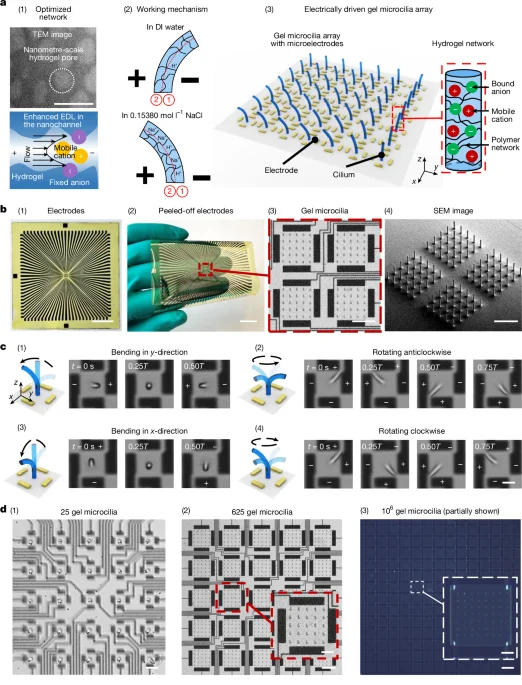
"Controlling Hydrogel Locomotion with Light and Electric Fields"

Originally Published 2 years ago — by Phys.org

Featured image for "Controlling Hydrogel Locomotion with Light and Electric Fields"
Source: Phys.org

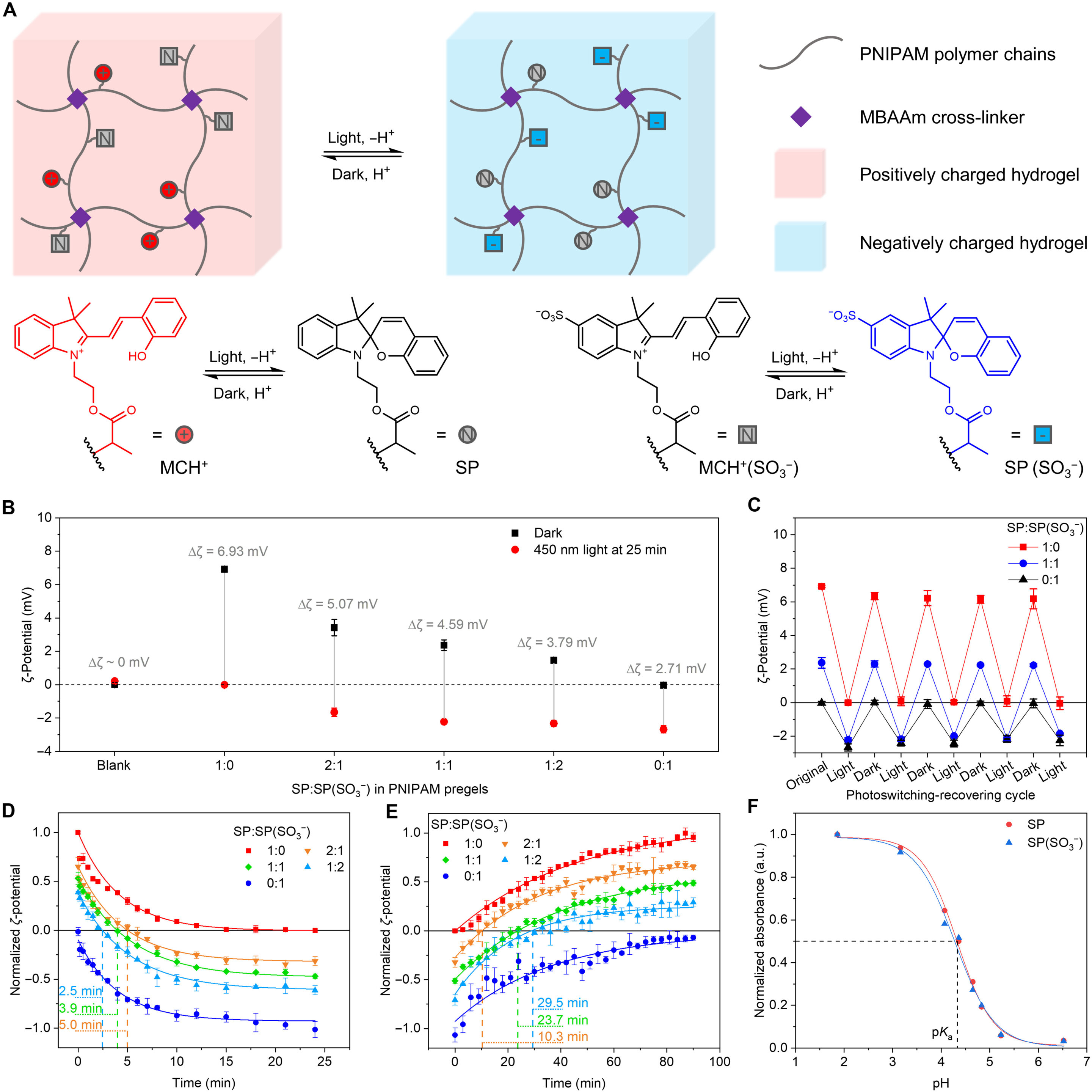
Researchers at Northwestern University have developed a photo- and electro-activated hydrogel that can capture and deliver cargo while avoiding obstacles under constant external stimuli of light and electricity. The hydrogel, made with spiropyran monomers, exhibits charge reversal behavior and can autonomously navigate towards the cathode and return to the anode. The team also demonstrated the hydrogel's ability to capture and deliver cargo using dielectrophoretic forces. This research paves the way for the development of intelligent materials at the molecular scale for applications in soft robotics and biomedical devices.

"Revolutionary Nanovaccine-in-Hydrogel: A Game-Changer in Cancer Immunotherapy"

Originally Published 2 years ago — by Medical Xpress

Featured image for "Revolutionary Nanovaccine-in-Hydrogel: A Game-Changer in Cancer Immunotherapy"
Source: Medical Xpress

Scientists have developed a single-dose injectable nanovaccine-in-hydrogel (NvIH) for robust cancer immunotherapy. The nanovaccine, composed of immunostimulants and immune checkpoint blockade antibodies, is designed to remodel the tumor microenvironment, enhance antitumor immune responses, and elicit systemic antitumor immunity. In mouse models, the NvIH demonstrated significant inhibition and regression of large tumors, including orthotopic glioblastoma, with an abscopal effect on distant tumors. The nanovaccine holds promise for safe and effective immunotherapy of local and distant tumors.

Revolutionary Ink Enables 3D-Printed Heart Muscle to Pulse

Originally Published 2 years ago — by Hackaday

Featured image for Revolutionary Ink Enables 3D-Printed Heart Muscle to Pulse
Source: Hackaday

Researchers have developed a technique to 3D print heart muscle that can contract similarly to a human heart's ventricle. By infusing a hydrogel with gelatin fibers and using Rotary Jet-Spinning technology, a patterned structure was created, allowing cardiomyocytes to align and create a cardiac muscle capable of organized contraction. This advancement could lead to replacements for damaged cardiac muscle and other large structures of the heart.

"Enhancing Water Filtration Efficiency with Anti-Gravity Material Channels"

Originally Published 2 years ago — by SciTechDaily

Featured image for "Enhancing Water Filtration Efficiency with Anti-Gravity Material Channels"
Source: SciTechDaily

Scientists have developed a composite material, consisting of a hydrogel with embedded nanofillers, that can channel mechanical energy in a preferred direction. This material acts in a "nonreciprocal" way, allowing for the utilization of wasted vibrational energy. The researchers demonstrated that the material could make liquid droplets rise within it using vibrational movements. This breakthrough could have potential applications in various fields, such as electricity, photonics, magnetism, and sound, where channeling mechanical energy is challenging.