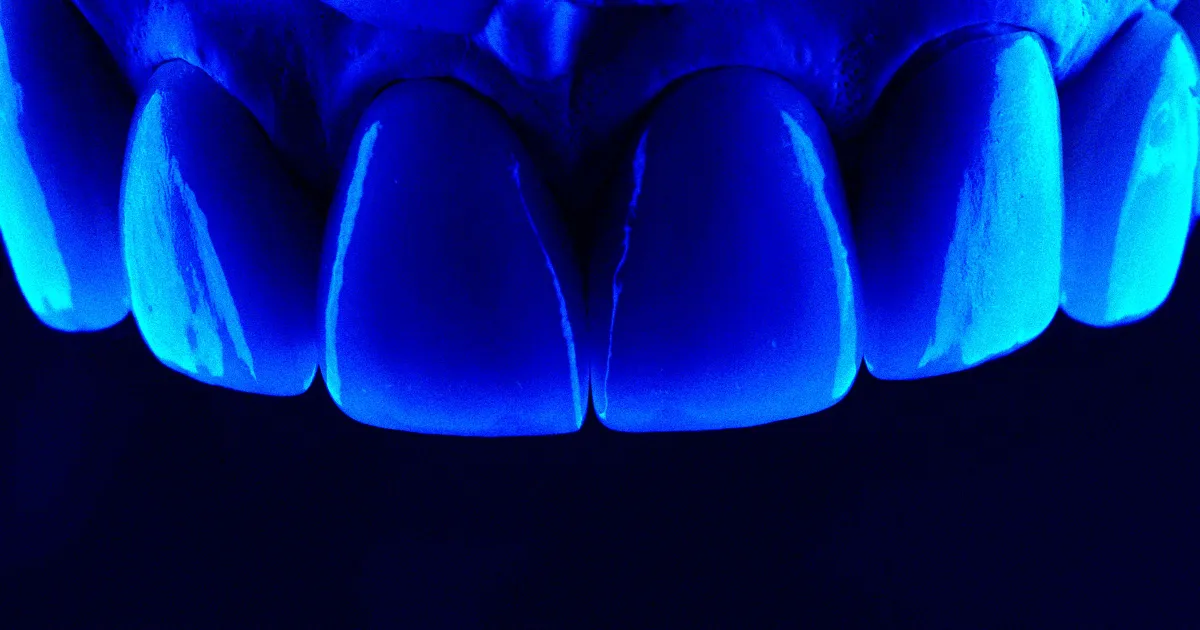
Researchers at the University of Nottingham have developed a protein-based gel that can potentially regrow tooth enamel by encouraging mineral growth, showing promising results in lab tests on extracted human teeth, with plans for clinical trials soon, offering a revolutionary approach to dental care.
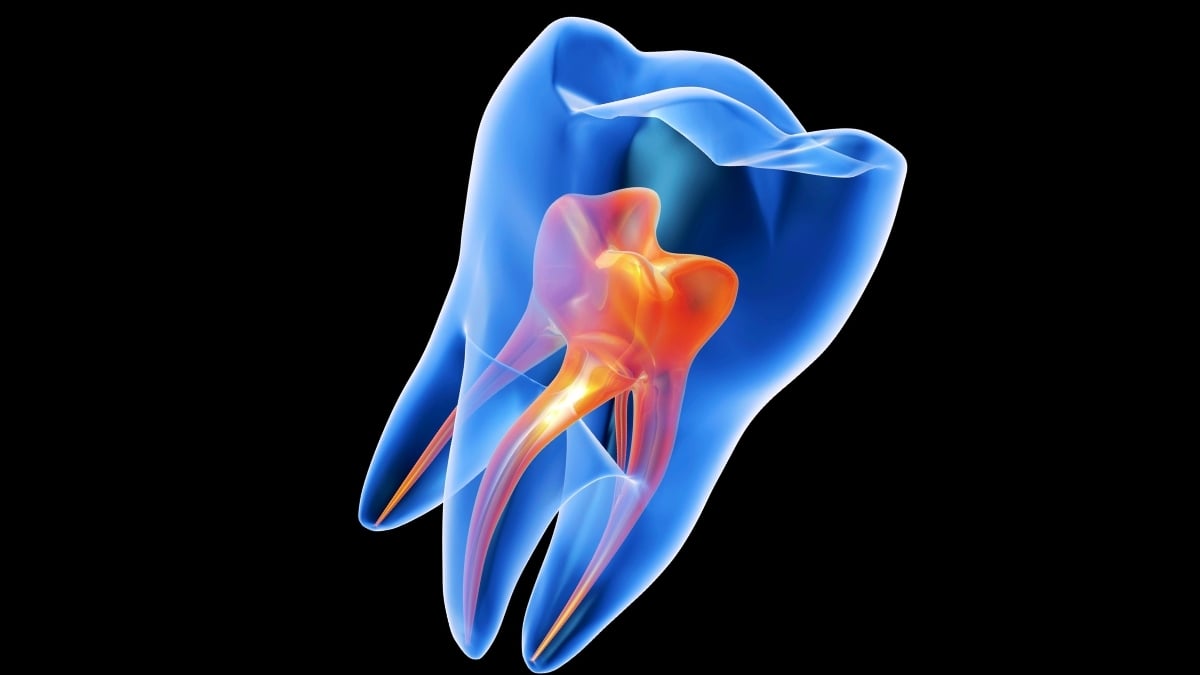
Researchers at the University of Nottingham have developed a gel that can repair and regrow tooth enamel, mimicking natural enamel formation and potentially simplifying dental treatments. The gel promotes organized crystal growth on damaged teeth, restoring strength and structure, and could lead to easier, more effective dental care in the future. However, further testing in humans is needed to ensure safety.
A new gel-based treatment targeting the protein TSP-1 has shown promise in rapidly healing stubborn diabetic wounds in mice within two weeks, potentially revolutionizing diabetic wound care pending clinical trials.
A gel made from the venom of the Brazilian wandering spider, known for its toxicity and ability to cause prolonged erections, is being tested as a potential treatment for erectile dysfunction. The gel has passed the first stage of human trials and shows promise in finding a solution for this condition.
Researchers have developed a gel treatment that cured glioblastoma brain cancer in 100% of mouse models by combining an anticancer drug with an antibody. The gel triggers an immune response and, when the cancer was reintroduced, the immune system alone helped beat the cancer without additional medications. The gel also helps rewire the immune system to discourage recurrence with immunological memory. The gel offers hope for future glioblastoma treatment because it integrates anticancer drugs and antibodies, a combination of therapies researchers say is difficult to administer simultaneously because of the molecular composition of the ingredients.