A HuffPost piece notes that protein-packed meat sticks are popular but processed meats are classified as carcinogens by the WHO, raising cancer and other health concerns. Experts recommend meeting protein needs through whole foods rather than relying on processed snacks.
Most people don't consume enough fiber, which is vital for digestive health and disease prevention. The article emphasizes increasing intake through a variety of plant-based foods like fruits, vegetables, beans, nuts, and whole grains, while cautioning against excessive consumption, especially from supplements, to avoid negative side effects. Gradually increasing fiber and drinking plenty of water are recommended to safely boost intake.
Deloitte's review revealed that Amazon and Whole Foods face challenges in integrating their Microsoft tools, leading to inefficiencies. A phased plan is proposed to migrate Whole Foods' staff to Amazon's backend, aiming to improve collaboration, security, and cost savings, amidst ongoing efforts to better align the two companies' operations.
Whole Foods is partnering with startup Mill to deploy AI-powered food recycling bins that convert fruit and vegetable scraps into chicken feed, significantly reducing waste and greenhouse gas emissions, with plans to expand into restaurants and other food outlets by 2027.
A skincare Ph.D. emphasizes that gut health is key to glowing skin, recommending a diet rich in fiber, whole foods, and low in refined sugar to support skin health from the inside out, alongside topical skincare routines.
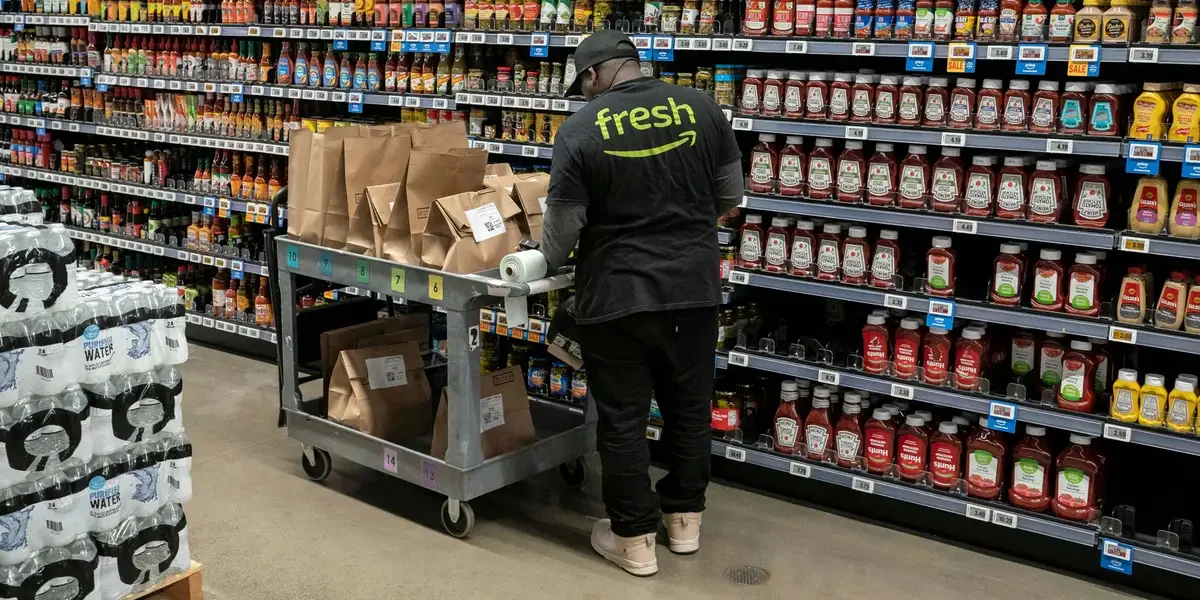
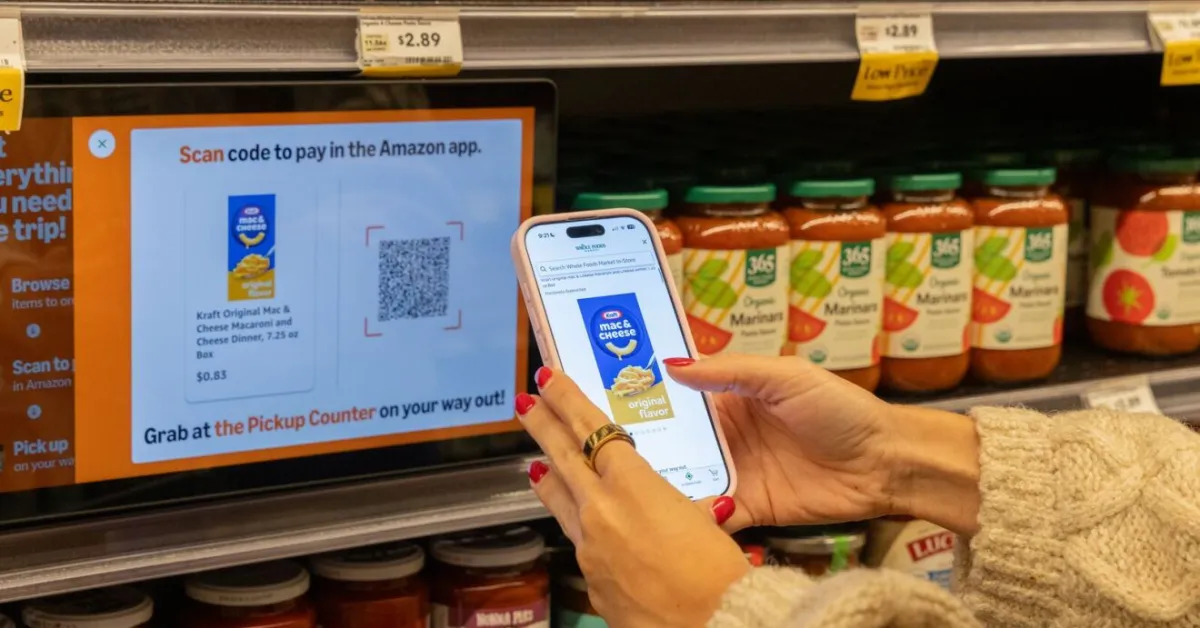
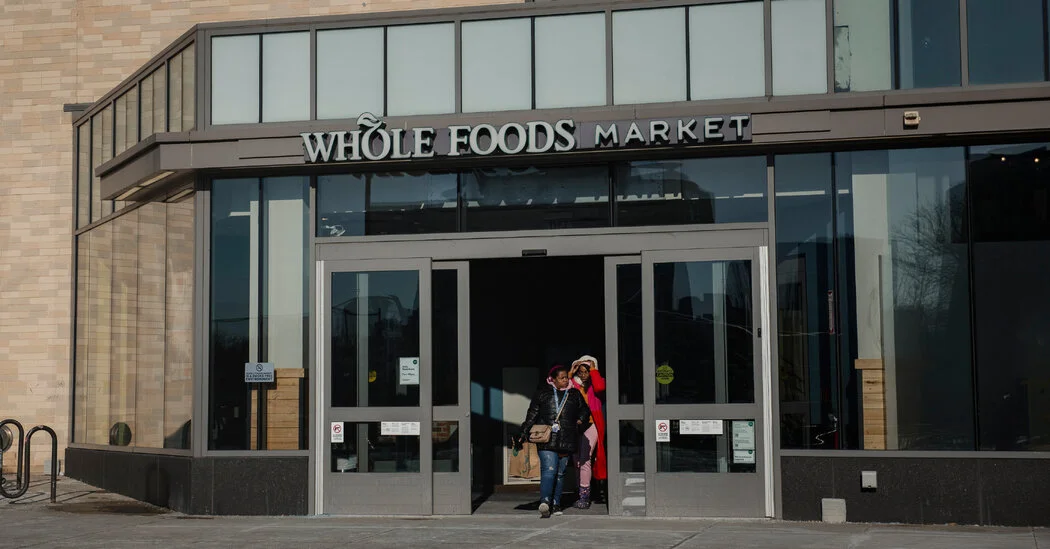
Amazon is transforming Whole Foods stores by integrating Amazon Fresh ordering with QR codes, autonomous robots, and microfulfillment centers to enhance grocery shopping convenience and expand product offerings, while maintaining the store's natural and organic reputation.
John Mackey, cofounder and former CEO of Whole Foods, revealed that he was pressured by activist investors to sell the company and only agreed to the Amazon acquisition because he faced threats of board takeover and firing, ultimately viewing the deal as the best solution to the company's challenges.
The article discusses the rising popularity of protein powders driven by social media and consumer demand, highlighting that while protein is essential for health, most people can meet their needs through whole foods rather than supplements, which can sometimes contain unsafe levels of contaminants like lead. Experts recommend focusing on high-quality, whole food sources of protein and consuming adequate amounts at each meal, especially for children, older adults, and athletes, rather than relying heavily on protein powders.
Vitamin A is essential for overall health, supporting immune function and cell growth, and is best obtained through consuming whole foods rich in the vitamin.
A six-month study found that eating minimally processed whole foods leads to better health outcomes, including weight loss and improved biomedical markers, compared to ultraprocessed foods, which are linked to adverse health effects and are increasingly prevalent globally.
Originally Published 5 months ago — by MindBodyGreen
A recent study shows that minimally processed, whole foods lead to greater weight and fat loss compared to ultraprocessed but nutritionally sound foods, emphasizing the importance of food quality over just macros and calories for health and weight management.
Originally Published 5 months ago — by MindBodyGreen
A large study shows that the form and source of sugar matter: sugary drinks like soda and fruit juice increase the risk of type 2 diabetes, while sugar from whole foods like fruit may actually lower the risk, highlighting the importance of how we consume sugar for metabolic health.
Many whole foods such as cottage cheese, tuna, chicken breast, shrimp, and lentils offer as much or more protein than typical protein shakes, making them excellent options for boosting protein intake through regular meals.
Amazon's VP of Worldwide Grocery and Whole Foods CEO Jason Buechel criticized internal bureaucracy during an internal meeting, highlighting the need to streamline decision-making processes and reduce administrative delays to accelerate initiatives and improve efficiency across Amazon's grocery division, which is undergoing restructuring and integration efforts under the 'One Grocery' initiative.
A major cyberattack on United Natural Foods has disrupted food distribution to grocery stores like Whole Foods, leading to limited stock and empty shelves across the country. The company is working to restore services and investigate the incident, but shortages are ongoing, causing concern among shoppers.