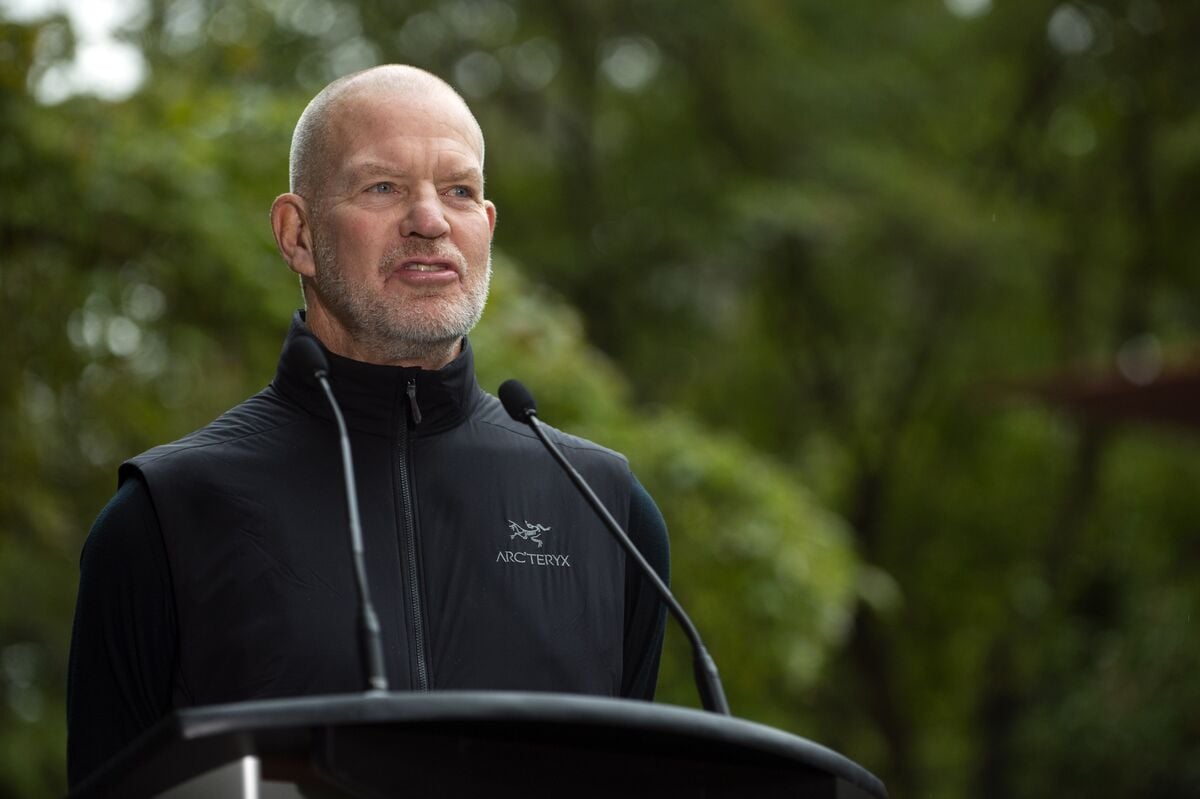
Lululemon founder Chip Wilson is nominating three new board candidates to push for visionary leadership amid declining sales and increased activist investor pressure, as the company seeks to revitalize growth and regain market confidence.
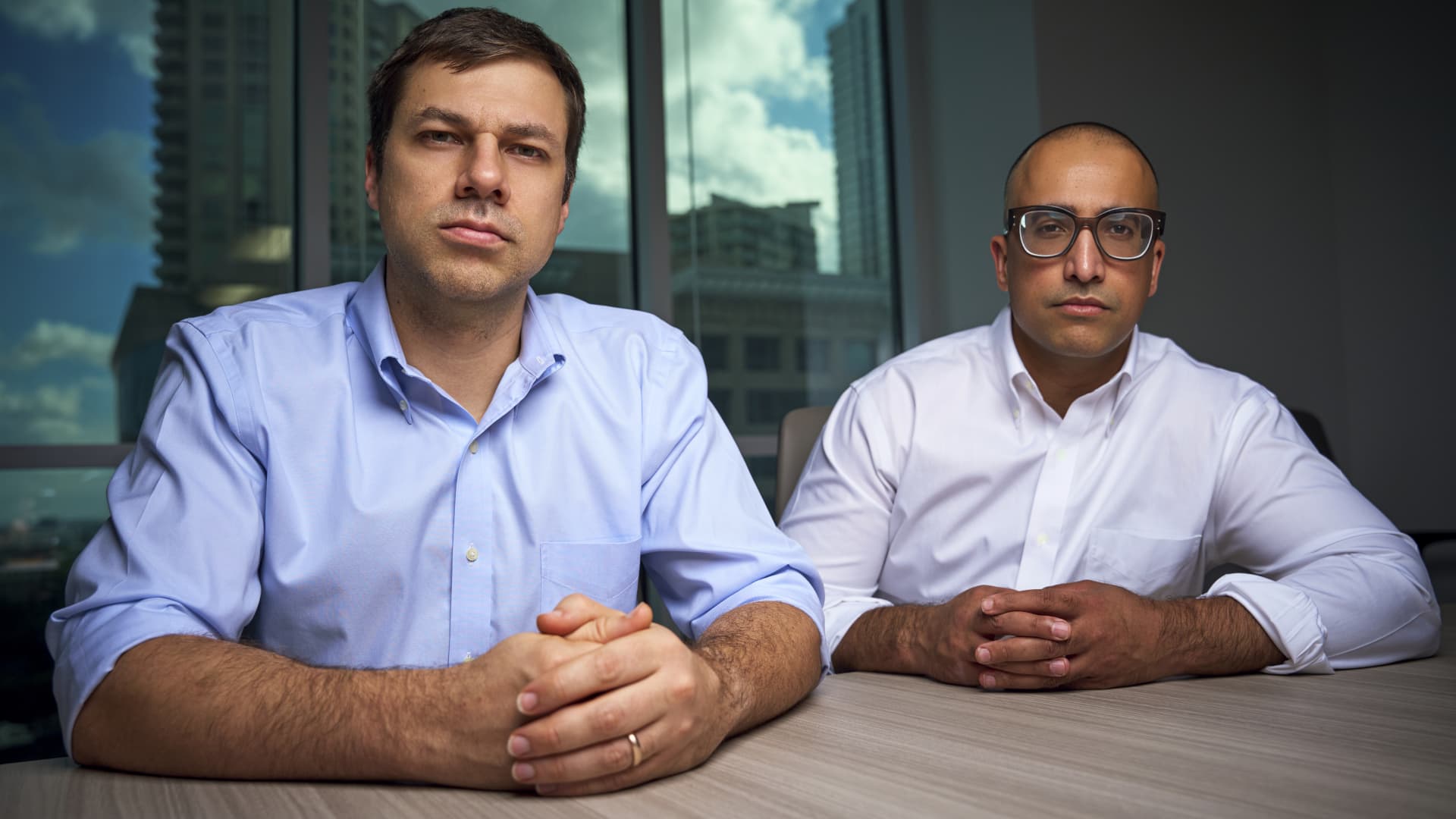
HoldCo Asset Management, a small hedge fund, is actively challenging underperforming regional banks in the US through public campaigns and proxy battles, aiming to improve shareholder value and accountability, and has already influenced major deals like Comerica's sale to Fifth Third.
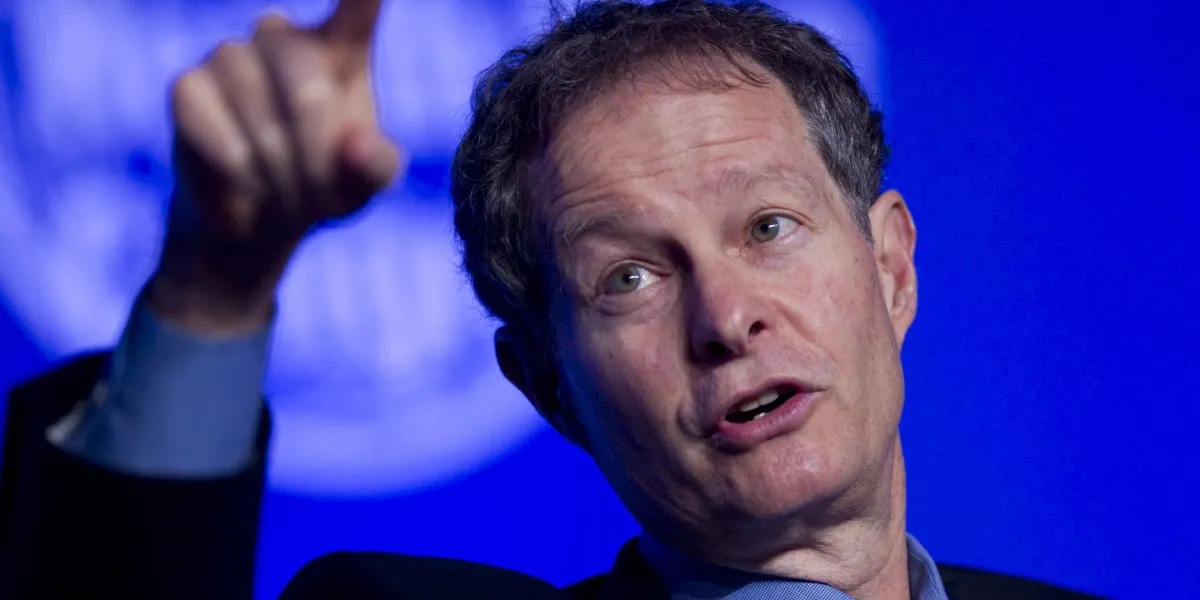
John Mackey, cofounder and former CEO of Whole Foods, revealed that he was pressured by activist investors to sell the company and only agreed to the Amazon acquisition because he faced threats of board takeover and firing, ultimately viewing the deal as the best solution to the company's challenges.
Hedge fund Toms Capital has acquired a stake in CSX and requested a meeting with its board, fueling speculation about potential merger efforts amid a backdrop of recent railroad industry consolidation and activist investor activity.
Shares of Opendoor surged 15.5% amid retail investor enthusiasm and activist interest, with Eric Jackson signaling plans for shareholder activism to push for operational improvements and leadership changes, amid broader industry tailwinds like falling interest rates and potential crypto integration.
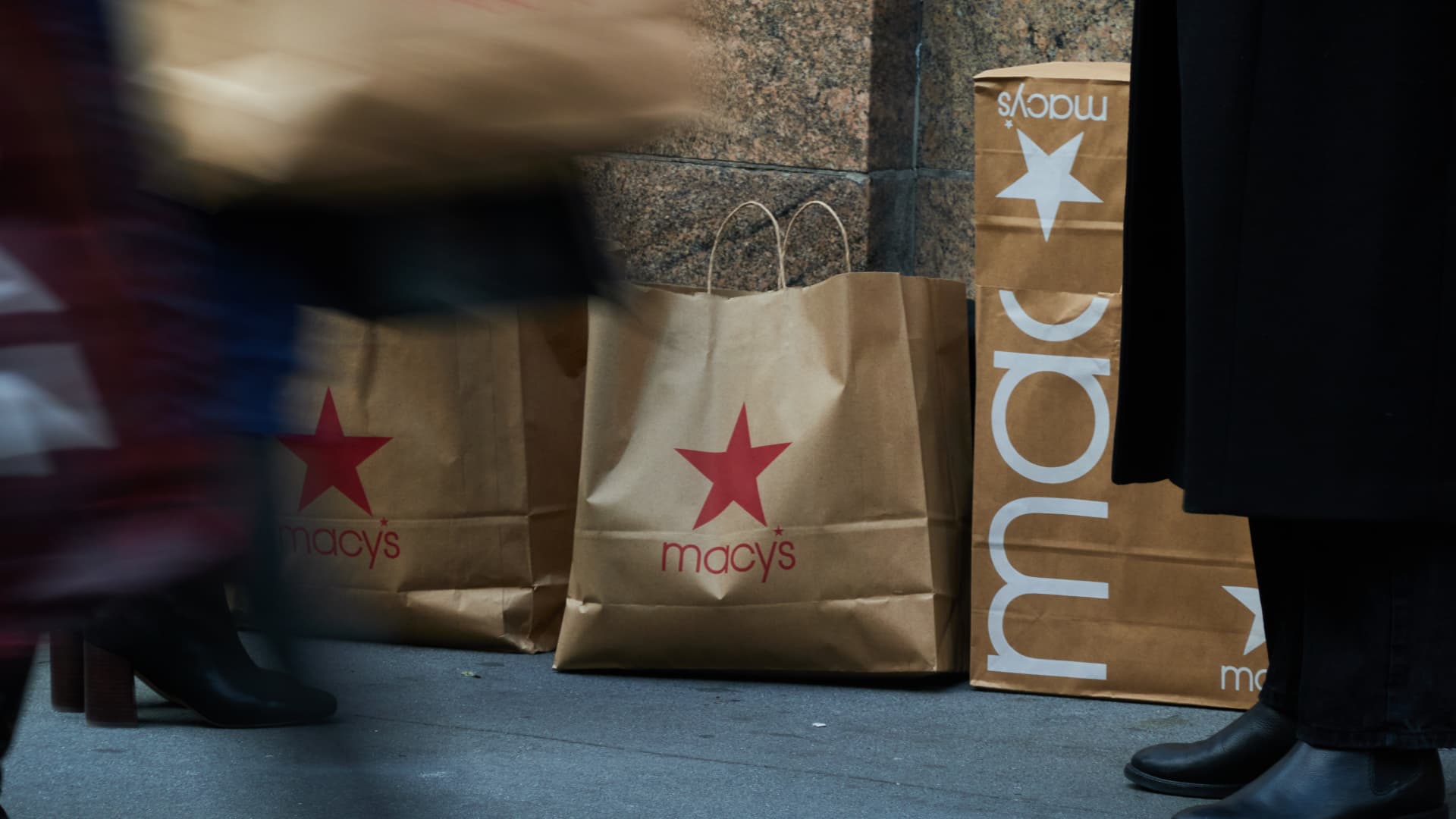
Macy's has concluded an investigation into an employee who hid over $150 million in expenses, leading to tightened controls to prevent future issues. The accounting discrepancies, discovered last month, delayed Macy's earnings report but were not material to past financial statements. Despite resolving the issue, Macy's stock fell over 11% after lowering its profit forecast and reporting a 2.4% drop in quarterly sales. The company faces pressure from activist investors to improve its financial performance, including calls to sell off assets.
Macy's concluded an investigation into an employee who hid $151 million in delivery expenses over three years, leading to revised financial statements. The company is enhancing its internal controls to prevent future issues. Despite the scandal, Macy's reported a slight increase in its full-year sales forecast but lowered its earnings outlook, causing shares to drop over 8%. The company is also facing pressure from activist investors, with Barington Capital pushing for strategic changes, including a potential sale of luxury brands.
Activist investors Barington Capital and Thor Equities propose that Macy's could unlock more value by selling its valuable real estate assets, arguing that the company's real estate is worth more than its current market value. They suggest that Macy's could benefit from breaking up its operations and selling off parts, similar to strategies used by other struggling retailers like Sears. Macy's management, however, remains committed to its current strategy of closing underperforming stores and investing in top locations, rejecting the proposal as not in shareholders' best interests.
Macy's settles a proxy fight with activist investors by appointing two new directors to its board, but the battle for the department store's future continues as it weighs a potential sale or bets on the CEO's vision. The retailer faces pressure from activist investors seeking to take the company private, with concerns about the impact on its retail operations and real estate assets. CEO Tony Spring aims to turn the tide by closing underperforming stores and investing in stronger locations, while the new directors bring retail and real estate expertise to evaluate acquisition bids.
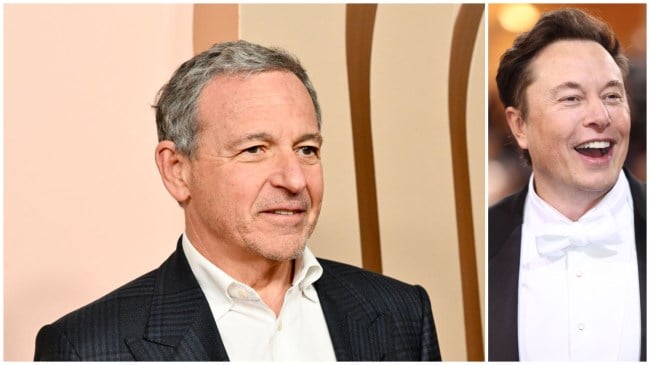
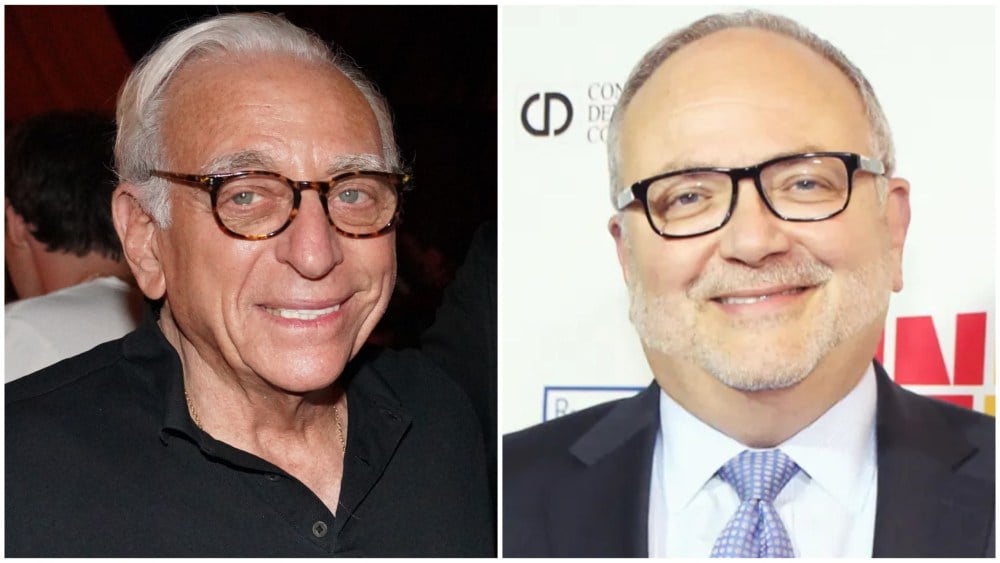
Disney CEO Bob Iger dismisses claims that the company's content is focused on social-justice issues, emphasizing the priority of entertainment over messaging. Following a proxy-fight victory, Iger addresses criticism from figures like Elon Musk, stating that Disney aims to have a positive impact while remaining an entertainment-first company. The article also discusses the proxy fight with activist investors Nelson Peltz and Ike Perlmutter, highlighting Iger's efforts to maintain Disney's direction and success amidst the conflict.
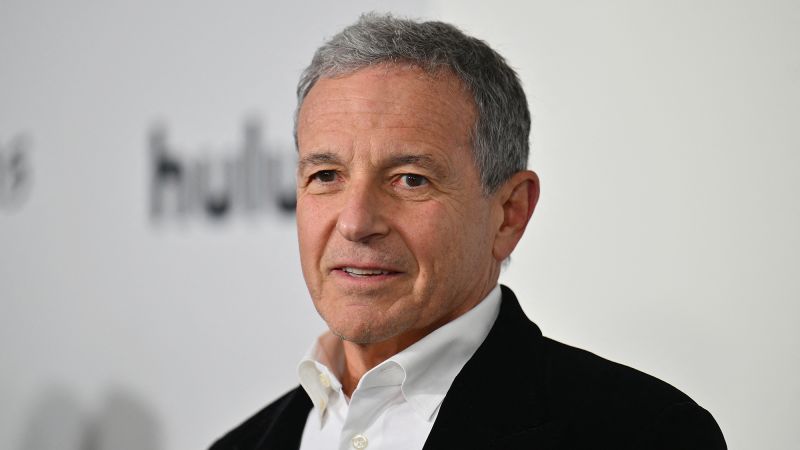
Disney shareholders voted to keep the current board intact, signaling confidence in CEO Bob Iger's plan to boost shares and select a strong successor. Iger's next steps include making Disney's streaming services profitable, clarifying ESPN's digital strategy, achieving box-office success, and choosing a successor with a transition plan. The company aims to turn a profit in its streaming TV businesses by the end of the fiscal year through cost-cutting measures. Additionally, Disney faces the challenge of finding a suitable successor for Iger and addressing concerns raised by activist investors.
Disney successfully defeated activist shareholders' attempt to secure board seats, marking a significant win for CEO Bob Iger. The company's board triumphed over the nominees put forward by Trian Fund Management and Blackwells Capital at its annual shareholder meeting. Despite Disney's recent stock performance, some investors sought higher returns and a more forceful shakeup. The defeat of the activist shareholders allows Iger to focus on the growth phase of his plan, but dissatisfaction within the company remains.
Walt Disney appears to be gaining support from major institutional investors in the battle for board seats against activist investors Trian Fund Management and Blackwells Capital. The proxy battle comes as Disney seeks to revitalize its creative franchises, make its streaming business profitable, and navigate the digital future of ESPN. With the annual meeting approaching, both sides are actively lobbying shareholders, and the final outcome remains uncertain as more votes are expected to come in.
Disney is gearing up for its annual shareholder meeting, facing off against activist investors Trian Group and Blackwells Capital in a proxy fight. The investors have criticized Disney's performance and board, proposing their own nominees for the board. Disney has pushed back, touting its strategic priorities and questioning the qualifications of the activist investor-nominated candidates. Prominent figures and firms have weighed in on the battle, and the shareholder meeting is set to take place on Wednesday.
CalPERS, a major California pension fund, has voted to support activist investors Nelson Peltz and Jay Rasulo in their battle to join Disney's board of directors, challenging CEO Bob Iger and the current board. The fund, which manages over $465 billion in assets and owns 6.6 million Disney shares, believes the company will benefit from new perspectives. Peltz and Rasulo have been critical of Disney's performance, particularly in its streaming operations, and their election will be decided at Disney's upcoming virtual shareholders meeting on April 3.