A recent study highlights that due to overpumping groundwater, worsening droughts, and higher temperatures, Earth's land-based water sources are drastically shrinking, contributing more to sea level rise than melting ice sheets, with significant implications for global water security and climate change impacts.
A new study reveals that overpumping groundwater and climate change are causing widespread continental drying, which has now surpassed ice melt as the main contributor to sea level rise, with significant implications for global water security and climate resilience.
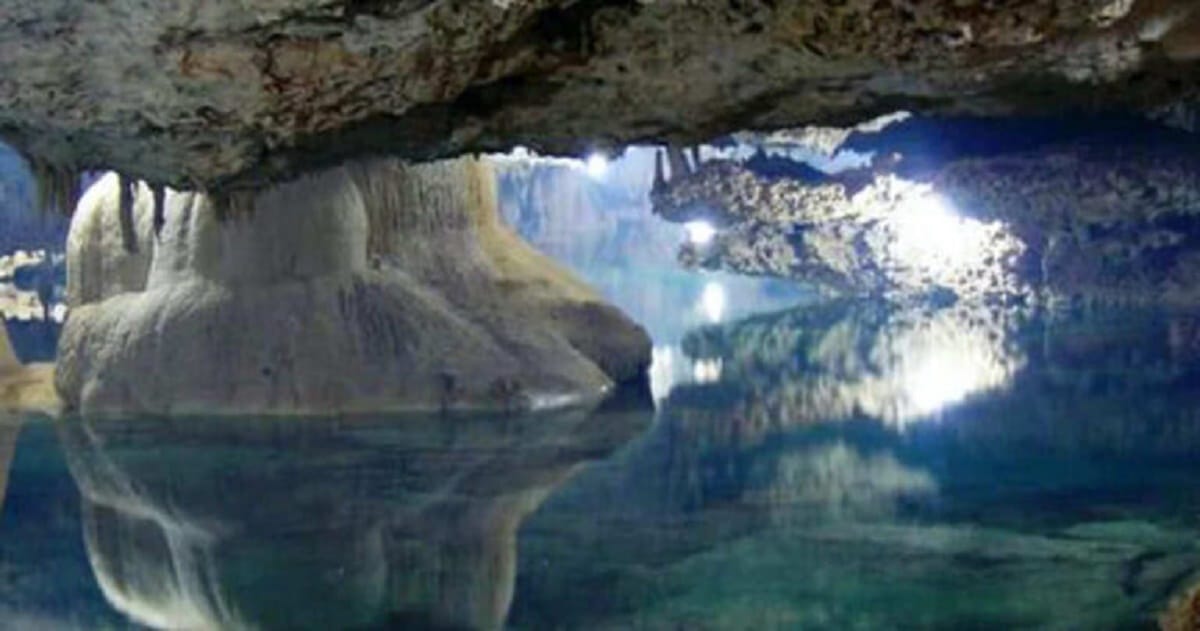
Scientists have discovered a massive, hidden ocean beneath Earth's surface, approximately 700 km deep, using seismic data and mineral analysis, which could reshape our understanding of Earth's water sources and geological processes.
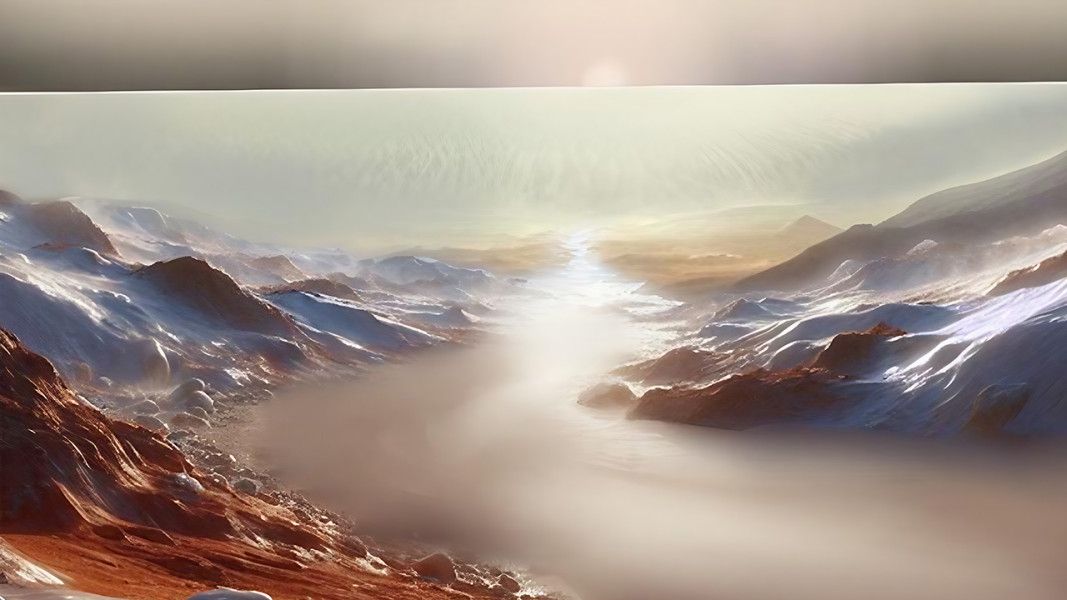
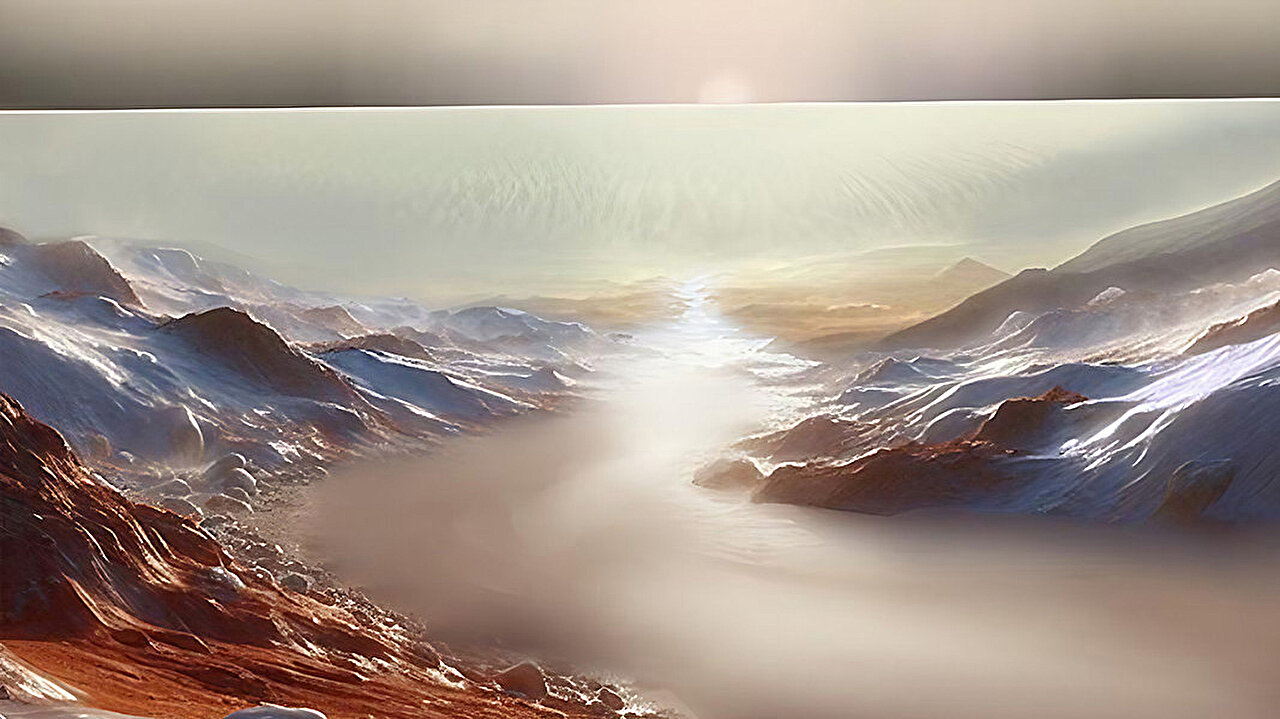
Researcher Peter Buhler has proposed a model explaining how ancient Mars maintained liquid water despite cooling and atmospheric thinning. His study suggests that carbon dioxide ice on Mars' south polar cap acted as an insulator and added pressure, allowing water to melt and form subglacial rivers. These rivers, which eventually froze, created eskers and contributed to the formation of large bodies of water like the Argyre Planitia ocean. This model relies on processes still observed on Mars today, without requiring unexplained warming events.
New research suggests that 3.6 billion years ago, Mars experienced a collapse of its carbon dioxide atmosphere, leading to the melting of water ice beneath its south polar cap. This process, driven by the insulating effect of carbon dioxide ice, allowed rivers to flow and a large lake to form under thick ice, without requiring climatic warming. The study, led by Peter Buhler, proposes that this mechanism explains the formation of major Martian landscape features, such as eskers and river valleys, challenging previous theories that relied on global warming events.
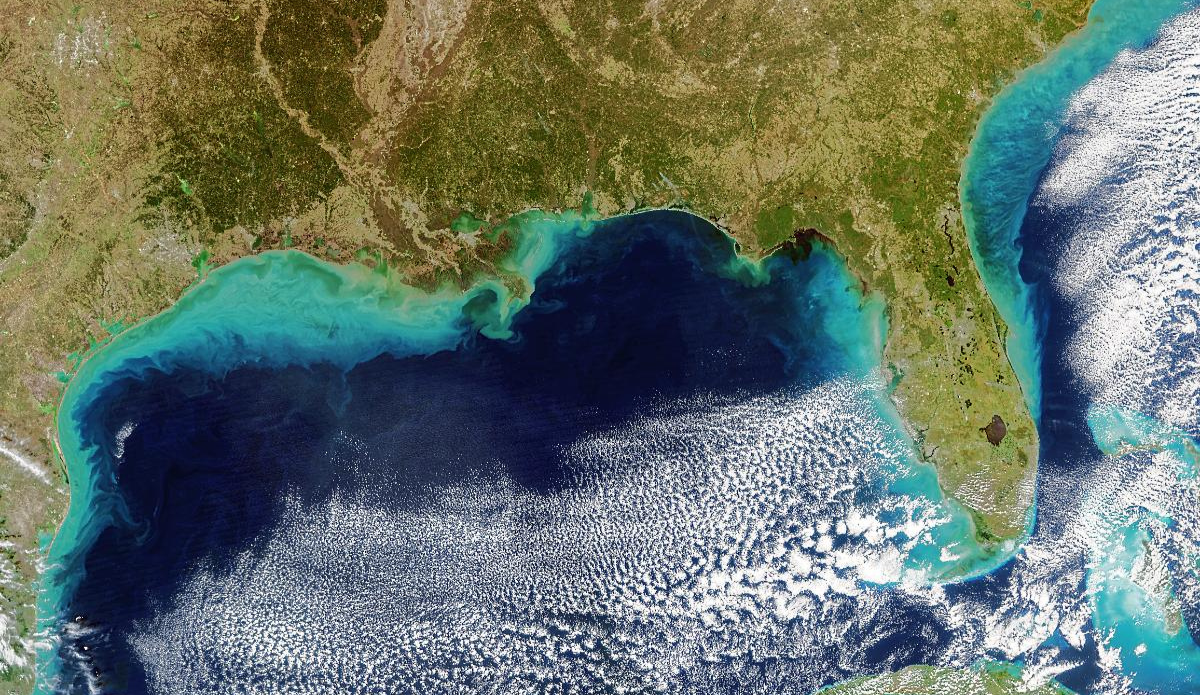
NASA has observed how El Niño affects the salinity of coastal waters, with satellite images revealing changes in sediment marks and dissolved salt content. The event leads to less freshwater flowing from rivers into the ocean, resulting in higher salt content at river mouths and up to 125 miles from shore. This relationship between El Niño/La Niña weather cycles and the coastal water cycle will have significant impacts on marine environments and global climate as weather events intensify.
Scientists have discovered a massive ocean, three times the size of Earth’s oceans, located 700 km beneath the Earth’s surface within the mantle. This finding challenges existing theories about the origin of Earth’s water and suggests that water may have originated internally rather than from comet impacts. The discovery was made using a network of seismographs and analyzing seismic waves from over 500 earthquakes. This revelation has the potential to reshape our understanding of Earth’s water cycle and offers new insights into one of the planet’s fundamental processes.
Researchers from Northwestern University have discovered a colossal ocean three times the size of all Earth's surface oceans combined, hidden deep within the Earth's mantle. This finding challenges existing theories about the origins of Earth's water, suggesting that it may have come from within the planet rather than from comet impacts. The discovery could revolutionize our understanding of the Earth's water cycle and fundamental processes, prompting further research to determine if mantle melting is a common occurrence worldwide.
Scientists have discovered a massive ocean hidden 700 kilometers beneath the Earth's surface, challenging previous theories about the origins of Earth's water. This ocean, found within the Earth's mantle, is three times the size of all the planet's surface oceans combined and may have implications for our understanding of the planet's water cycle. The discovery was made using seismic waves and could revolutionize our understanding of one of Earth's fundamental processes.
Scientists have created a "digital twin" of Earth to simulate natural disasters and better understand the water cycle. This model, funded by the European Space Agency, uses high-resolution data from satellite observations to simulate best- and worst-case scenarios for natural disasters like flooding and landslides. The goal is to help forecast where these disasters could occur and improve water resource management. The scientists plan to expand the model to cover other regions and incorporate artificial intelligence to enhance its accuracy.
Scientists studying data from the JWST have discovered that a planetary disk in the Orion Nebula, d203-506, is destroying and replenishing an amount of water equivalent to all of Earth’s oceans in about a month. This process sheds light on the water cycle in the infant Solar System and suggests that Earth's water likely went through a similar process before making its way to the planetesimals and icy bodies that helped form the worlds of the Solar System. The findings provide valuable insights into planet-formation processes and the interplay between young stars and their protoplanetary disks.
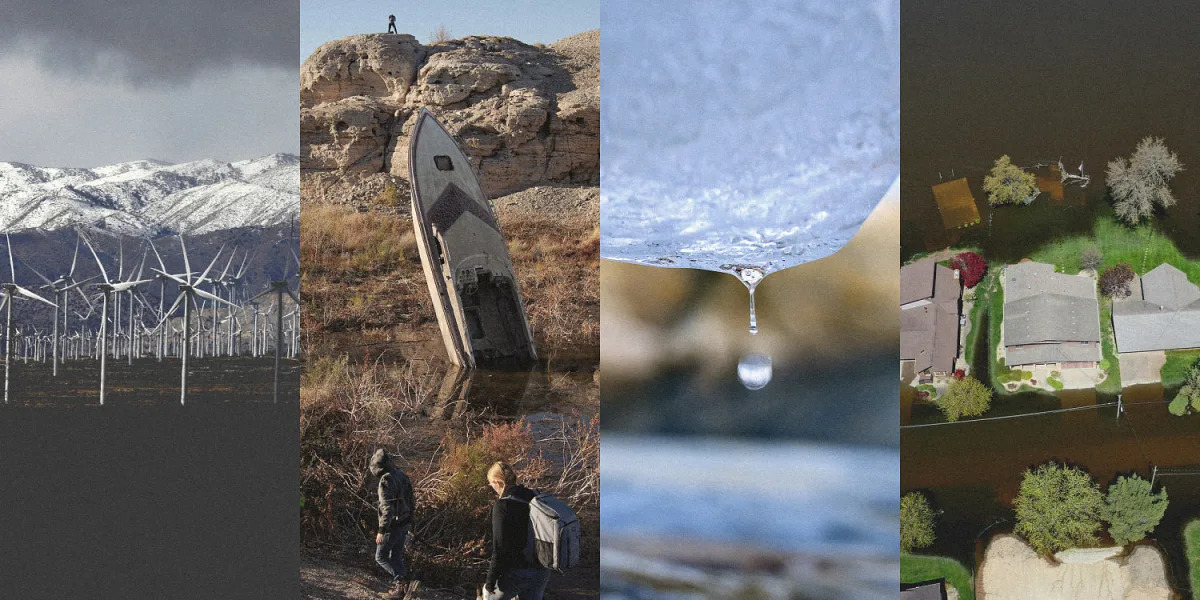
Climate change is disrupting the water cycle across the U.S., leading to extreme precipitation, flooding, drought, and contaminated water supplies. The delicate balance of the water cycle, which controls Earth's climate system, is being increasingly stretched and broken as the planet warms. Rising temperatures are intensifying evaporation, transpiration, and runoff, causing shifts in water availability and supply. Extreme weather events, such as hurricanes and wildfires, are becoming more severe and frequent, while water supply is dwindling in Western states and the Midwest. Human activities and climate change are adding stress to the movement of water between land, oceans, and the atmosphere, impacting millions of people across the U.S.
Climate change is disrupting the water cycle in the U.S., leading to extreme precipitation, flooding, drought, and contaminated water supplies. Warmer temperatures are intensifying evaporation and transpiration, exacerbating drought and stressing plants. The pattern and timing of runoff are shifting, causing rivers to run at extreme highs and lows. Water supply is dwindling in Western states, the Great Plains, and parts of the Midwest, with overuse leading to unsustainable consumption of stored groundwater. The consequences of climate change on the water cycle are affecting millions of people across the U.S.
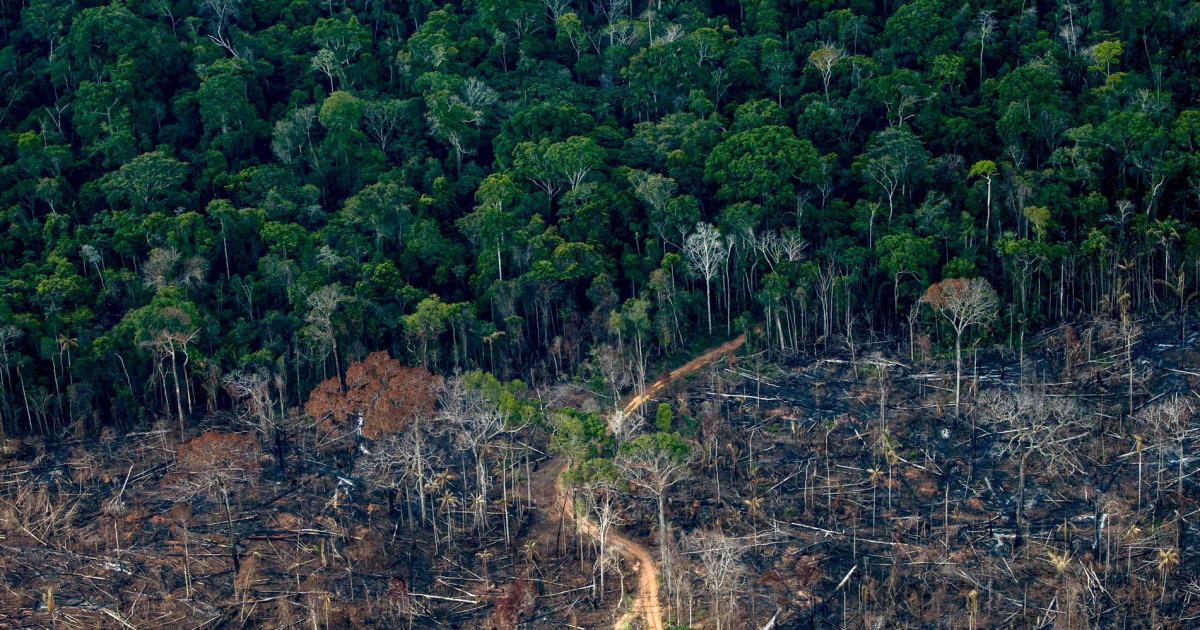
A study published in Nature warns that the Amazon rainforest's water cycle is at risk of collapsing due to a combination of factors including deforestation, wildfires, and climate change. The study suggests that without significant intervention, a substantial portion of the rainforest could transition away from its current state by 2050, with potentially devastating consequences for biodiversity, carbon storage, and local communities. The Amazon's ability to sustain its water and carbon cycles is threatened by overlapping stressors, and urgent action is needed to prevent irreversible damage.
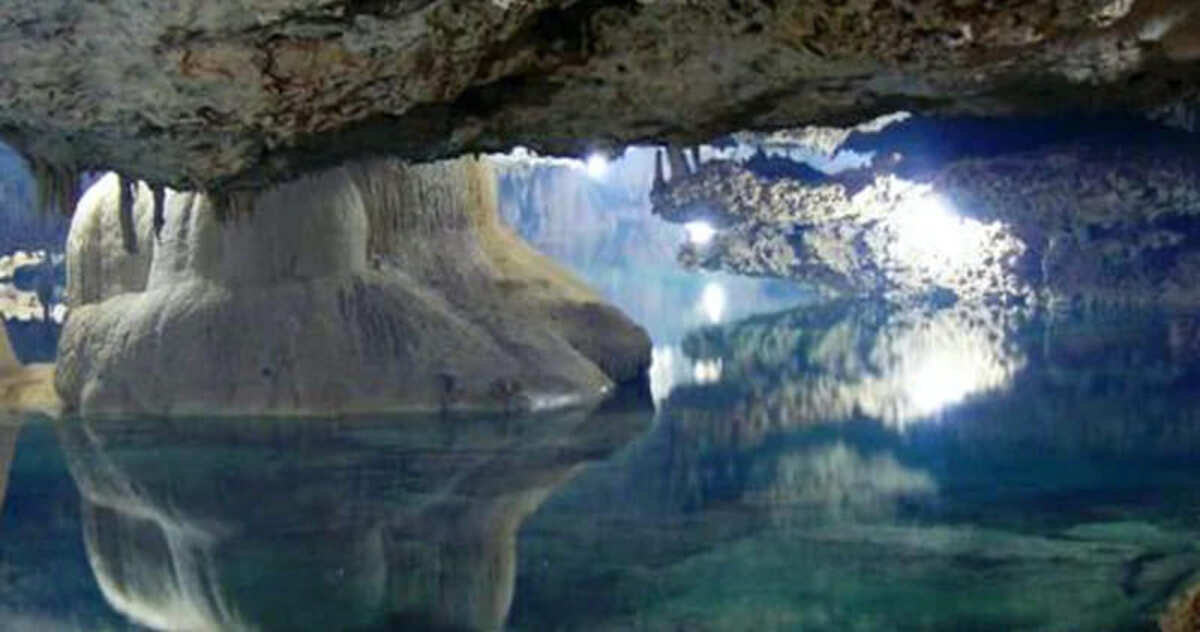
Lakes don't just absorb into the ground due to the permeability of the material at the bottom of the lake, which determines how quickly water can seep through. Rocky bottoms and accumulated sediment limit water passage, while evaporation also plays a role. However, human consumption and climate warming are causing more than half of the world's large lakes to dry up, emphasizing the need to monitor and protect these vital water sources.