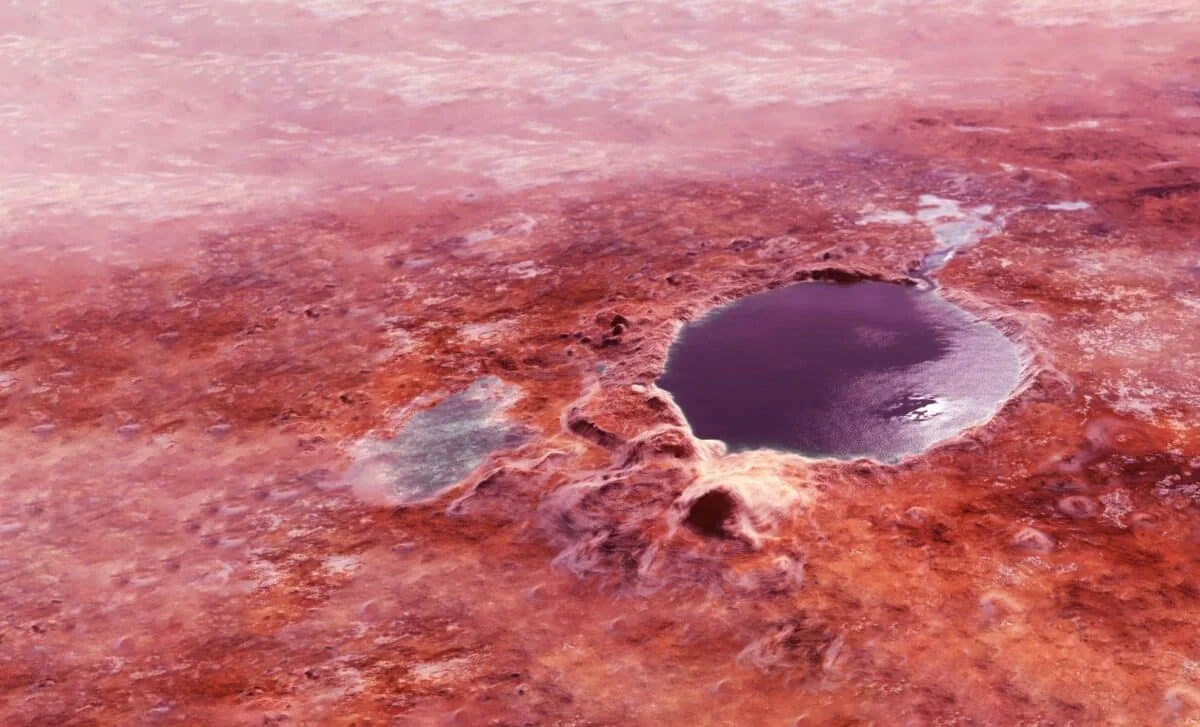
A new LakeM2ARS climate model shows ancient Martian lakes could endure for decades beneath thin, seasonal ice, insulating water enough to stay liquid in a cold, CO2-rich early Mars. By adapting Earth-based Proxy System Modeling, researchers ran 64 simulations across varied conditions, suggesting minimal ice can preserve lakes without leaving obvious glacial traces. If confirmed, this helps explain geological evidence of past water and prompts applying the model to other regions to reassess Mars’ habitability.
Originally Published 4 months ago — by Hacker News
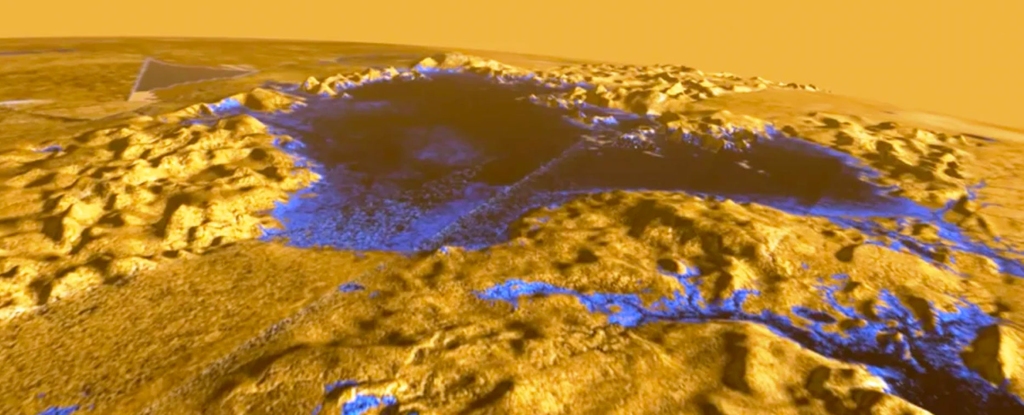
NASA research suggests Titan's lakes may form vesicles with primitive cell walls, supporting theories that such structures could be precursors to life, though this remains theoretical and requires experimental verification.
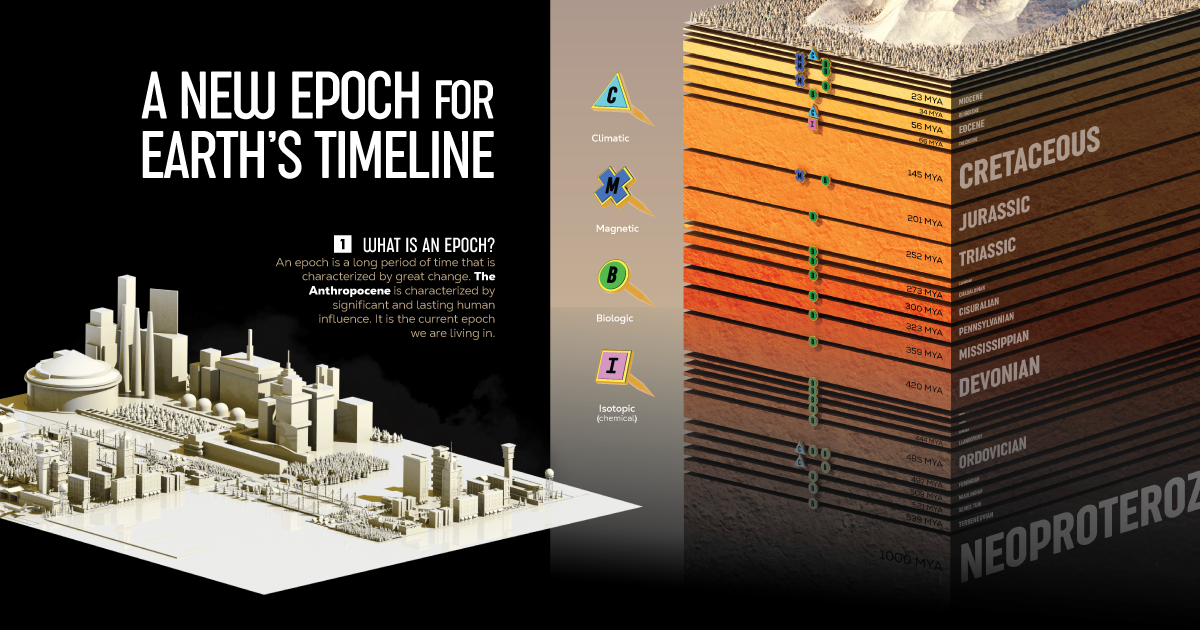
The presence of microplastics in lake sediments, often used to determine the onset of the Anthropocene, is proving to be an unreliable marker as researchers have found that plastic particles can infiltrate deep into older sediments, muddying the ability to accurately date the start of the geological age marking human impact on the environment. The study, published in Science Advances, revealed that microplastics, including biodegradable plastics, have migrated into sediments dating back more than 200 years, challenging the use of microplastics as precise markers for defining the Anthropocene.
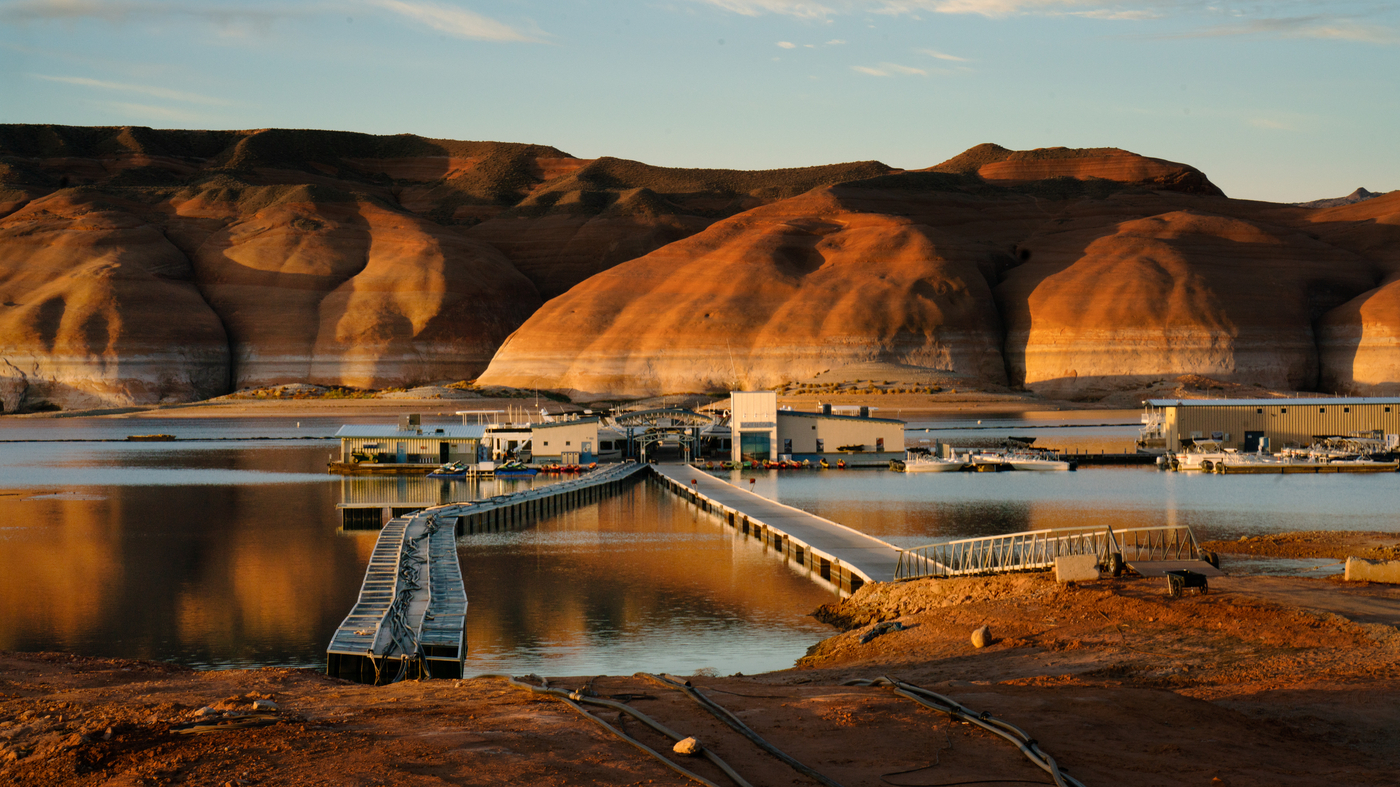
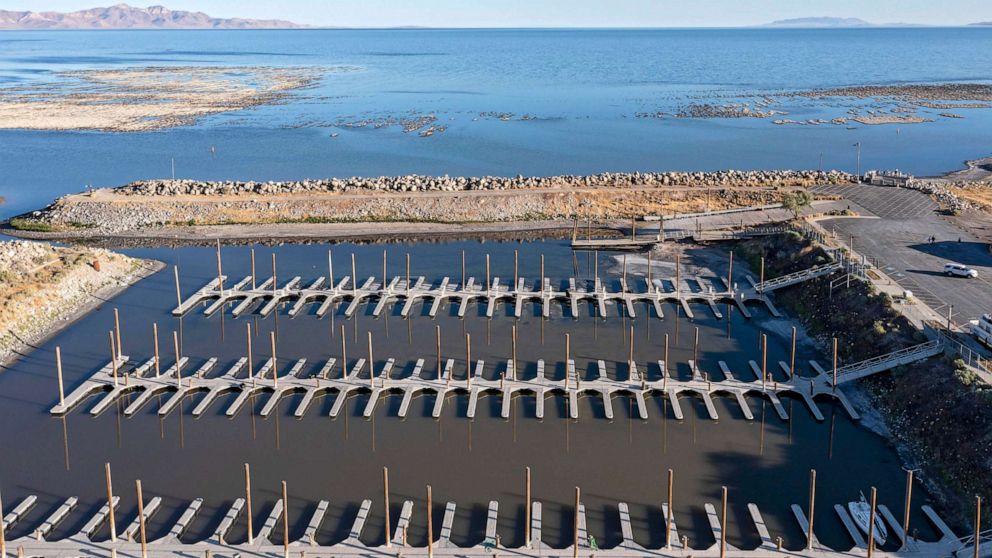
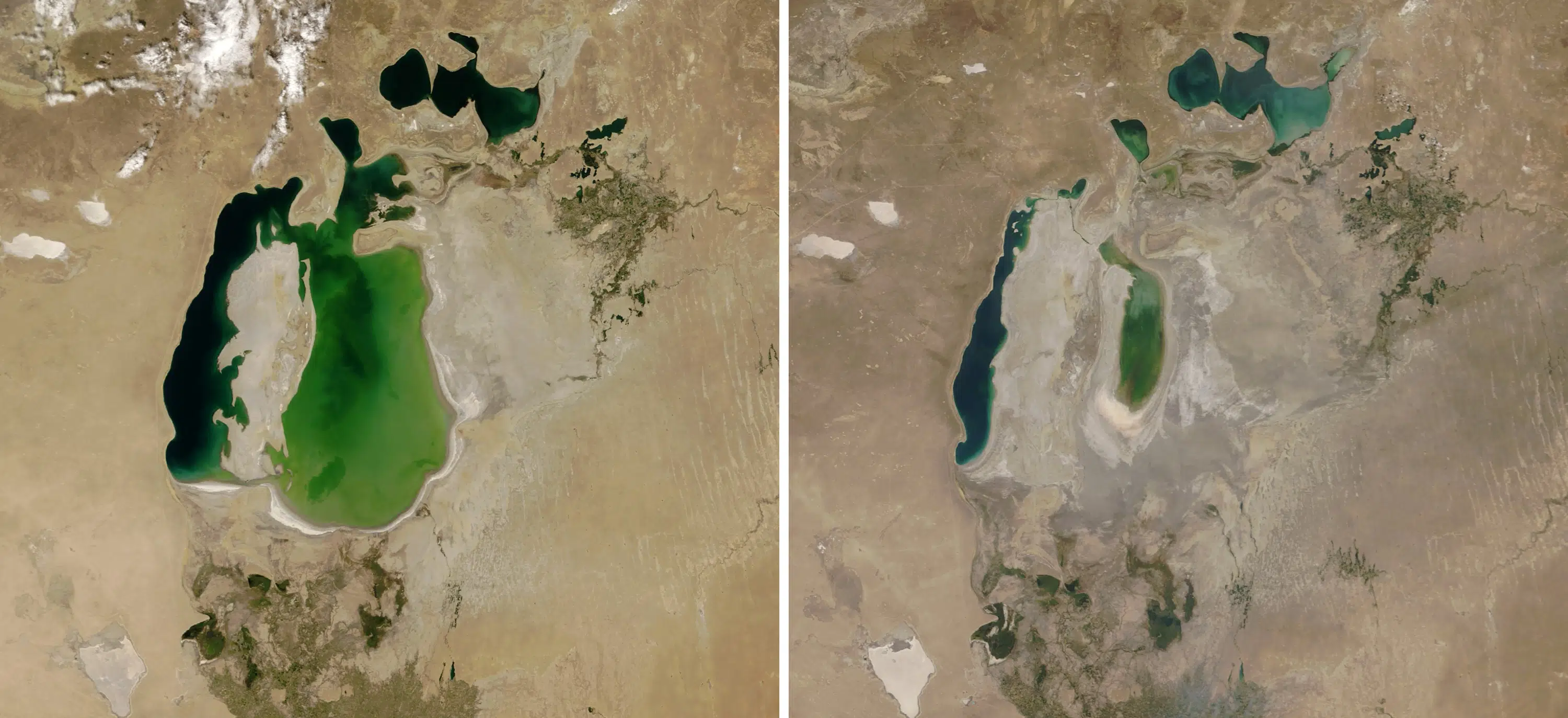
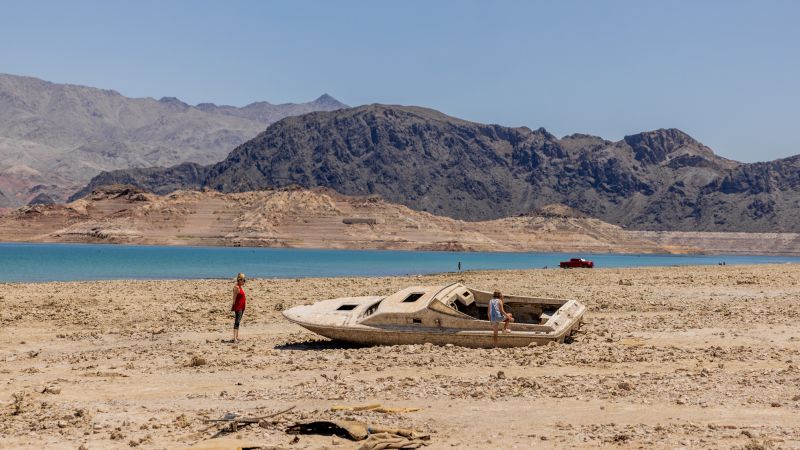
Lakes don't just absorb into the ground due to the permeability of the material at the bottom of the lake, which determines how quickly water can seep through. Rocky bottoms and accumulated sediment limit water passage, while evaporation also plays a role. However, human consumption and climate warming are causing more than half of the world's large lakes to dry up, emphasizing the need to monitor and protect these vital water sources.
Scientists studying data from the Cassini spacecraft's mission to Saturn's moon Titan believe that the mysterious "magic islands" observed in the moon's lakes may be blobs of organic molecules that form in the atmosphere, collect in the lakes, and float around. The team, led by Xinting Yu from the University of Texas, found that the solid material landing on the surface, and by chance, in the lakes, must be porous in nature, giving it the ability to float. This discovery sheds light on the unique chemistry and surface features of Titan, Saturn's largest moon.
Minnows used as live bait by anglers are being blamed for the green hue in lakes in the French Pyrenees and Spain. These tiny fish, which have thrived and disrupted the ecosystem after escaping hooks, have been devouring amphibians, insects, and zooplankton that play a crucial role in keeping the water clear and pure. Other factors contributing to the abundance of algae in the lakes include the concentration of cattle herds and higher temperatures due to global warming. Efforts to eliminate the minnows have been made, but there is a need to address pollutants and climate change to restore the lakes' ecosystems.
A vintage visualization from 1850 showcases the principal rivers and lakes of the world, organized neatly by size and location. The visualization highlights the longest rivers at the time, including the Mississippi, Amazon, Nile, and Yangtze. It also features the largest lakes, such as the Caspian Sea and Lake Superior. While some names have changed over time, the visualization provides a unique glimpse into humanity's early efforts to quantify the world.
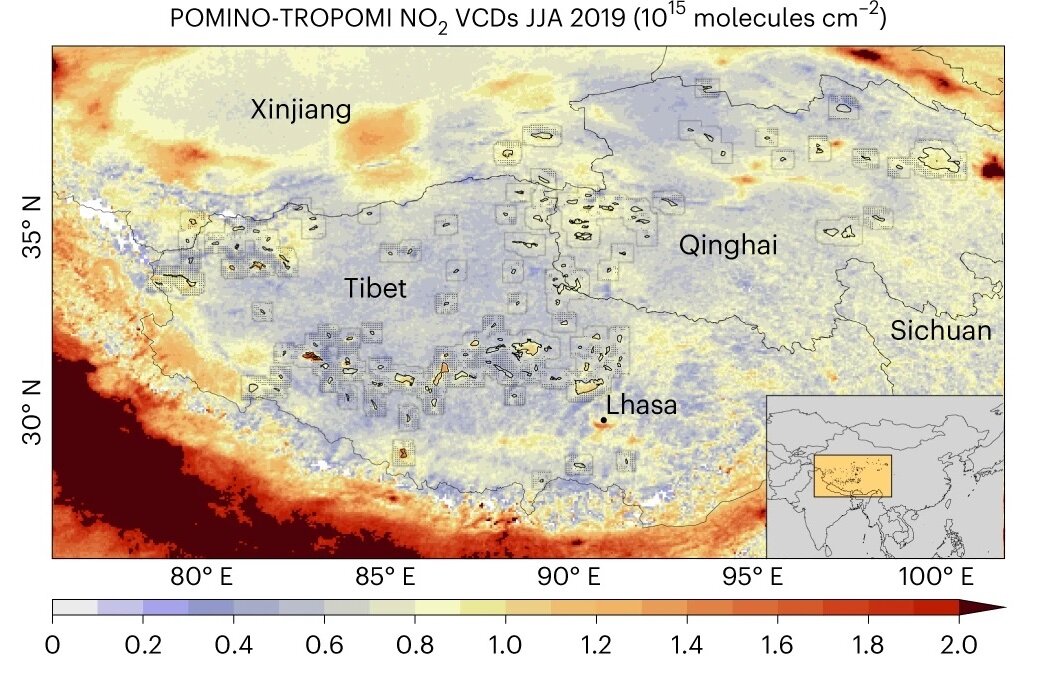
Satellite observations of 135 lakes on the Tibetan Plateau have recorded total nitric oxide emissions of 1.9 metric tons per hour, comparable to the emissions from global megacities, challenging the understanding that nitric oxide in lakes is not a major forcing factor in air quality or climate models compared to human sources. The cause of such unusually high levels of nitric oxide from the lakes has been attributed to a combination of microbial processes, alongside warming and melting of glaciers and permafrost on the plateau. The researchers advocate for future modeling of global warming to include lake and inland water nitric oxide emissions worldwide to help us understand how all aspects of Earth's system may affect, and be affected by, climate change.
More than half of the world's largest lakes have shrunk dramatically over the last 30 years due to human activities, including overuse of water for agriculture and development, and human-caused climate change. The decline in water storage is equivalent to 17 Lake Meads, the largest reservoir in the U.S. The implications pose risks to human health, economies, and the natural world. The findings should help water managers better manage and protect threatened lakes around the world by emphasizing conservation and improving water efficiency.
Half of the world's largest lakes and reservoirs are experiencing declining water storage due to human activity and climate change, according to a study. The research combined global satellite measurements with climate and hydrologic models to detect trends in lake water storage for nearly 2,000 of the world’s largest lakes and reservoirs from 1992 to 2020. About 53% of the water bodies studied were found to have experienced significant water losses over the last 28 years at a rate of roughly 22 gigatonnes, or 1 billion metric tons, per year. The declining water storage could affect a quarter of the world's population.
Climate change and human activities such as diversion of water have caused the world's lakes to shrink by trillions of gallons of water annually since the early 1990s, according to a study. The research examined nearly 2,000 of the world's largest lakes and found they are losing about 5.7 trillion gallons of water each year. Even lakes in areas getting more rainfall are shrinking due to a thirstier atmosphere from warmer air sucking up more water in evaporation and a thirsty society that is diverting water from lakes to agriculture, power plants, and drinking supplies.
More than half of the world's largest lakes and reservoirs have lost significant amounts of water over the last three decades, with climate change and excessive water use being the primary culprits, according to a new study. The report found that 53% of the lakes and reservoirs had lost significant amounts of water, with a net decline of around 22 billion metric tons a year. The study highlights the need for proper water management as many parts of the world become hotter and drier.