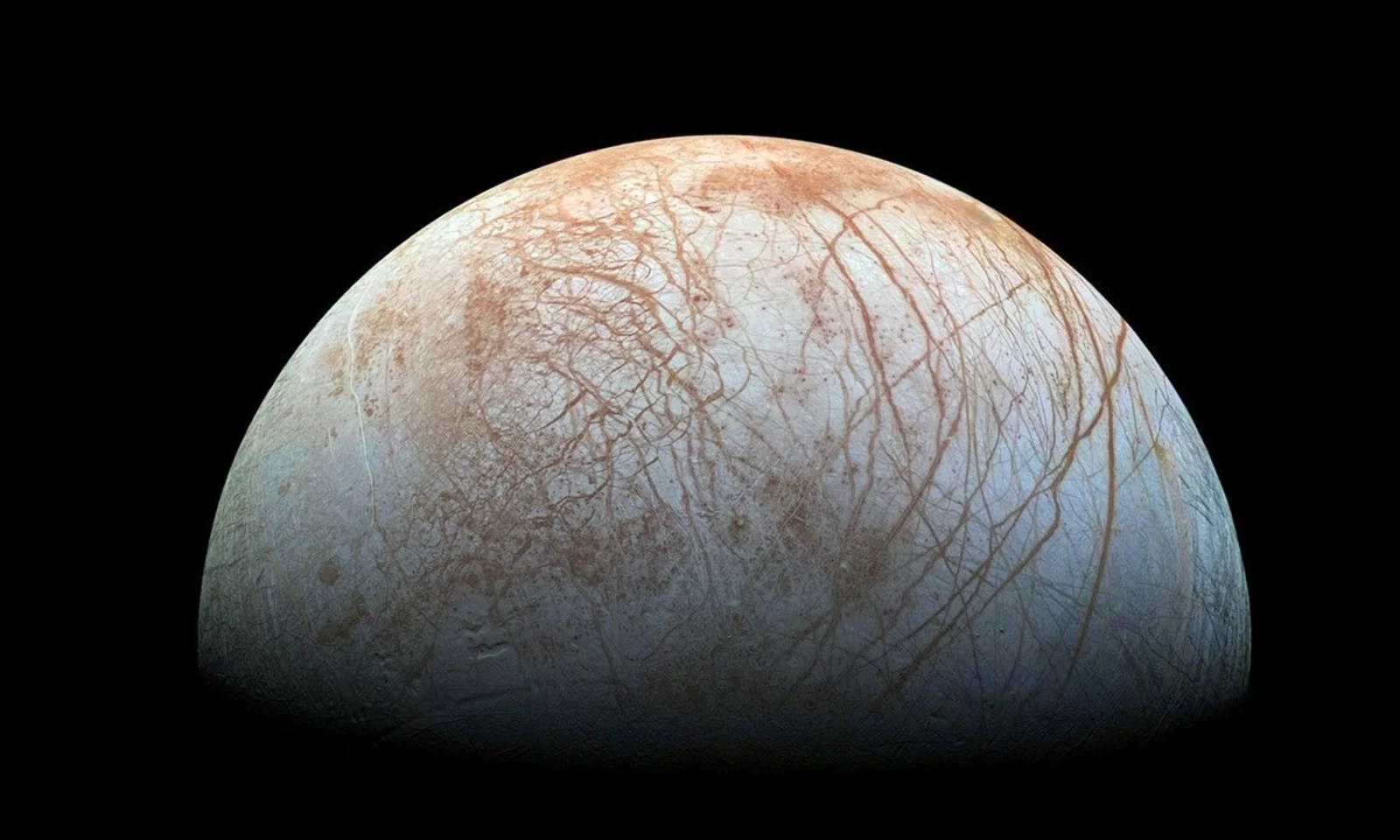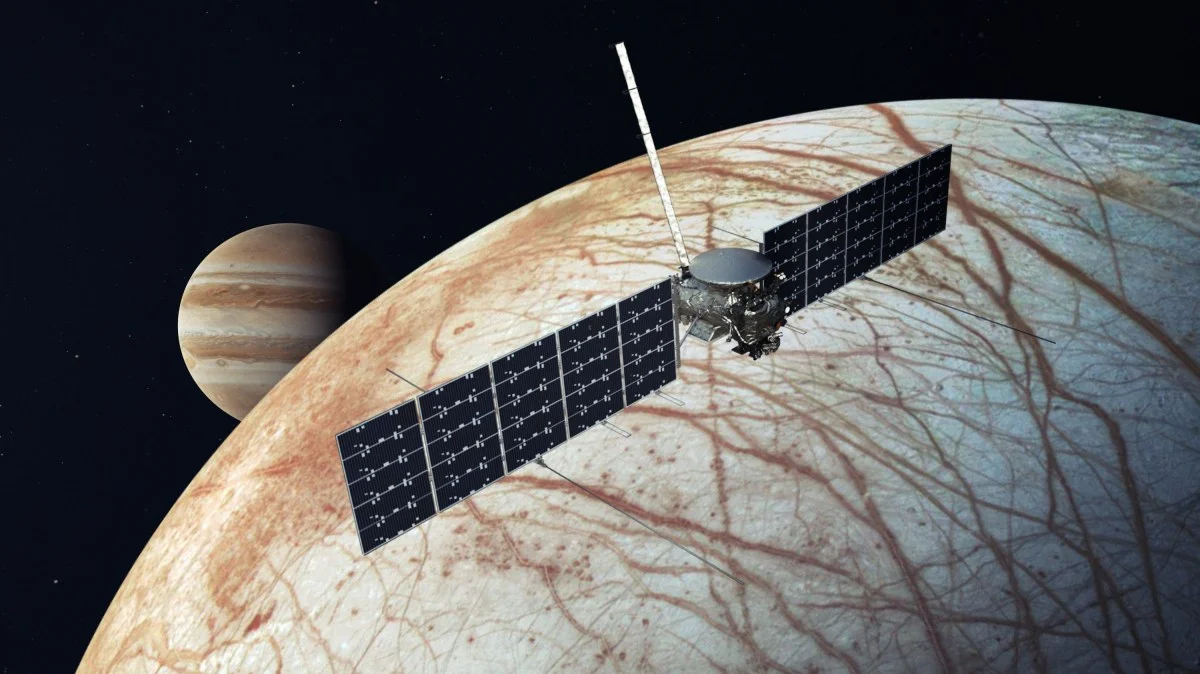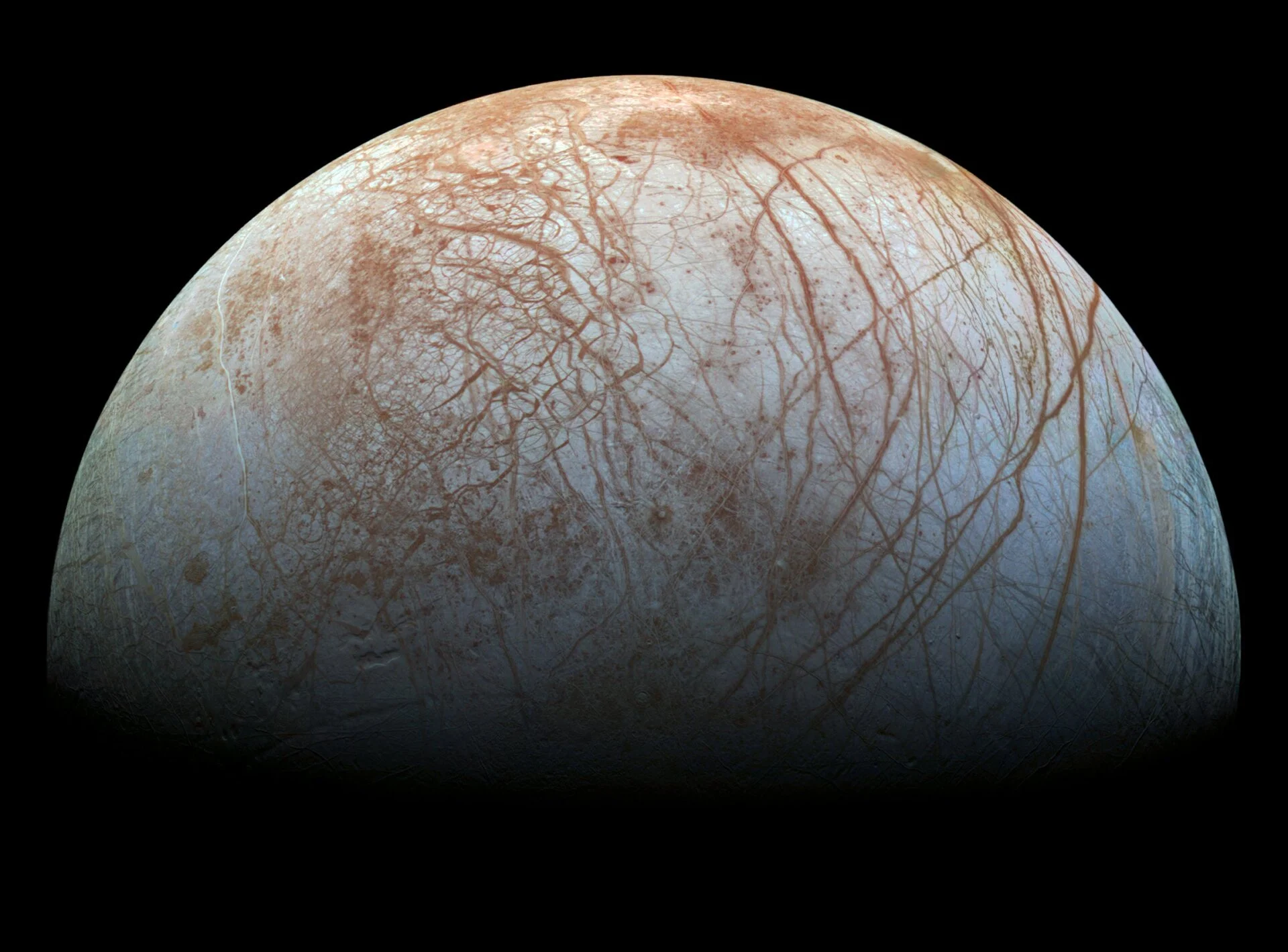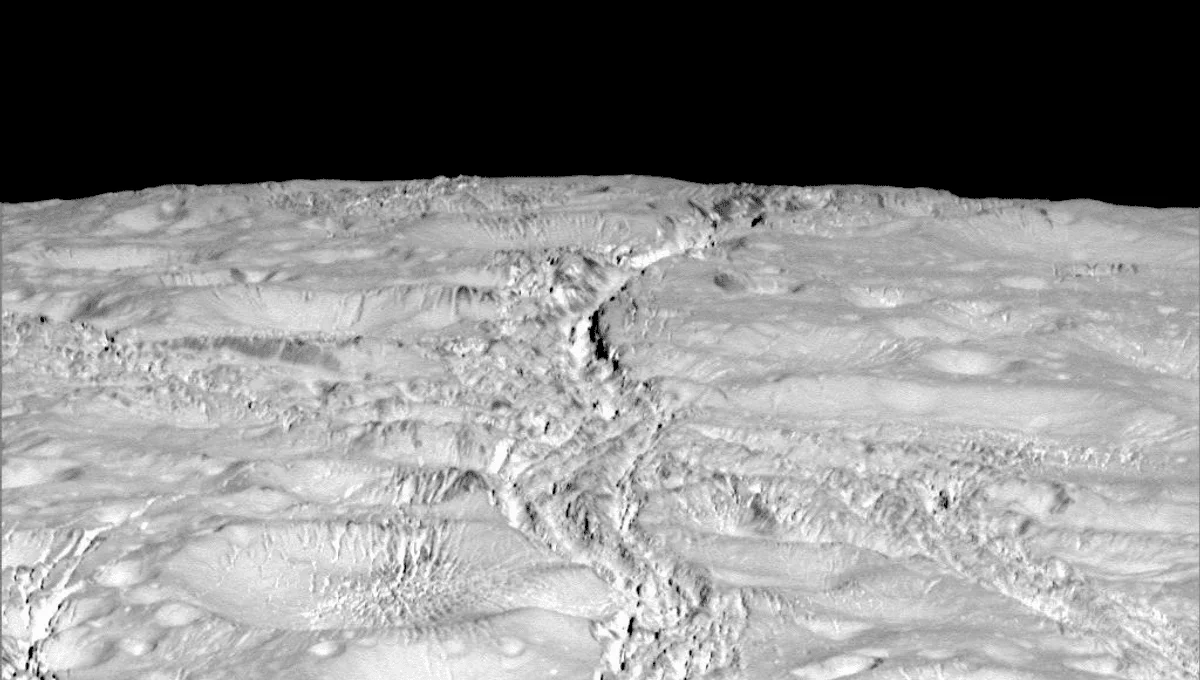
A recent study suggests that the search for life on Europa, a moon of Jupiter with a subsurface ocean, may be futile due to lack of sufficient internal heat and tectonic activity, casting doubt on the presence of habitable conditions despite upcoming missions like NASA's Europa Clipper and ESA's Juice.
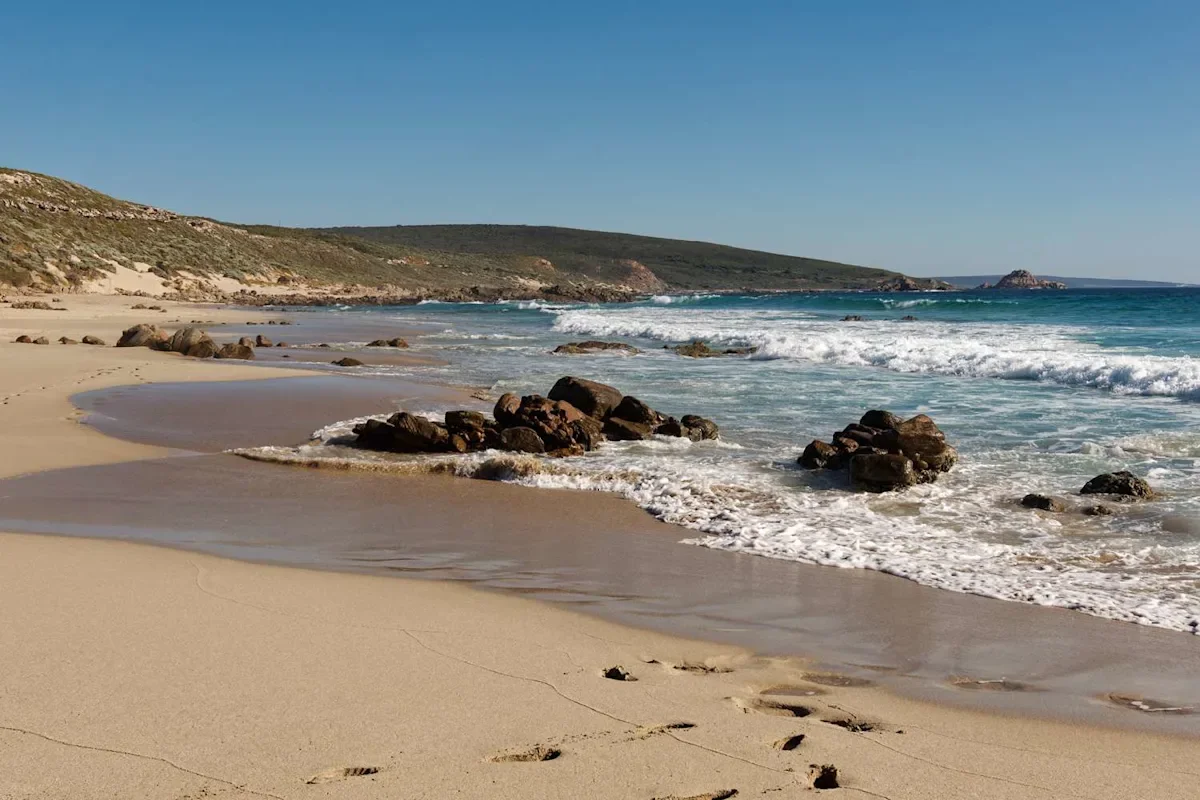
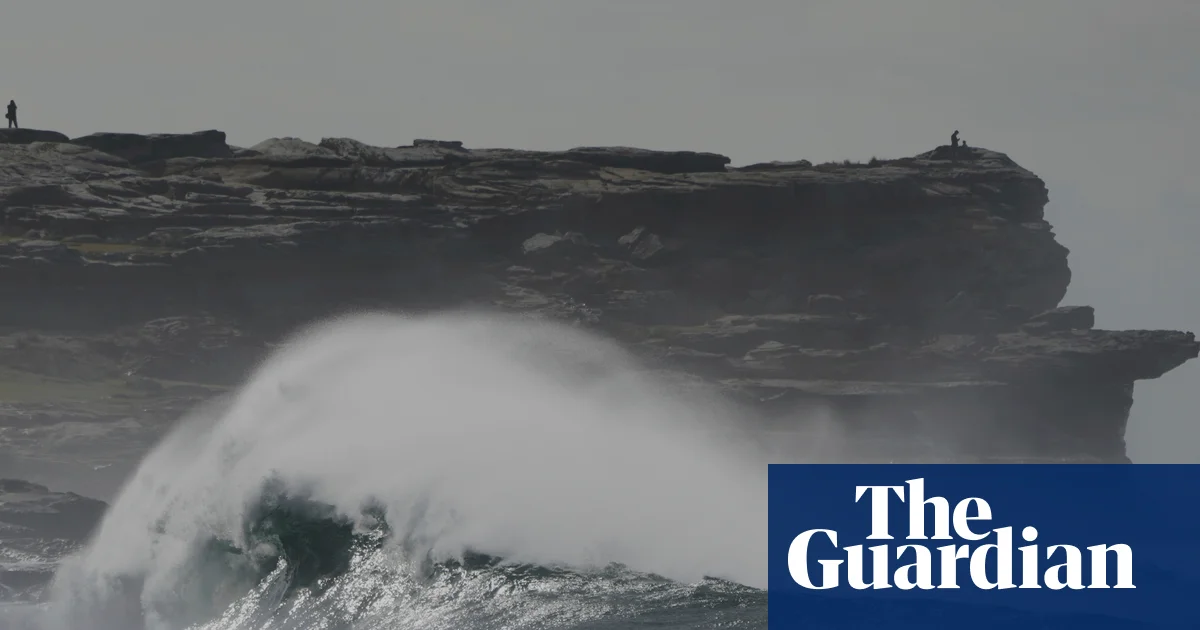
A woman drowned after being swept into the ocean at Sydney's Maroubra Beach on New Year's Day amid dangerous surf conditions, which also led to a missing swimmer at Coogee Beach and multiple rescue operations along the NSW coast, prompting warnings to stay out of the water due to hazardous conditions.
Scientists propose that radioactive elements seeping from Europa's rocks into its subsurface ocean could generate enough energy to support microbial life, offering an alternative to internal heat as a source of habitability. The upcoming NASA Europa Clipper mission may test this theory, which is inspired by Earth's chemosynthetic ecosystems.
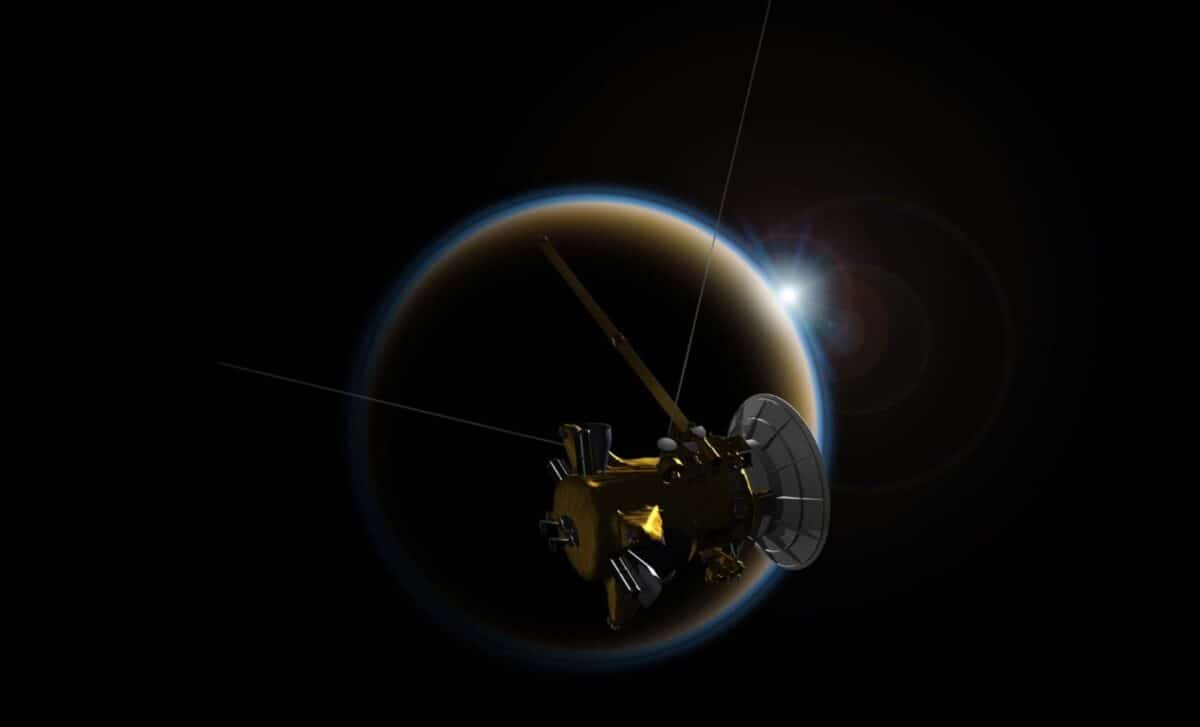
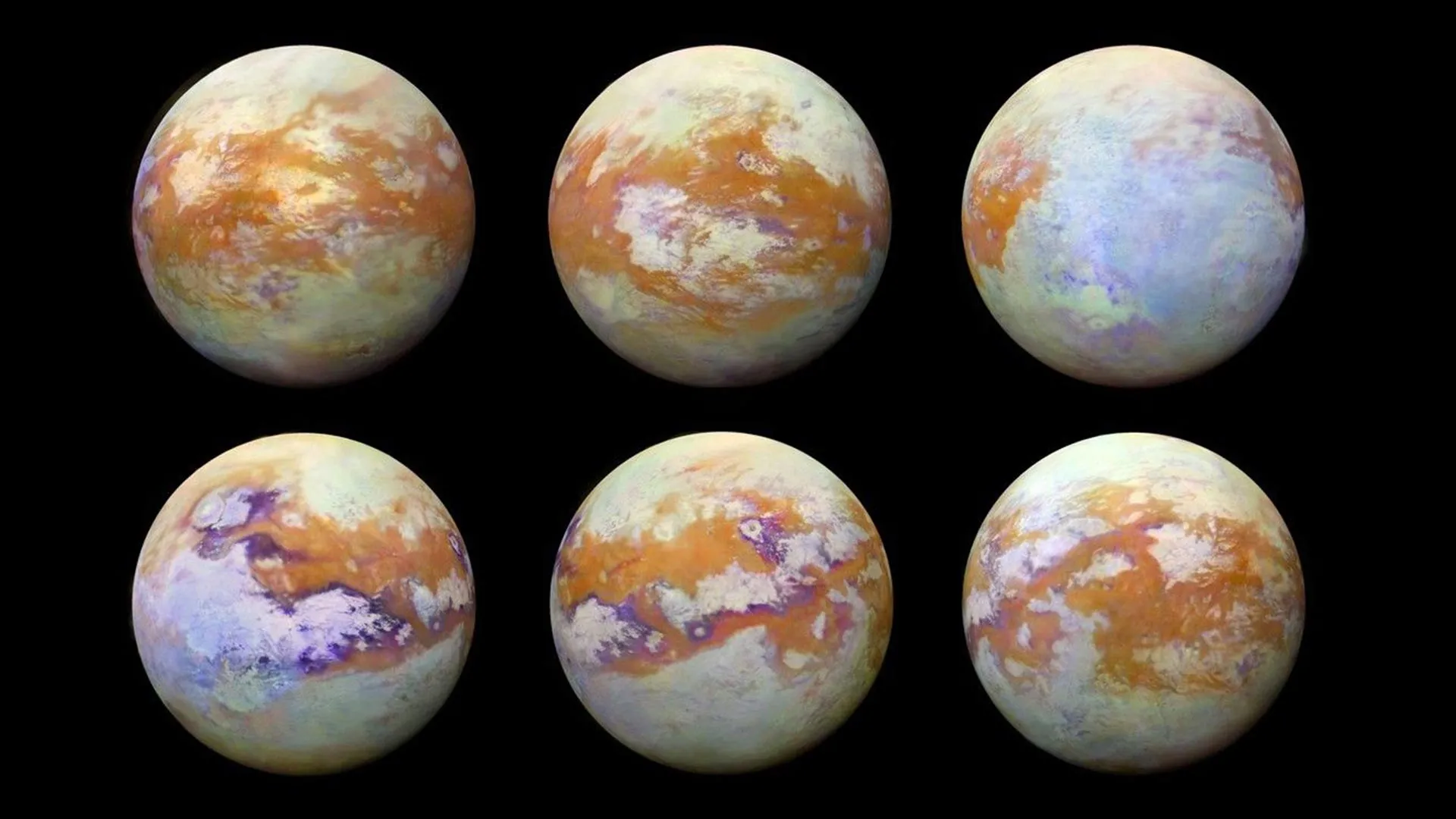
Recent analysis of NASA's Cassini data suggests that Saturn's moon Titan does not have a global subsurface ocean but instead has a slushy, semi-solid interior with potential pockets of liquid water near its core, altering previous beliefs about its habitability.
New analysis of data from NASA's Cassini mission suggests that Titan, Saturn's largest moon, likely does not have a deep liquid water ocean beneath its surface as previously thought. Instead, it probably contains a thick, slushy layer of ice and water, which could still support some forms of life in isolated pockets of liquid water, potentially improving the prospects for habitability. These findings will influence future missions like NASA's Dragonfly and our understanding of icy worlds.
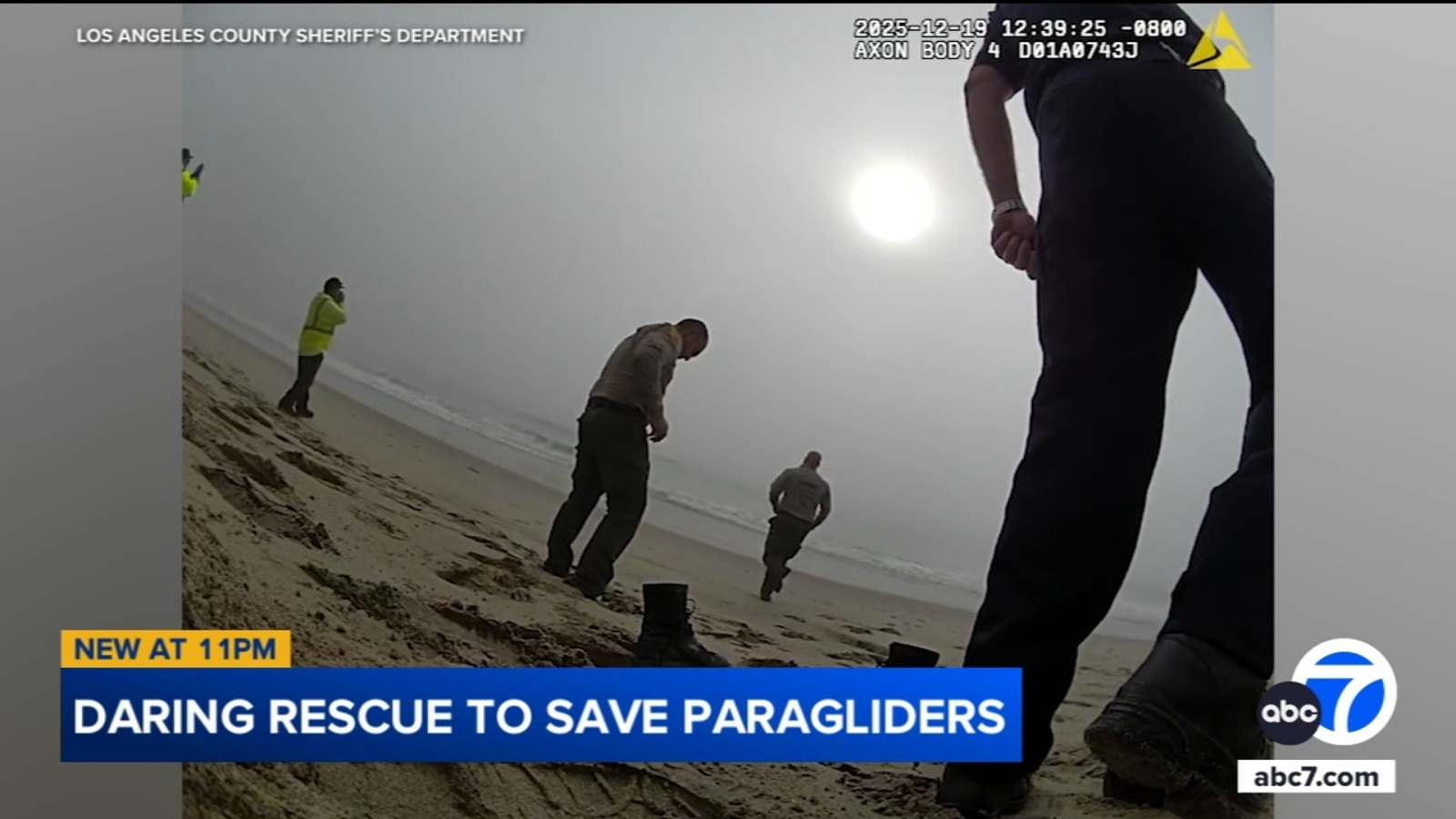
Two paragliders crashed into the ocean off Malibu after getting lost in fog, but two sheriff's deputies heroically rescued them, cutting cords and ensuring their safety without injuries.
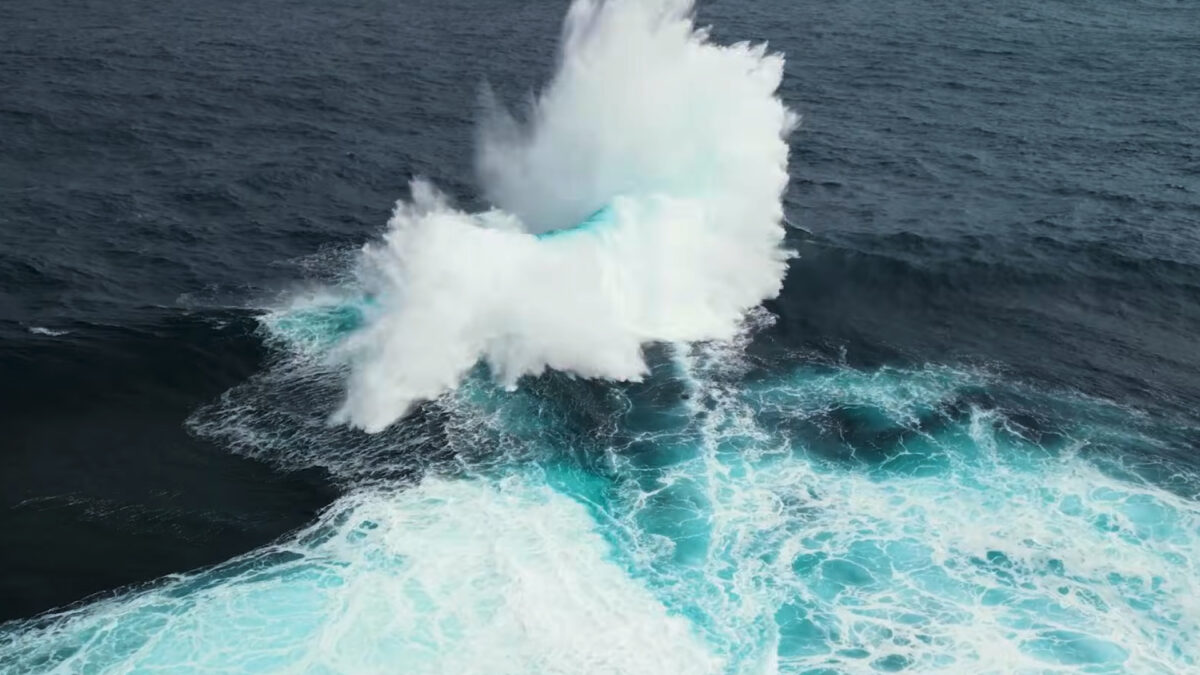
Australian surfers captured a recurring and mysterious ocean 'glitch' involving a vortex and a towering saltwater pillar, which remains unexplained and is considered a rare, spectacular natural phenomenon.
Reanalysis of NASA's Cassini data suggests Saturn's moon Titan may not have a global water ocean but instead has a layered interior of ice and slush with pockets of liquid water, which could still support life. The study highlights the importance of archival data and advanced analysis techniques, with future missions like NASA's Dragonfly expected to provide more insights.
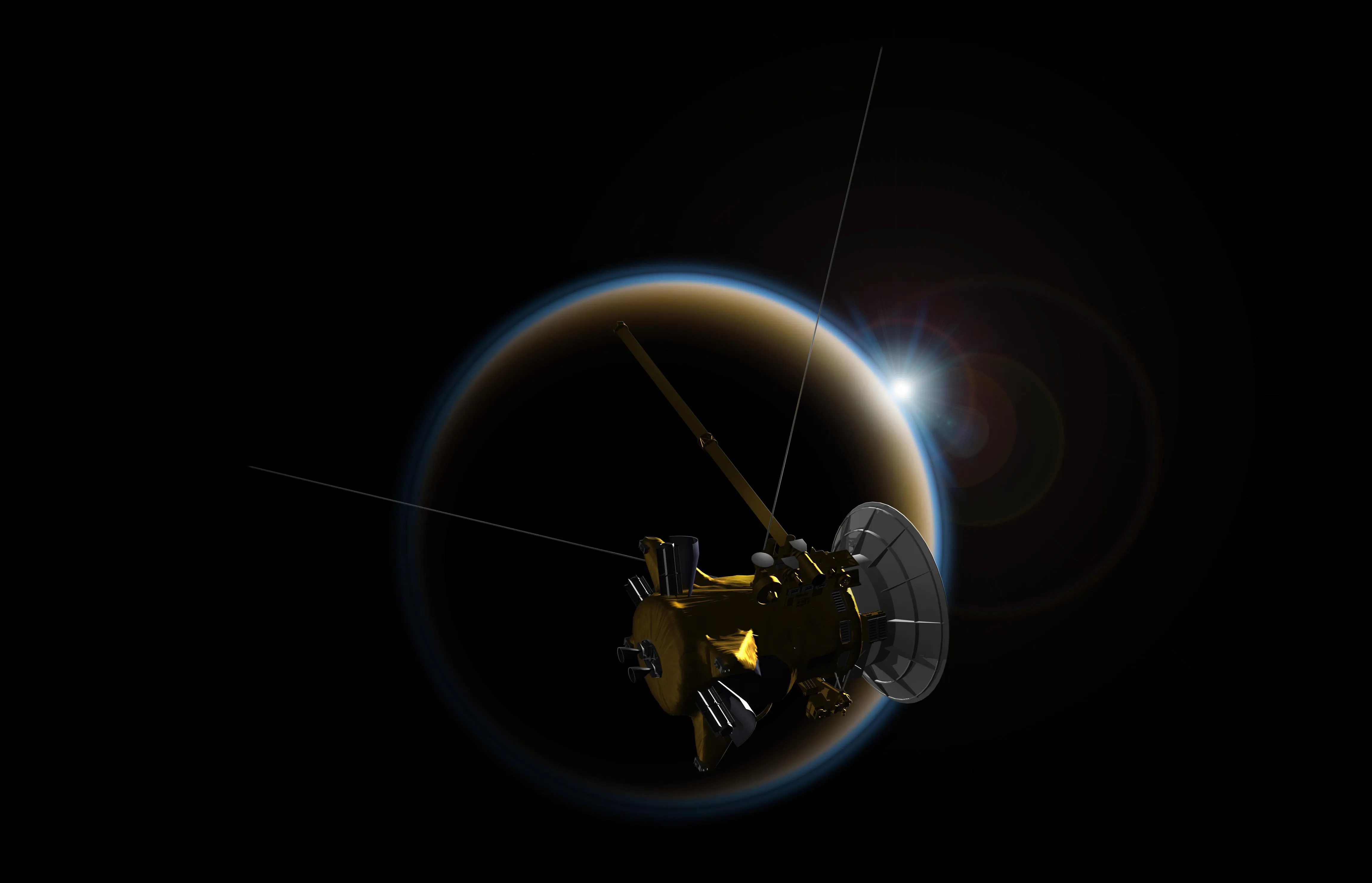
Reanalysis of Cassini data shows heat escaping from both poles of Saturn's moon Enceladus, suggesting its subsurface ocean is in long-term thermal balance, which increases the likelihood that it is an ancient, sustainable environment capable of supporting life.
NASA's analysis of data from the Cassini spacecraft reveals that Saturn's moon Enceladus is emitting heat from both its north and south poles, indicating a stable, long-lasting underground ocean that could support life, with implications for future exploration.
A spring called Pythia’s Oasis has been discovered off the Pacific Northwest coast, leaking water from beneath the seafloor through the Cascadia Subduction Zone, which could influence earthquake risk by acting as a lubricant between tectonic plates. Monitoring this leak is crucial for understanding and preparing for potential large earthquakes in the region.
Research suggests Saturn's moon Mimas may have a young, buried subsurface ocean, formed by gravitational interactions with Saturn that generate heat, with evidence from crust thickness and crater analysis supporting this possibility. Future missions could potentially detect this ocean by measuring heat flow beneath the ice shell.
Scientists have discovered an alarming increase in methane seeps beneath the Antarctic seabed, which could significantly contribute to global warming and indicate a potential feedback loop, raising concerns about underestimated climate change impacts.
A recent study suggests that Uranus's moon Ariel likely has a deep, hidden ocean up to 100 miles beneath its icy surface, formed by tidal flexing and orbital eccentricity, which caused fractures and resurfacing, and may have frozen over in the past billion years. The presence of ammonia and surface features support the idea of a subsurface ocean, making Ariel a potential ocean world worth further exploration.