In 1991, a couple had sex inside an MRI machine to study body responses, leading to important insights about vaginal shape and challenging long-held beliefs, and their images became influential in medical research.
Researchers at Duke University have developed an AI framework that simplifies complex dynamic systems into understandable rules, aiding scientific discovery across various fields by identifying key variables and stable states, and extending the capabilities of traditional physics-based models.
Scientists have discovered a link between tinnitus and sleep, suggesting that the condition may impact sleep quality or be influenced by sleep patterns.
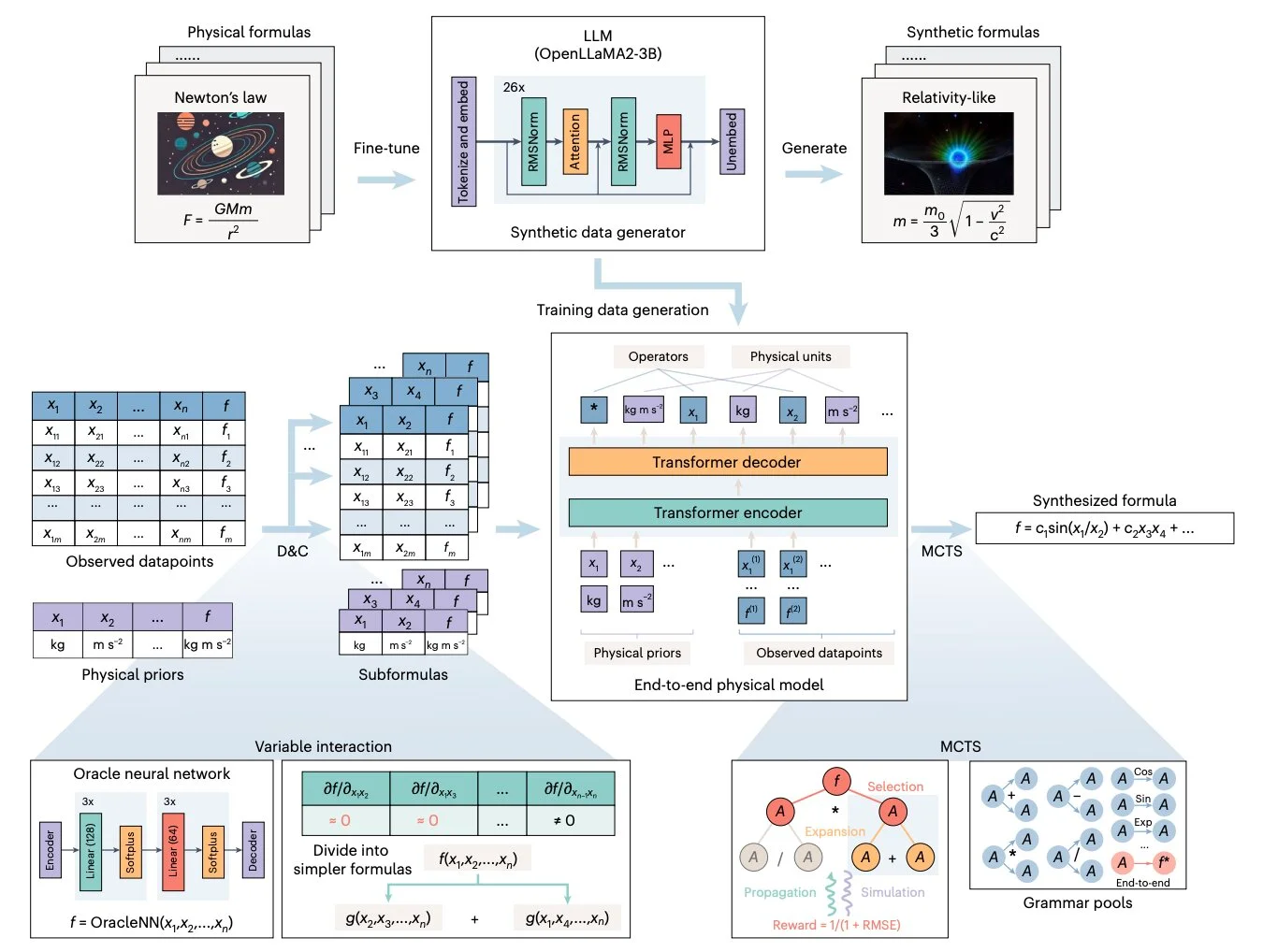
Researchers have developed PhyE2E, an AI framework that automatically derives symbolic physical equations from raw data, successfully applied to space physics data, matching or surpassing human-derived formulas, and promising broader applications in scientific discovery.
NVIDIA and Oracle are collaborating to build the US Department of Energy's largest AI supercomputer at Argonne National Laboratory, featuring 100,000 NVIDIA Blackwell GPUs, to accelerate scientific research and innovation across various fields.
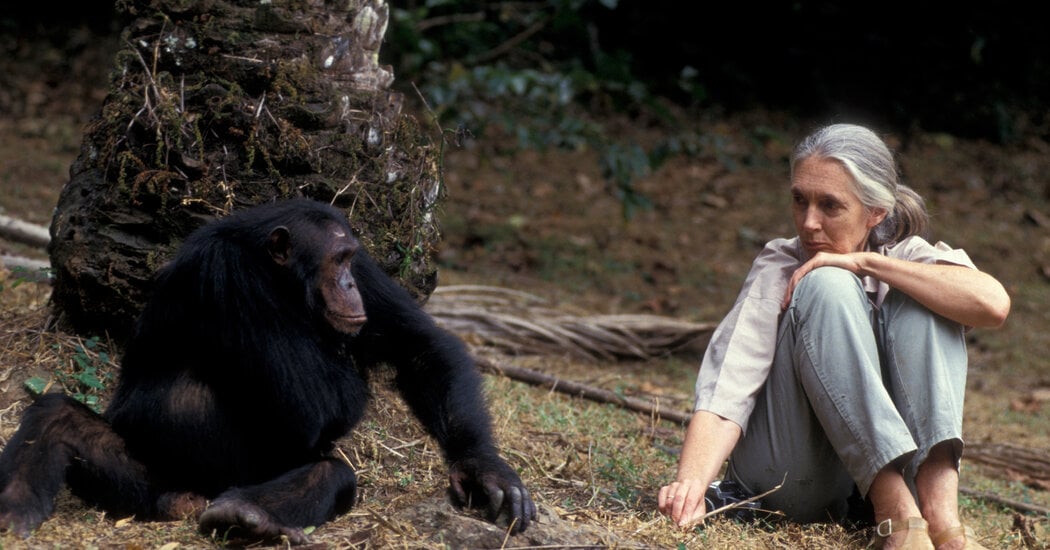
Jane Goodall, renowned for her groundbreaking research on wild chimpanzees and her conservation efforts, passed away at the age of 86. Her pioneering work in Tanzania in the 1960s revealed that chimpanzees use tools, challenging previous notions of human uniqueness and profoundly influencing our understanding of animal behavior and human evolution.
Periodic Labs, founded by former OpenAI and DeepMind researchers, has raised $300 million in seed funding to develop autonomous laboratories that use AI to automate scientific discovery, starting with inventing new superconductors and collecting data to accelerate materials research.
A century-old chemistry rule called Bredt's rule has been proven false by UCLA chemists who successfully created molecules previously thought impossible, opening new avenues for drug development and challenging the notion of absolute scientific rules. The discovery highlights the importance of questioning established knowledge and demonstrates that exceptions can lead to significant advancements.
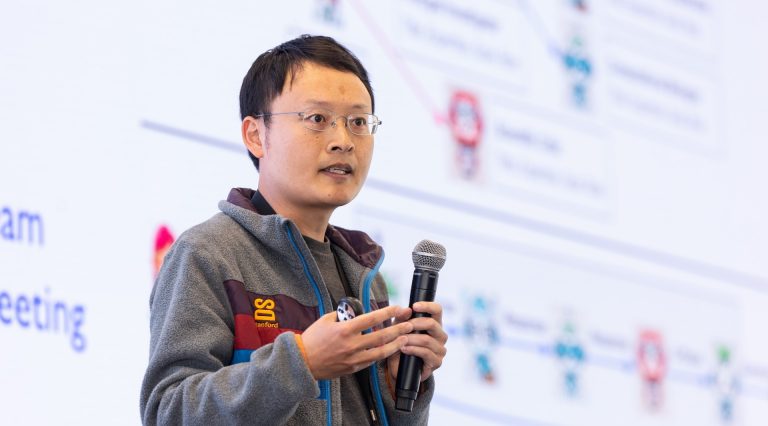
Researchers at Stanford have developed AI-driven virtual labs with virtual scientists to accelerate complex biological research, demonstrated by designing nanobodies for COVID-19 variants, which could revolutionize scientific collaboration and problem-solving.
AI is revolutionizing scientific discovery by drastically reducing the time needed to solve complex equations in physics, chemistry, and climate science, enabling faster research and innovation across multiple fields.
Betül Kaçar, a biochemist turned evolutionary biologist, is pioneering research in resurrecting ancient life forms, a risky and groundbreaking scientific endeavor highlighted in the podcast series 'The Leap' which profiles scientists pushing the boundaries of discovery.
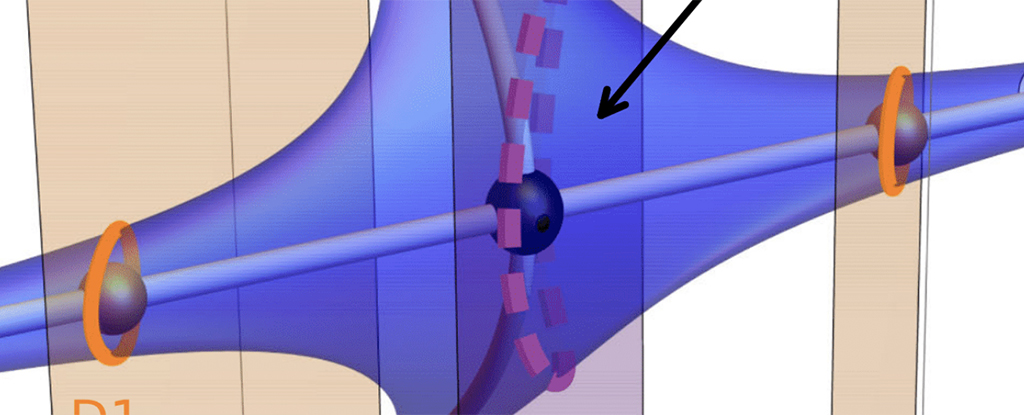
Scientists have discovered a quasiparticle, known as a semi-Dirac fermion, that exhibits mass only when moving in one direction, a phenomenon first theorized 16 years ago. This discovery, made in a ZrSiS semi-metal crystal under extreme conditions, challenges conventional physics and could impact fields like quantum physics and electronic sensors. The research, published in Physical Review X, highlights the need for further exploration to fully understand the implications of this unique quasiparticle.
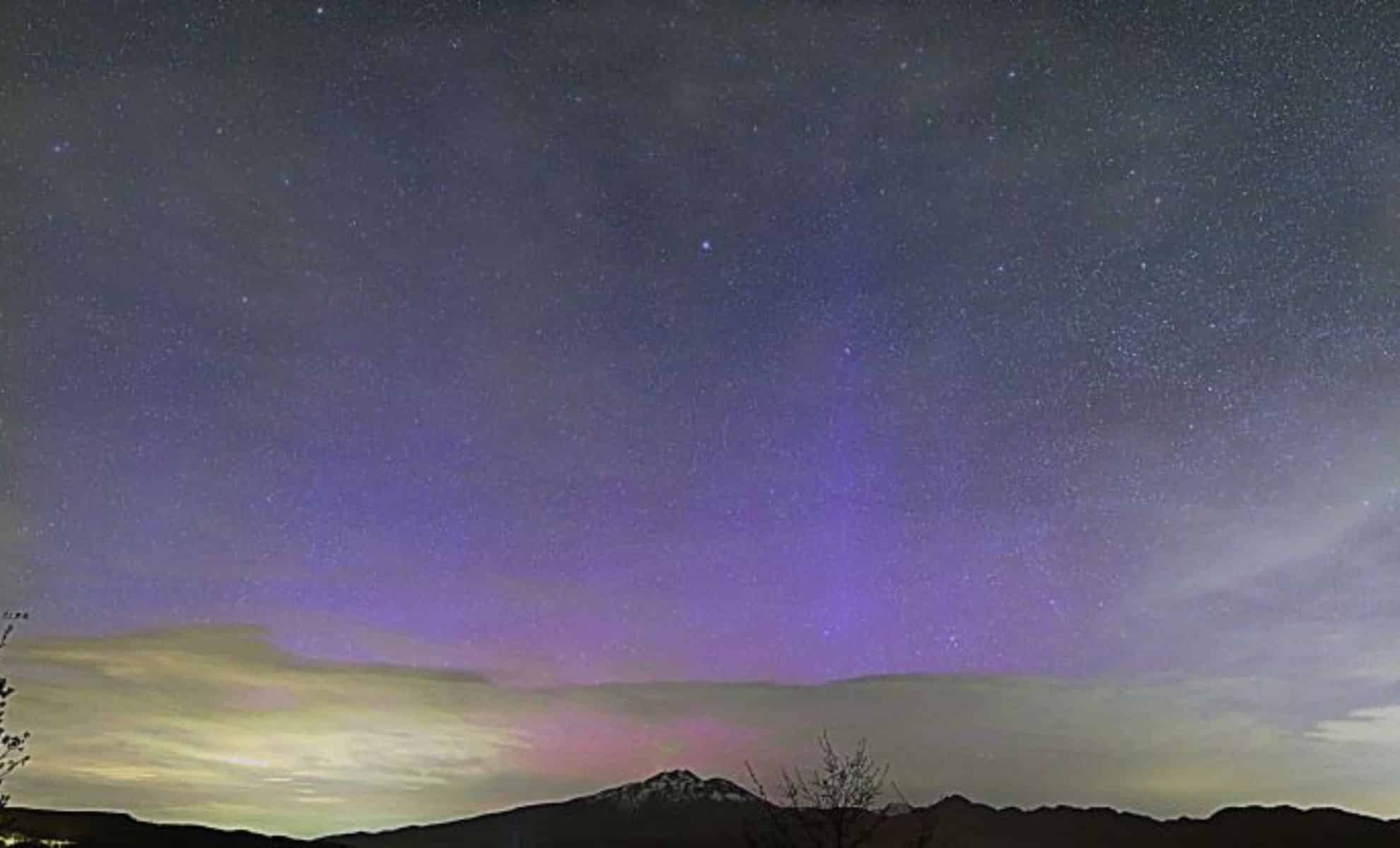
In May 2024, an unusual blue aurora appeared over Japan, challenging existing theories of auroral formation. Unlike typical green or red auroras, these blue auroras occurred at altitudes between 400 and 900 km, much higher than usual. Researchers suggest nitrogen molecular ions may be responsible, indicating a potential new atmospheric process. This phenomenon, which does not align with traditional auroral models, raises questions about unidentified mechanisms in Earth's upper atmosphere.
David Hole discovered a heavy rock in Maryborough Regional Park, Australia, in 2015, initially believing it to be a gold nugget. After years of unsuccessful attempts to break it open, he took it to the Melbourne Museum, where geologists identified it as a rare 17-kilogram meteorite, named the Maryborough meteorite. This meteorite, an H5 ordinary chondrite, is scientifically invaluable, offering insights into the early Solar System and potentially containing "stardust" older than the Solar System itself. Its discovery is significant, being only the 17th meteorite found in Victoria, Australia.
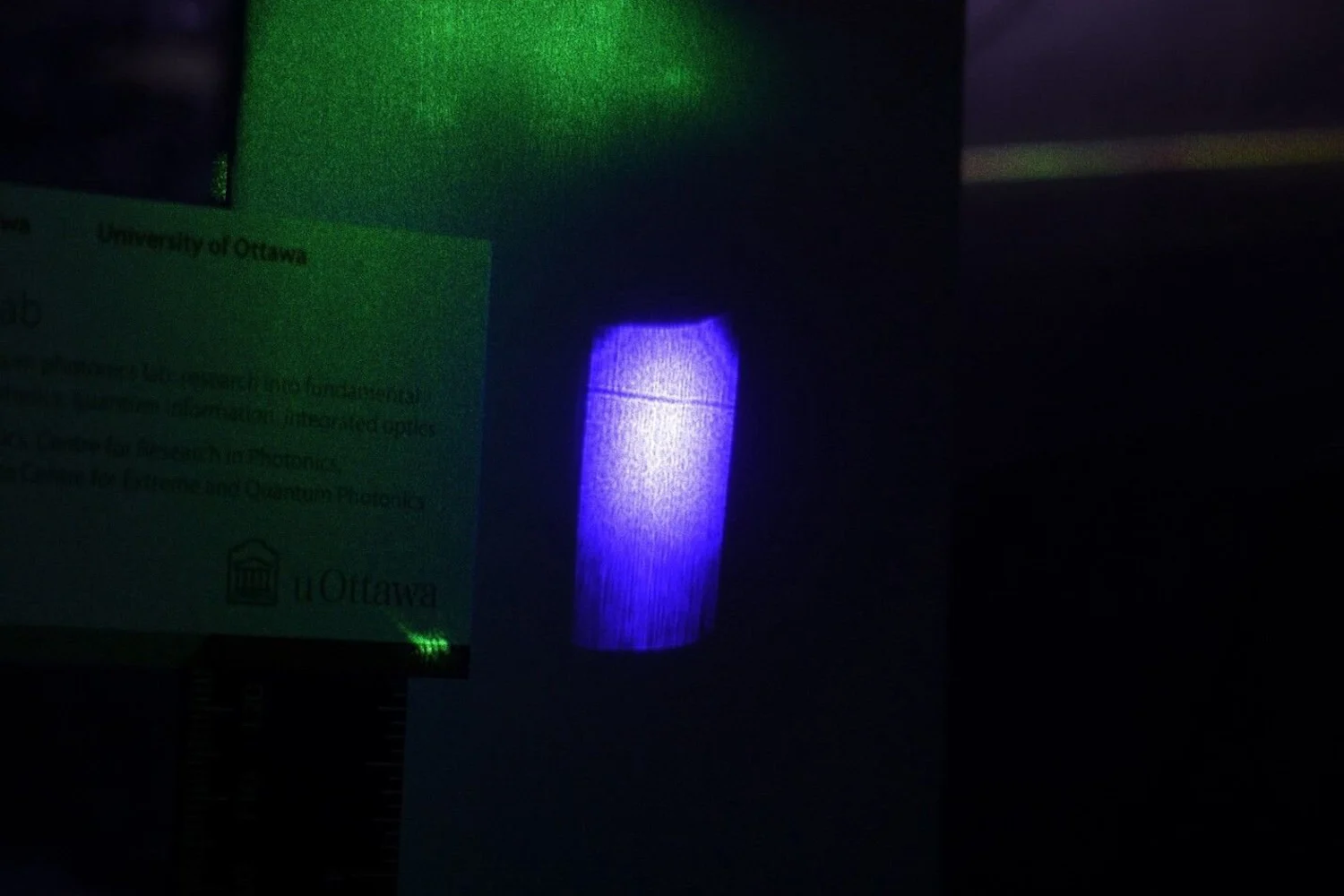
Scientists have demonstrated that lasers can cast shadows, a phenomenon previously thought impossible, by using a green laser to block a blue laser in a ruby crystal. This discovery, published in Optica, challenges traditional notions of shadows and could impact technologies using lasers, like fiber optics. The experiment raises questions about whether the shadow is cast by the laser itself or the ruby crystal, expanding possibilities for laser control.