Recent research shows that scented candles emit harmful nanoparticles and volatile organic compounds (VOCs) that pollute indoor air, potentially causing health issues like respiratory problems, hormone disruption, and chronic diseases. Even natural or 'green' candles release toxins, and indoor pollution from these products can accumulate in poorly ventilated homes, posing particular risks to children and pets. To reduce exposure, it's recommended to ventilate spaces and opt for unscented, natural wax candles like beeswax.
A study suggests that volatile organic compounds in earwax could serve as early indicators of Parkinson's disease, with an AI system achieving over 94% accuracy in identifying affected individuals, potentially leading to simpler, earlier diagnosis methods.
Researchers in China found that earwax contains specific volatile organic compounds (VOCs) that differ in people with Parkinson's disease, suggesting earwax could be used as a non-invasive, accessible diagnostic indicator for early detection of the condition, which affects 10 million globally. The study demonstrated a 94% accuracy in categorizing Parkinson's status using VOC data, highlighting the potential for a simple test to identify at-risk individuals before severe symptoms develop.
A study by Southwest Research Institute and the EPA reveals that common household items, such as upholstery and fabrics, can emit volatile organic compounds (VOCs) under certain conditions, posing potential health risks. Using advanced methods like machine learning and ToxCast data, researchers identified numerous chemical features and assessed their exposure risks. The study, published in Environmental Science & Technology, aims to advance exposomics and improve understanding of chemical exposure from consumer products.
Neo Px, a bioengineered plant developed by French startup Neoplants, can purify indoor air at a scale equivalent to 30 regular houseplants. It uses a symbiotic system where bacteria colonize the plant's roots, soil, and leaves to absorb harmful volatile organic compounds (VOCs). The plant, sold in the U.S. for $120, aims to address indoor air pollution, which can be significantly more polluted than outdoor air due to VOCs from household products. Future plans include genetically modified plants for direct air purification and tackling global warming issues.
Our bodies emit hundreds of volatile organic compounds (VOCs) through breath, skin, urine, and feces, which can provide valuable insights into our health. These VOCs can reveal information about various diseases, including Parkinson's, diabetes, and liver failure. Research suggests that analyzing VOC profiles could lead to the development of diagnostic tools for a wide range of health conditions. Additionally, VOCs play a role in communication among organisms and may offer clues about human traits such as aging, nutrition, fertility, and stress levels.
Japanese researchers have captured real-time footage of plants transmitting defense responses to their neighbors, marking a groundbreaking discovery in plant communication. The study observed undamaged plants responding to volatile organic compounds (VOCs) emitted by neighboring plants experiencing mechanical damage or insect attacks, shedding light on the intricate ways plants communicate to protect themselves from environmental threats. This research broadens our understanding of ecological relationships and plant defense mechanisms, highlighting the complex and subtle interactions within the plant kingdom.
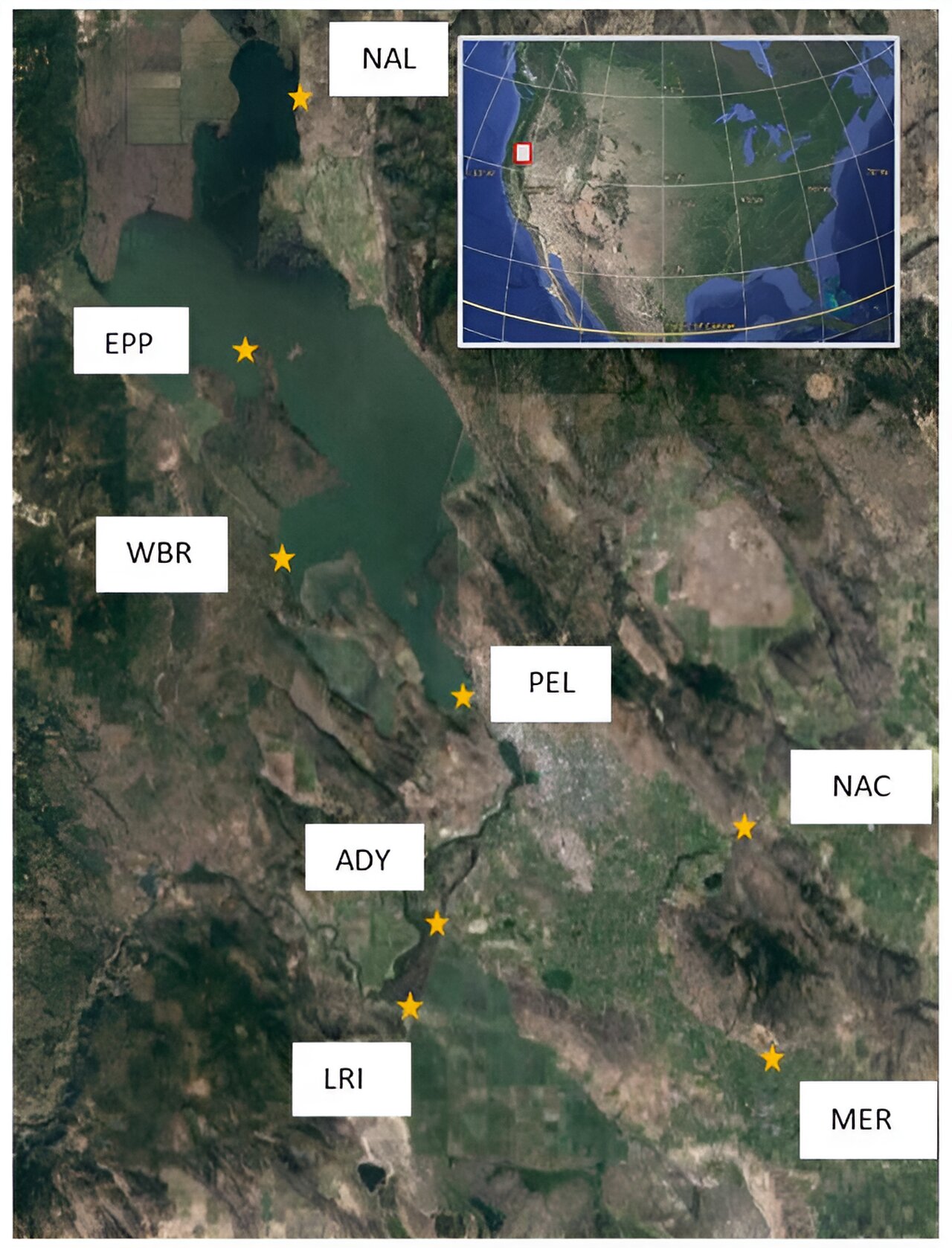
Researchers at Oregon State University have developed a new technique for monitoring toxic algae blooms by "sniffing" the water for gases associated with toxins. They found that certain combinations of volatile organic compounds (VOCs) released by algae can serve as indicators for microcystin, a toxin produced during blooms of cyanobacteria. This method is more cost-effective and has broader implications compared to current monitoring methods. The research demonstrates the potential of VOCs in monitoring critical waterways and predicting the start and end of toxicity within a bloom event.
Haze from Canadian wildfires has caused unhealthy air quality in West Virginia, with some residents reporting a strange smell resembling chemicals or plastic. While wood fires emit volatile organic compounds (VOCs) that create a campfire smell, these compounds break down when exposed to sunlight. However, VOCs like benzene, formaldehyde, and acrolein, which are released by the fires, break down more slowly and are likely responsible for the plastic-like odor. The smell can persist for a few days after the fire. The Midwest region, including New York and Minnesota, has also been affected by the Canadian wildfire smoke.
Residents in western Pennsylvania are reporting a burning plastic smell as smoke from Canadian wildfires blankets the area. However, the smell is not caused by actual burning plastic but rather by volatile organic compounds (VOCs) in the smoke interacting with UV radiation from the sun. This chemical reaction produces toxic compounds like benzene and formaldehyde, which can have adverse effects on human and animal health. The smoke is causing harmful air quality in the region, with Pennsylvania and other states expected to experience several days of smoky skies.
A recent study published in the ACS’ Environmental Science & Technology journal reveals that alcohols in windshield washer fluid contribute more significantly to vehicle emissions than previously thought. This holds true even with the increased adoption of electric vehicles, suggesting the need for future regulatory policies to address such non-fuel-derived pollutants. The study found that the release of two alcohols, ethanol, and methanol, was nearly twice the amount of all VOCs released in exhaust. The researchers say that this finding has implications for future regulatory policy, especially as drivers transition to electric vehicles, which may have fewer emissions from fuels but will still need clean windshields.
Scientists from the University of California, Davis, and SensIT Ventures have developed a new method for determining the sex of fertilized chicken eggs by "sniffing" chemicals released through the shell. Using a modified version of a commercial egg-handling suction cup, the researchers were able to accurately determine the sex of the embryos 80% of the time after only eight days of incubation and using just 2 minutes of sampling. This method holds promise for developing a practical and efficient way to determine the sex of embryos and address some of the challenges faced by the poultry industry.
French biotech company Neoplants has introduced genetically-engineered pothos plants that can metabolize indoor air pollutants often missed by traditional air purifiers. The plant, called Neo P1, has been modified to absorb volatile organic compounds (VOCs) and transform toxic substances into life-supporting amino acids and sugars. The company claims that Neo P1 is equivalent to up to 30 regular houseplants in terms of air purification. The plant comes in its own specially-designed potting soil that has been enhanced by biochar and supplements called Power Drops. Field tests outside a lab setting are on the horizon.
A new study published in the journal PLOS ONE suggests that different species of Sarracenia pitcher plants, which eat different kinds of insects, may attract their prey with different scents. The study found that the different pitcher plant species each produced their own unique bouquet of volatile organic compounds (VOCs), which are responsible for the plants' odors. The species that produced more floral scents trapped more bees, moths, and other flying insects, while pitchers that produced more fatty acids caught more ants. The study provides compelling evidence that pitcher plants' scents, along with their physical structures, influence the insects they're able to catch.