
Bird Flu Devastates Hickman’s Arizona Chicken Farms
Bird flu has infected Hickman Farms, leading to the death of 6 million chickens and layoffs, highlighting a serious outbreak in local egg production facilities.

All articles tagged with #egg production
Bird flu has infected Hickman Farms, leading to the death of 6 million chickens and layoffs, highlighting a serious outbreak in local egg production facilities.

Researchers at Penn State discovered that the diabetes drug metformin can increase egg production and improve reproductive health in aging hens by altering liver gene expression, potentially benefiting sustainable poultry farming without risking human food safety.
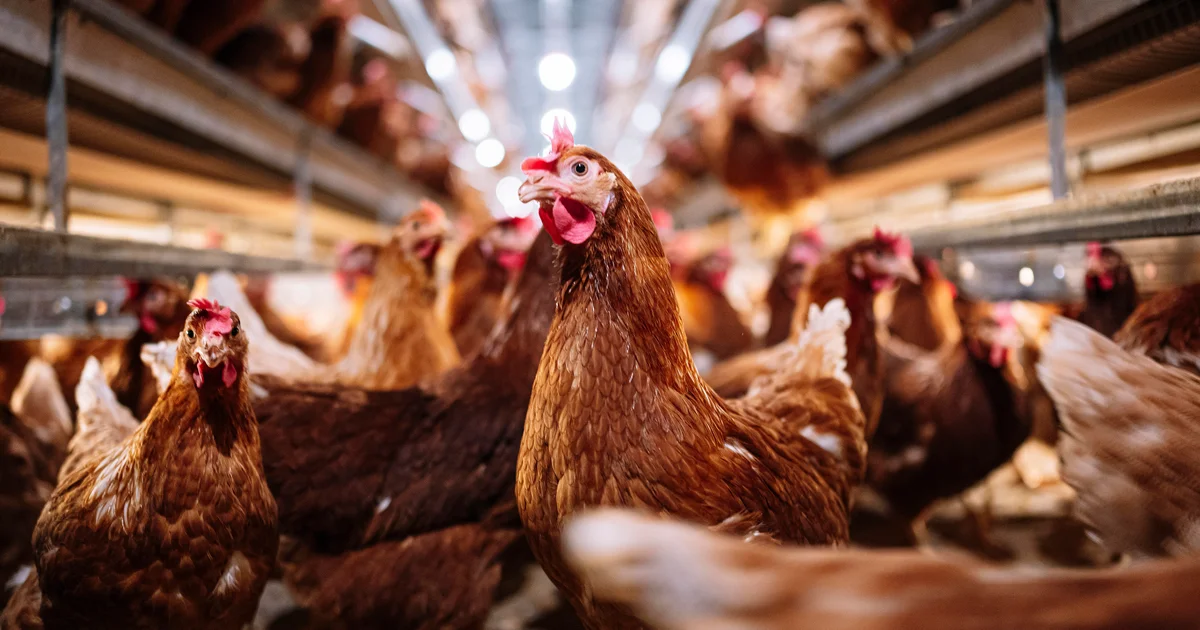
Over 4 million egg-laying chickens in Sioux County, Iowa, will be culled after officials detected a highly pathogenic avian influenza outbreak. This marks the largest flock impacted by bird flu in the U.S. this year. The outbreak has led to a disaster proclamation for the county and raises concerns about egg supplies for bird flu vaccines.
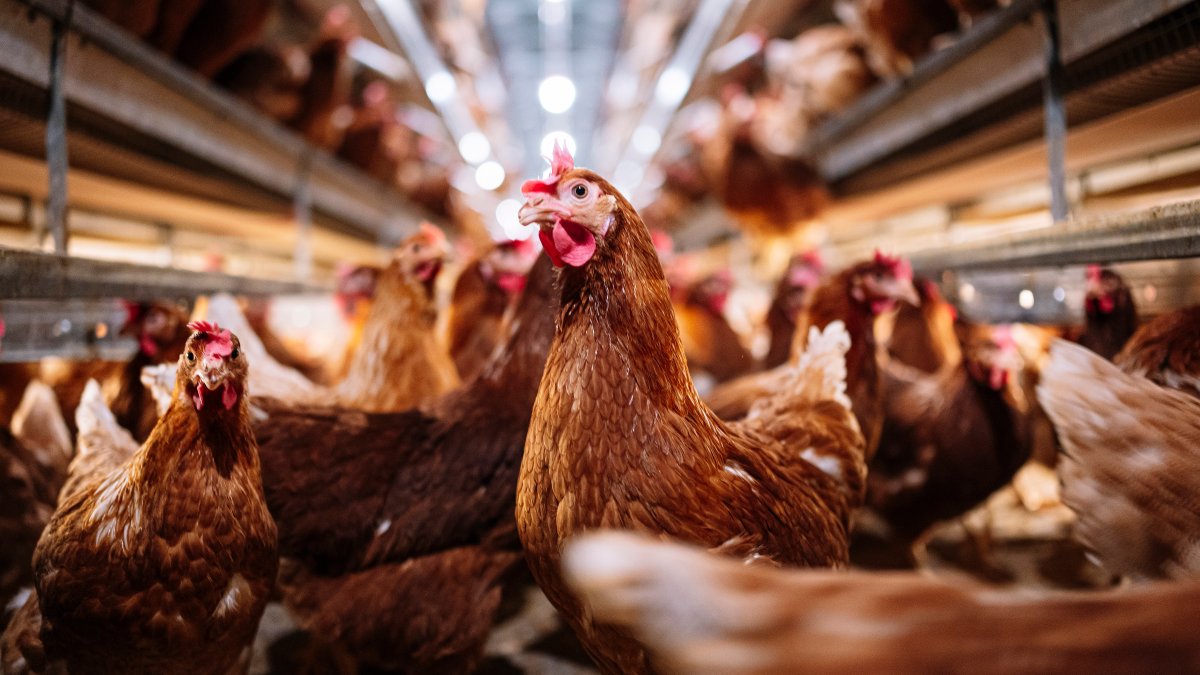
Cal-Maine Foods, the largest US fresh egg producer, has halted production at a Texas plant after bird flu was found in chickens, resulting in the destruction of approximately 1.6 million laying hens and 337,000 pullets. The company is working with government officials and industry groups to mitigate future outbreaks and minimize disruption to customers. There is no known bird flu risk associated with eggs currently in the market, and state and national agencies are providing updated guidance. Additionally, a person in Texas has been diagnosed with bird flu after contact with infected cows, marking the first known instance of a person catching this version of bird flu from a mammal.

Herbruck's Poultry Ranch, Michigan's largest egg producer, has been hit by a highly contagious and deadly avian flu, marking the fourth commercial poultry farm in the state to be infected in 2022.

Scientists from the University of California, Davis, and SensIT Ventures have developed a new method for determining the sex of fertilized chicken eggs by "sniffing" chemicals released through the shell. Using a modified version of a commercial egg-handling suction cup, the researchers were able to accurately determine the sex of the embryos 80% of the time after only eight days of incubation and using just 2 minutes of sampling. This method holds promise for developing a practical and efficient way to determine the sex of embryos and address some of the challenges faced by the poultry industry.