
Innovative Approach Detects and Tracks Toxic Algae Blooms in Tampa Bay
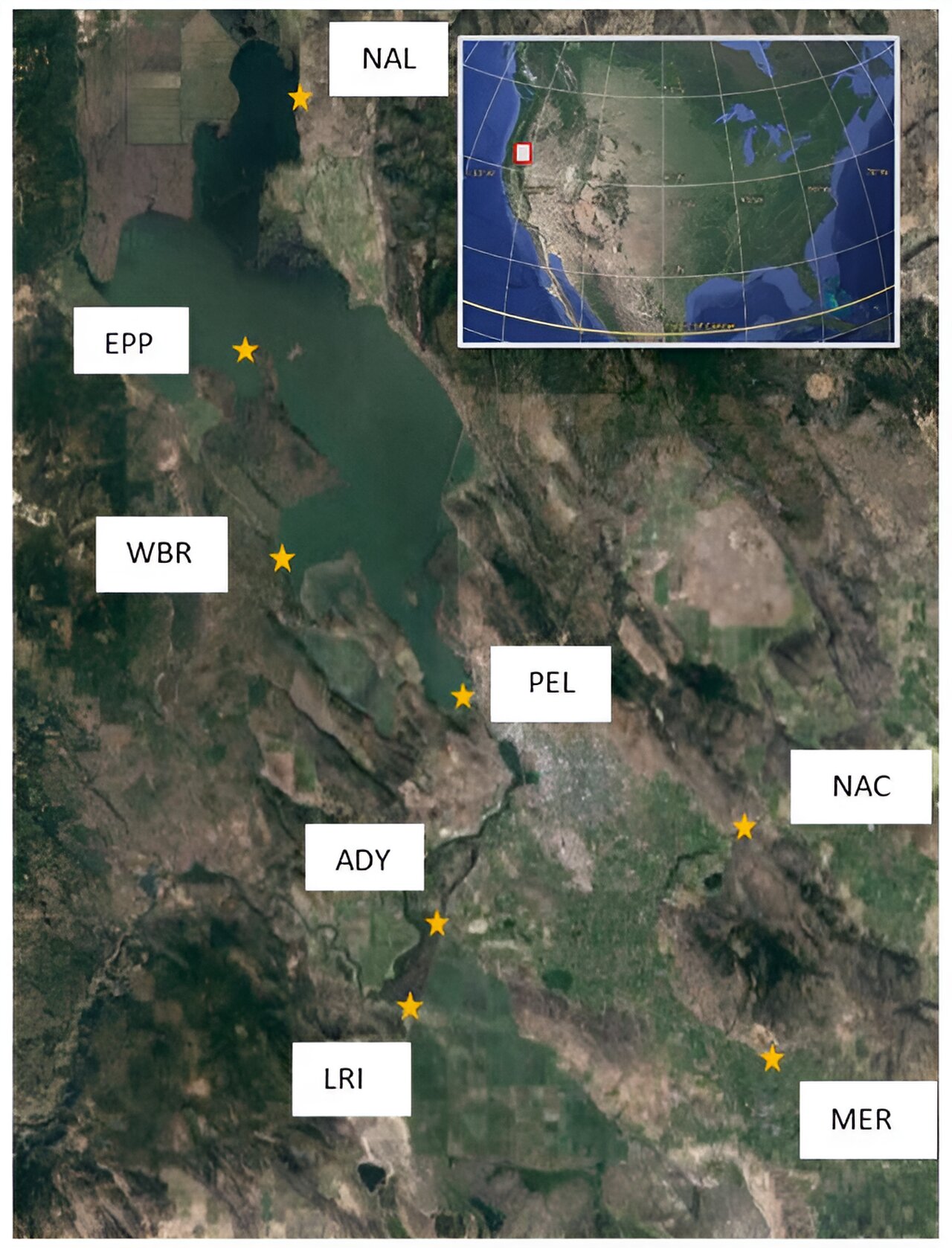
Researchers at Oregon State University have developed a new technique for monitoring toxic algae blooms by "sniffing" the water for gases associated with toxins. They found that certain combinations of volatile organic compounds (VOCs) released by algae can serve as indicators for microcystin, a toxin produced during blooms of cyanobacteria. This method is more cost-effective and has broader implications compared to current monitoring methods. The research demonstrates the potential of VOCs in monitoring critical waterways and predicting the start and end of toxicity within a bloom event.