Tag

Indoor Air Pollution

All articles tagged with #indoor air pollution

Indoor Air Pollution Risks from Wood-Burning Fires and Home Pollution

Originally Published 17 days ago — by The Guardian

Featured image for Indoor Air Pollution Risks from Wood-Burning Fires and Home Pollution
Source: The Guardian

A study reveals that indoor activities like wood burning and cooking significantly contribute to indoor air pollution, which can pose health risks, especially during holiday seasons when people spend more time at home. Simple measures such as improving ventilation, careful stove management, and using exhaust fans can help reduce exposure to harmful pollutants.


Home Appliances Release Trillions of Harmful Particles, Study Shows

Originally Published 25 days ago — by ScienceAlert

Featured image for Home Appliances Release Trillions of Harmful Particles, Study Shows
Source: ScienceAlert

A study by Pusan National University found that common household appliances like toasters and hair dryers emit trillions of ultrafine particles, which can penetrate deep into the lungs and contain heavy metals, potentially increasing health risks such as asthma and cardiovascular diseases. The research highlights the need for improved appliance design and stricter regulations to reduce indoor air pollution.

The Case Against Scented Candles

Originally Published 5 months ago — by ZME Science

Featured image for The Case Against Scented Candles
Source: ZME Science

Recent research shows that scented candles emit harmful nanoparticles and volatile organic compounds (VOCs) that pollute indoor air, potentially causing health issues like respiratory problems, hormone disruption, and chronic diseases. Even natural or 'green' candles release toxins, and indoor pollution from these products can accumulate in poorly ventilated homes, posing particular risks to children and pets. To reduce exposure, it's recommended to ventilate spaces and opt for unscented, natural wax candles like beeswax.

Study links California gas stoves to cancer-causing emissions.

Originally Published 2 years ago — by San Francisco Chronicle

Featured image for Study links California gas stoves to cancer-causing emissions.
Source: San Francisco Chronicle

A new study from Stanford researchers found that gas stoves, which are used in a majority of California households, can emit a chemical linked to cancer at levels higher than those caused by secondhand tobacco smoke. The chemical benzene can spread far from the kitchen and linger inside for hours at levels that have prompted investigations when detected outdoors. The findings have especially large implications for California, where 70% of households use natural gas for cooking. The researchers recommend switching to induction stoves as the best method of protection against benzene emissions.

Gas stoves emit cancer-linked chemical at dangerous levels, study finds

Originally Published 2 years ago — by Medical Xpress

Featured image for Gas stoves emit cancer-linked chemical at dangerous levels, study finds
Source: Medical Xpress

A new study led by Stanford University finds that using a gas stove or oven can raise indoor levels of benzene, a chemical linked to a higher risk of leukemia and other blood cell cancers, above those in secondhand tobacco smoke. Benzene can also migrate into other rooms far from the kitchen and linger for hours in home air. The study recommends using portable induction cooktops or electric kitchenware to reduce exposure to pollutants from gas stoves.

Gas Stoves as Harmful as Secondhand Smoke, Study Finds.

Originally Published 2 years ago — by The New York Times

Featured image for Gas Stoves as Harmful as Secondhand Smoke, Study Finds.
Source: The New York Times

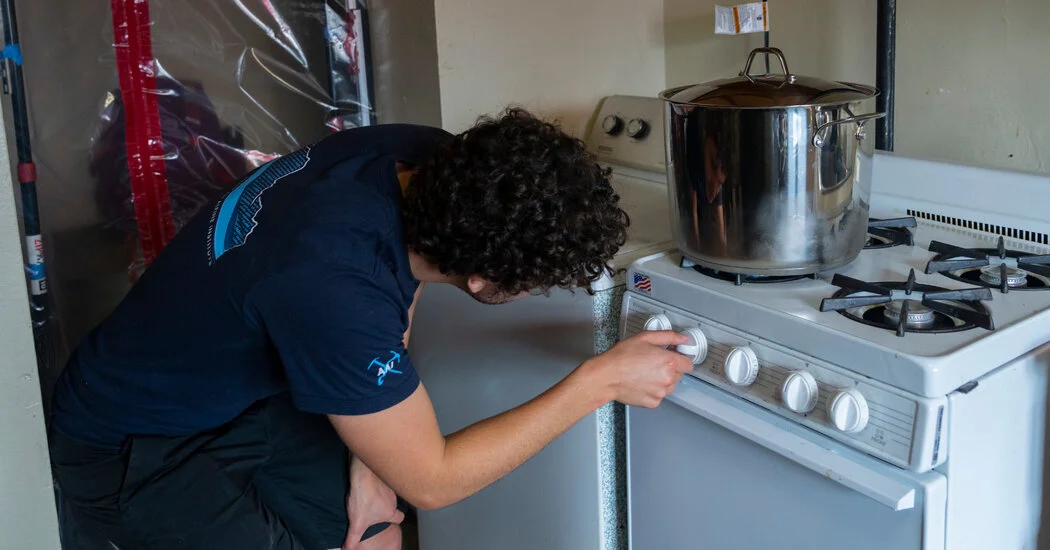
A new study by Stanford University has found that using a single gas stove burner can raise indoor concentrations of benzene, a human carcinogen, to levels above what’s found in secondhand tobacco smoke and even to levels that have prompted local investigations when detected outdoors. Gas stoves emit other harmful pollutants like nitrogen dioxide, carbon monoxide, and formaldehyde and can also leak methane, a potent greenhouse gas, even when they are turned off. The study has prompted concerns over the health effects of gas stoves and has led some cities and states to seek to phase out gas connections in residential buildings.

Gas Stoves Emit Cancer-Causing Benzene, Stanford Study Finds

Originally Published 2 years ago — by MPR News

Featured image for Gas Stoves Emit Cancer-Causing Benzene, Stanford Study Finds
Source: MPR News

Gas stoves emit benzene, a chemical linked to cancer, according to a study by Stanford University. The research found that levels of benzene can reach higher than those found in secondhand tobacco smoke and can spread throughout a home. The study adds to a growing body of scientific evidence showing that emissions within the home are more harmful than gas stove owners have been led to believe. Gas stoves have also emerged as a culture war issue, with lawmakers in the Republican-controlled U.S. House of Representatives recently introducing and passing two pieces of legislation aimed at limiting new regulations on gas stoves.

"Breathing Easy: The Benefits of an Air Quality Monitor"

Originally Published 2 years ago — by How-To Geek

Featured image for "Breathing Easy: The Benefits of an Air Quality Monitor"
Source: How-To Geek

Indoor air quality monitors can help you determine the level of common pollutants in the air, allowing you to eliminate them and live healthier. They typically include a display to show their readings or a smartphone app. An indoor air quality monitor can be particularly beneficial if you have allergies, asthma, or other respiratory illnesses, or you just want to avoid getting any diseases because of poor air quality. However, the United States Environmental Protection Agency (US EPA) says there are no widely accepted levels of indoor pollutants, so any triggers or problems notified by air quality monitors are based on the manufacturer’s determination.