Tag

Vertebrate Evolution

All articles tagged with #vertebrate evolution

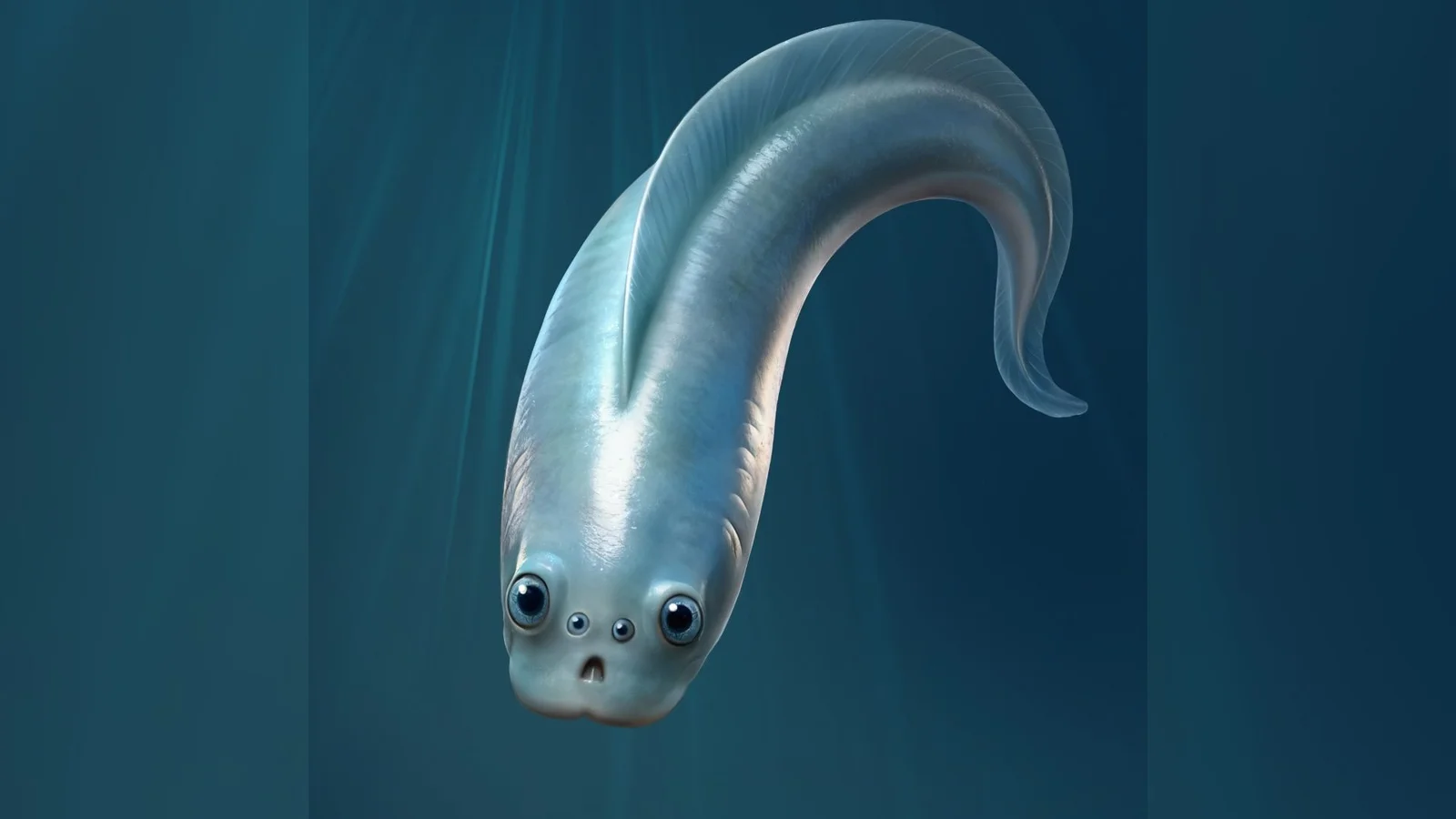
Scientists Discover Sea Creature Challenging Evolutionary Theories

Originally Published 3 months ago — by Indian Defence Review

Featured image for Scientists Discover Sea Creature Challenging Evolutionary Theories
Source: Indian Defence Review

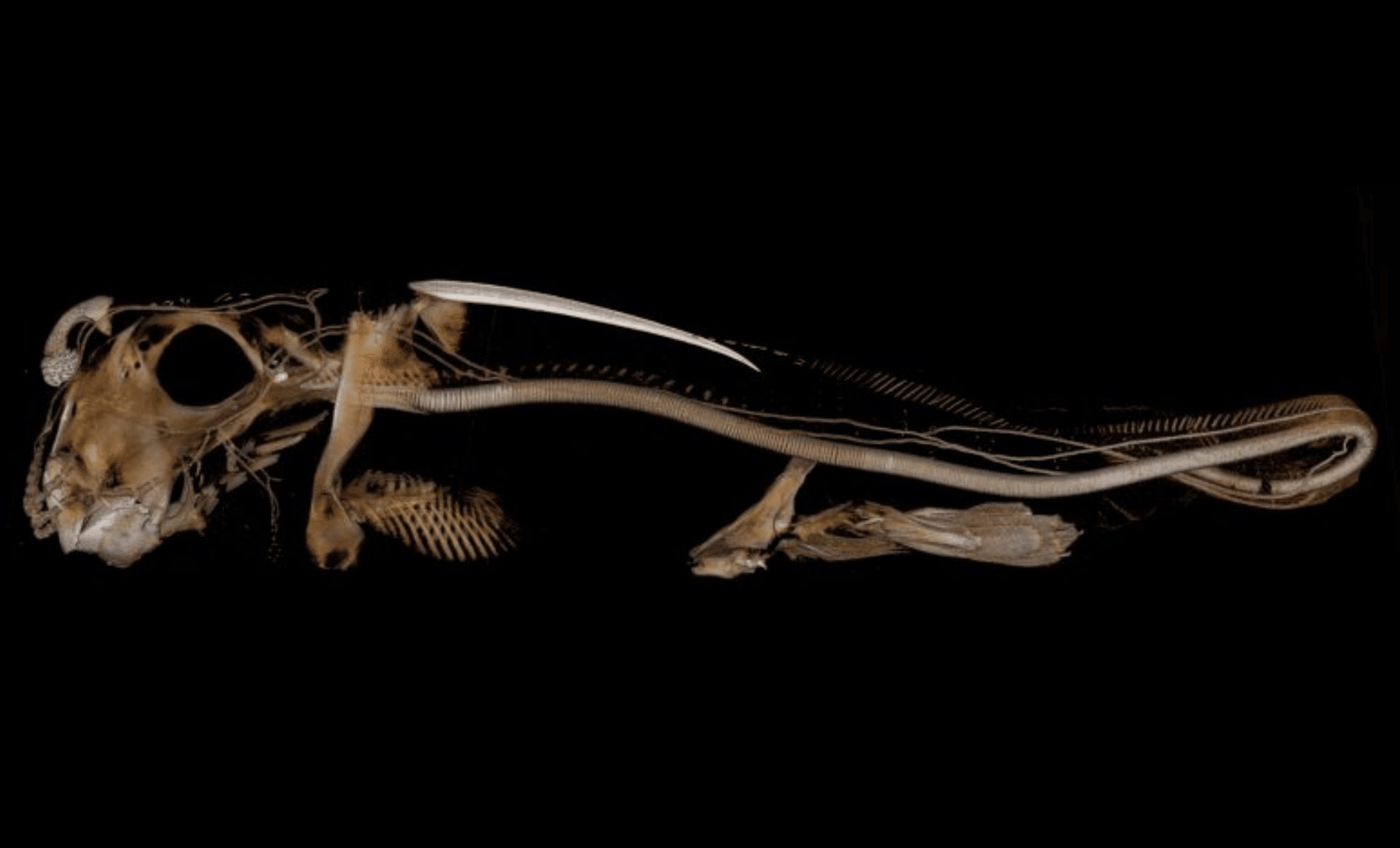
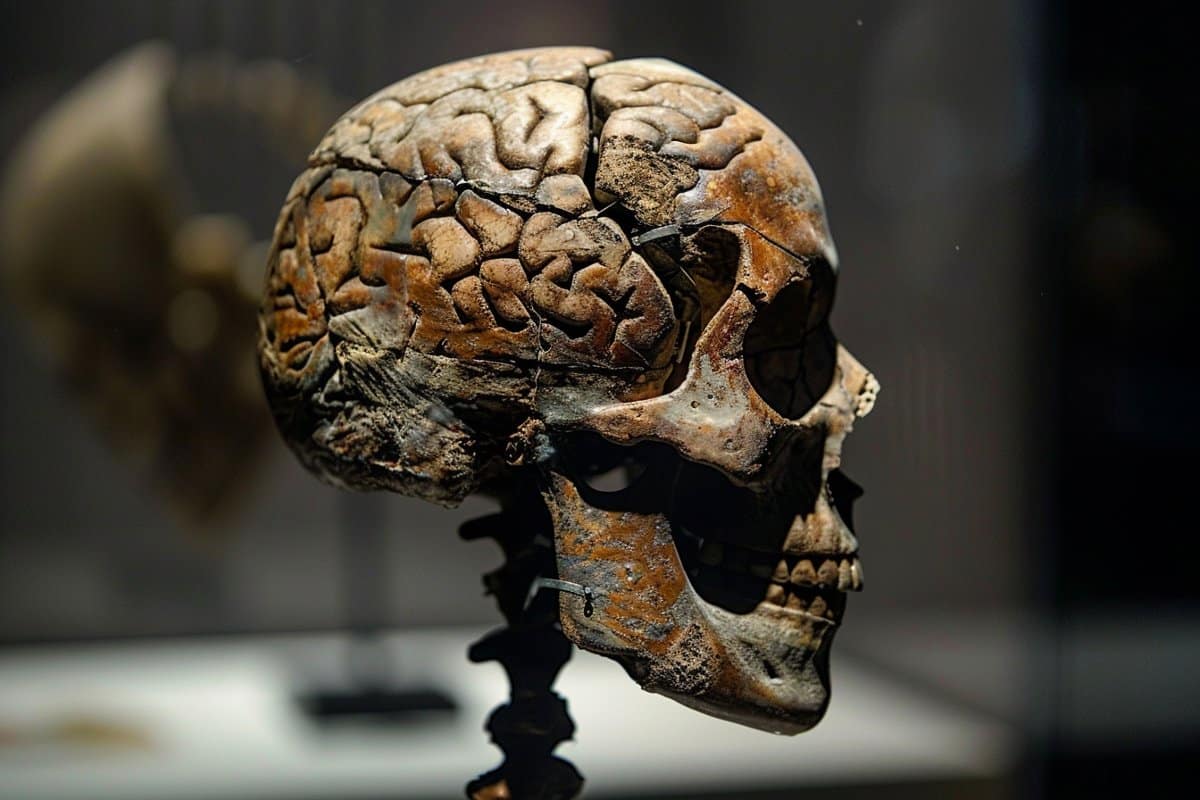
Scientists discovered that male spotted ratfish have true teeth on a forehead appendage used in mating, challenging long-held beliefs that teeth are only located in the mouth. This structure, called the tenaculum, is a rare example of non-oral teeth in vertebrates, providing new insights into dental evolution and developmental biology.

New Head–Trunk Interface Assembly Discovered in Jawless Vertebrate Relatives

Originally Published 5 months ago — by Nature

Featured image for New Head–Trunk Interface Assembly Discovered in Jawless Vertebrate Relatives
Source: Nature

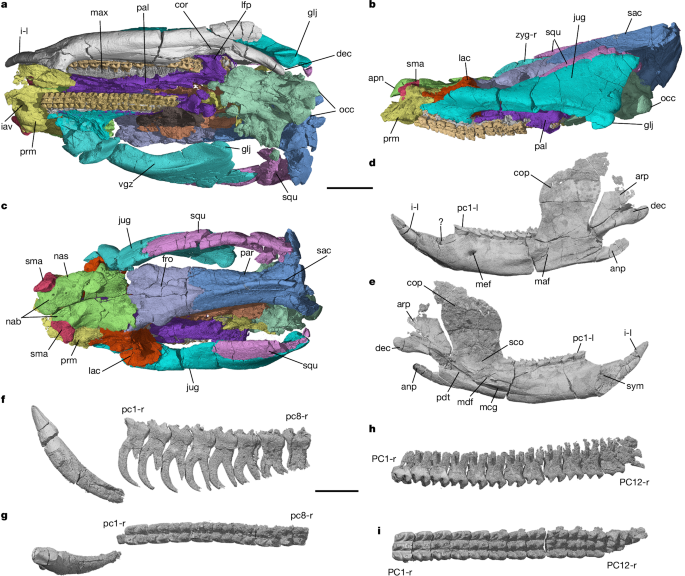
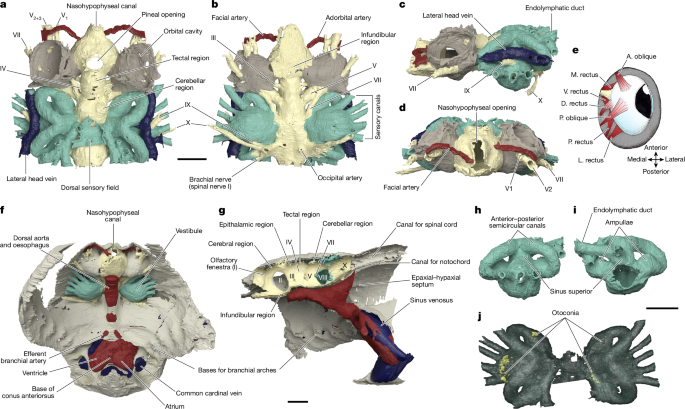
The article presents a novel non-destructive synchrotron imaging study of the fossil Norselaspis glacialis, revealing new insights into the head-trunk interface and circulatory system of early vertebrates, bridging features between jawless and jawed vertebrates, and challenging previous reconstructions of its anatomy.

Revised Fish Anatomy Alters Understanding of Vertebrate Skull Evolution

Originally Published 5 months ago — by Phys.org

Featured image for Revised Fish Anatomy Alters Understanding of Vertebrate Skull Evolution
Source: Phys.org

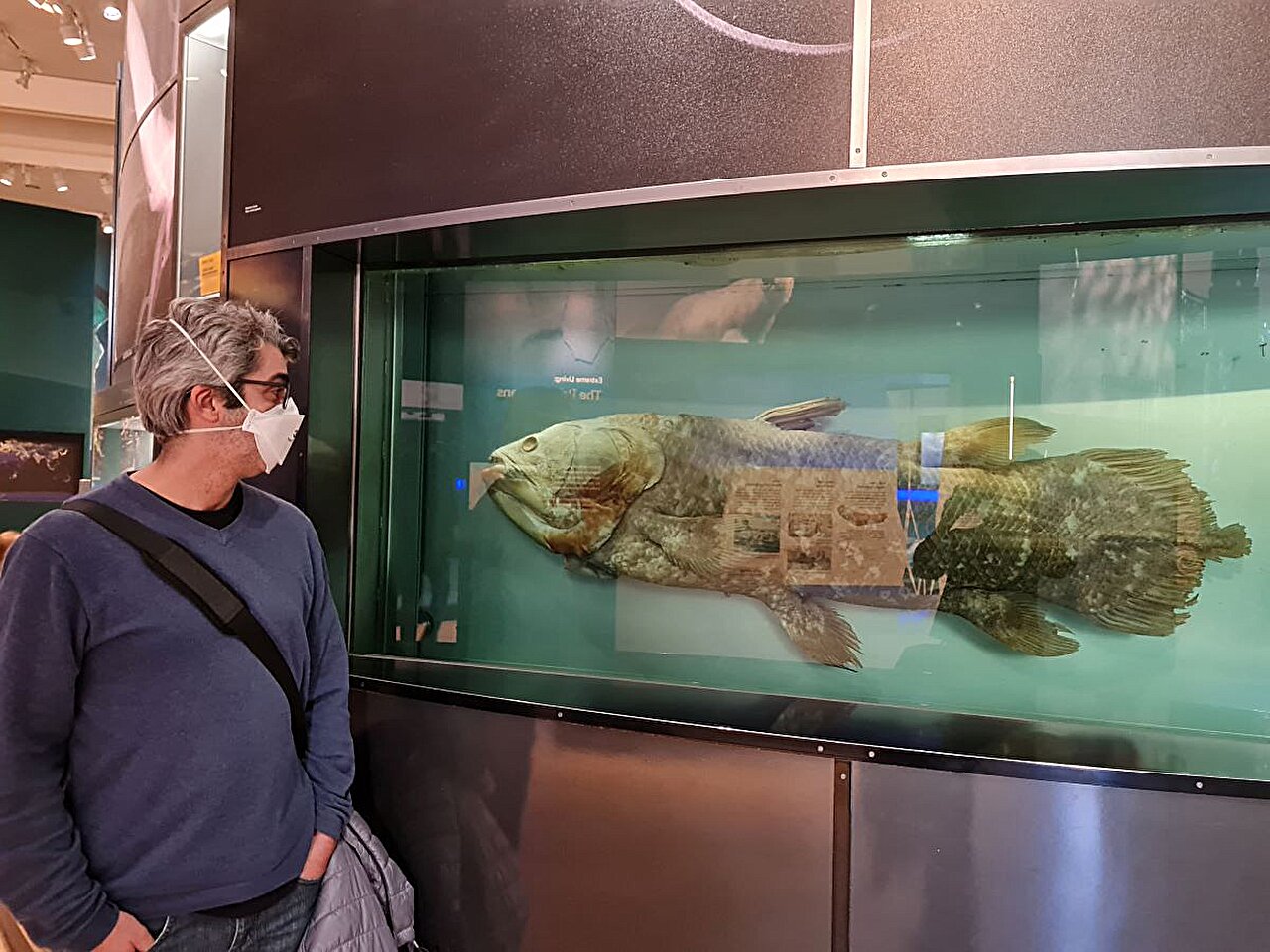
A new study revises the understanding of coelacanth fish anatomy, revealing that many previously thought evolutionary muscle features are actually ligaments, which reshapes our view of vertebrate skull evolution and shows coelacanths are more similar to sharks and tetrapods than previously believed.

Ancient 346-Million-Year-Old Fossil Reshapes Understanding of Terrestrial Life

Originally Published 7 months ago — by Indian Defence Review

Featured image for Ancient 346-Million-Year-Old Fossil Reshapes Understanding of Terrestrial Life
Source: Indian Defence Review

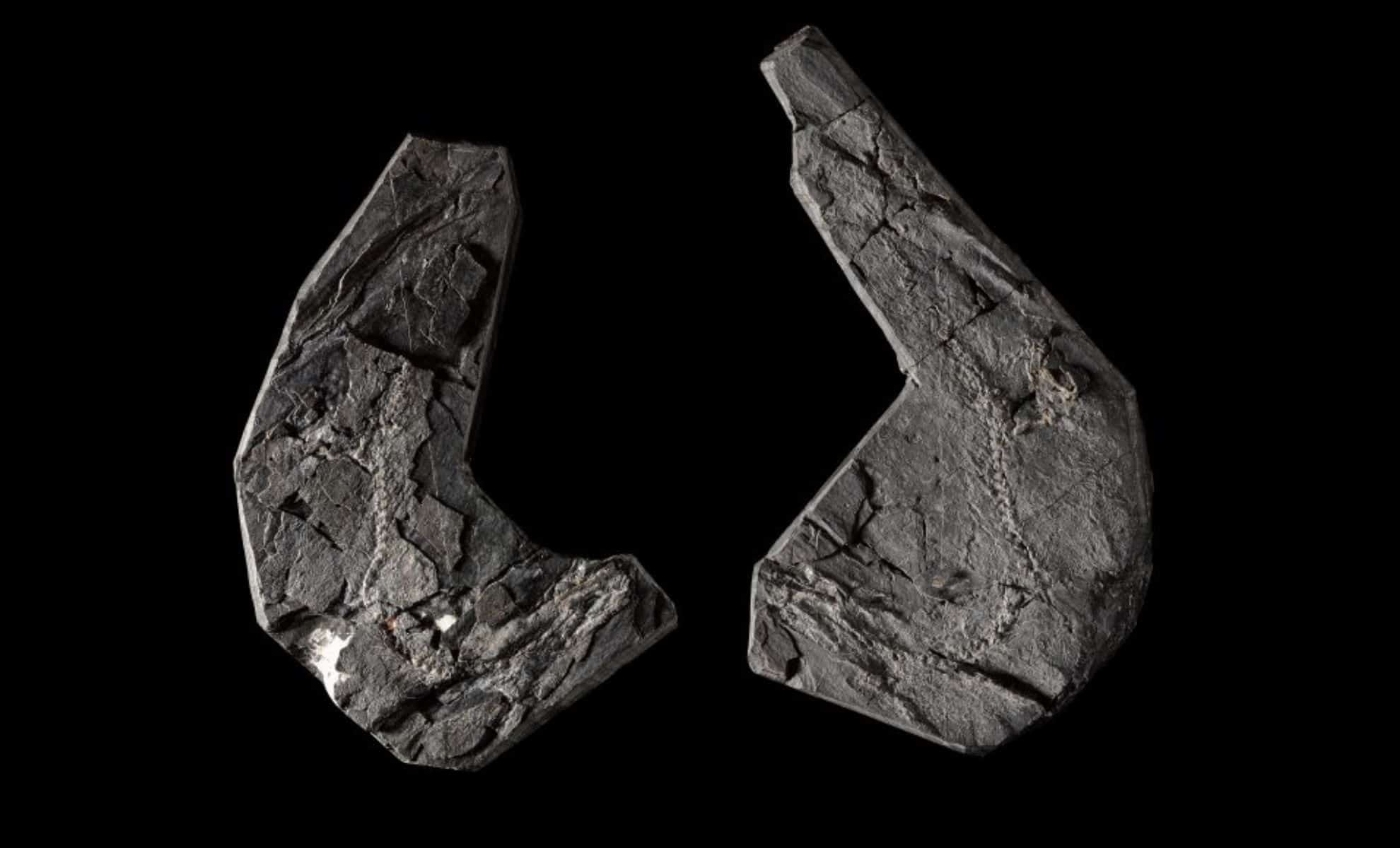
Scientists discovered a 346-million-year-old fossil, Westlothiana lizziae, in Scotland, providing new insights into early vertebrate evolution and the transition of life from water to land, filling a crucial gap in the fossil record known as Romer's Gap.

Uncovering the Ancient Origins of the Vertebrate 'Fight or Flight' Response

Originally Published 1 year ago — by Caltech

Featured image for Uncovering the Ancient Origins of the Vertebrate 'Fight or Flight' Response
Source: Caltech

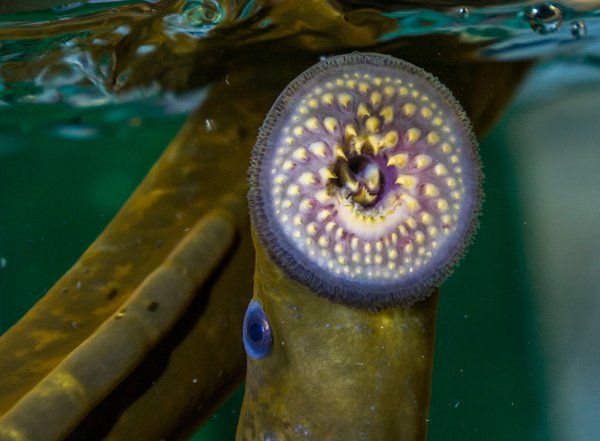
Researchers have debunked a long-held belief that lamprey, a type of jawless fish, lack sympathetic neurons, which are part of the peripheral nervous system. New research led by Marianne Bronner's lab at Caltech has found that sympathetic neurons do exist in lamprey but arise much later in development than previously thought, revising the timeline of sympathetic nervous system evolution. This discovery suggests that the developmental program governing the formation of sympathetic neurons is evolutionarily conserved across all vertebrates, from lamprey to mammals.

The Influence of Ancient Viruses on Brain Evolution

Originally Published 1 year ago — by Neuroscience News

Featured image for The Influence of Ancient Viruses on Brain Evolution
Source: Neuroscience News

A study published in Cell reveals that ancient retroviruses are responsible for the development of myelin, a crucial component of complex vertebrate brains. The discovery of "RetroMyelin," a gene sequence derived from ancient retroviruses, highlights the impact of viral genes on vertebrate evolution. Experimental disruption of RetroMyelin in zebrafish and frogs led to significantly reduced myelin production, demonstrating its functional role in myelination across mammals, amphibians, and fish. This research challenges previous understandings of evolutionary biology and opens new avenues for exploring the intricate relationship between viruses and vertebrate development.

Unraveling the Hagfish Genome: Insights into Vertebrate Evolution

Originally Published 2 years ago — by Nature.com

Featured image for Unraveling the Hagfish Genome: Insights into Vertebrate Evolution
Source: Nature.com

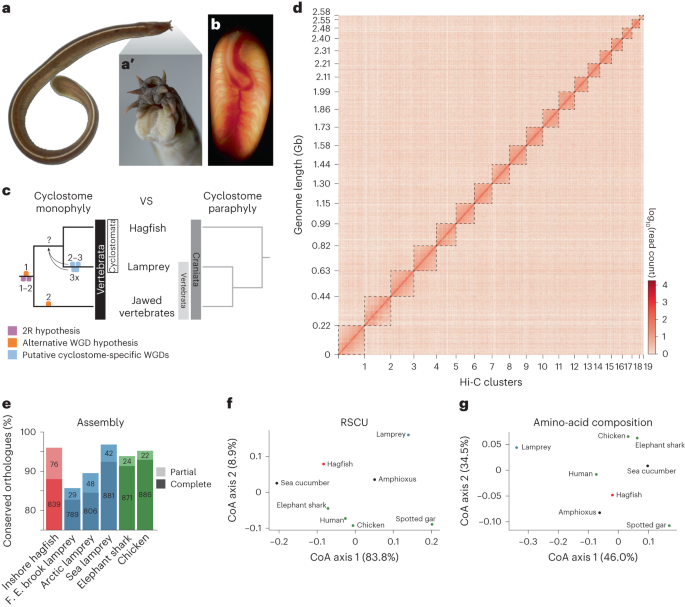
The sequencing and analysis of the genome of the inshore hagfish, Eptatretus burgeri, sheds light on the timing and consequences of whole-genome duplication events in early vertebrate evolution. The study provides insights into the ancestral vertebrate karyotype, supports the monophyly of cyclostomes, and reveals the presence of six Hox clusters in hagfish, suggesting a distinct genome history shared by lampreys and hagfish. Additionally, the research uncovers gene family evolution and genomic changes accompanying major transitions in chordate evolution, offering essential information for comparative genomics and understanding the genetic basis of vertebrate diversity.

"Unearthing the Origins: Fossil Evidence Points to Pharyngeal Source of Vertebrate Pectoral Girdle"

Originally Published 2 years ago — by Nature.com

Featured image for "Unearthing the Origins: Fossil Evidence Points to Pharyngeal Source of Vertebrate Pectoral Girdle"
Source: Nature.com

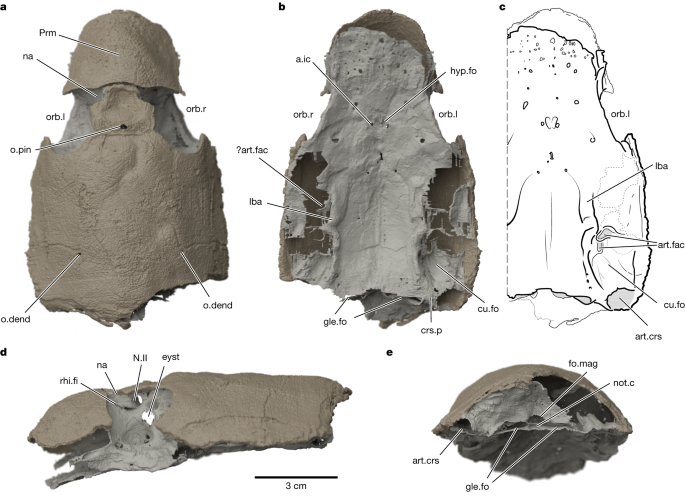
Fossil evidence from the braincase of an Early Devonian placoderm fish suggests a pharyngeal basis for the origin of the vertebrate shoulder girdle. The findings support the archipterygium hypothesis, which proposes that fins and girdles evolved from an ancestral gill arch. The study combines computed tomography scanning with comparative anatomy of placoderms and jawless outgroups to locate the origin of the pectoral girdle on the sixth branchial arch. These findings provide a new framework for understanding the evolution of the pectoral girdle and help reconcile the archipterygium hypothesis with the ventrolateral fin-fold model.

"3D Fossil Reveals Evolutionary Clues to Vertebrate Skull Development"

Originally Published 2 years ago — by CNN

Featured image for "3D Fossil Reveals Evolutionary Clues to Vertebrate Skull Development"
Source: CNN

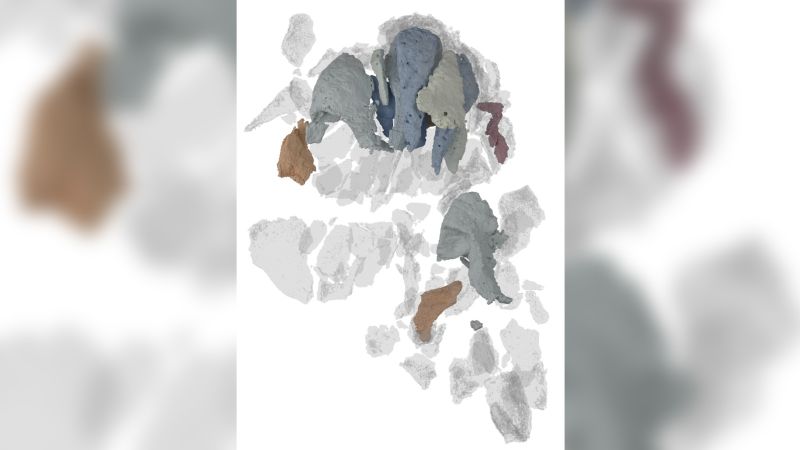
A 455-million-year-old fossil of the jawless fish Eriptychius americanus has provided new insights into the evolution of vertebrate skulls. The fossil, discovered in Colorado, is the oldest 3D evidence of cranial anatomy in an early vertebrate. The skull arrangement of E. americanus is unlike anything seen in living vertebrates or its extinct relatives, with unfused cartilage sections surrounding the mouth, olfactory organs, and eyes. CT scans allowed researchers to visualize the cartilage and reconstruct a digital model of the fish's cranium. The fossil fills a gap in our understanding of vertebrate head evolution and provides valuable insights into the ancient jawless fish's anatomy.