
Tag

Neural Crest Cells

All articles tagged with #neural crest cells

science1 year ago

Uncovering the Ancient Origins of the Vertebrate 'Fight or Flight' Response

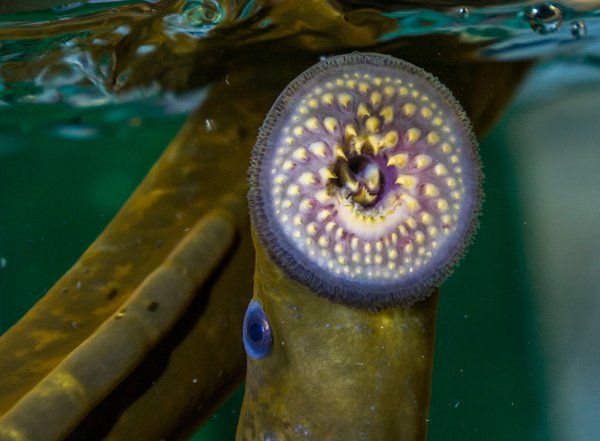
Researchers have debunked a long-held belief that lamprey, a type of jawless fish, lack sympathetic neurons, which are part of the peripheral nervous system. New research led by Marianne Bronner's lab at Caltech has found that sympathetic neurons do exist in lamprey but arise much later in development than previously thought, revising the timeline of sympathetic nervous system evolution. This discovery suggests that the developmental program governing the formation of sympathetic neurons is evolutionarily conserved across all vertebrates, from lamprey to mammals.
science2 years ago

From Scales to Shields: The Evolution of Fish Armor

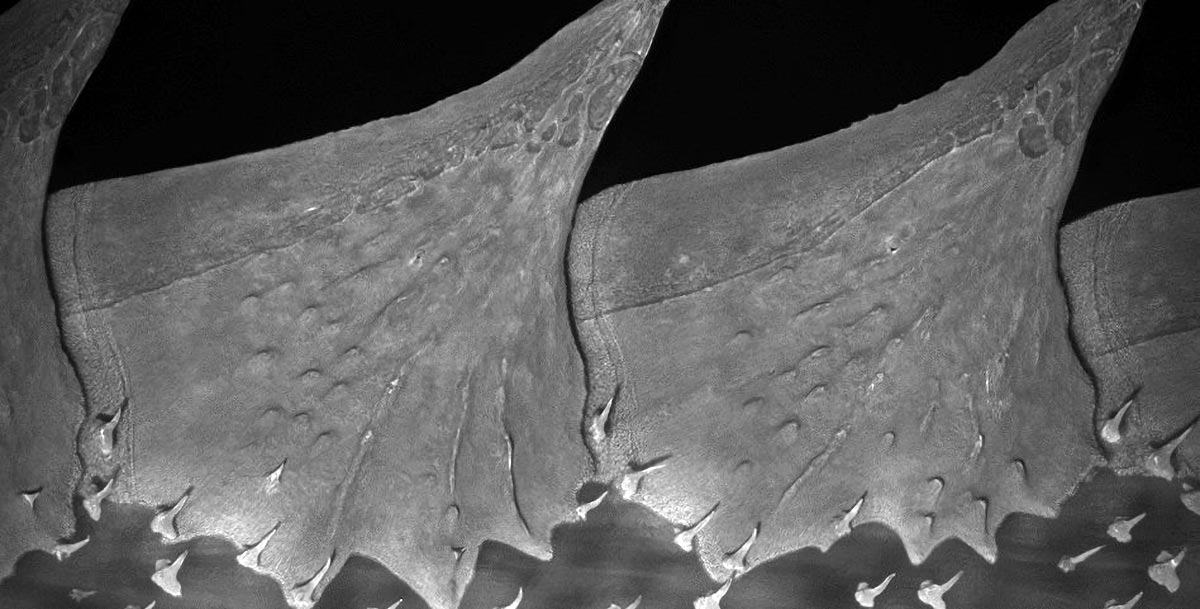
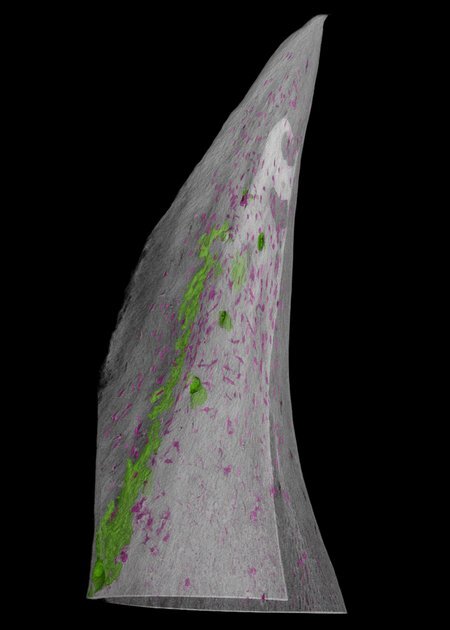
A recent study conducted at Caltech has identified trunk neural crest cells as the origin of bony protective scales (scutes) in fish, shedding light on the evolution of vertebrate armor. By studying sturgeon fish embryos, researchers found that trunk neural crest cells migrate to the exact locations where bony scutes are forming, providing strong evidence that these cells give rise to bone-forming cells. This breakthrough discovery reveals how our soft-bodied evolutionary ancestors developed protective armor, paving the way for the evolution of a multitude of vertebrate species.

science2 years ago

The Evolution of Fish's Bony Armor: A Fascinating Journey

A new study using sturgeon fish has found that trunk neural crest cells are responsible for the development of bony scutes, the protective armor found in fish. These cells migrate throughout the fish's body and give rise to bone-forming cells, providing evidence for the evolution of dermal armor in vertebrate fish. The research sheds light on the evolutionary history of fish and the role of neural crest cells in the development of protective coatings.

science2 years ago

Cell Fate: Developing Cells Can Alter Their Destiny.

Neural crest cells, a type of stem cell, have been found to retain their flexibility even after they have become visibly differentiated, according to new research from the University of Bath. This finding has significant implications for regenerative medicine, as it suggests that neural crest stem cells have immense potential as treatments to replace and repair damaged body tissue in many parts of the body. The study also reconciles a long-standing debate among biologists over the nature of neural crest cell differentiation, showing that these cells are choosing their fate in a much more dynamic, mobile way than previously thought.