Four-eyed Cambrian pioneers rewrite the story of early vertebrate vision
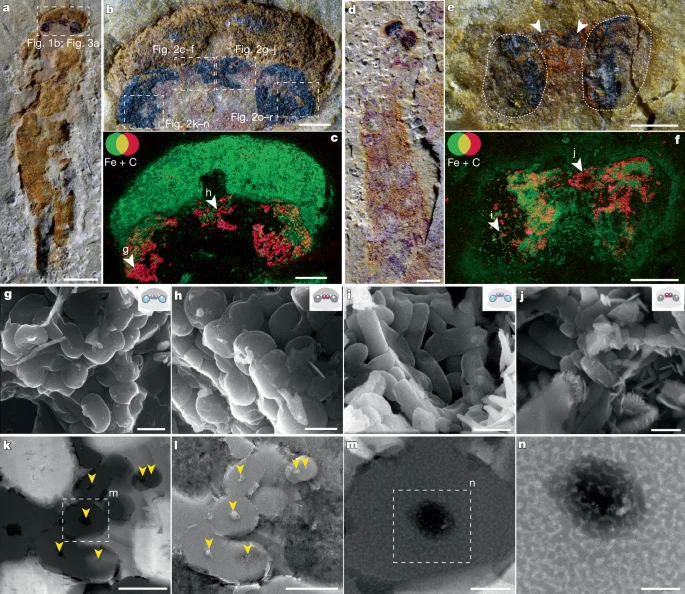
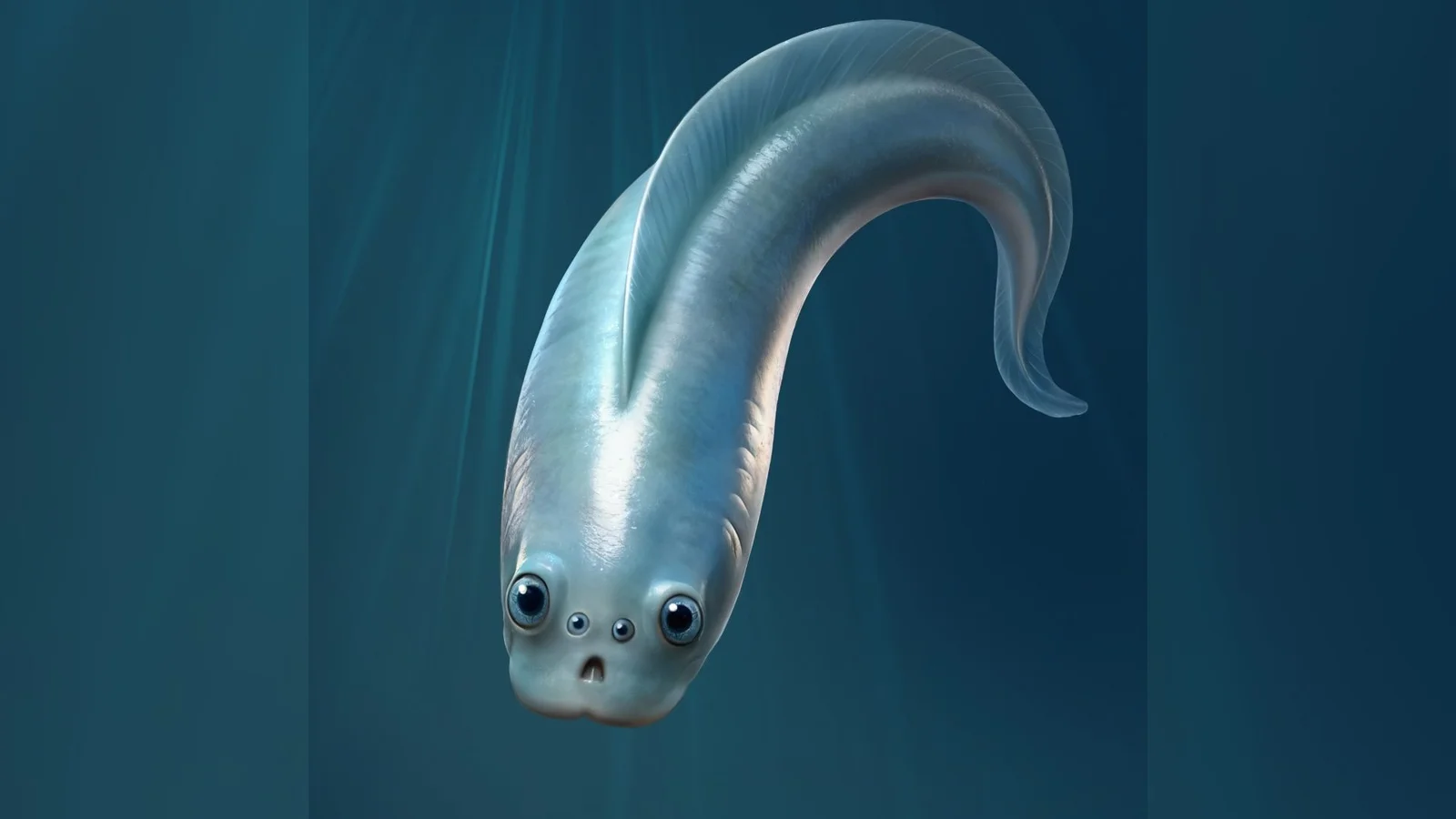
Fossils from the Cambrian Chengjiang beds in China show that early vertebrates called myllokunmingids had four eyes—two large on the sides and two smaller in between—likely giving them a wider field of view to dodge predators; the two smaller eyes may be ancestral to image-forming eyes linked to the pineal gland, offering new insights into how vertebrate vision evolved.