Tag

Fossil Evidence

All articles tagged with #fossil evidence

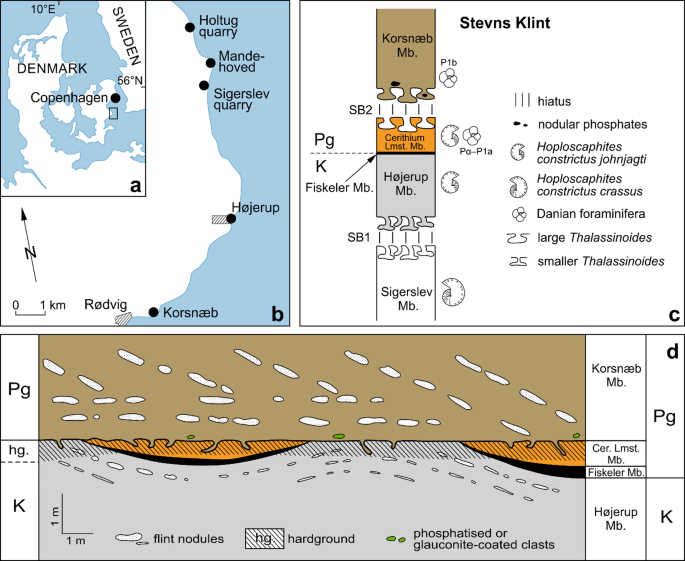
Ammonite Survival Across the Cretaceous–Paleogene Boundary Confirmed in Denmark

Originally Published 11 days ago — by Nature

Featured image for Ammonite Survival Across the Cretaceous–Paleogene Boundary Confirmed in Denmark
Source: Nature

New data from Denmark confirm that some ammonite populations survived the Cretaceous–Paleogene boundary, with evidence suggesting both survival and redeposition depending on the microfacies and stratigraphic context, supporting the hypothesis that certain ammonites persisted into the Danian period.

New Discovery Alters Understanding of Dinosaur and Mammal Evolution

Originally Published 28 days ago — by SciTechDaily

Featured image for New Discovery Alters Understanding of Dinosaur and Mammal Evolution
Source: SciTechDaily

New research suggests that dinosaurs had a different parenting style from mammals, with juvenile dinosaurs becoming independent quickly and occupying distinct ecological niches, which may have led to greater ecological diversity in the Mesozoic era than previously thought.

New Discoveries Rewrite T. rex History and Reveal a Rival Species

Originally Published 2 months ago — by Earth.com

Featured image for New Discoveries Rewrite T. rex History and Reveal a Rival Species
Source: Earth.com

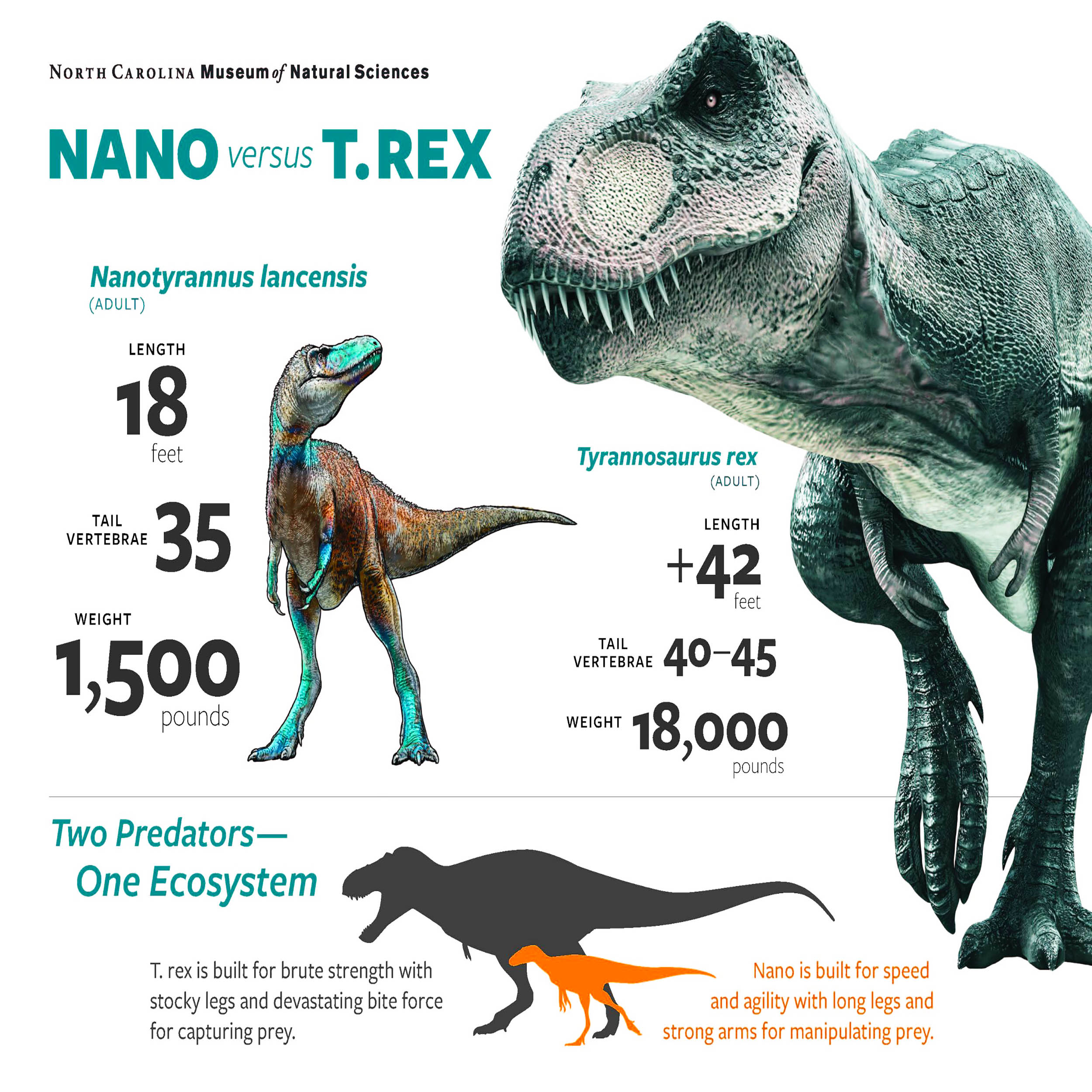
Recent research has revealed that the small predator previously thought to be a juvenile T. rex is actually a fully grown Nanotyrannus lancensis, rewriting the understanding of dinosaur growth, evolution, and ecosystem dynamics during the Late Cretaceous period, and introducing a new species, Nanotyrannus lethaeus.

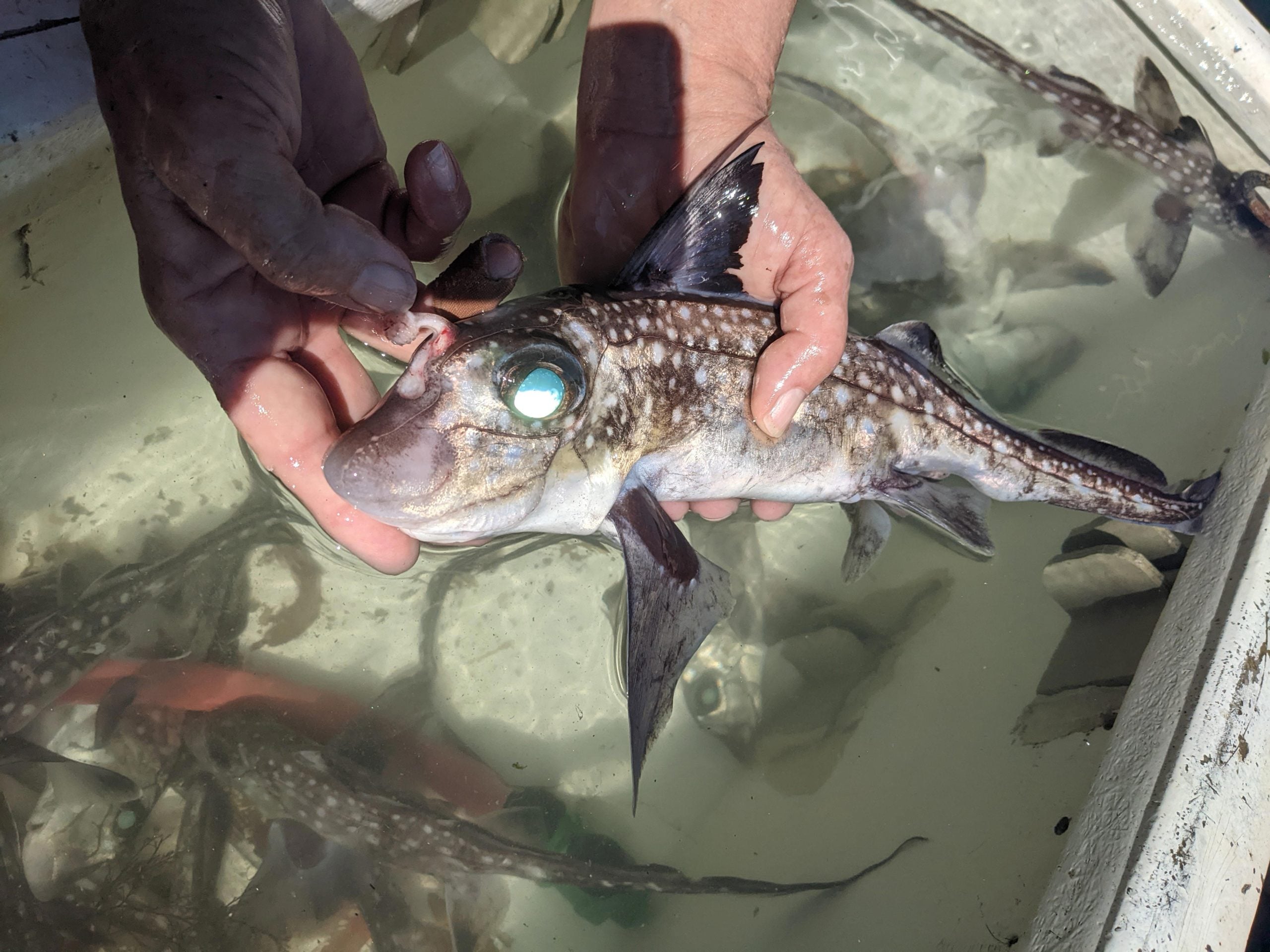
Deep-Sea Ghost Sharks Develop Forehead Teeth to Enhance Feeding

Originally Published 3 months ago — by SciTechDaily

Featured image for Deep-Sea Ghost Sharks Develop Forehead Teeth to Enhance Feeding
Source: SciTechDaily

Male ghost sharks have a unique forehead structure called a tenaculum covered with true teeth, which helps in mating. This discovery, supported by fossil, genetic, and modern specimen analysis, reveals that these teeth are genuine and develop outside the mouth, showcasing evolutionary flexibility and adaptation in deep-sea fish.

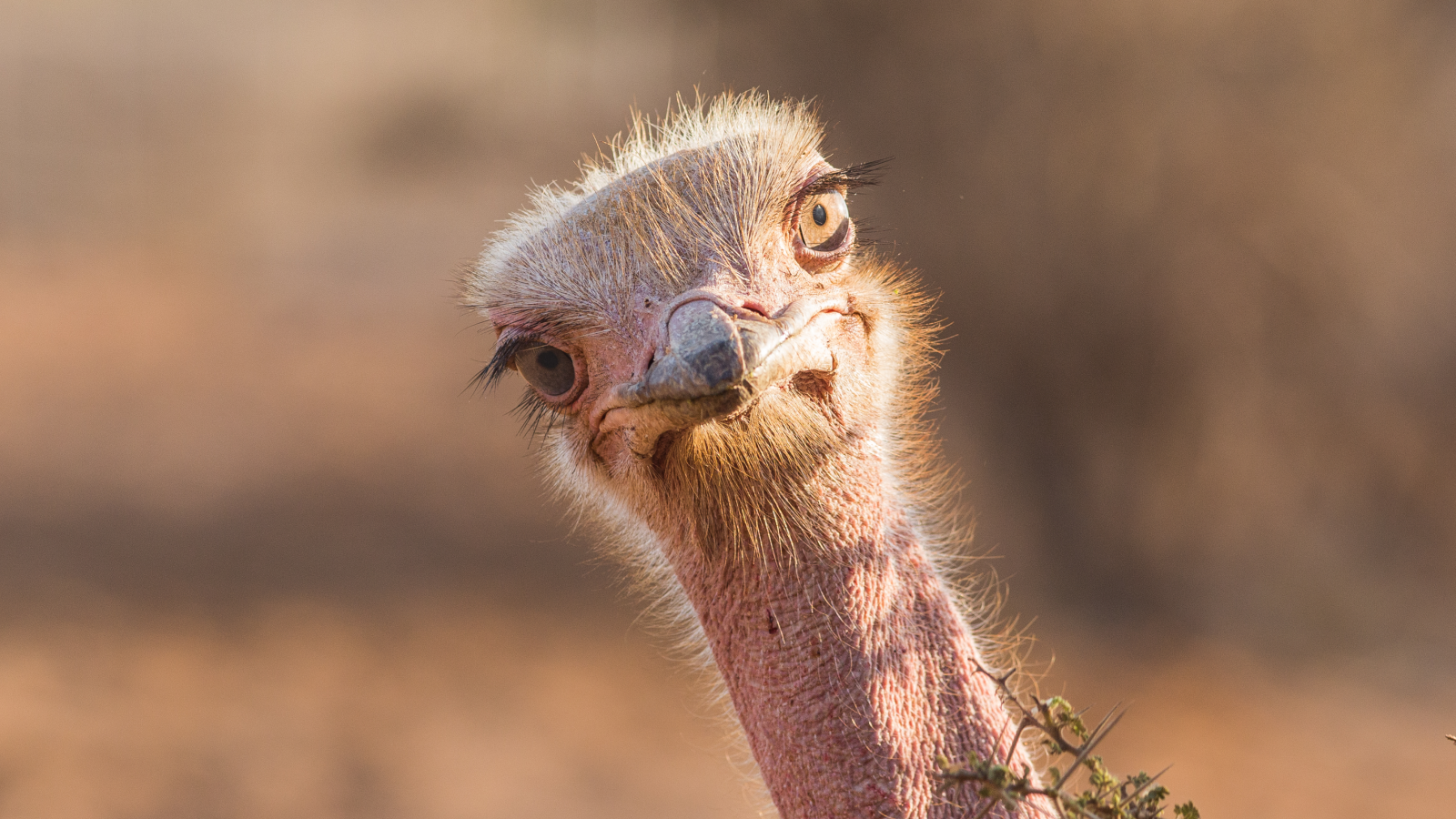
Ancient Flightless Birds' Journey to Distant Lands Uncovered

Originally Published 3 months ago — by Live Science

Featured image for Ancient Flightless Birds' Journey to Distant Lands Uncovered
Source: Live Science

Fossil analysis suggests that ancestors of modern flightless birds like ostriches and rheas could fly long distances, indicating they may have migrated across oceans before evolving into flightless species through convergent evolution, especially in predator-free island environments.

Ancient Polar Dinosaurs Endured Months of Darkness in Antarctica

Originally Published 5 months ago — by Indian Defence Review

Featured image for Ancient Polar Dinosaurs Endured Months of Darkness in Antarctica
Source: Indian Defence Review

Research reveals that 120 million years ago, dinosaurs thrived in polar regions of Antarctica and southern Australia, adapting to long periods of darkness and cold, supported by complex ecosystems including rainforests and river systems, challenging the notion that polar areas were inhospitable during the age of dinosaurs.

Decoding the Ancient Ocean Crisis That Wiped Out Marine Life

Originally Published 5 months ago — by Indian Defence Review

Featured image for Decoding the Ancient Ocean Crisis That Wiped Out Marine Life
Source: Indian Defence Review

A study reveals that volcanic CO2 emissions caused rapid ocean acidification during the Triassic-Jurassic extinction 201 million years ago, leading to the decimation of marine life, and warns that current human activities could trigger similar or worse impacts on today's oceans.

Ancient Evidence Suggests Cambrian Explosion Occurred Earlier Than Thought

Originally Published 6 months ago — by Indian Defence Review

Featured image for Ancient Evidence Suggests Cambrian Explosion Occurred Earlier Than Thought
Source: Indian Defence Review

A recent study suggests the Cambrian Explosion, traditionally dated to around 530 million years ago, may have actually begun as early as 545 million years ago, based on analysis of ancient trace fossils indicating more complex and mobile early organisms than previously believed.

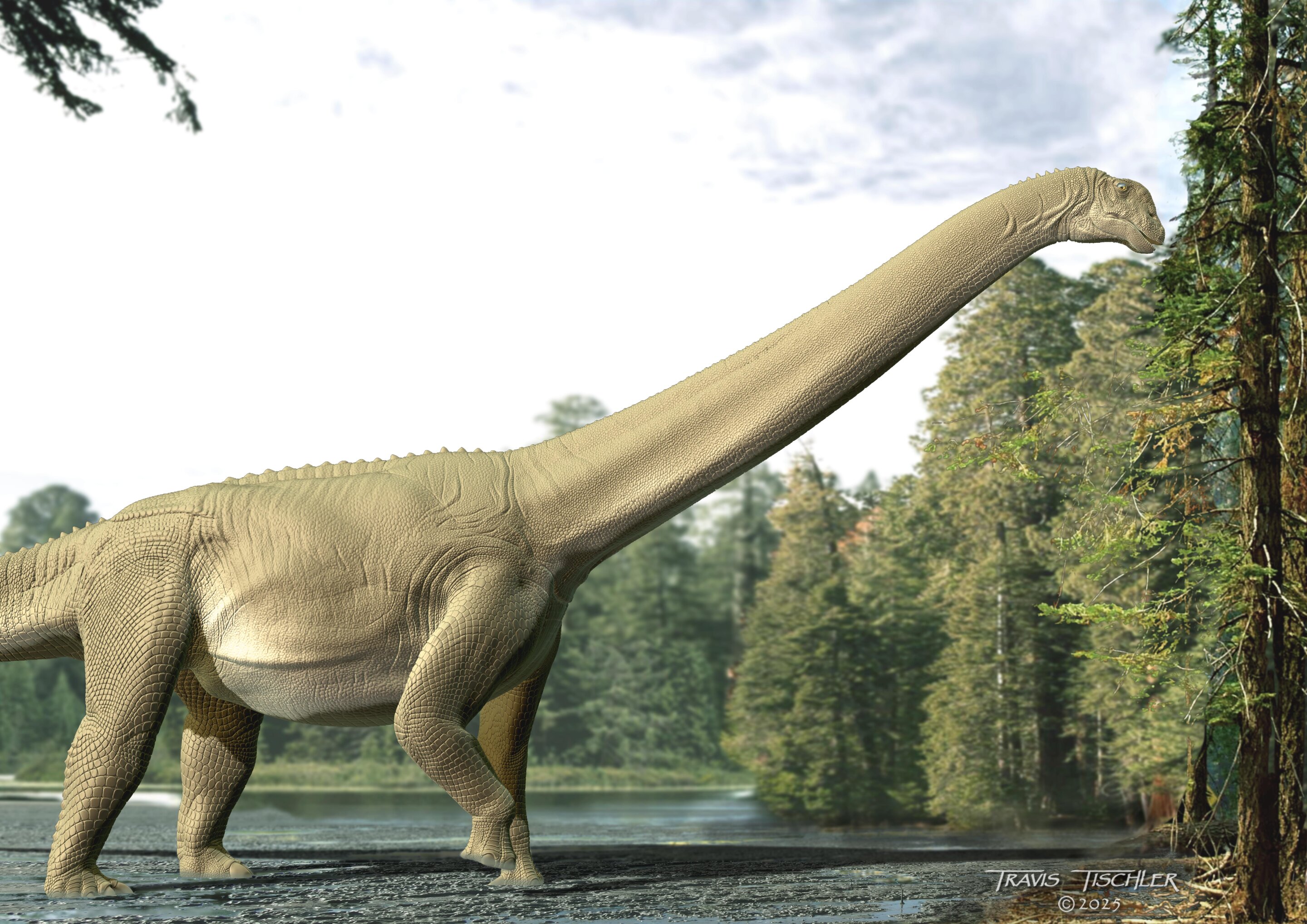
Fossilized Sauropod Gut Content Reveals Non-Chewing Vegetarian Diet

Originally Published 7 months ago — by Phys.org

Featured image for Fossilized Sauropod Gut Content Reveals Non-Chewing Vegetarian Diet
Source: Phys.org

A fossilized gut content of a 94-101 million-year-old sauropod dinosaur revealed that these herbivores primarily relied on gut microbes for digestion, consumed a variety of plants including conifers, seed ferns, and flowering plants, and engaged in minimal oral processing, supporting the idea of bulk feeding. This discovery provides rare direct evidence of sauropod diet and suggests they were indiscriminate feeders that adapted to eating flowering plants shortly after their appearance.

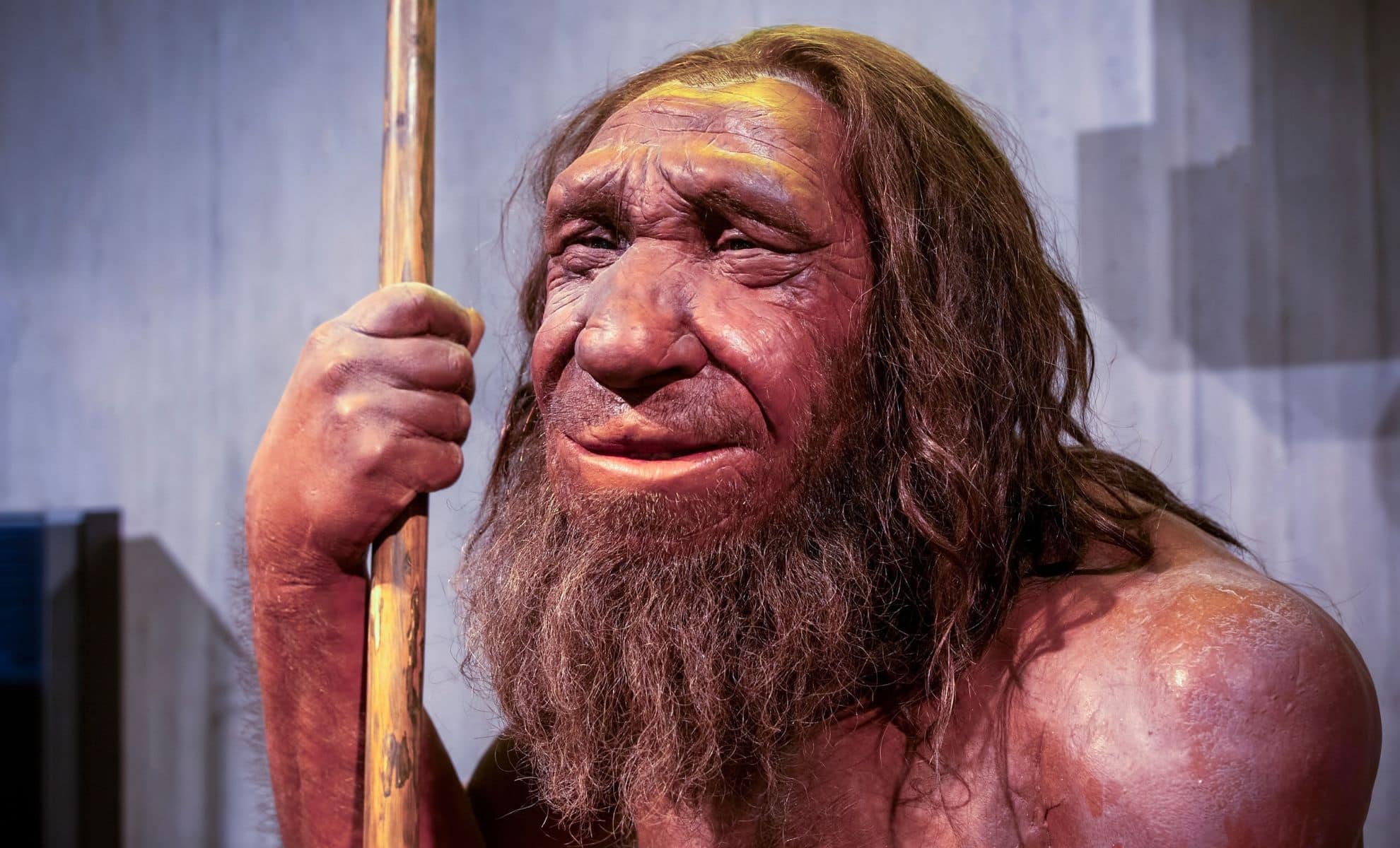
New Study Pinpoints When Neanderthals Began to Vanish

Originally Published 7 months ago — by Indian Defence Review

Featured image for New Study Pinpoints When Neanderthals Began to Vanish
Source: Indian Defence Review

A new study in Nature Communications reveals that Neanderthals experienced a severe genetic bottleneck after an initial period of diversity, likely caused by climate change, which contributed to their eventual extinction around 40,000 years ago. The research challenges previous assumptions about their gradual decline and highlights the complex, fragmented nature of human evolution.

"Modern Humans' 20,000-Year Stay on the Persian Plateau: A Study"

Originally Published 1 year ago — by Livescience.com

Featured image for "Modern Humans' 20,000-Year Stay on the Persian Plateau: A Study"
Source: Livescience.com

A study suggests that Homo sapiens may have lived on the Persian plateau for 20,000 years after leaving Africa, filling a gap in their migration history. The researchers propose that this region served as a population hub for early humans, based on climate models and genetic data. However, some experts believe more evidence is needed to support this hypothesis, emphasizing the necessity of additional hominin fossils and climate data.