Used vehicle prices are expected to increase by 2% in 2026, marking a stable and modest rise after years of volatility, with factors like lower loan rates and increased tax refunds boosting demand, though prices remain higher than pre-pandemic levels.
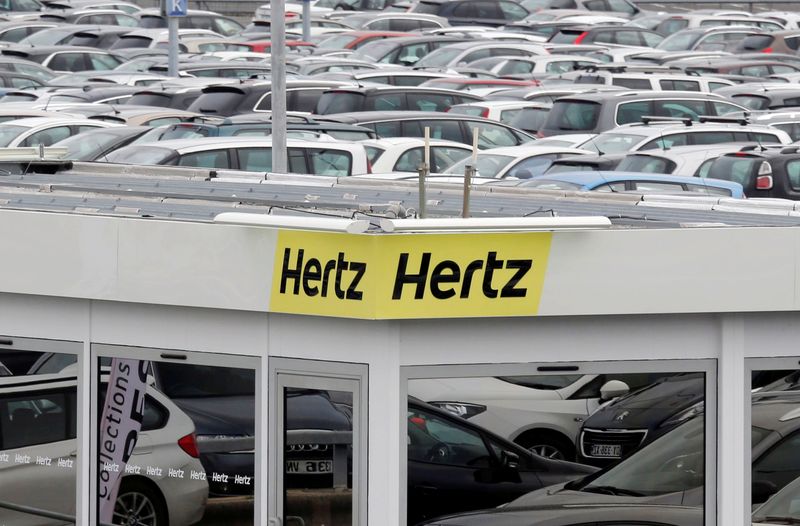
Hertz Global has launched a fully online car-buying marketplace, leveraging demand for used cars and collaborating with Amazon Autos, offering trade-in options, amid its shift away from electric vehicles due to higher repair costs.
Originally Published 4 months ago — by Wolf Street
August CPI inflation data shows a surprising surge with all key measures over 4% annualized, driven by rising costs in core services like housing, healthcare, and auto insurance, as well as spikes in used vehicle, food, and gasoline prices, indicating persistent inflation pressures despite some energy price declines.
Hertz is partnering with Amazon Autos to sell used vehicles online, allowing customers in select cities to browse, purchase, and pick up cars at Hertz locations, aiming to expand its retail footprint and boost profits.
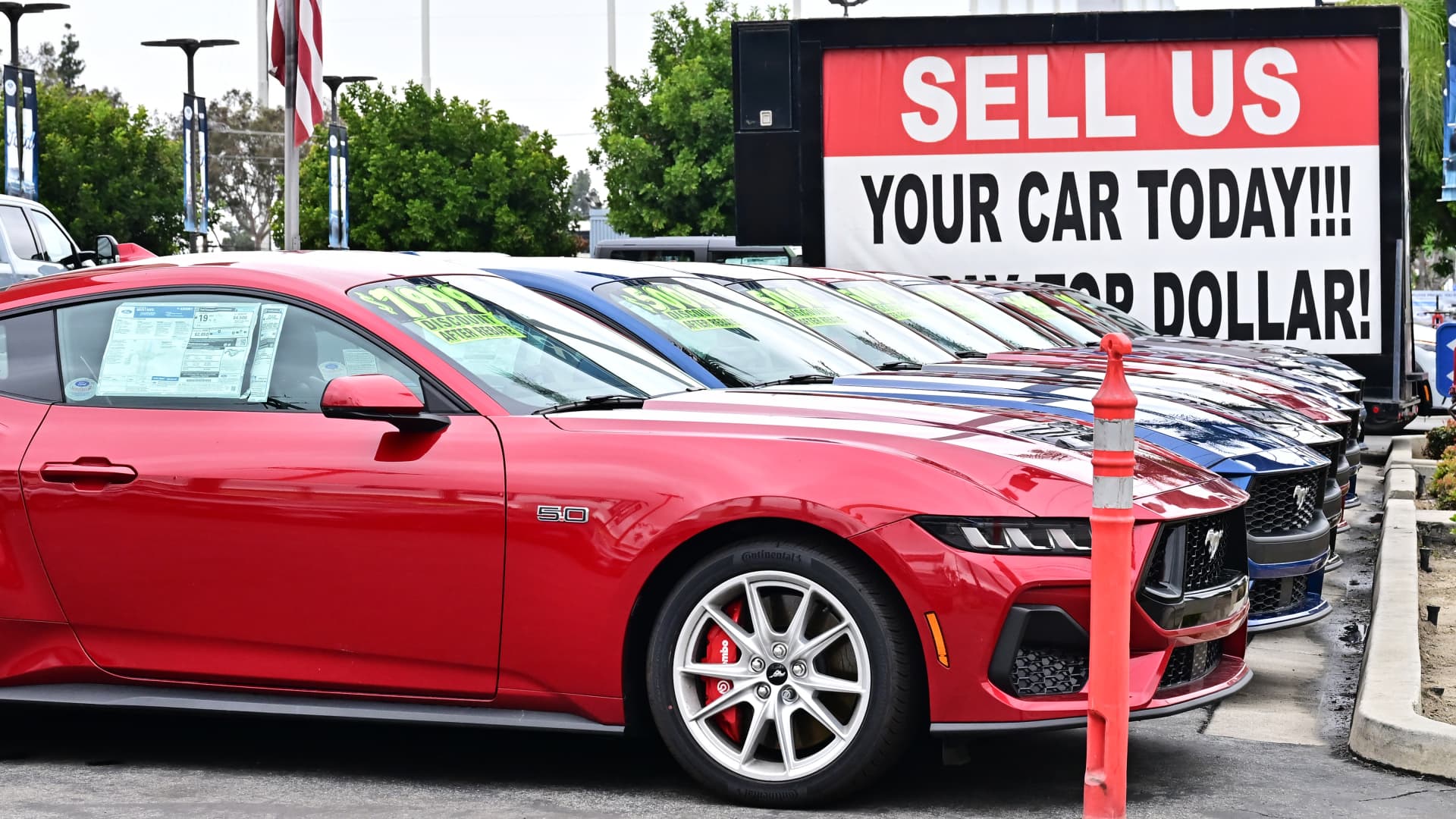
Used vehicle prices decreased slightly in May from April but remain significantly higher than last year, driven by sustained demand and low inventory levels, despite some easing from recent highs caused by tariff-related buying surges.
American used-vehicle company Vroom is shutting down its e-commerce operations and used vehicle dealership business, resulting in the layoff of approximately 90% of its workforce, or around 800 employees. The company plans to sell its current used vehicle inventory through wholesale channels and halt purchases of additional vehicles, while its automotive finance and AI-powered analytics subsidiaries will remain active. Vroom, which peaked at a valuation of over $8 billion in 2020, has seen its market cap fall to $75 million and recorded a net loss of $83 million in the third quarter of last year.
Vroom, a leading ecommerce platform for used vehicles, has announced the wind-down of its ecommerce operations and used vehicle dealership business to preserve liquidity and focus on maximizing stakeholder value through its remaining businesses, United Auto Credit Corporation and CarStory. The company is suspending transactions through vroom.com, planning to sell its current used vehicle inventory through wholesale channels, halting purchases of additional vehicles, and executing a reduction-in-force. Despite efforts to raise additional capital, Vroom was unable to do so and is now committed to responsibly managing its remaining businesses and prudently deploying its capital to maximize value for stakeholders.
Wholesale used vehicle prices dropped by a record 4.2% in June, marking the third consecutive month of decline. This decrease eases concerns of sticky inflation and is expected to contribute to a further easing in June's Consumer Price Index. Used vehicle prices have been soaring due to inflation and supply chain challenges, but analysts had anticipated a slowdown. The average price of a used auto has increased by 35% since before the pandemic.
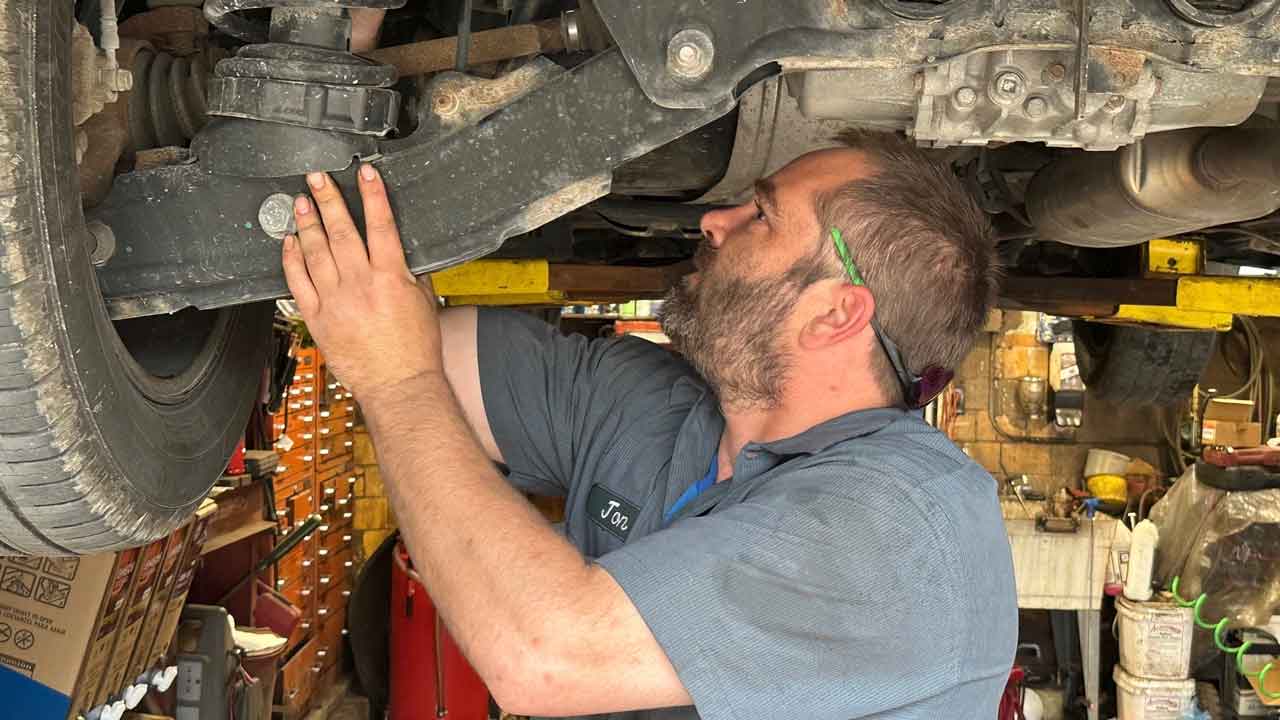
The average age of passenger vehicles in the US has reached a record high of 12.5 years due to the pandemic-induced global shortage of automotive computer chips, which slowed down global assembly lines and made new vehicles scarce on dealer lots. The cost of a vehicle has also increased, with the average new vehicle price rocketing 24% to nearly $48,000 and typical loan rates on new-car purchases ballooning to 7%. As a result, Americans are keeping their cars longer and opting for repairs and maintenance instead of buying new vehicles.
The CPI for used vehicles, which had been falling since early 2022, rose for the first time since July 2021, indicating that the historic plunge in used vehicle prices may have ended. Wholesale prices for used vehicles have been surging for months, and there is usually a lag of a couple of months before these changes are reflected in the CPI. The seasonally adjusted CPI for used vehicles continued to drop, but the not-seasonally adjusted CPI rose in March. Dealers are bidding up auction prices and willing to make deals to get retail volume, which could fuel further price increases.
New car prices have been trending downward overall for months now, and in March, car buyers paid below the sticker price for the first time in 20 months. Brands like Chevrolet, Chrysler, Dodge, Ford, and Hyundai saw the average prices paid for their vehicles decline up to 3.8%, indicating incentives are also creeping back. However, shoppers still need to remain vigilant and keep an eye on car-buying market dynamics, while loan payments, interest rates, and inventory issues continue to hobble the industry.
CarMax reported adjusted profit of 44 cents a share in the fiscal fourth quarter, beating analysts' estimates, as the auto retailer squeezed more profit from each vehicle despite a sales drop and softening used-car prices. Gross profit per retail used unit came to $2,277 in the period ended Feb. 28, up $82 from a year ago. The average retail selling price of a used car fell 9.3% from a year ago, or about $2,700, CarMax said. The company reaffirmed its long-term financial targets, including selling as many as 2.4 million vehicles through retail and wholesale channels by fiscal 2026.