The article discusses how President Trump's tariffs in 2025 have led to slower job growth and increased unemployment, despite only modest increases in consumer prices, due to business uncertainty and hesitancy to invest or hire, with potential changes depending on upcoming legal rulings.
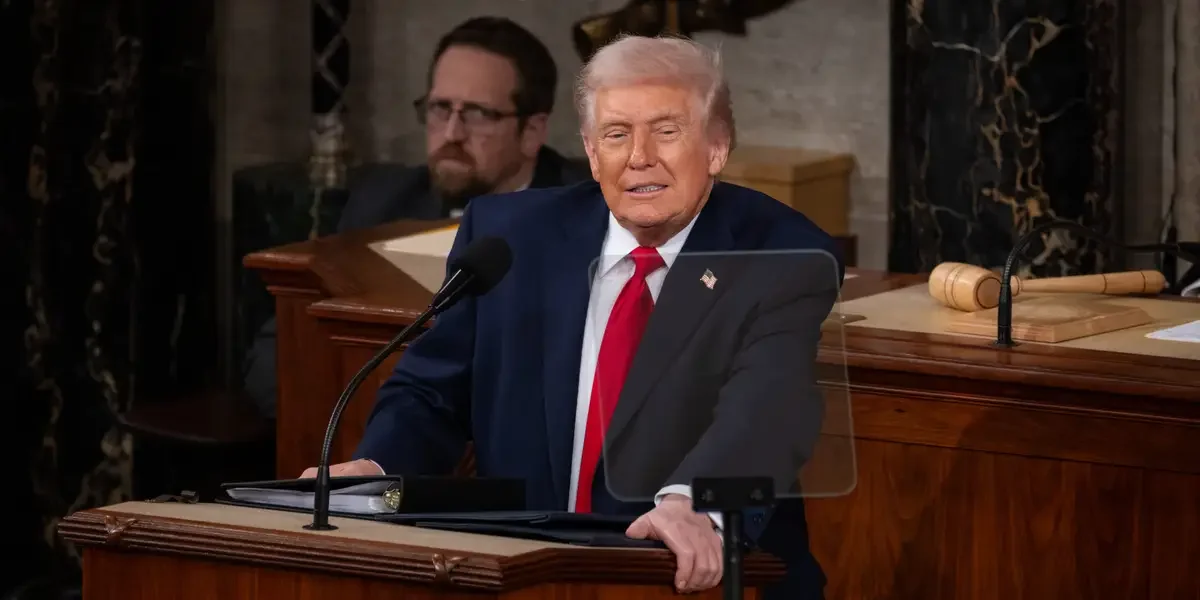
Last year, Trump's tariffs led to the slowest job growth in decades and a rise in unemployment, as businesses hesitated to hire or invest due to policy uncertainty, despite only modest increases in consumer prices.
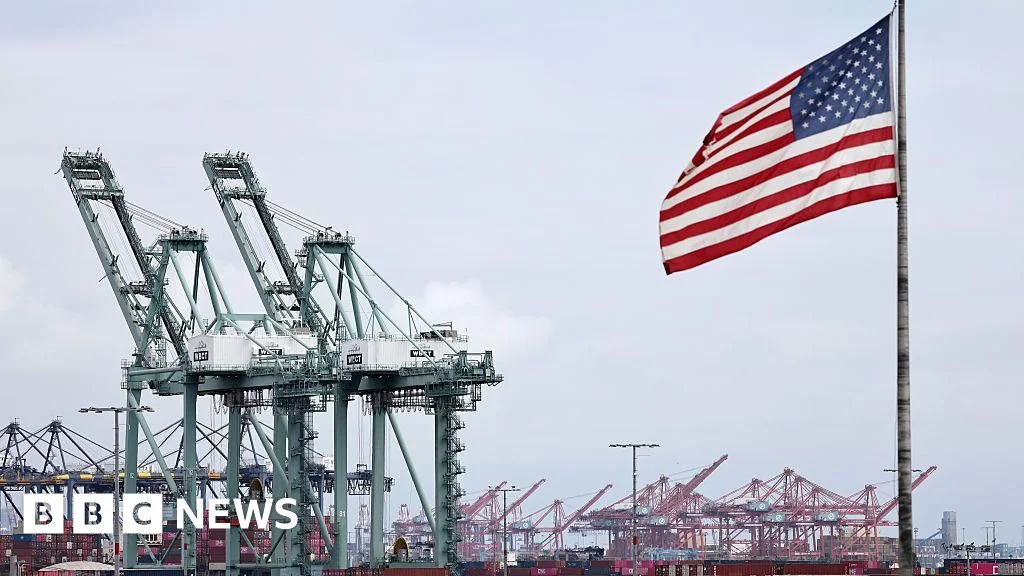
The US trade deficit has significantly decreased to its lowest since 2009, dropping by nearly half to around $29.4 billion in October 2025, driven by reduced imports and increased exports amid tariffs, which some economists see as a sign of economic resilience and a potential advantage in 2026.
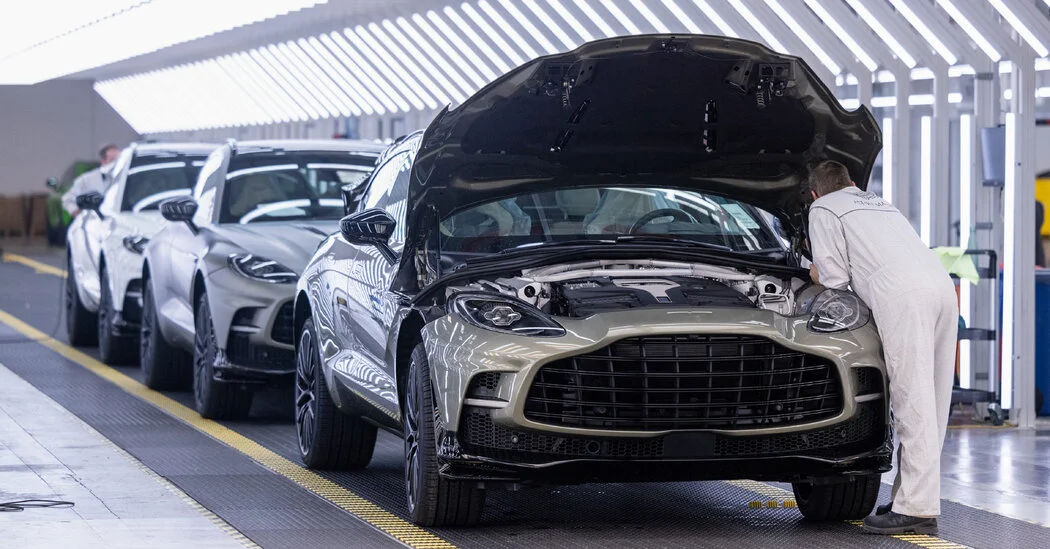
US manufacturing jobs continue to decline despite Trump's tariffs, with over 70,000 jobs lost since April and employment levels below those of his initial term, reflecting a sluggish labor market and limited impact of trade policies on blue-collar employment.
India denies that the US trade deal stalled because Modi didn't call Trump, despite claims by US officials; negotiations continue with key issues like agriculture and tariffs remaining unresolved, amid strained relations and ongoing discussions.
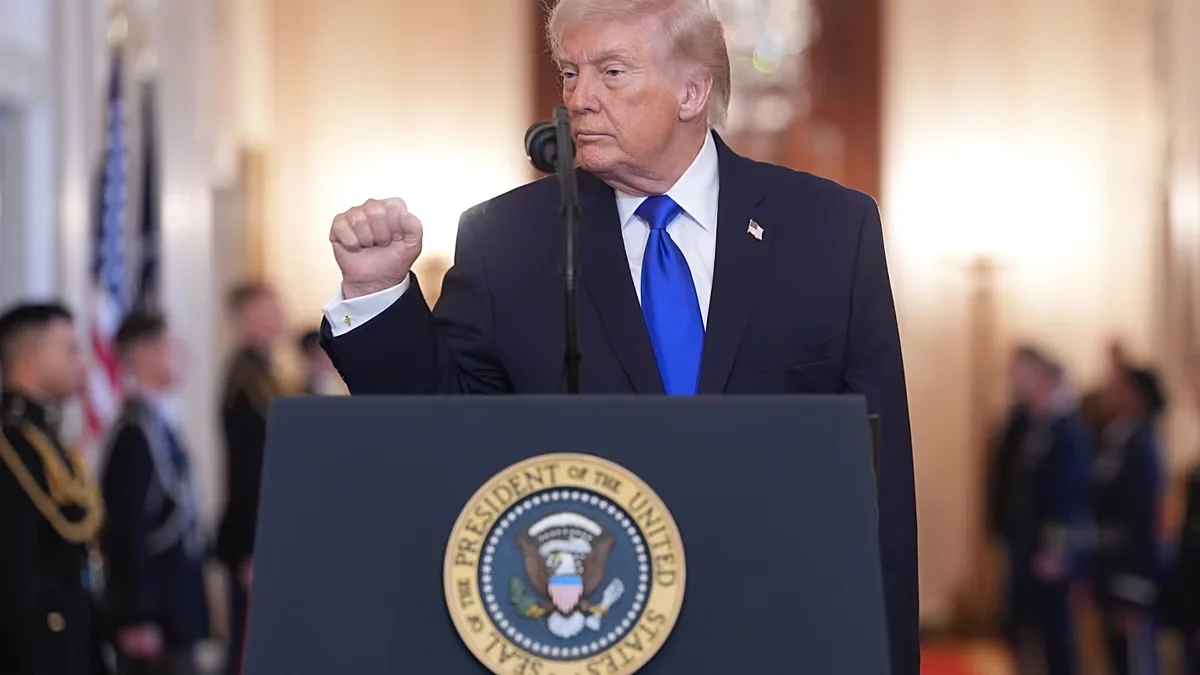
The U.S. Supreme Court has delayed ruling on the legality of President Trump's broad tariffs, which could significantly influence trade policy and the economy. The decision will determine if the tariffs imposed under the International Emergency Economic Powers Act are lawful and whether affected importers will be reimbursed. While the outcome remains uncertain, the administration has alternative methods to maintain tariffs, and a ruling against the tariffs could impact onshoring, fiscal conditions, and trade dynamics, though some analysts see room for nuanced decisions.
The U.S. trade deficit in October fell to its lowest since 2009, at $29.4 billion, driven by increased exports and decreased imports following Trump's tariffs, which appear to have curbed foreign goods' imports while boosting American exports, contributing positively to economic growth amid a resilient labor market and rising productivity.
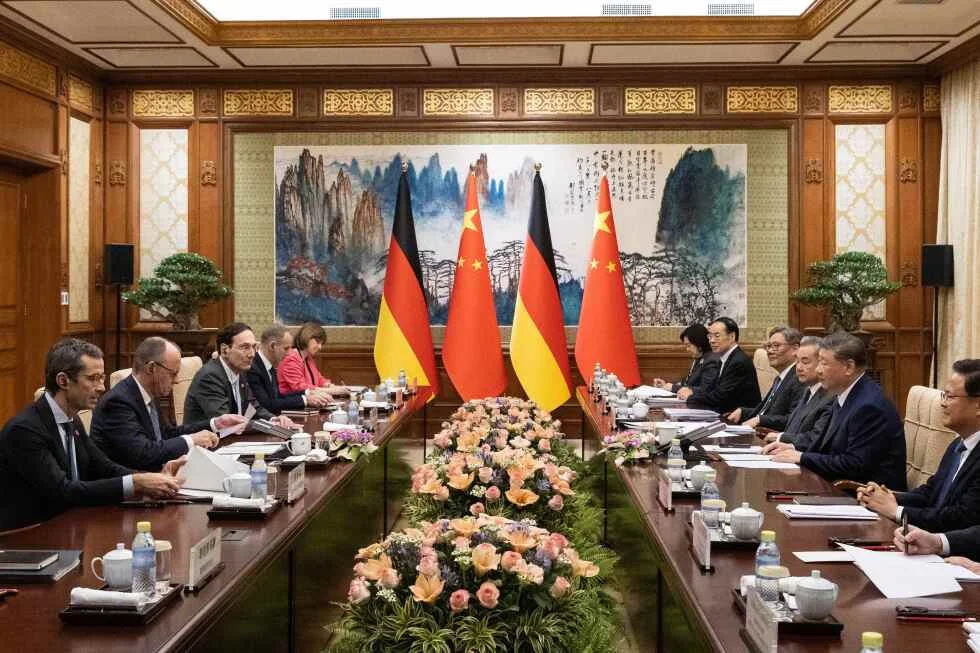
Tariffs continue to significantly influence the global economy, with ongoing US-China trade tensions, moderate growth forecasts for 2026, and various geopolitical and economic factors shaping future developments. Despite some mitigation, tariffs have increased costs and uncertainty, impacting global trade and economic growth.
Recent studies show that Trump's trade tariffs have had a limited impact on inflation and have hurt economic growth and government revenue, leading to a decline in tariff income and raising concerns about the US government's ability to manage its debt, while stock markets remain optimistic.
US manufacturing sector contracted for the 10th consecutive month in December, with the ISM PMI dropping to 47.9, the lowest since October 2024, largely due to ongoing tariffs and weak demand, leading to declining factory employment and elevated input costs. Despite some positive signs from AI investments and tax cuts, structural issues and tariff impacts continue to hinder recovery, with a potential Supreme Court ruling on tariffs expected in early 2026.
The removal of US federal tax credits for residential solar panels, batteries, and heat pumps by 2026, along with tariffs and domestic manufacturing mandates, is expected to increase costs for home electrification. However, new financing models like lease-to-own and ongoing energy savings may mitigate some expenses, while tariffs could raise prices on imported components. Despite these changes, demand for solar and heat pumps is expected to remain strong due to rising electricity costs and environmental considerations.
The US is reducing proposed tariffs on Italian pasta from potentially over 100% to between 24% and 29%, easing pressure on consumers and reflecting a softer stance in trade disputes with Italy amid political and economic considerations.
A small business owner in Pittsburgh describes how recent tariffs, especially on fabric imports, have dramatically increased costs, created uncertainty, and threatened the viability of her shop, highlighting the broader impact of trade policies on small retailers and local communities.
The US has reduced proposed tariffs on Italian pasta from as high as 92% to between 2% and 14%, following Italy's cooperation, though final decisions are pending. This move alleviates potential cost increases for consumers and reflects ongoing US-Italy trade negotiations, amid broader trade tensions.
The US Commerce Department is set to significantly reduce tariffs on Italian pasta from 107% to between 24% and 29% after an investigation found that Italian producers addressed concerns about unfair pricing, ending a threat of higher tariffs due to an antidumping complaint.