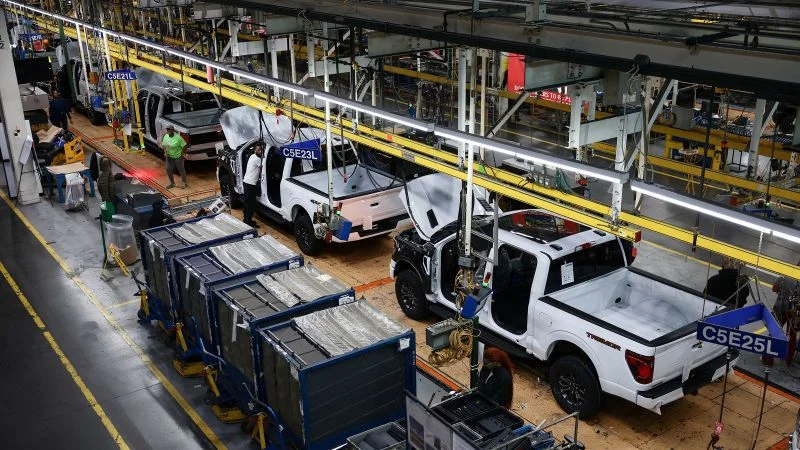
Used vehicle prices are expected to increase by 2% in 2026, marking a stable and modest rise after years of volatility, with factors like lower loan rates and increased tax refunds boosting demand, though prices remain higher than pre-pandemic levels.
Wholesale prices unexpectedly declined by 0.1% in August, providing the Federal Reserve with potential room to cut interest rates at its upcoming meeting, amid signs of easing inflation and a cautious economic outlook.
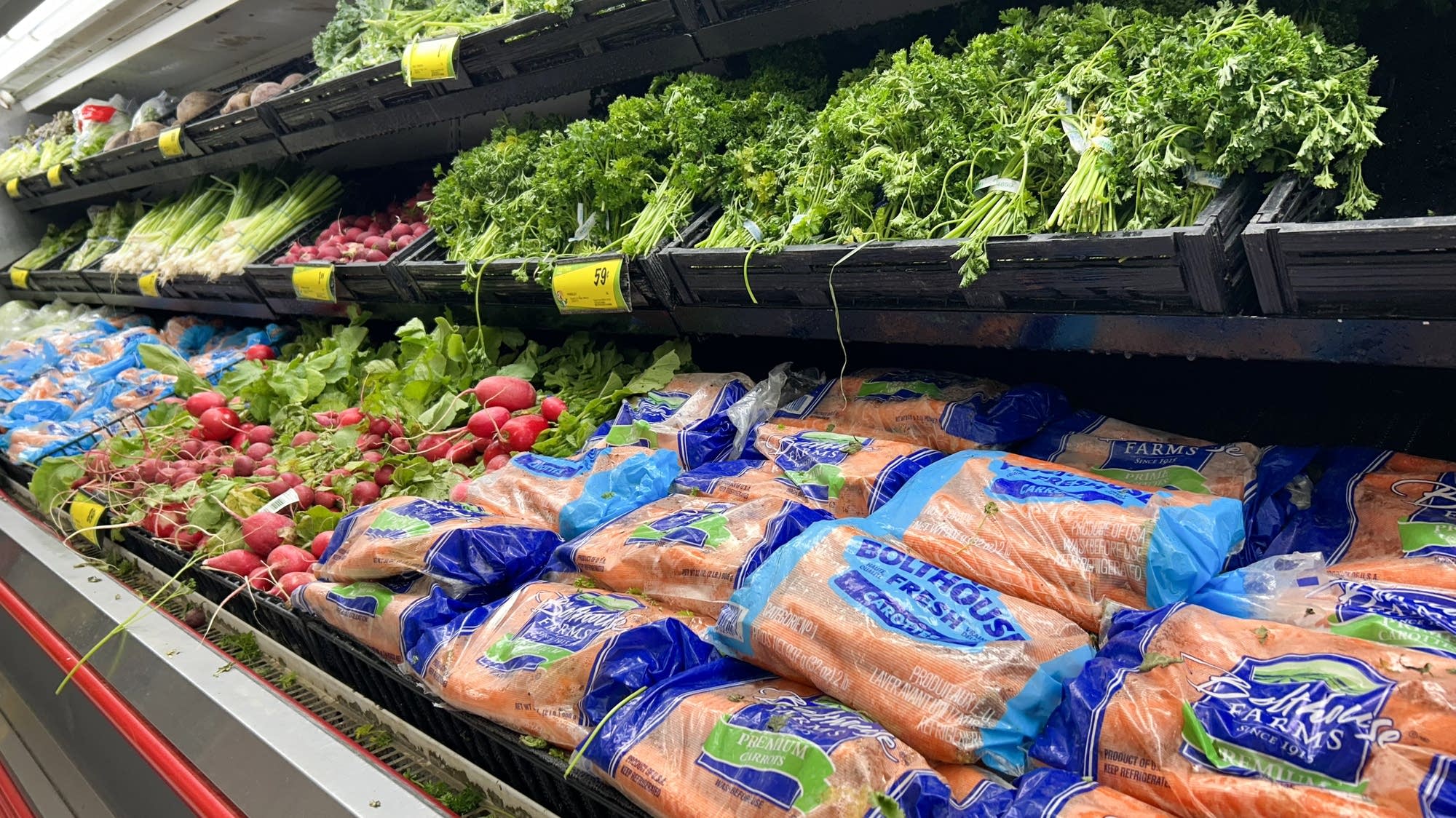
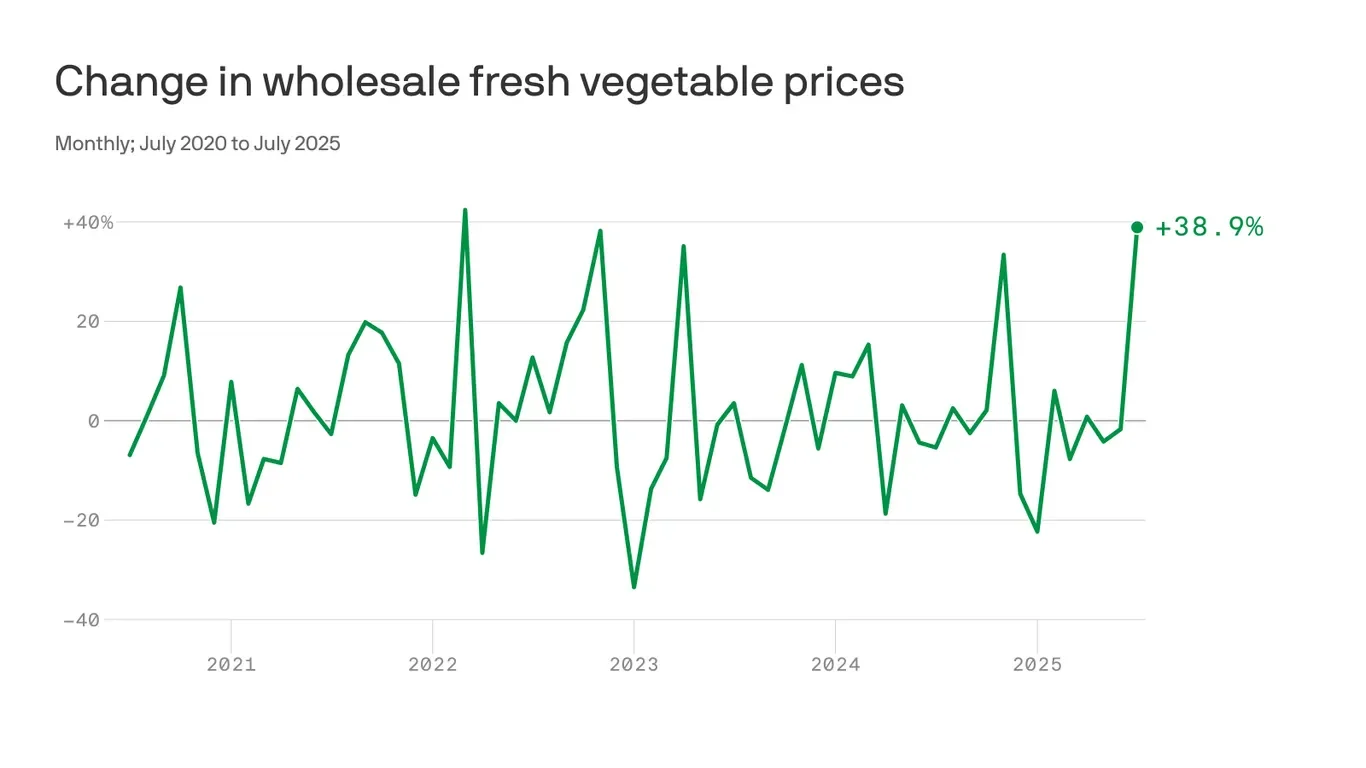
Wholesale vegetable prices in the U.S. surged by 38% in July, sparking debate over whether tariffs, weather, supply chain issues, or labor shortages are responsible. While some experts suggest tariffs may contribute, others point to weather and supply disruptions. Despite the wholesale increase, consumer vegetable prices remained stable in July, but a sustained rise could lead to higher grocery bills in the future, with potential increases exceeding 10%.
Wholesale vegetable prices have surged by nearly 39%, driven by factors such as market volatility, climate change, labor shortages, and tariffs on imports, which could lead to higher consumer prices in the coming months.
Wholesale vegetable prices in the U.S. surged to record levels in July, driven by tariffs and import issues, signaling potential increases in grocery store prices and inflation concerns for consumers.
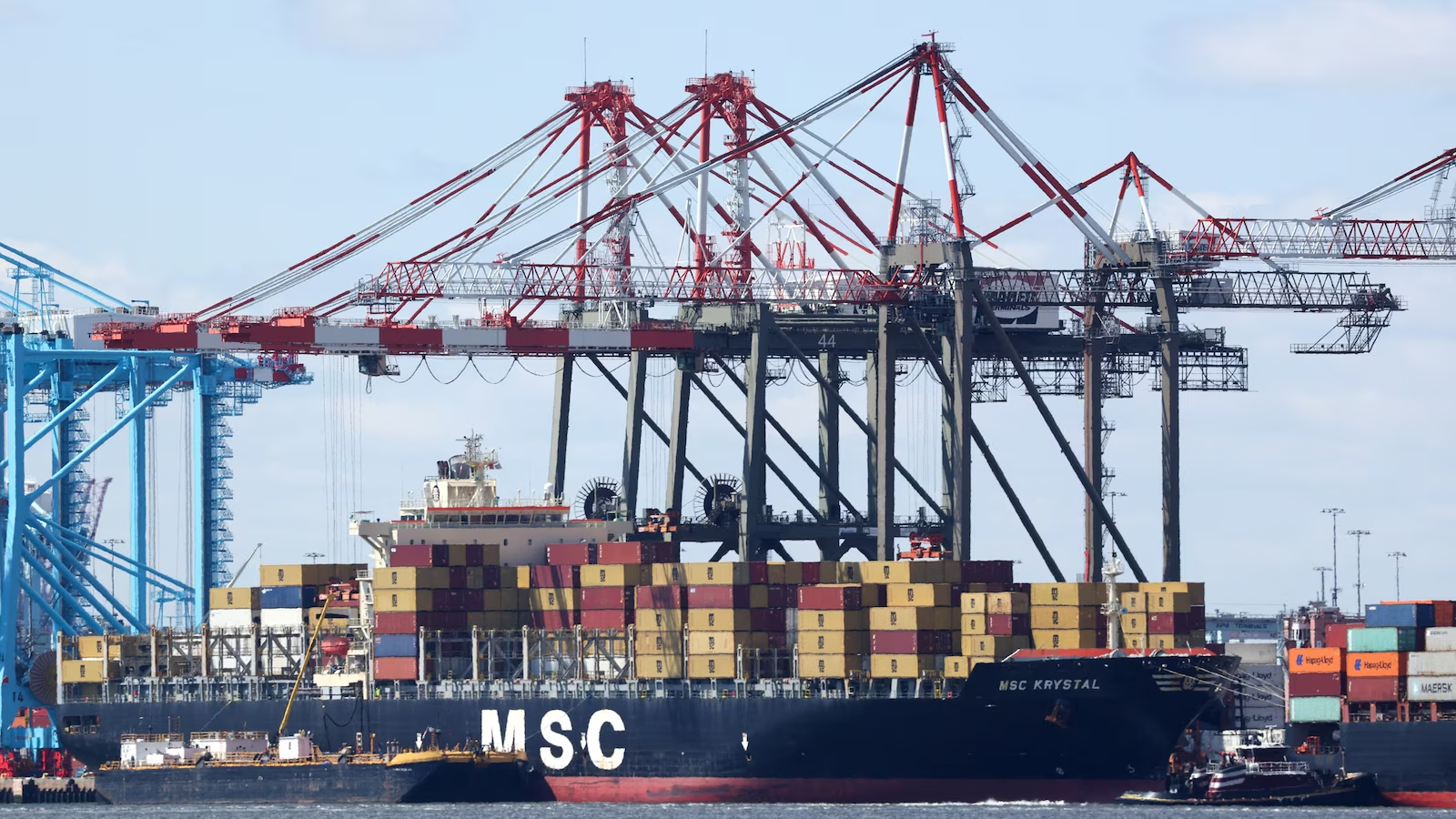
US producer prices remained unchanged in June, with a decline in services costs offsetting a rise in goods prices, indicating cautious manufacturer pricing amid ongoing trade tariff impacts and mild inflation trends.
Recent data shows minimal inflation from tariffs, with wholesale prices rising only slightly in May, suggesting that trade tensions haven't yet caused significant price increases, which may influence the Federal Reserve's interest rate decisions.
Used vehicle prices decreased slightly in May from April but remain significantly higher than last year, driven by sustained demand and low inventory levels, despite some easing from recent highs caused by tariff-related buying surges.
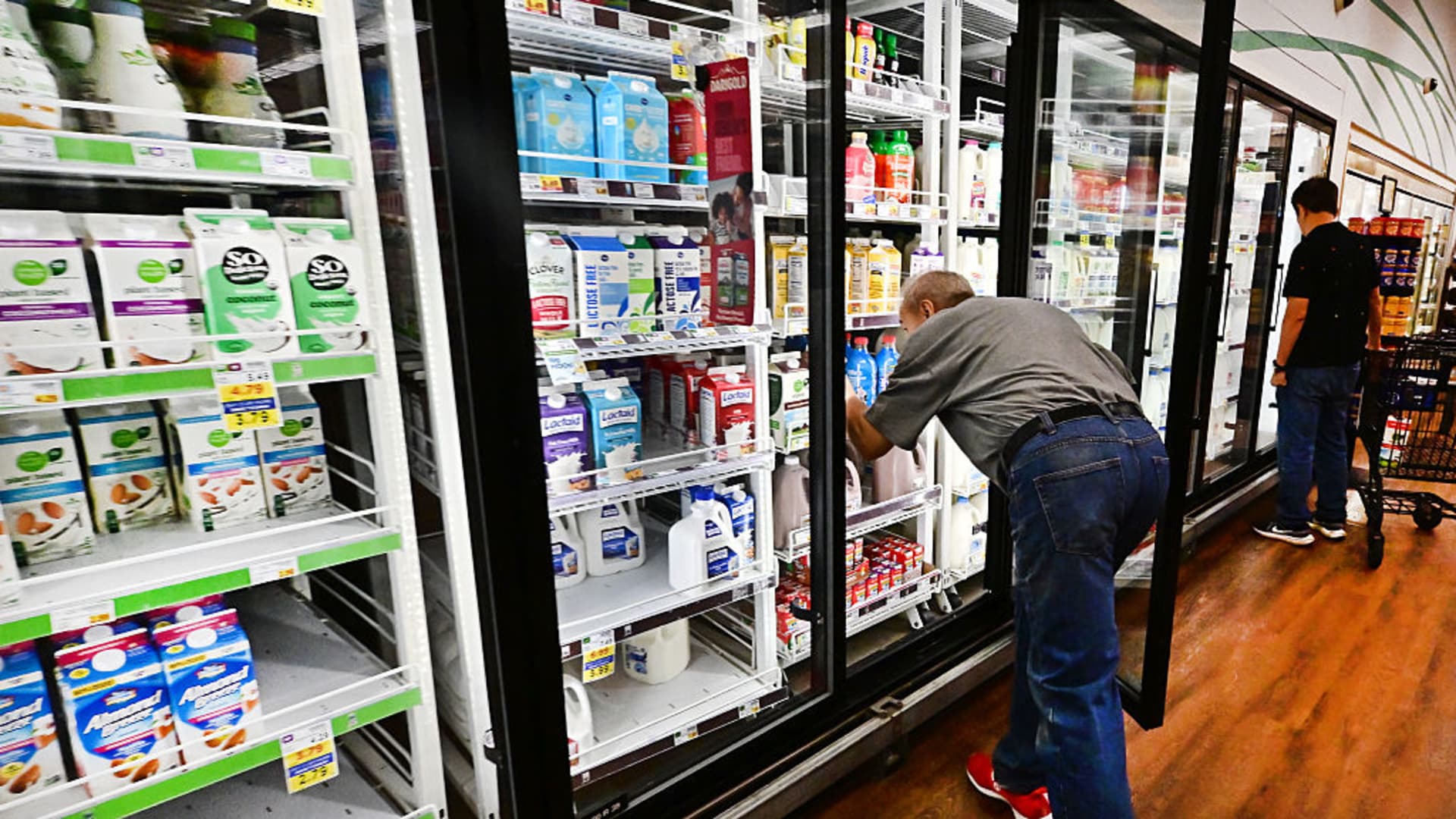
Wholesale inflation in the US rose more than expected in November, driven by a 3.1% increase in food prices, according to the Labor Department's producer price index. This uptick comes despite a general decline in inflation from its peak levels and precedes the Federal Reserve's anticipated interest rate cut next week. The Fed has been reducing rates following a series of hikes aimed at curbing inflation, which remains above its 2% target. The report suggests ongoing price pressures, although components affecting the Fed's preferred inflation measure, the PCE index, were weak.
Wholesale prices rose by 0.2% in October, slightly higher than September, according to the producer price index. This increase, while modest, could potentially lead to higher consumer prices, though experts like Saloni Firasta Vastani suggest the rise may not be significant enough to impact consumers immediately. The Labor Department reported a 2.4% increase in wholesale prices compared to last year. With Federal Reserve Chair Jerome Powell indicating stable interest rates, the economic balance between inflation and interest rates remains delicate.
US wholesale inflation rose more than expected in October, with the Producer Price Index increasing by 0.2% monthly and 2.4% annually, driven by base effects and a slight drop in energy prices. Core PPI, excluding food and energy, also saw a rise, indicating persistent inflationary pressures. Economists are adjusting forecasts for the Personal Consumption Expenditures price index, the Federal Reserve's preferred inflation measure. Concerns remain about potential inflationary impacts from geopolitical tensions and proposed tariffs.
Wholesale inflation in the US rose 0.2% in March, marking the highest level since April 2023, with annual prices up 2.1%. Core prices, excluding food and energy, also increased by 0.2% for the month and 2.4% annually. High inflation is putting financial strain on American households, particularly impacting low-income individuals. The data suggests that inflation remains above the Federal Reserve's 2% target, prompting close monitoring by policymakers as they consider potential interest rate adjustments.
Wholesale prices rose 0.2% in March, less than the 0.3% estimate, providing potential relief from inflation concerns. The 2.1% increase over the past 12 months suggests ongoing inflationary pressures. Excluding food and energy, the core PPI also rose 0.2%, meeting expectations. The release comes after consumer prices rose more than expected in March, raising concerns about the Federal Reserve's ability to lower interest rates. Markets showed little reaction to the data, with futures tied to major stock indexes slightly higher though Treasury yields declined. Initial filings for jobless benefits fell to 211,000, while continuing claims increased to 1.82 million, as the Federal Reserve contemplates its next moves on monetary policy.
Wholesale prices in the U.S. rose more than expected in January, with the producer price index (PPI) increasing by 0.3%, exceeding economists' forecasts. Excluding food and energy, core PPI rose by 0.5%, while PPI excluding food, energy, and trade services jumped by 0.6%. This comes after the consumer price index (CPI) showed persistent inflation, with CPI up 3.1% from a year ago. The report has raised concerns about inflation persistence, leading to market reactions and adjustments in expectations for Federal Reserve interest rate cuts. Additionally, retail sales in January slid by 0.8%, further complicating the economic outlook.