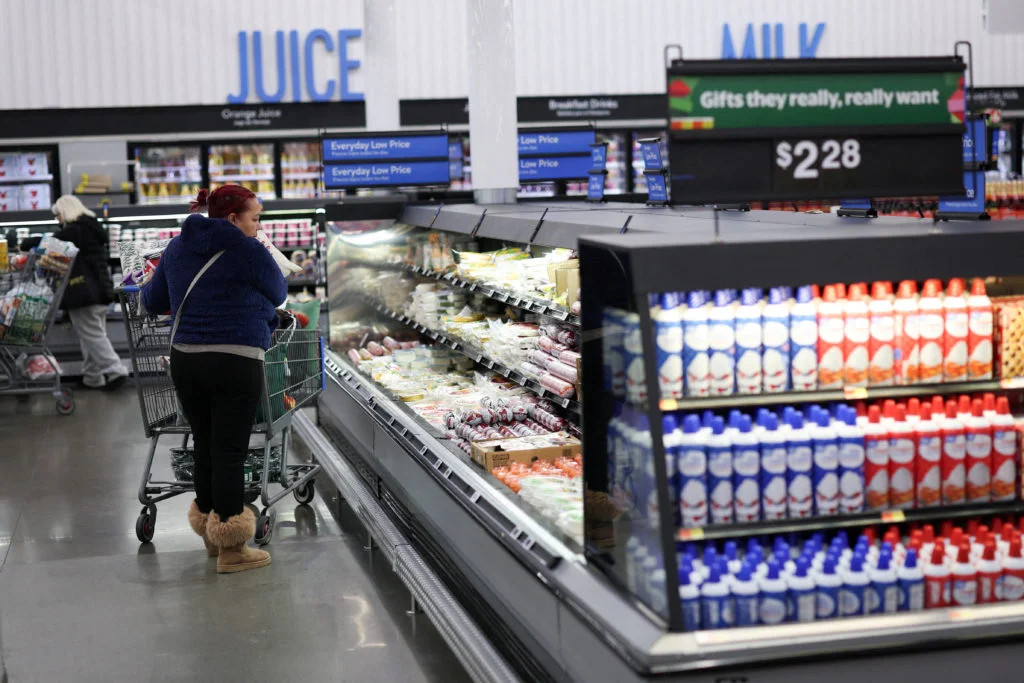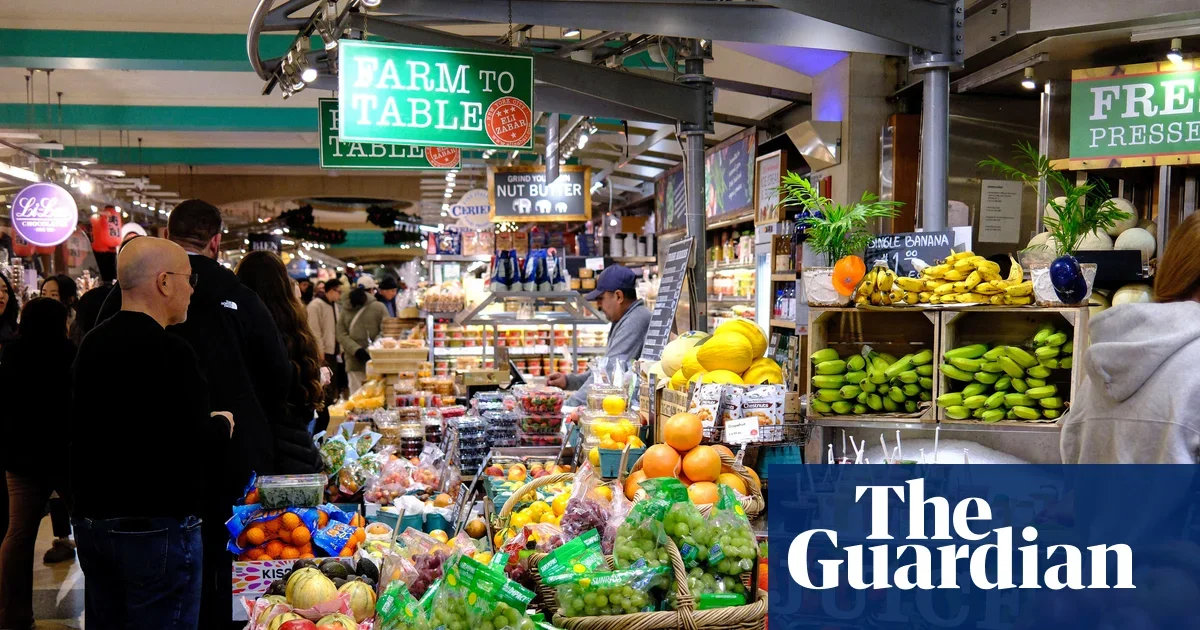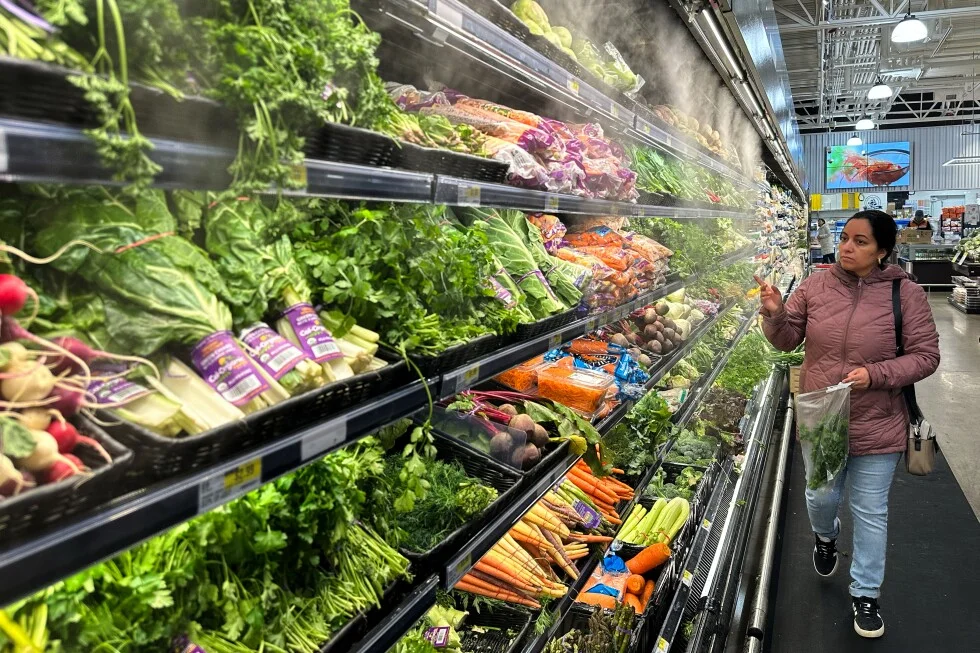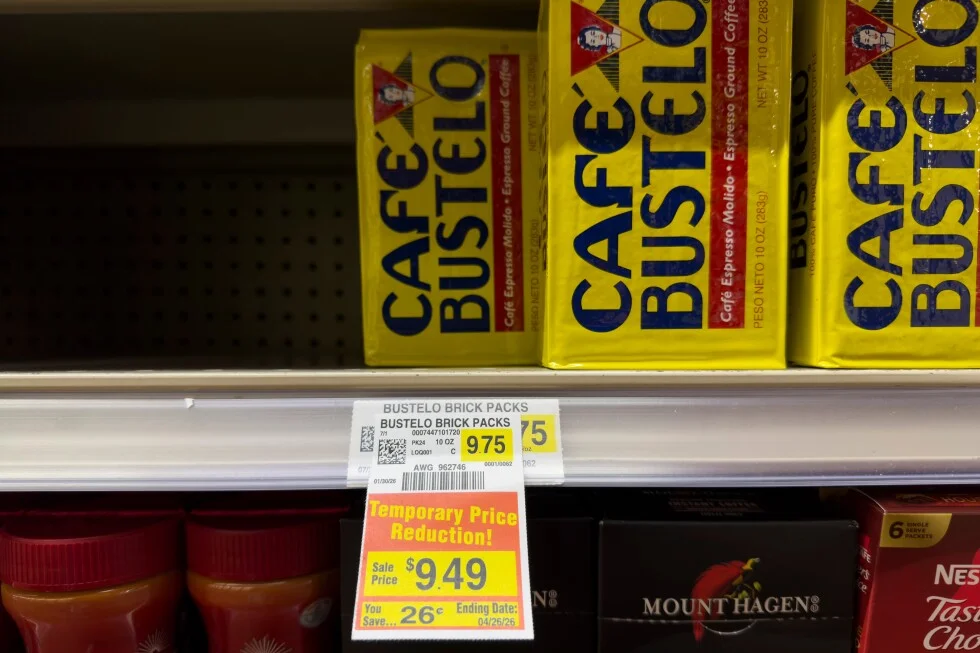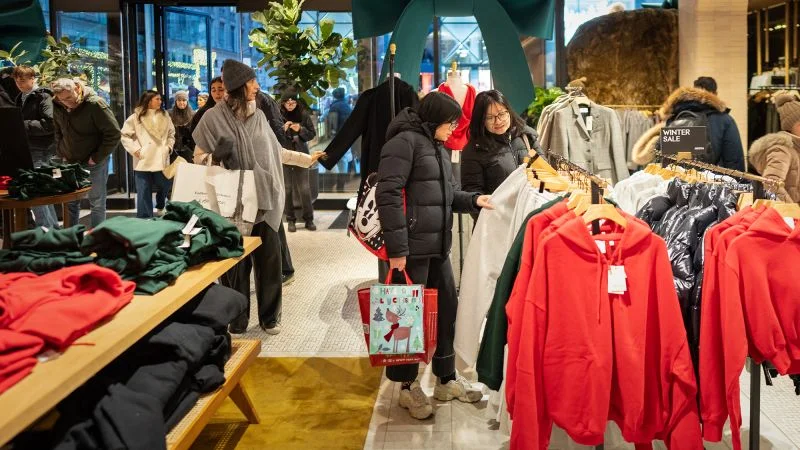
The 2025 holiday shopping season revealed resilient US consumer spending, with a 3.9% increase driven by low-cost options and discounts, despite economic concerns like slowing hiring and rising inflation. This strong retail performance, especially in budget-friendly categories, suggests consumer confidence remains robust, supporting overall economic growth, which expanded at a 4.3% annualized rate in Q3.
China's economy appears resilient on paper with strong exports and advancements in technology, but many ordinary Chinese face economic hardship due to weak property prices, job insecurity, and reduced consumer spending, highlighting a disconnect between official figures and everyday realities.
Bank of America CEO Brian Moynihan discusses the US economy, highlighting solid consumer spending across income levels despite inflation concerns, the impact of interest rates on housing, and the ongoing effects of trade policies and AI integration in banking. He emphasizes the importance of a stable Federal Reserve and reassures that the bank maintains inclusive policies, countering political and social pressures.
In 2025, 'value' remained the key focus for restaurants as consumers, especially those with lower incomes, cut back on dining out due to economic pressures. McDonald's and other chains intensified their value offerings, with McDonald's extending its $5 value meal and other promotions to attract budget-conscious diners. While fast-casual chains like Chipotle and Sweetgreen avoided deep discounts, some casual-dining chains like Chili's and Olive Garden successfully leveraged value strategies to boost sales. The industry anticipates continued value-driven competition in 2026 amid economic uncertainties and rising costs, with no signs of a significant shift away from value-focused strategies.
The U.S. GDP growth of 4.3% in Q3 may be overstated due to unusual inflation data in the video game sector and tariff-related import adjustments, with significant contributions from health care spending and potential distortions in recreation-related software and accessories prices.
Despite strong GDP growth driven by AI investment and consumer spending, the US faces a 'jobless boom' with slow job creation, high unemployment, and companies doing more with fewer workers, raising concerns about the future job market.
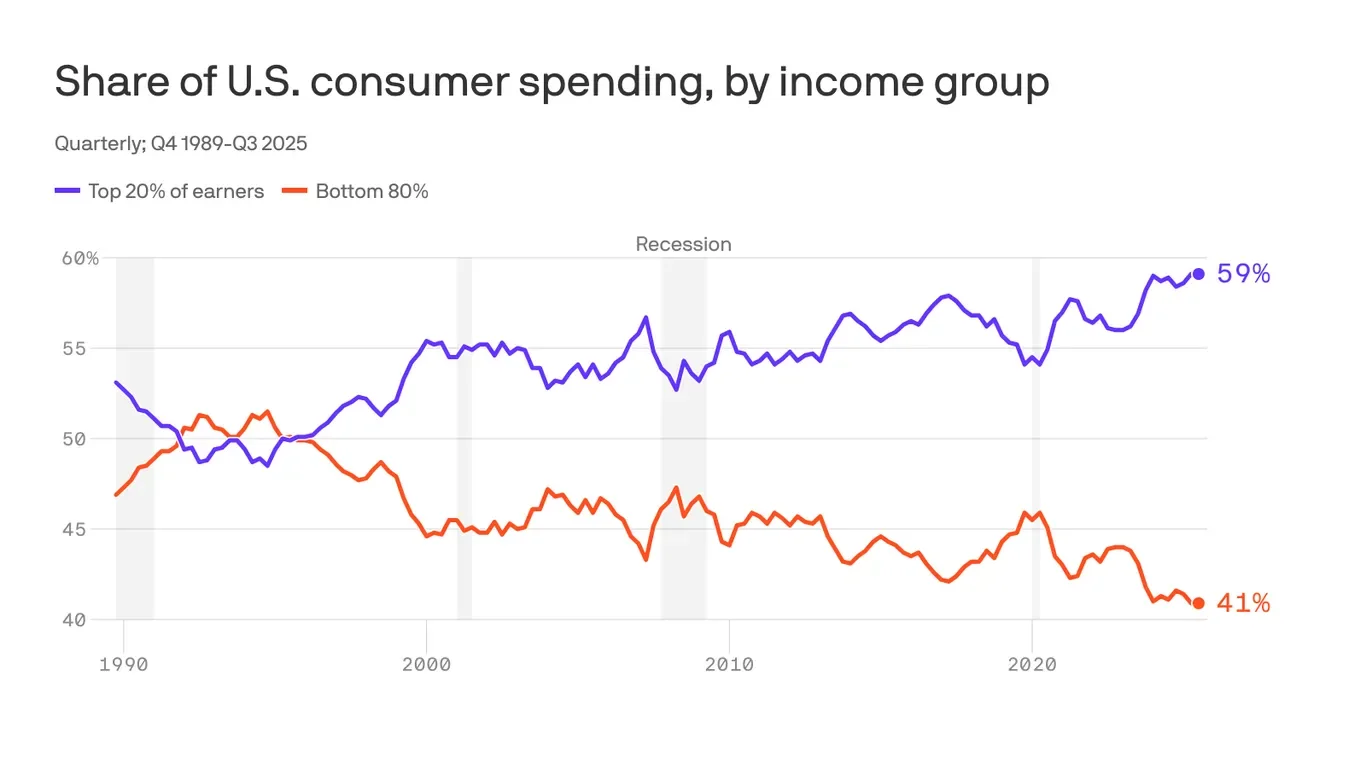
The US economy showed strong GDP growth of 4.3% in Q3, driven by consumer spending and corporate profits, but this growth is not supported by job creation or income increases, leading to concerns about a K-shaped recovery where the wealthy benefit while lower-income households face stagnation and financial pressure, raising questions about the sustainability of this growth.
Despite the US economy's fastest growth in two years with a 4.3% GDP increase, many Americans remain pessimistic due to stagnant wages, rising living costs, and concerns over job security, highlighting a K-shaped recovery where the wealthy benefit while others struggle.
The U.S. economy appears to be thriving for the wealthy, with strong demand for luxury goods and positive consumer spending among higher-income households, despite concerns about slower growth and rising unemployment that could impact lower-income groups. Administration efforts aim to boost wages and economic expansion through tax policies, but analysts warn that consumer spending may weaken if employment does not improve.
The US economy grew at a 4.3% annual rate in Q3, the fastest in two years, driven by increased consumer spending, rising exports, and government spending, despite challenges like inflation and a slowing job market. Experts see the momentum continuing, though rising prices may pose risks to sustained growth.
The US economy experienced a strong 4.3% GDP growth in Q3 2025, the fastest in two years, driven by increased consumer spending, exports, and government expenditure, despite rising inflation and a slowdown in employment growth. Economists predict a slowdown in growth for Q4 due to the government shutdown and other factors.
The US economy experienced strong growth in the third quarter with a 4.3% annualized GDP increase, driven by consumer spending, exports, and government expenditure, despite political and trade uncertainties. This robust performance complicates the Federal Reserve's decision on interest rates amid inflation concerns and a mixed jobs market, with recent government shutdowns impacting data collection.
The U.S. economy grew by 4.3% in the third quarter, surpassing expectations, driven by strong consumer spending, exports, and government spending, despite ongoing inflation pressures. Corporate profits also increased significantly, indicating robust economic activity. The report was delayed due to the government shutdown and will be followed by a final estimate later.
The US economy grew at an annualized rate of 4.3% in the third quarter, surpassing expectations, driven by increased consumer spending and exports, with stock futures showing little change after the data release.
Holiday sales in the US increased by 4.2% in the first seven weeks, but the growth is slower than last year due to economic worries, inflation, and higher prices, with electronics and clothing seeing notable gains, while overall consumer spending remains cautious.