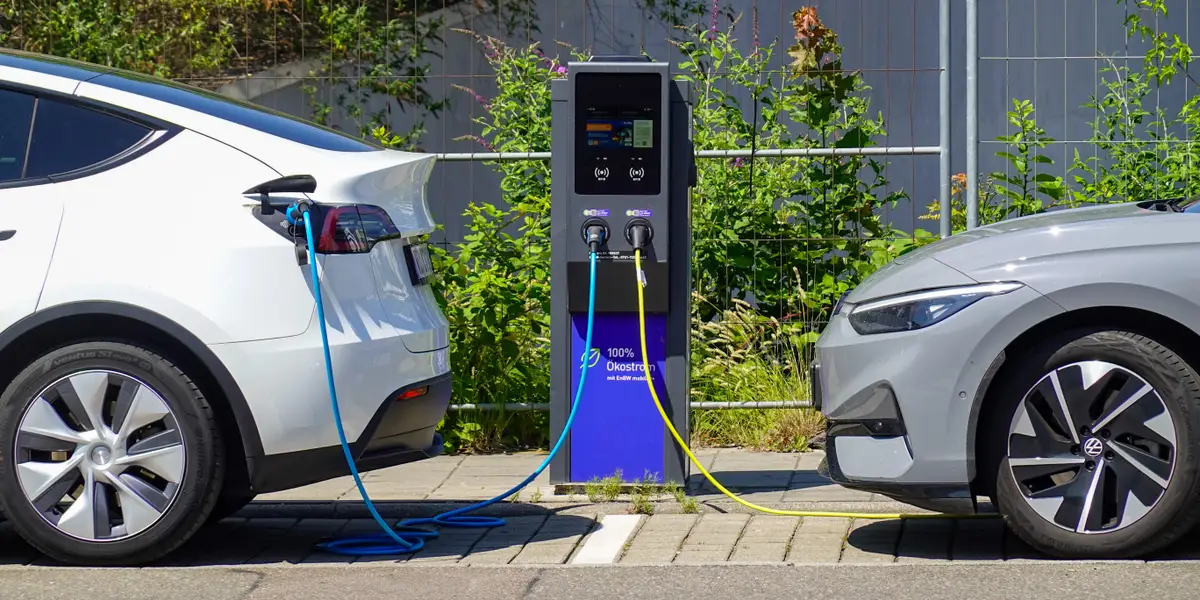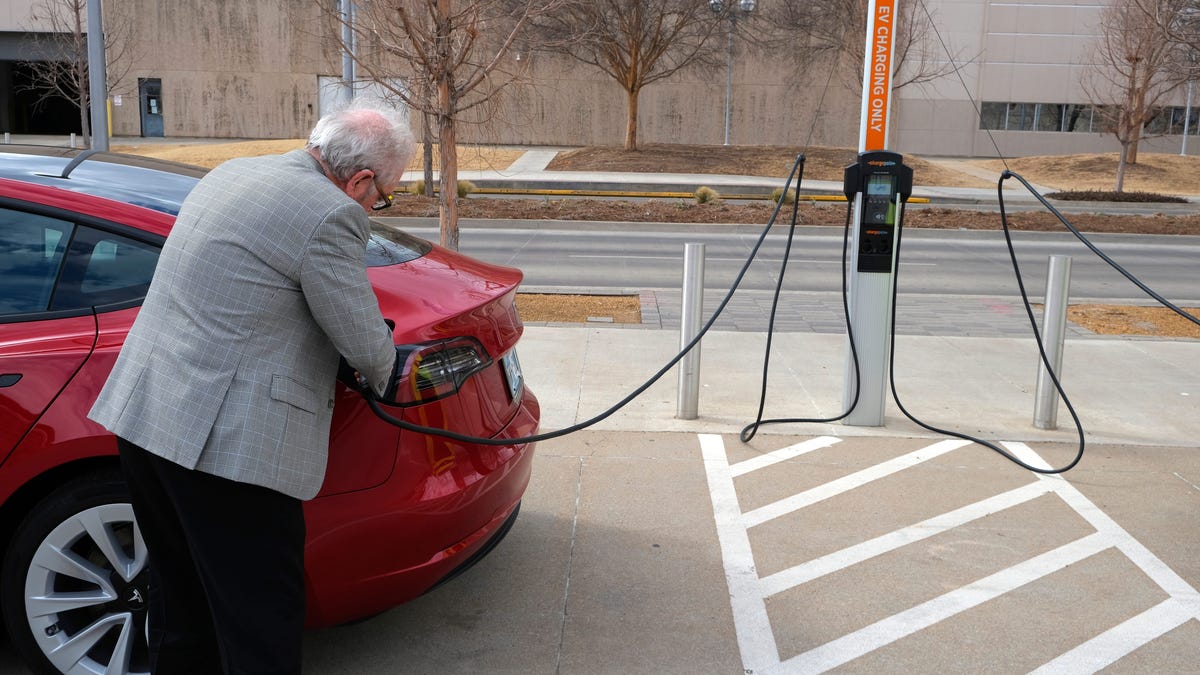
The federal EV tax credit worth up to $7,500 is ending on September 30, but the IRS has clarified that as long as a binding contract and payment are made before the deadline, the purchase can still qualify for the credit even if delivery occurs later. This flexibility is especially helpful for buyers ordering or shipping vehicles from out of state. The end of the credit is expected to impact EV sales, which have already seen a slowdown, but long-term growth in electric vehicle adoption remains likely.
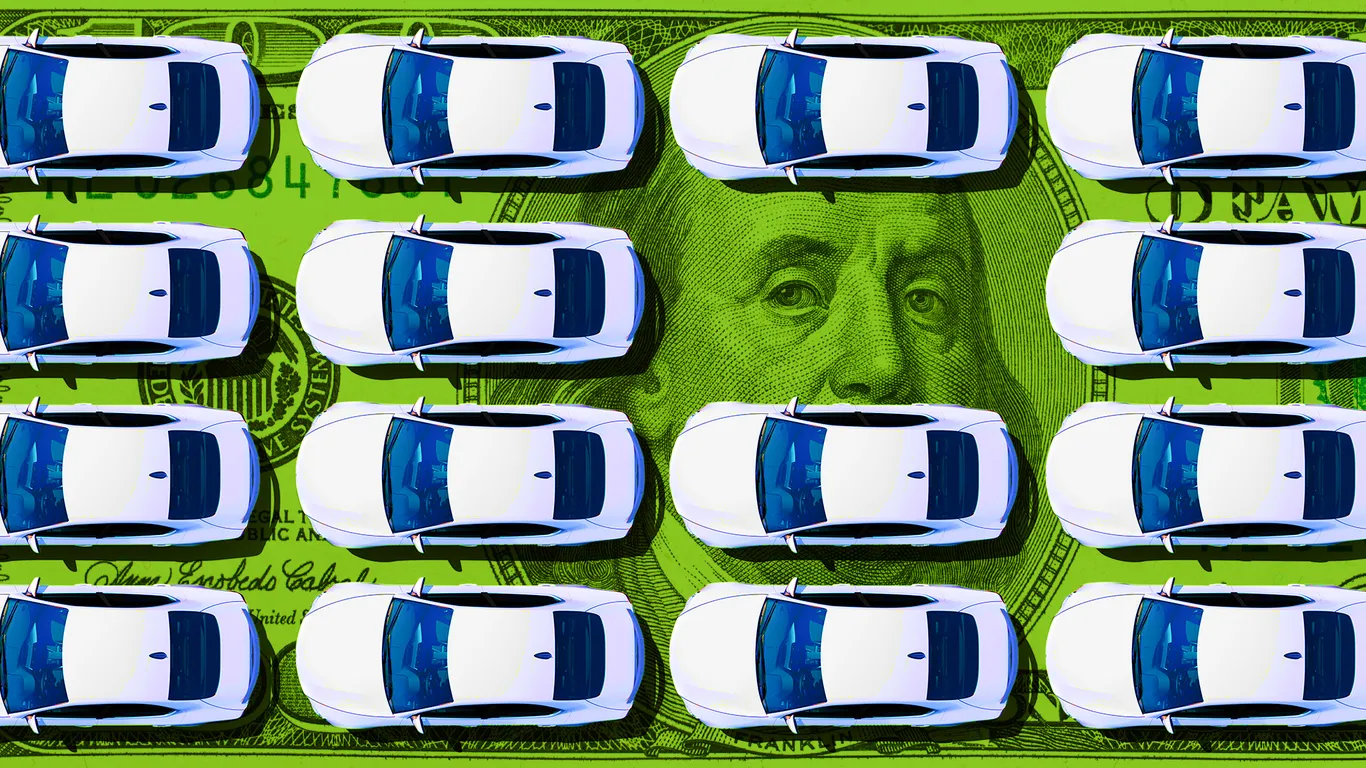
Amid concerns over rising car prices and policy uncertainties, middle-income Americans are accelerating their car purchases, with more considering buying now rather than delaying, driven by fears of future price hikes and incentives ending, as shown in a Santander survey.
The $7,500 federal EV tax credit will expire on September 30 after President Trump signed the Big Beautiful Bill, making it a good time for potential buyers to purchase new electric vehicles before the incentive ends. Used EVs also qualify for a smaller tax credit, and market competition may influence prices and incentives in the future. If you're planning to buy an EV and can afford it, it's advisable to do so before the credit expires.
The $7,500 federal tax credit for new electric vehicles and $4,000 for used EVs is set to expire at the end of September due to recent legislation, prompting potential buyers to accelerate their purchases to benefit from the subsidy. Experts advise researching inventory and timing purchases before the deadline, as well as considering alternative incentives like a new $10,000 interest deduction for qualifying new cars. The expiration could impact EV sales and prices, but used EVs and hybrid models may offer alternative options.
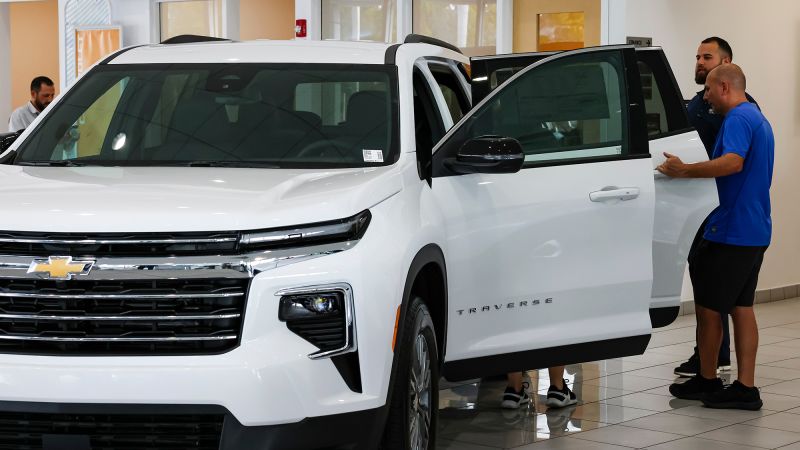
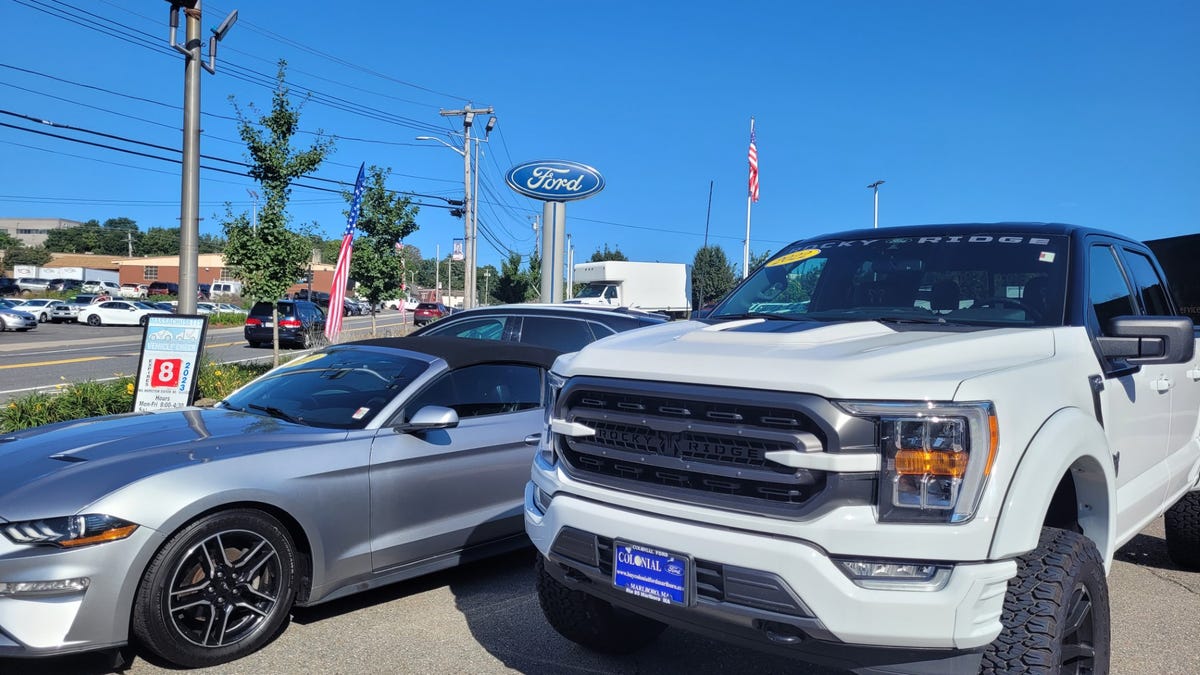
Despite the implementation of 25% tariffs on imported cars and auto parts in April, car prices in the US have remained relatively stable so far, mainly due to dealer inventory and reduced demand. However, industry experts predict prices may rise in the coming months as automakers begin passing on tariff costs, especially with new model year releases. Consumers might consider buying now before potential price hikes later this year.
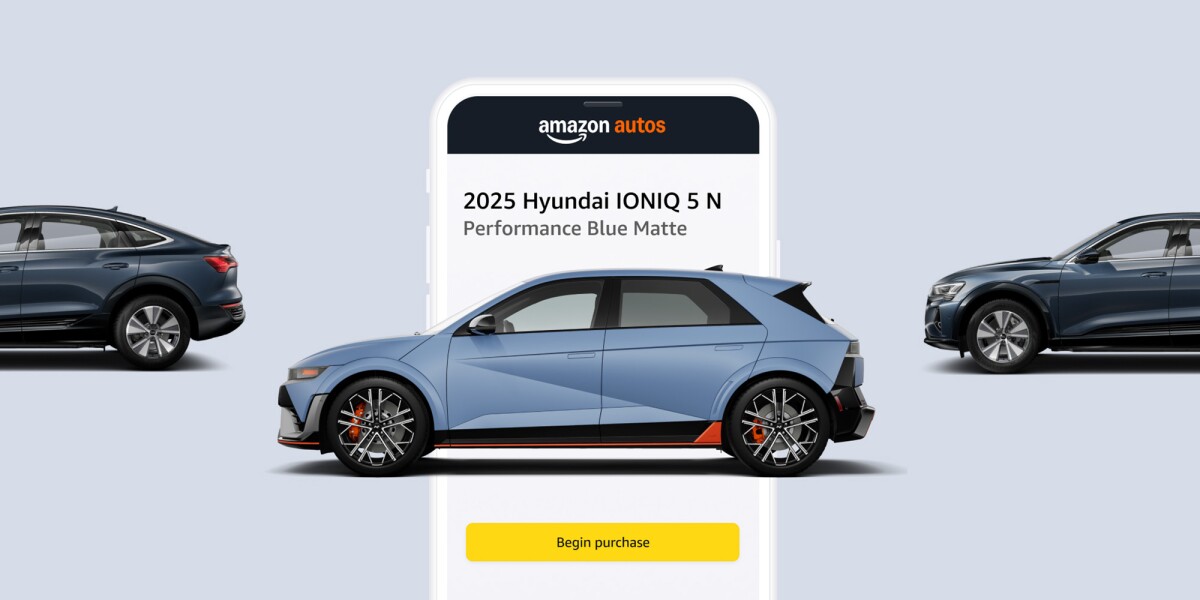
Amazon has launched Amazon Autos, allowing customers in 48 U.S. cities to purchase new Hyundai vehicles online through participating local dealers. The service offers a streamlined car buying experience with features like browsing, financing, and scheduling pick-up, all within the Amazon platform. This initiative aims to make car shopping more transparent and convenient, with plans to expand to more brands and cities in the future.
Amazon has launched Amazon Autos, a service allowing customers in 48 U.S. cities to buy, finance, and pick up new Hyundai vehicles through its website, aiming to simplify the car-buying process. The service offers features like transparent pricing, trade-in options, and online checkout, with plans to expand to more brands and cities. By partnering with dealerships, Amazon positions itself as a complement to traditional car sales, tapping into the growing demand for online car shopping.
Car buyers can expect better deals this Memorial Day weekend as dealerships face higher inventories of 2023 models, leading to significant discounts and lower interest rates. The market has shifted from a seller's to a buyer's market, with average discounts on 2023 models more than doubling compared to last year. While new vehicle costs have mostly held steady, used car prices have dropped significantly. Buyers are advised to research discounts and financing options to maximize savings.
Amazon is piloting a program to allow a small number of Hyundai dealers to sell vehicles through its platform to employees, aiming to bring a seamless online car-buying experience to a highly regulated industry. While some dealers are skeptical, a significant portion of car buyers, especially those interested in electric vehicles, are interested in online purchasing. Amazon's entry into the market has raised concerns among dealers, but its technological sophistication and resources could potentially reshape the future of car-buying.
The Federal Trade Commission has postponed the implementation of the Combatting Auto Retail Scams (CARS) Rule, designed to protect consumers from dealership scams, due to legal challenges from the National Automobile Dealers Association and the Texas Automobile Dealers Association. The rule, which aims to prohibit bait-and-switch tactics and hidden junk fees, has faced criticism from the car-buying industry but received praise from consumer advocates. The FTC asserts that the rule will not increase compliance costs for law-abiding dealers and expects it to save consumers billions of dollars annually.
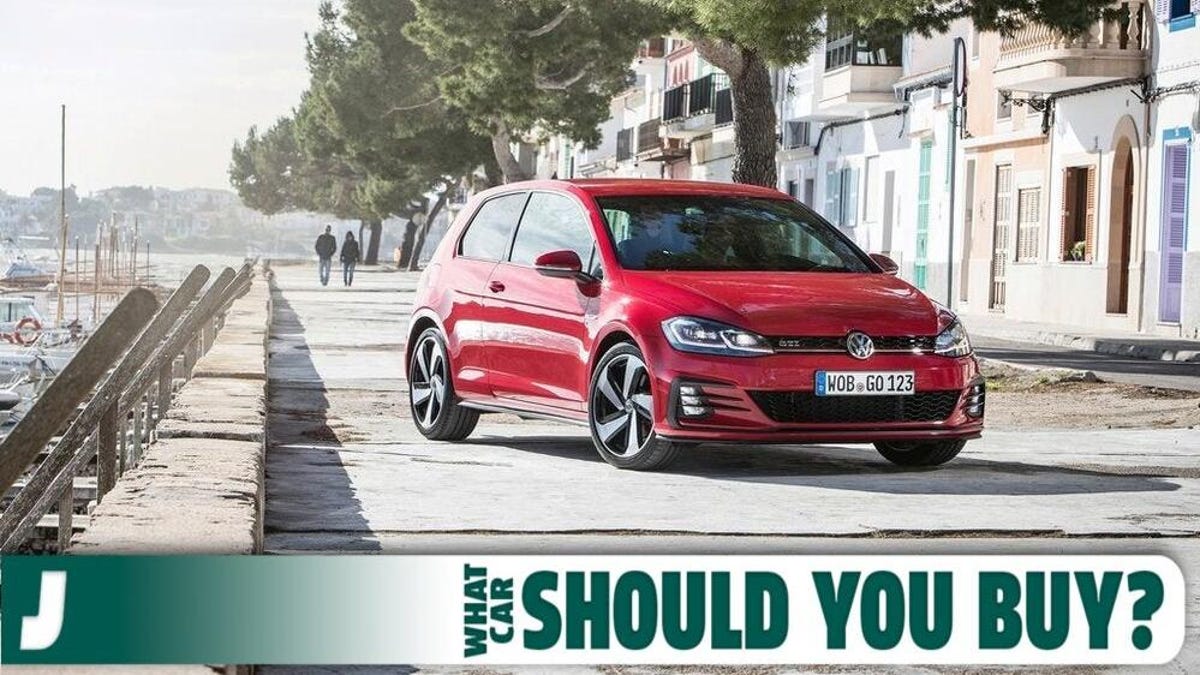
Brad, a recent graduate with a budget of up to $60,000, is seeking advice on buying his first "enthusiast approved" car with a manual transmission and over 200 hp. Experts suggest options including a Porsche Cayman, Toyota Supra, Cadillac Blackwing, Corolla GR, and BMW M2, each offering unique features and driving experiences within his budget and preferences.
This Christmas is a great time to buy an electric vehicle (EV) as buyers can still get the full EV tax credit of up to $7,500 and have the widest selection of eligible models. However, starting January 1, 2024, new rules on battery components and minerals may limit the selection of EVs eligible for the credit. The government is tightening the rules to ensure EV parts are sourced within the US and to promote domestic manufacturing. Leasing an EV will still allow consumers to maximize the rebate in 2024, as commercial vehicles qualify for the credit under a separate program.
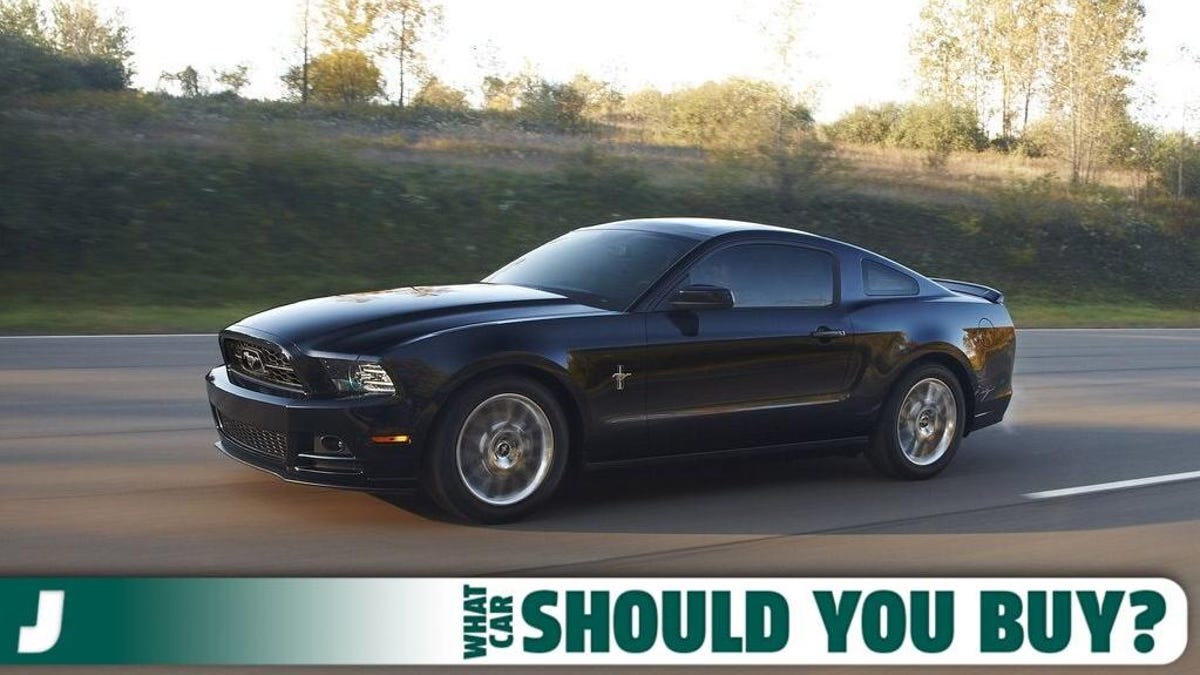
Robert, who currently owns a 2014 Mustang, is looking to upgrade to a more family-friendly vehicle with four doors and better fuel economy for commuting with his 4-year-old to school in Florida. Experts suggest options such as the Kia EV6 hatchback, Infiniti Q50 Red Sport, Kia Stinger, and Dodge Charger R/T Scat Pack, each offering a combination of sportiness, practicality, and varying levels of power and fuel efficiency within his budget of $35,000.
A record 17.5% of new-car buyers in the third quarter paid over $1,000 a month for a vehicle, compared to less than 7% three years ago, according to automotive data provider Edmunds. This increase in monthly payments highlights a growing financial burden for car buyers.
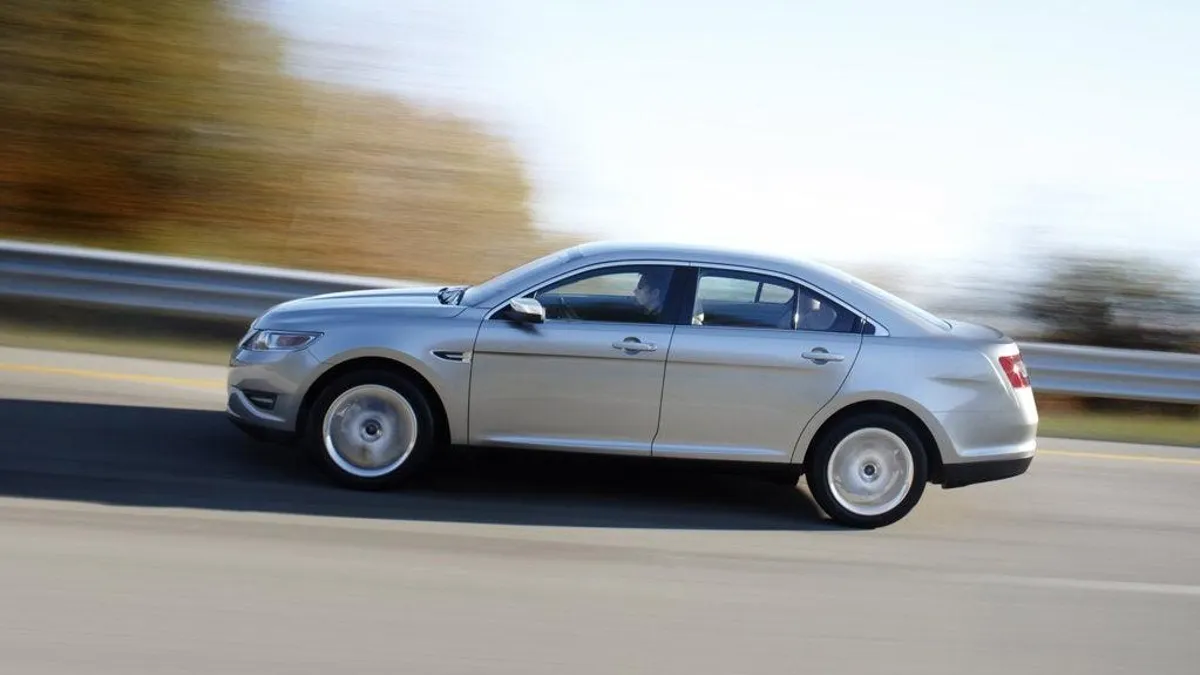
Fritz is looking to upgrade his dad's 2011 Ford Taurus to a 2-row SUV with better visibility. Experts suggest options such as a Lexus RX for luxury features and comfort, a Nissan Murano CrossCabriolet for a convertible experience, an 11-year-old BMW X6 M for a powerful and unique choice, or a first-generation Range Rover Sport for style and substance at a lower price point.