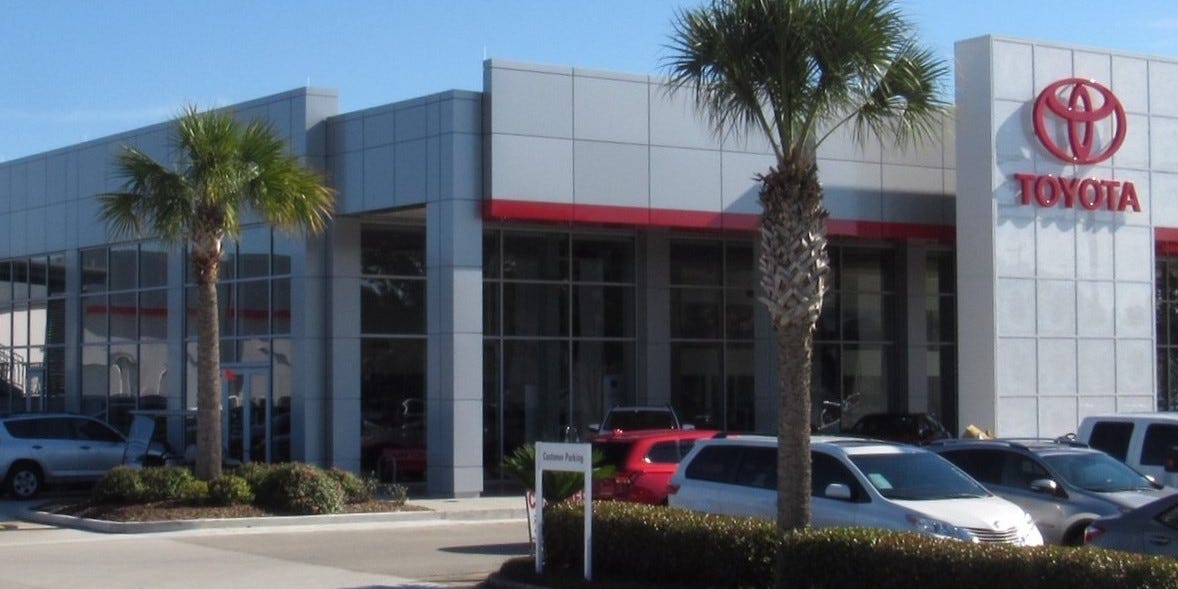
The average age of cars, trucks, and SUVs in the US has reached a record 12.6 years in 2024 due to high new vehicle costs, though the growth in average age is slowing as new vehicle sales recover. With new vehicle prices averaging over $45,000, many consumers are keeping their older vehicles longer. Factors such as the decision between electric, hybrid, or gasoline vehicles and concerns about charging infrastructure also play a role. New vehicle sales are expected to rise to 16 million this year, which may stabilize the average vehicle age.
The United Auto Workers (UAW) strike against Ford, General Motors, and Stellantis has ended after 46 days, making it the longest UAW action since 1998. UAW members voted to accept the new contracts, which include wage increases and cost-of-living adjustments. However, the gains fall short of the initial demands, leading to some dissatisfaction among union members. The strike has resulted in significant costs for the automakers, with new-car prices predicted to rise as a result. The strike's impact on the industry may also create an opportunity for Chinese automakers to enter the US market with lower-priced vehicles.
New car prices have been trending downward overall for months now, and in March, car buyers paid below the sticker price for the first time in 20 months. Brands like Chevrolet, Chrysler, Dodge, Ford, and Hyundai saw the average prices paid for their vehicles decline up to 3.8%, indicating incentives are also creeping back. However, shoppers still need to remain vigilant and keep an eye on car-buying market dynamics, while loan payments, interest rates, and inventory issues continue to hobble the industry.