First Brands' founder Patrick James is accused of committing large-scale financial fraud involving forged invoices, double-pledging inventory, and diverting funds for personal use, leading to a lawsuit and bankruptcy proceedings, with allegations of misappropriation totaling billions of dollars.
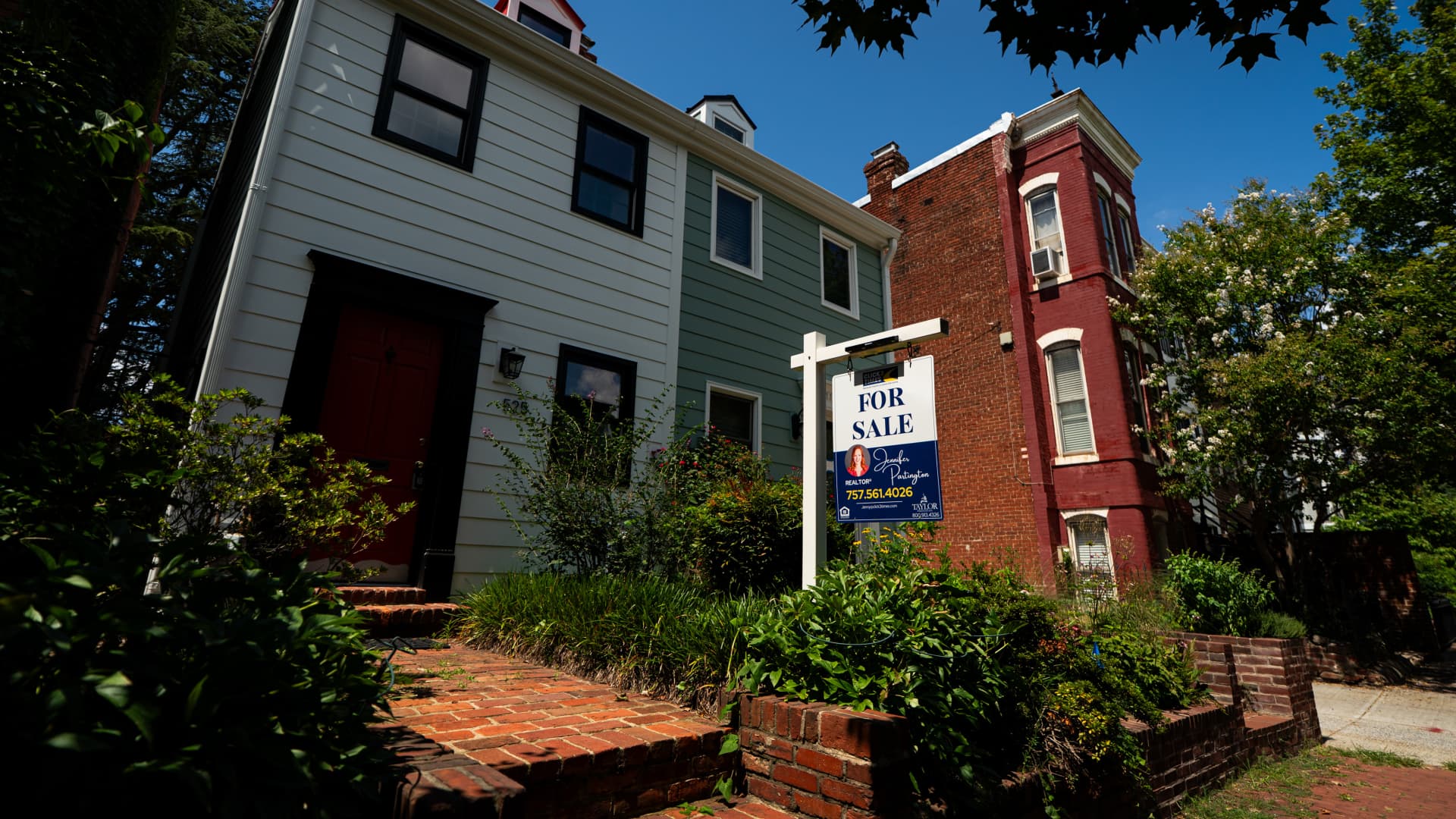
US existing home sales increased in September to their fastest pace since February, driven by declining mortgage rates and increased property availability, though high borrowing costs and a persistent housing shortage continue to impact the market. Home prices are at a record high for September, and while more homes are on the market, the supply remains below pre-pandemic levels, affecting affordability and sales dynamics.
In September, U.S. home sales increased by 1.5% due to falling mortgage rates, reaching the highest pace in seven months, while prices remained high with a 2.1% annual increase, driven by tight supply and strong demand, especially at the high end of the market. Inventory levels rose but remain below pre-COVID levels, and first-time buyers are gaining ground amid favorable borrowing conditions.
Most prospective homebuyers are waiting to purchase homes due to expectations of falling mortgage rates, which are currently at their lowest in a year, leading to a standoff in the market where buyers delay and sellers hesitate to lower prices, despite some signs of increased inventory and slowing price gains.
US existing home sales slightly declined in August due to affordability issues, with sales dropping 0.2% to an annual rate of 4 million units, but year-over-year sales increased by 1.8%. Mortgage rates have decreased but remain high, impacting buyer activity, while inventory levels are stable. Home prices continue to rise, and regional differences in sales are observed.
Existing home sales in August remained flat amid rising mortgage rates, with higher-end homes performing better than affordable ones. Supply decreased slightly, helping keep prices up, while homes stayed on the market longer. The Midwest showed stronger activity, and overall market conditions remain constrained by limited inventory and high mortgage costs.
The US housing market is experiencing chaos as more homebuyers back out of deals due to rising costs, higher mortgage rates, and increased inventory, leading to a record-high cancellation rate and a shift in market dynamics from a seller's to a buyer's market, with signs of potential stabilization if mortgage rates decrease.
The U.S. housing market is showing signs of recovery with increased inventory and a slight rise in home sales, despite high mortgage rates and prices. Mortgage rates have recently decreased slightly, encouraging refinancing, and more homes are available for sale, giving buyers more options. However, high prices and rates continue to limit affordability, and new home construction faces challenges due to affordability issues, labor shortages, and regulatory costs.
Walmart is experiencing gradual cost increases due to tariffs, which are beginning to influence customer behavior, especially among lower-income households. The retailer is maintaining low prices despite rising costs, with efforts to grow value through price rollbacks and fast delivery options, and anticipates a strong holiday season.
In July, existing home sales increased by 2% to 4.01 million units, with prices reaching a record high for July at $422,400, amid rising inventory levels and a potential market inflection point where affordability improvements are boosting sales. The market shows signs of slowing price growth, longer selling times, and increased investor and cash buyer activity, influenced by higher mortgage rates and changing supply dynamics.
The NAR report shows a 2.0% increase in existing-home sales in July, with inventory reaching its highest since May 2020, and median prices slightly up. Sales rose in the Northeast, South, and West, but fell in the Midwest. Mortgage rates decreased, and the market remains healthy with low foreclosure rates and strong price appreciation since 2019.
The U.S. new home market is experiencing a slowdown with declining sales, rising inventory, and falling prices, driven by high mortgage rates and economic uncertainty, leading to a buyer's market with increased negotiating power for purchasers.
The NAR report shows a 2.7% decline in U.S. existing-home sales in June, with a record high median price of $435,300 driven by low inventory and high mortgage rates, which are impacting first-time buyers. Sales decreased in most regions except the West, and the market faces challenges from undersupply and elevated mortgage rates, though a potential decline in rates could boost future sales.
Moody's has issued a warning about the U.S. housing market, highlighting rising inventory, slowing sales, declining prices, and reduced construction activity, signaling a potential downturn that could impact broader economic growth.
Nearly one third of the largest U.S. housing markets are experiencing falling home prices due to high mortgage rates, rising inventory, and decreased demand, with some regions like Cape Coral, Florida, seeing declines over 9%. Despite regional gains in the Northeast and Midwest, the overall trend indicates a cooling market with slower sales and declining prices in many areas.